Best season to fish high mountain lakes in Oregon
Oh, the allure of Oregon's high mountain lakes! It's a dream many of us share – crystal-clear water, stunning alpine scenery, and the promise of trout that rarely see a human. But let's be real, turning that dream into a successful fishing trip can feel like trying to solve a complex puzzle. You’re often wondering if the roads are clear, if the fish are biting, or if you'll end up hiking for miles only to find snow still clinging to the shores. This guide is here to untangle that puzzle, helping you pinpoint the absolute best season to fish Oregon's breathtaking high mountain lakes, and what you need to know to make your adventure truly unforgettable.
The Allure and Challenge of Oregon's High Mountain Lakes
There's something uniquely magical about fishing in Oregon's high mountain lakes. Far from the bustling rivers and easily accessible reservoirs, these pristine waters offer an unparalleled sense of solitude and connection with nature. Whether nestled deep in the Cascades, hidden within the rugged Wallowa Mountains, or sparkling in other lesser-known ranges, each lake feels like a secret discovery. Yet, this very remoteness is what poses the biggest challenge for anglers: timing your visit just right to avoid snow-blocked access or uncooperative weather. It’s easy to get excited about these pristine waters, only to find yourself facing closed trails or torrential downpours if you don't plan carefully.
What Makes High Mountain Lakes Unique?
At elevations often exceeding 4,000 feet, these lakes exist in a different world altogether. The water is typically snow-fed, incredibly cold, and astonishingly clear, creating a unique ecosystem for the fish that call them home. You'll often find thriving populations of brook trout, rainbow trout, and cutthroat trout, with some special lakes even holding the elusive golden trout. These fish are often wild or sustained by careful stocking, making them a special catch.
The journey to these lakes is often as much a part of the experience as the fishing itself. Many require significant hiking, sometimes through rugged terrain, demanding proper backpacking gear and a decent level of fitness. It’s not just a quick drive and cast; it’s an adventure that requires planning, preparation, and a willingness to embrace the wilderness. The reward, however, is immense: the quiet beauty, the crisp air, and the satisfaction of earning your solitude.
Navigating the Weather Puzzle
Oregon's high country weather is famously fickle, a dynamic force that dictates everything from road access to fish behavior. One minute it's glorious sunshine, perfect for a high-alpine picnic, and the next you're scrambling to find shelter from a sudden hailstorm or a relentless downpour. The sheer elevation means that even in the heart of summer, nights can drop to near-freezing, and an unexpected cold front can bring snow even in July.
This unpredictability is perhaps the biggest frustration for anglers planning a high mountain lake trip. You can check forecasts diligently, but localized conditions can change in a heartbeat. Snowpack from the previous winter plays a monumental role, too. A heavy snow year can mean that lakes typically accessible by early July might remain snowed in well into August. It's a constant dance with nature, requiring flexibility, vigilance, and an understanding that sometimes, Mother Nature has other plans. You'll need to develop a keen sense of observation and be prepared for anything when you venture into these wild places.
Decoding the Prime Season: Late Spring to Early Fall
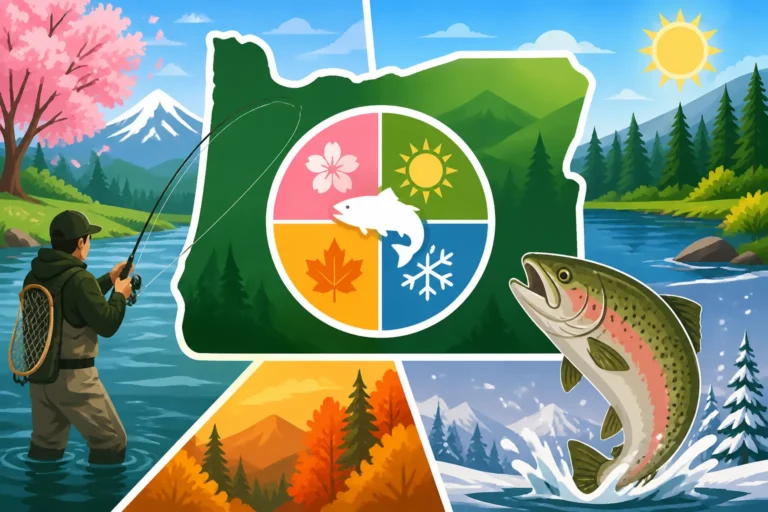
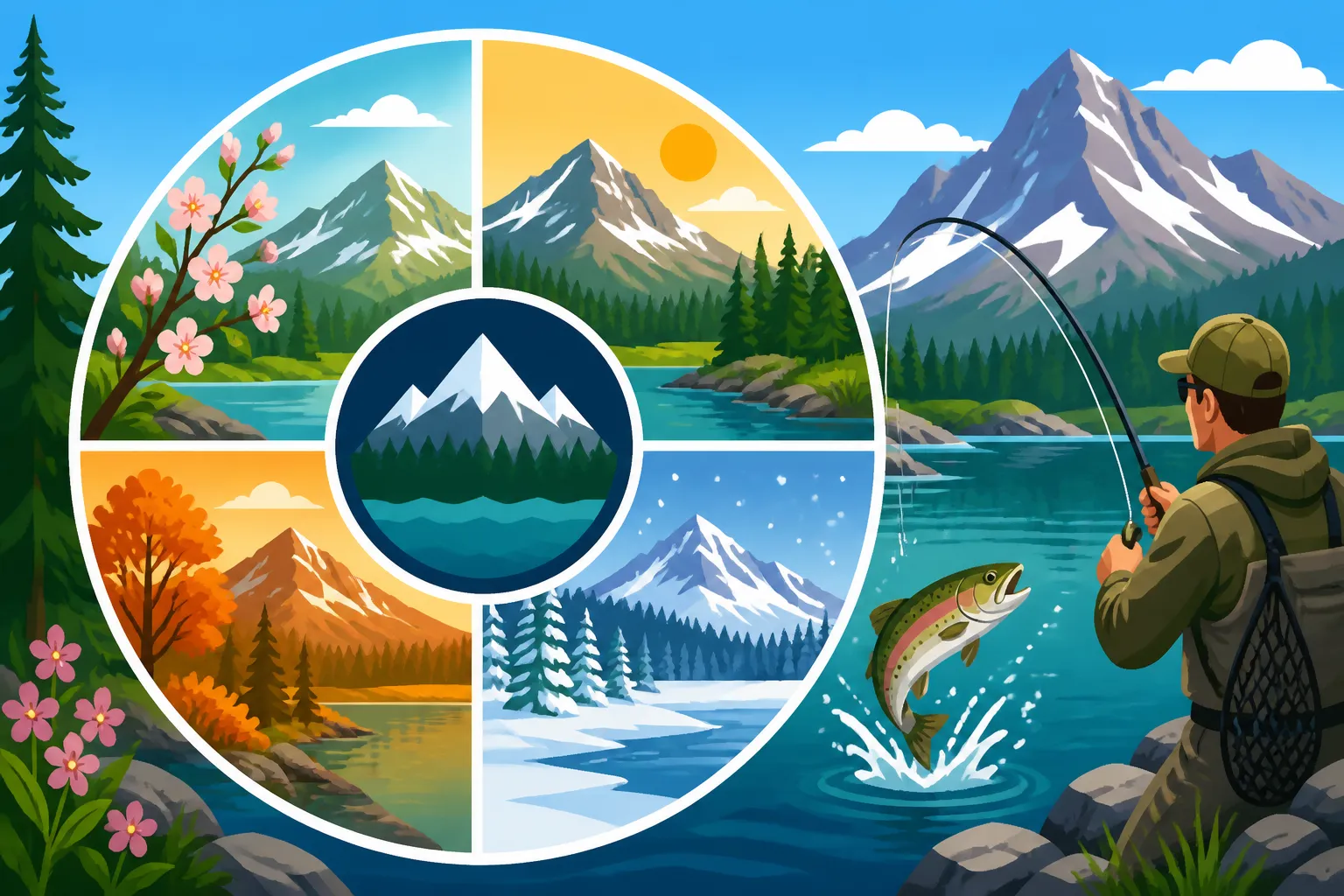
So, when is the best time to embark on your high mountain lake fishing odyssey in Oregon? The short answer is generally from late spring through early fall, but within that window, there are distinct phases, each with its own charm and challenges. The exact timing can shift significantly year to year, largely depending on the previous winter's snowpack and subsequent melt. Think of it less as a fixed date and more as a dynamic period that you need to approach with careful observation and flexibility.
Late Spring/Early Summer: The Thaw and Early Opportunities
This period typically spans from late May to early July. It's the time of the great thaw, when the lower elevation access roads and trails begin to clear, making way for intrepid anglers. The snow recedes, revealing lush green meadows and the first vibrant wildflowers. If you're someone who loves solitude and the raw beauty of a recently awakened landscape, this is your sweet spot.
The pros of fishing during this time are significant: you'll encounter far fewer people, and the fish, having been under ice for months, are often incredibly eager to bite. They're typically in shallower water, feeding aggressively after the long winter, which can lead to some truly exciting fishing. However, the cons are equally notable. Access can still be limited; many trails to higher lakes might still be snow-blocked, requiring longer, more arduous hikes or even specialized gear like snowshoes. The water is bone-chillingly cold, and the weather remains highly unpredictable, with cold snaps and late-season storms a real possibility. You'll need to check snowpack reports diligently and be prepared for changeable conditions, donning layers and waterproofing on your fishing excursions.
Mid-Summer: The Peak Window
For most anglers, the prime time to fish Oregon's high mountain lakes is from July through August. This is when the vast majority of mountain roads and hiking trails are fully open and snow-free, making access generally the easiest it will be all year. The days are long, the weather is often glorious and warm (though afternoon thunderstorms are a common pattern to watch for), and the high country truly comes alive.
This peak window offers the most comfortable camping conditions and the greatest variety of lakes to choose from. Insect hatches are typically in full swing, especially on the surface, which means fantastic opportunities for fly anglers. Spin anglers can also find success by matching their lures to the natural food sources. The downside, if you can call it that, is that these popular lakes will see more visitors. The fish, having been exposed to more pressure, can also become a bit more selective, often moving to deeper, cooler waters during the hottest parts of the day. Early morning and late evening become critical times for active feeding.
Early Fall: A Golden, Fleeting Opportunity
As September rolls in and often extends into early October, a truly special, albeit fleeting, window opens for high mountain lake fishing. This is arguably the most beautiful time to be in the Oregon wilderness. The summer crowds have largely vanished, replaced by a profound sense of quiet. The air becomes crisp and invigorating, and the deciduous trees ignite in brilliant hues of gold, orange, and red, painting the landscape in a way that photographs can barely capture.
The fishing itself can be spectacular. Fish are keenly aware of the impending winter and are often feeding voraciously to build up reserves. This can lead to aggressive strikes, particularly on larger flies or lures that mimic substantial meals. Targeting bigger fish that are trying to pack on weight is a common strategy during this period. The challenge, of course, is the rapidly changing conditions. Days are noticeably shorter, and nights are significantly colder. Early snowfalls can occur at any moment, especially at higher elevations, making careful weather monitoring absolutely critical. Access points can suddenly become dangerous or impassable with the first significant snow, so always have a backup plan and be ready to head home if conditions deteriorate.
Here's a quick overview of the seasons:
| Season Phase | Typical Timing (approx.) | Pros | Cons | Key Considerations |
|---|---|---|---|---|
| Late Spring/Early Summer | Late May – Early July | Fewest crowds, eager post-ice-off fish, lush scenery | Snow-blocked access, cold water, unpredictable weather, limited options | Check snowpack & road closures; dress in layers |
| Mid-Summer | July – August | Best access, warm weather, peak hatches, diverse options | More crowded, fish can be deeper/selective, afternoon storms | Plan for early/late fishing; bring sun protection |
| Early Fall | September – Early October | Fewest people, stunning colors, aggressive feeding fish | Shorter days, cold nights, potential for early snow, rapidly decreasing access | Monitor weather constantly; target pre-winter feeding fish |
Essential Considerations Beyond the Calendar
While knowing the best time of year is a huge first step, successfully fishing Oregon's high mountain lakes involves much more than just circling a date on your calendar. These are wild, often remote places, and a truly great trip comes down to thorough preparation and a deep respect for the environment. It's about being ready for anything Mother Nature throws at you, and having the right knowledge and gear to match.
Snowpack and Road Conditions: Your Biggest Hurdles
I can't stress this enough: the single biggest factor dictating whether you can even reach your desired high mountain lake isn't the month, but the snowpack from the previous winter. A heavy snow year can delay access by weeks, even a month or more. It's a special kind of disappointment to hike miles only to find your target lake still shrouded in ice, or a sudden storm rolling in.
Before you even pack your rod, make it a priority to check current snow levels and road conditions. Resources like the Oregon Department of Fish and Wildlife (ODFW) websites, local Forest Service ranger district offices, and even online forums dedicated to hiking or fishing in Oregon's wilderness areas are invaluable. Don't just look at the nearest town's weather; understand that conditions at 6,000 feet can be vastly different. Some trails may require stream crossings that become dangerous with high meltwater. Always ask if your planned route requires a high-clearance vehicle, or if you should anticipate hiking longer distances if forest service roads are still closed. This due diligence can save you a world of frustration and potentially unsafe situations.
Gear and Preparedness: More Than Just a Rod
When venturing into Oregon's high country, your gear list needs to be robust, regardless of the season. Layered clothing is non-negotiable – even on a sunny August day, temperatures can plummet quickly once the sun dips behind the peaks. Think moisture-wicking base layers, insulating mid-layers, and a waterproof/windproof outer shell. A warm hat and gloves are essential, especially for those crisp mornings and evenings.
Beyond clothing, you need to think about survival and comfort in remote areas. Shelter (a lightweight tent or tarp), a reliable sleeping bag rated for cold temperatures, and a cooking system are crucial if you're staying overnight. Food should be lightweight and calorie-dense; many experienced backpackers stock up on dehydrated meals. Don't forget water filtration or purification tablets, as giardia is a real concern in some backcountry water sources. Navigation is paramount: a physical map and compass, along with a reliable GPS device or a smartphone app with downloaded offline maps, are absolute must-haves, as cell service is often non-existent. Safety items like a first-aid kit, headlamp, fire starter, and bear spray (depending on the area) should always be in your pack. For your fishing arsenal, consider lightweight, packable rods, a variety of flies or lures appropriate for trout, and a small tackle box. Many anglers find great deals on these specialized items, from lightweight backpacking tents to compact fishing kits, on platforms like Amazon.
Understanding Fish Behavior at High Altitudes
Fish in high mountain lakes, particularly trout, behave differently than their counterparts in lower, warmer waters. Their activity is heavily influenced by water temperature and food availability. In the cooler waters of late spring and early fall, fish may be more active throughout the day, often near the surface or shallower margins where insect activity is higher. This is when a well-placed dry fly or a small spinner can yield fantastic results.
During the peak of summer, when surface temperatures rise, fish will often seek refuge in deeper, cooler sections of the lake. This might mean you need to adjust your tactics to fish deeper with nymph patterns, small jigs, or weighted lures. Observing insect hatches is crucial for fly anglers; matching the hatch can be the key to success. Even for spin anglers, knowing what insects are active can guide lure color or retrieve speed. These fish are wild, often unpressured, but they still have keen instincts. Approach quietly, use light line, and practice stealth, and you'll increase your chances significantly. Understanding these subtle behavioral shifts is part of the challenge and the reward of high mountain lake fishing. If you're looking for more general trout advice, our guide on Oregon Trout Fishing Techniques has some excellent tips.
Practical Planning for Your High Mountain Lake Adventure
Planning an outing to Oregon's high mountain lakes is a rewarding process, but it requires meticulous attention to detail. It's not just about getting there and casting a line; it's about making sure you're safe, respectful of the environment, and setting yourself up for the best possible experience. Taking the time to properly research and prepare will elevate your trip from a hopeful endeavor to a truly unforgettable adventure.
Researching Your Target Lake
Not all high mountain lakes are created equal, and some will offer better fishing opportunities than others based on species, accessibility, and current conditions. Your first step should always be thorough research on your chosen destination. The ODFW website is a fantastic resource, often providing information on which lakes are stocked, with what species, and when. While they generally don't specify the exact best day, these reports can help you prioritize lakes that are actively managed for fishing. For example, if you're interested in How to Catch Trout in Stocked Oregon Lakes, checking the ODFW stocking schedule is key.
Beyond stocking, look for information on trail conditions and access points. Are there specific challenges like steep climbs, long distances, or tricky stream crossings? Websites like AllTrails, hiking blogs, and dedicated fishing forums often have recent reports from other adventurers that can be incredibly helpful. Pay attention to comments about bug pressure, water levels, and even fish activity. Consider the effort-to-reward ratio for each lake. Some lakes require an overnight backpacking trip, while others might be accessible as a strenuous day hike. Decide what level of adventure you're seeking, and choose a lake that aligns with your capabilities and aspirations.
Packing Smart and Staying Safe
When every ounce matters, especially if you're hiking for miles, packing smart is an art form. Start with the "ten essentials" of backpacking: navigation, headlamp, sun protection, first-aid, knife, fire starter, shelter, extra food, extra water, and extra clothes. These aren't just suggestions; they're vital for safety in the backcountry. For fishing gear, consider a multi-piece pack rod that can be easily stowed in your pack. A compact fly reel or a small spinning reel will suffice. You'll also want to make sure you have the appropriate Oregon Fishing License Guide and any necessary tags before you head out.
Emergency communication is another critical consideration. While satellite communicators are an investment, they can be lifesavers in areas without cell service. Always leave a detailed trip plan with someone responsible back home, including your route, expected return time, and whom to contact if you don't check in. Stocking up on lightweight, durable gear – from specialized backpacking fishing setups to reliable water filters and dehydrated meals – often begins with a quick search on Amazon, where you can compare options and read reviews from other outdoor enthusiasts. Your safety and comfort depend on these preparations, so don't cut corners.
Respecting the Wilderness: Leave No Trace
Our high mountain lakes are fragile ecosystems, and it's our collective responsibility to protect them for future generations. Embracing the "Leave No Trace" principles isn't just a suggestion; it's a fundamental ethic for anyone venturing into the wilderness. This means packing out everything you pack in, including all trash, food scraps, and even fish entrails. Consider using a "wag bag" for human waste or burying it properly away from water sources and trails.
Minimize your impact on trails and campsites. Stick to established paths, camp on durable surfaces, and avoid trampling vegetation. When fishing, be mindful of delicate stream banks and lake shores. Practice responsible catch-and-release, especially for native or wild trout, ensuring fish are handled gently and returned to the water quickly. Knowing your Oregon Catch-and-Release Rules is vital here. These small actions collectively make a huge difference in preserving the pristine beauty and ecological health of these incredible places. Our goal is to leave the wilderness exactly as we found it, or perhaps even better, ensuring that the magic of high mountain lake fishing endures.
Disclaimer
This article is for general informational purposes only and does not constitute professional advice. Laws, prices and regulations vary by location and change over time. Consult a qualified professional for guidance on your specific situation.