How to tie a spinner for salmon fishing
If you've ever stared at a tackle box brimming with shiny blades, beads, and hooks, wondering how to turn that jumble into a fish-catching machine, you're not alone. The process of rigging an effective spinner for salmon fishing can feel a bit like a secret handshake, but it's a fundamental skill that will drastically improve your success on Oregon's incredible rivers and coastline. This guide is all about demystifying that process, walking you through the ins and outs of assembling a spinner that salmon simply can't resist.
Decoding the Anatomy of a Successful Salmon Spinner
Before we dive into the nitty-gritty of assembly, let's talk about what makes a spinner tick. A salmon spinner isn't just a random collection of shiny bits; each component plays a crucial role in mimicking baitfish and attracting those powerful salmon. Understanding these parts is like learning the language of the fish, allowing you to choose and assemble the right "words" for your conversation with a Chinook or Coho.
The Heartbeat: Spinner Blades and Their Variations
The blade is arguably the most critical part of your spinner. It's the engine that creates flash, vibration, and an irresistible underwater pulse. Different blade shapes offer distinct actions, and knowing when to use each can make a world of difference.
- Colorado Blades: These are wide, round, and cup-shaped, creating maximum vibration and lift. They spin easily, even at slow retrieve speeds, making them excellent for murky water where vibration is key, or when you need to keep your lure higher in the water column. Think of them as the loud, attention-grabbing party guests. Many anglers find a good selection of Colorado blades essential for their salmon arsenal, and you can often find diverse kits on Amazon. Their aggressive thumping action can really call in fish from a distance, especially in larger rivers like the lower Columbia when targeting Fall Chinook.
- Indiana Blades: A hybrid between the Colorado and Willowleaf, Indiana blades offer a good balance of flash and vibration. They're more elongated than Colorado blades but still have a pronounced cup, giving them a strong, but slightly less aggressive, throb. These are fantastic all-around blades, versatile for many conditions, and a great choice when you're unsure which blade to start with. They're like the reliable workhorses of the spinner world, consistently performing without being too flashy or too subtle.
- Willowleaf Blades: Long, slender, and leaf-shaped, these blades produce less vibration but maximum flash. They're designed for faster retrieve speeds and penetrate the water with minimal resistance, making them ideal for clear water or when you need your lure to run deeper. Their subtle, shimmering action is often deadly for finicky salmon in clear flows, mimicking a slender baitfish fleeing. When fishing for Steelhead, anglers often reach for these, and they can be equally effective for salmon when they're not in an aggressive mood.
The Body: Beads, Spacers, and Weights
The body of your spinner is what gives it form, weight, and additional visual appeal. It also creates separation between the blade and the hook, allowing the blade to spin freely.
- Beads: Beads come in a myriad of colors, sizes, and materials, from plastic to glass to metal. They add color, flash, and sometimes even scent-holding properties. Often, anglers will use a combination of different colored beads to create a unique presentation. The main purpose of the beads, beyond attraction, is to create a bearing surface for the spinner blade to rotate against, ensuring smooth, uninterrupted action. Experimenting with bead colors is part of the fun in Oregon Salmon Fishing Techniques.
- Spacers and Cleats: These small components help position the blade and beads correctly on the wire shaft. A clevis, a small U-shaped piece, is crucial as it's what the spinner blade attaches to, allowing it to spin freely around the wire shaft. Without a good clevis, your blade won't rotate properly, and you'll just be dragging a piece of metal through the water. Quality clevises and other rigging components are easily sourced on Amazon for building custom spinners.
- Weights (where applicable): While not always part of the spinner itself, weight is vital for getting your spinner down to the strike zone. Some spinner designs incorporate a weighted body, while others rely on external weights like sliding sinkers or pencil lead placed on the main line ahead of the spinner. The depth you need depends heavily on the water you're fishing and the type of salmon you're targeting. When learning How to Fish for Spring Chinook on the Willamette, getting your spinner into the deeper holding lies is crucial.
The Business End: Hooks and Trailer Options
This is where the magic happens – or rather, where the fish gets hooked! The type and size of your hook depend on the species you're targeting and personal preference.
- Treble Hooks: Historically popular, treble hooks offer multiple points of contact, potentially increasing your hook-up ratio. However, they can also cause more damage to fish, especially if you're practicing catch-and-release, which is often the case for certain wild salmon or steelhead runs in Oregon. Always check current Oregon Fishing Regulations Explained as regulations around hook types can vary by waterbody and species.
- Single Hooks: Many anglers, particularly those concerned with fish conservation, opt for single hooks. They're easier to remove, causing less stress to the fish. With proper technique and a sharp hook, your hook-up rate can still be excellent. Some regulations specifically require single, barbless hooks, especially for certain game fish.
- Tandem or Trailer Hooks: For longer baits or when fish are short-striking, a trailer hook (a second hook rigged behind the main hook) can be very effective. This often involves a short piece of monofilament or fluorocarbon connecting the two hooks. This setup can be particularly useful for larger fish like Chinook Salmon in Oregon which might only nip at the tail of a lure.
Your Step-by-Step Guide to Tying Effective Salmon Spinners
Alright, let's get down to business! Tying your own spinners is a rewarding process, allowing for customization and a deeper understanding of your tackle. It's also a great way to save a little money and ensure you always have the perfect lure for the conditions.
Gathering Your Gear: The Essential Toolkit
Before you start, make sure you have all your components and tools laid out. There's nothing worse than getting halfway through and realizing you're missing something vital.
- Components: You'll need your chosen spinner blades (Colorado, Indiana, or Willowleaf), clevises, beads (various colors and sizes), and hooks (treble or single, sized appropriately for salmon).
- Wire Shafts: These are typically stainless steel wires with a loop at one end and a bend or "R-bend" at the other. They come in different lengths and gauges. The loop end is where your line will attach, and the R-bend is what holds all your components on.
- Tools:
- Needle-nose pliers: Essential for bending wire, closing loops, and crimping.
- Wire cutters: For snipping excess wire.
- Crimping tool (optional but recommended): If you're using sleeves to secure components on heavy wire.
- Vise (optional): A small hobby vise can make holding the wire shaft much easier.
- Safety glasses: Always a good idea when working with springy wire!
- Leader Material: Decide on your leader material – monofilament or fluorocarbon. For What pound test line for Chinook salmon, you'll typically want something robust, like 20-40 lb test, depending on the water and fish size.
The Art of the Knot: Connecting Your Main Line to the Spinner
While this guide focuses on assembling the spinner itself, properly connecting it to your main line is paramount. A weak knot means a lost fish.
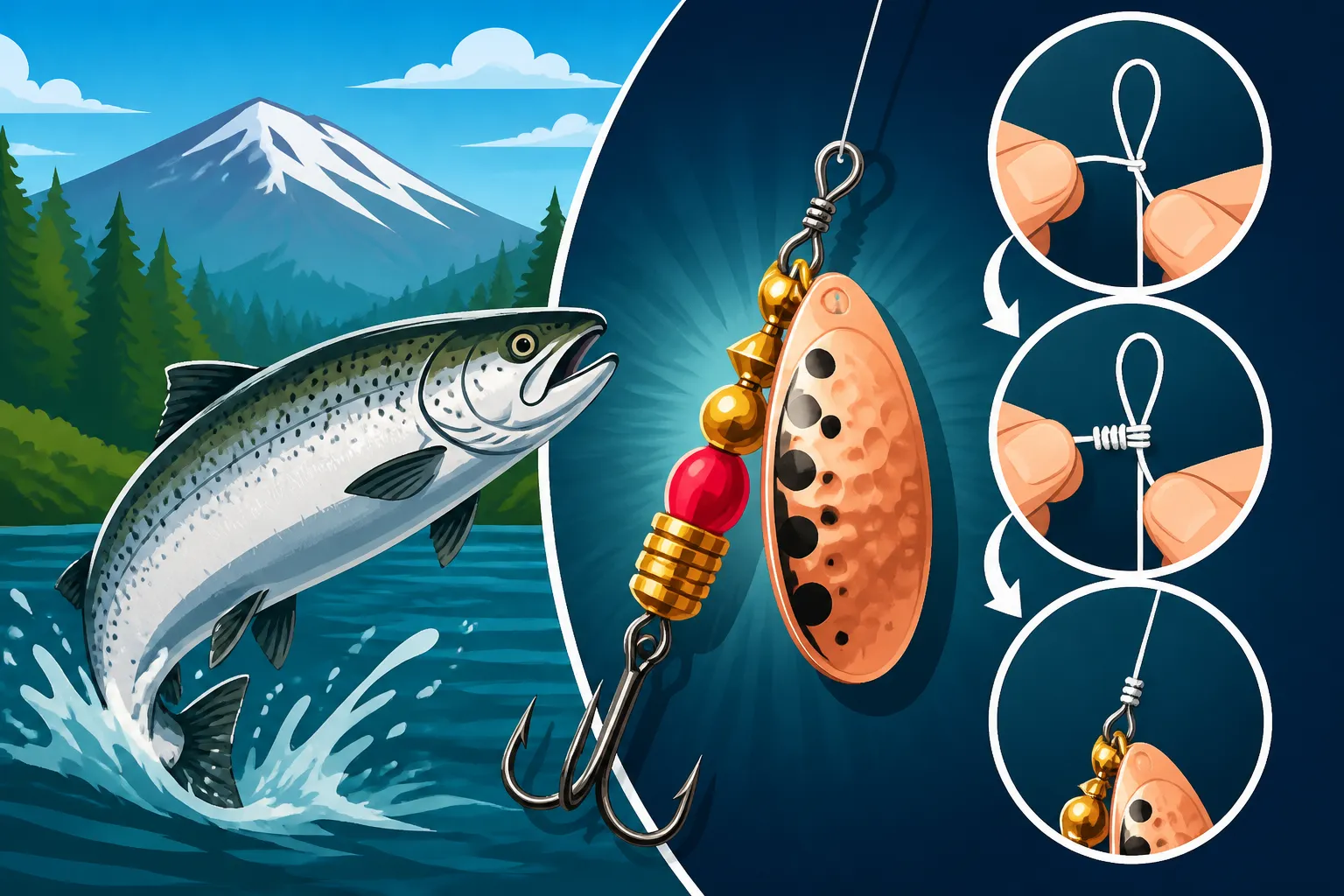
- Palomar Knot: A fantastic choice for attaching your main line to the swivel at the top of your spinner rig. It's strong, reliable, and relatively easy to tie, even with cold hands. Just make sure to moisten the line before cinching it down.
- Improved Clinch Knot: Another tried-and-true option, especially for lighter lines. It's versatile and provides good strength.
- Snelling Hooks (for tandem rigs): If you're creating a tandem hook setup, snelling the second hook can provide a perfectly aligned, super strong connection. This takes a little practice but is well worth the effort for a secure rig. Always consider your leader material; a good fluorocarbon leader can offer invisibility and abrasion resistance, giving you an edge. You can find many brands of high-quality fishing line and leader material on Amazon.
Assembling Your Spinner: Component by Component
This is where your vision comes to life! We'll start from the hook end and work our way up.
- Attach Your Hook(s): If you're using a single hook, you can attach it directly to the loop at the bottom of your wire shaft. If you're using a tandem rig, thread your leader material through the eye of your first hook, then snell or tie it securely. Leave enough tag end to then tie or snell your second hook a few inches behind the first. Once the hooks are tied, you'll attach the main wire shaft to the top hook's loop.
- Add Beads and Spacers: Now, slide your chosen beads onto the wire shaft, starting from above the hook connection. Remember the purpose of the beads – to create space and visual appeal. You might use a small spacer bead directly above the hook to protect the knot from the clevis.
- Position the Clevis and Blade: Next, slide your clevis onto the wire shaft, followed by your chosen spinner blade. The blade should sit against the curved part of the clevis, allowing it to spin freely. Ensure the blade is oriented correctly to catch water and rotate.
- Add More Beads (Optional): You can add more beads above the blade/clevis assembly to further customize the look or add more weight if your design calls for it.
- Form the Top Loop: Once all your components are on the straight part of the wire, you'll need to create a loop at the top to connect to your main line (or a swivel). Using your needle-nose pliers, make a small bend in the wire, then wrap the tag end tightly around the main shaft a few times, forming a secure loop. Trim any excess wire with your wire cutters, making sure there are no sharp ends to snag your line. Some pre-made wire shafts already have this loop, saving you a step.
The Final Checks: Ensuring Perfect Performance
Before you cast, always double-check your work. A perfectly tied spinner is useless if it doesn't spin!
- Test the Spin: Hold your spinner by the top loop and move it through the air. The blade should rotate freely and smoothly. If it's catching or not spinning, check for any obstruction, a bent clevis, or beads that are too tight.
- Check Knots and Crimps: Tug gently on all your connections to ensure they are secure. A loose knot or crimp will fail under the stress of a fighting salmon.
- Sharp Hooks: Ensure your hook points are razor sharp. You can use a hook sharpener for this. A dull hook might grab a fish but won't penetrate deeply enough to hold.
Advanced Tips and Common Pitfalls for Spinner Success
Tying a spinner is one thing; using it effectively is another. There are always nuances that seasoned anglers discover through countless hours on the water. Here's how to elevate your spinner game and avoid common frustrations.
Matching the Hatch: Color, Size, and Presentation
Salmon are often more discerning than we give them credit for. While a flashy spinner will always get some attention, choosing the right flashy spinner can be the difference between a good day and a truly epic one.
- Color Theory: Water clarity, light conditions, and even the time of day can influence a salmon's color preference.
- Bright/Fluorescent Colors (chartreuse, orange, pink): Excellent for murky water, low light conditions, or when salmon are aggressive and need a strong visual trigger. Think about the vibrant colors of lures used when How to Fish for Fall Chinook on the Columbia in discolored glacial runoff.
- Natural/Metallic Colors (silver, gold, copper, brass): Best for clear water, bright sunny days, or when fish are shy. These colors mimic natural baitfish more effectively. Silver is often a go-to for many Oregon Salmon Species Guide anglers.
- Darker Colors (black, purple): Surprisingly effective in bright conditions or surprisingly in very dark, deep water. They create a strong silhouette against the sky.
- Size Matters: The size of your spinner should generally match the size of the prevalent baitfish in the area or the size of the salmon you're targeting. Larger salmon often respond well to larger spinners, but sometimes a smaller, more subtle offering can tempt a finicky fish. Experimentation is key!
- Presentation is Paramount: How you retrieve your spinner is just as important as the spinner itself. Maintain a retrieve speed that allows your blade to spin consistently. Varying your speed, adding pauses, or imparting small twitches can often trigger strikes from hesitant fish. The goal is to make it look like an injured or fleeing baitfish.
Speed and Depth Control: Getting in the Strike Zone
A beautiful spinner that isn't where the fish are is just exercise. Getting your lure to the correct depth and maintaining the right speed are critical.
- Current and Retrieve Speed: In rivers, the current will dictate much of your presentation. Cast upstream and across, letting the current sweep your spinner downstream while you retrieve just fast enough to keep the blade spinning. In slower water or lakes, you have more control, but you still need to ensure consistent blade action. If you're fishing in swift currents, you may need a heavier spinner or additional weight on your line.
- Weighting Options: As mentioned, some spinners are weighted. For others, you'll need external weight.
- Sliding Sinkers: A common method is to use a sliding sinker on your main line ahead of a barrel swivel, which then connects to your leader and spinner. This allows the fish to take the lure without feeling the weight of the sinker.
- Bounce Balls/Pencil Lead: When drift fishing, using a "bounce ball" or pencil lead rigged to break away if snagged can help you hug the bottom effectively without losing your entire rig. This technique is often employed when targeting Chinook or Coho in deeper river channels.
- Reading the Water: Understanding where salmon hold is crucial. Look for seams, eddies, deep pools, and current breaks. Fish often stack up in these areas, waiting for an easy meal. Knowing Best Rivers to Fish in Oregon and their specific features will give you an advantage.
Adding Scents and Attractants: An Extra Edge
While spinners are highly visual and vibratory, adding scent can often provide that extra enticement, especially for salmon which have an incredibly keen sense of smell.
- Applied Scents: Many anglers will apply commercially available fish attractants directly to their spinner blades, beads, or even a small piece of yarn tied to the hook. Scents like anise, prawn, or various baitfish formulas can mask human odors and encourage fish to hold onto the lure longer, giving you more time to set the hook.
- Bait Tipping: Tipping your spinner's hook with a small piece of bait, such as an prawn tail, cured salmon roe, or a piece of sardine, can be incredibly effective. The added natural scent and texture can be the ultimate trigger for a hesitant salmon. This is a classic tactic for Oregon Trout Fishing Techniques as well, showing its versatility. Just make sure the bait doesn't impede the spinner's action.
When to Use Which Spinner: Adapting to Conditions
The perfect spinner setup is rarely a "one size fits all" affair. Adaptability is key to success.
- Water Conditions:
- Murky Water: Go for larger, louder Colorado blades in bright or fluorescent colors. Maximize vibration and visual contrast.
- Clear Water: Opt for smaller, more subtle Willowleaf or Indiana blades in natural metallic colors. Focus on flash and a refined presentation.
- Light Conditions:
- Low Light (dawn/dusk/overcast): Brighter colors and more flash often perform well. Gold blades can be exceptional in low light.
- Bright Sun: Natural metallics like silver or copper, or even dark colors like black, can be surprisingly effective, creating clear silhouettes.
- Species Specifics: While much crossover exists, some spinners tend to excel for certain species.
- Chinook Salmon (Kings): Often prefer larger, more aggressive spinners. Big Colorado blades in chartreuse or fluorescent red are common choices, especially in big water like the Columbia River.
- Coho Salmon (Silvers): Can be very aggressive and often respond well to bright, flashy spinners in smaller to medium sizes. Pinks and greens are often very productive for Coho. For more on these species, check out our Coho Salmon in Oregon guide.
- Steelhead: While not salmon, these anadromous trout often hit similar spinners, usually preferring smaller, more streamlined designs, especially in winter.
Always pay attention to what the fish are telling you. If one color or size isn't working, don't be afraid to change it up. Keep a variety of blades, beads, and wire shafts in your tackle box. This will allow you to quickly adapt to changing conditions and give you the best chance to land that trophy salmon. Having a well-stocked Oregon Bait and Lure Guide at your fingertips, whether physically or mentally, can make all the difference.
Spinner Blade Characteristics Overview
Here's a quick look at the main blade types to help you choose:
| Blade Type | Shape | Vibration | Flash | Ideal Speed | Best for Water Conditions | Notes |
|---|---|---|---|---|---|---|
| Colorado | Round, deep cup | High | High | Slow | Murky, Low Light | Great for calling fish, strong thump |
| Indiana | Elongated oval, medium cup | Medium | Medium | Medium | Versatile, All-Around | Good balance, reliable performance |
| Willowleaf | Long, slender, minimal cup | Low | High | Fast | Clear, Deep Water | Subtle shimmer, less resistance |
Keeping Your Spinners in Top Shape
Just like any good tool, your salmon spinners need a little care to keep performing at their best. A well-maintained spinner will last longer and continue to entice fish.
Post-Fishing Care and Storage
After a long day of battling salmon, it's easy to just toss your gear into a bag, but taking a few minutes to care for your spinners can make a big difference.
- Rinse Thoroughly: If you've been fishing in saltwater, or even in silty freshwater, rinse your spinners under clean, fresh water. This removes corrosive salt, dirt, and any fish slime that can dull finishes or attract unwanted odors. Pay special attention to the swivels and clevises, as these moving parts can seize up with grime.
- Dry Completely: After rinsing, lay your spinners out to air dry completely before storing them. Trapped moisture, especially on metal components, can lead to rust and corrosion, rendering your beautiful blades dull and ineffective. You can pat them dry with a towel, but air drying ensures all the nooks and crannies are moisture-free.
- Organized Storage: Store your spinners in a tackle box or tray that keeps them separated. This prevents hooks from tangling, blades from scratching each other, and makes it easy to find the right spinner when you're on the water. Many anglers use small, individual compartments for their assembled spinners or separate bins for blades, beads, and wire shafts. A neat tackle box means less time fiddling and more time fishing.
Repairing and Refurbishing Spinners
Even the best-made spinners can take a beating from rocks, snags, and feisty salmon. Knowing how to repair them can extend their life and save you money.
- Replace Dull or Bent Hooks: This is the most common repair. A dull hook will not penetrate properly, leading to missed fish. A bent hook is a weak hook. Simply snip off the old hook and tie on a new, sharp one. Keep a good stock of replacement hooks on hand for your Oregon Fishing Seasons Explained.
- Straighten Bent Blades: Sometimes a blade might get slightly bent, affecting its spin. Gently try to straighten it with your needle-nose pliers. If it's severely bent and won't spin correctly, it's best to replace the blade. Remember, a perfectly spinning blade is non-negotiable for spinner effectiveness.
- Clean Tarnished Blades: Over time, metallic blades can tarnish, losing their flash. A gentle polish with a metal cleaner or even a paste of baking soda and water can restore their shine. Some anglers prefer the subtle flash of a slightly tarnished blade in certain conditions, so this is a matter of preference.
- Check Swivels and Clevises: These components are crucial for smooth operation. Ensure swivels are turning freely and clevises aren't bent or worn, as this will prevent the blade from spinning properly. If they're stiff or damaged, replace them.
By taking care of your spinners, you ensure they're always ready to go when you hit the water, giving you the best chance at hooking into some magnificent Oregon salmon.
Disclaimer
This article is for general informational purposes only and does not constitute professional advice. Laws, prices and regulations vary by location and change over time. Consult a qualified professional for guidance on your specific situation.