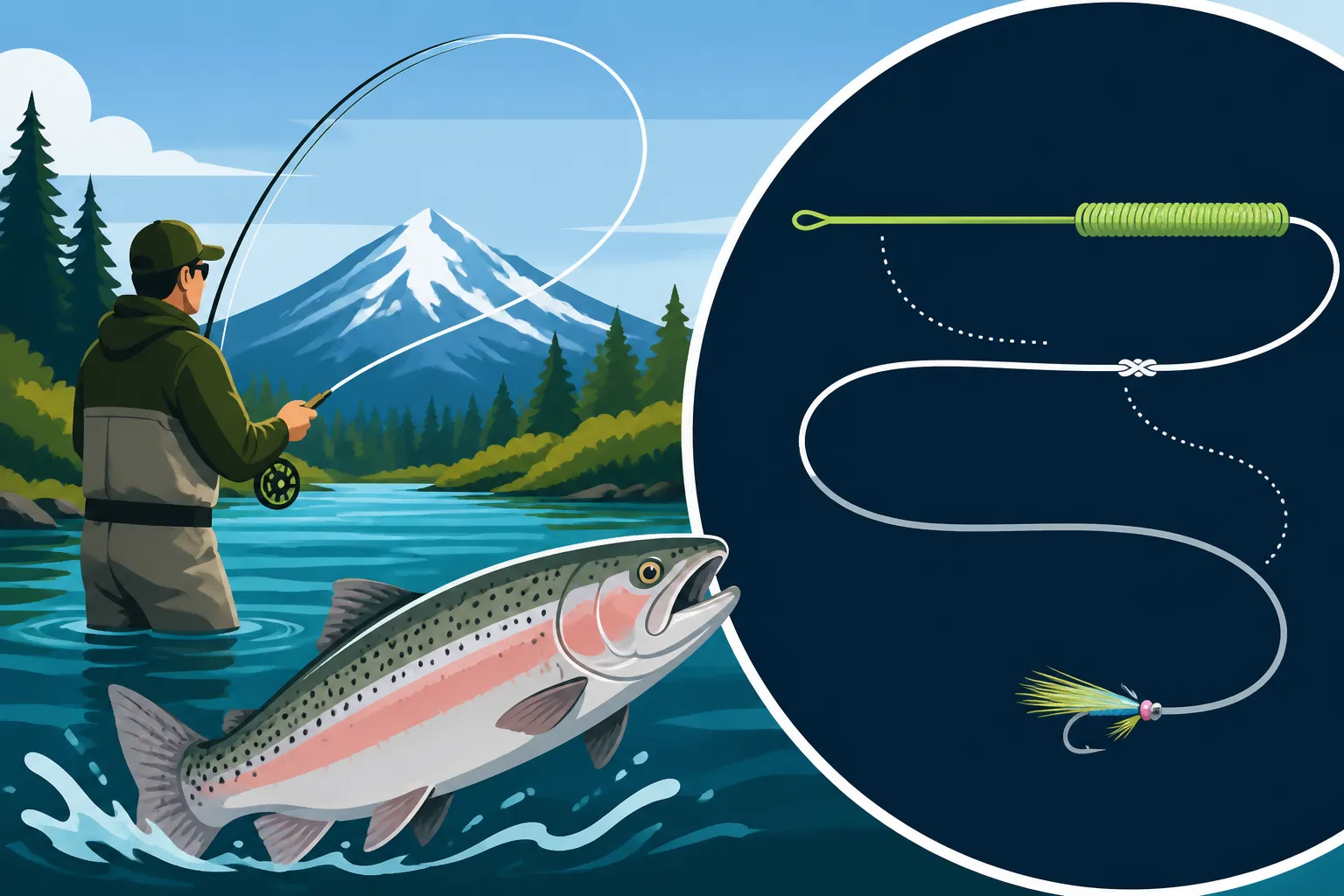
Best leader length for steelhead fishing
Ah, the leader length for steelhead fishing! It's one of those topics that can make even seasoned anglers scratch their heads and beginners feel like they're trying to solve a quantum physics problem while standing in a cold, fast river. You've probably found yourself on the riverbank, tying knot after knot, wondering if an extra foot or two (or half a foot!) of monofilament is going to be the difference between a screaming reel and a silent, lonely morning. This guide is here to untangle that frustration and help you understand the nuances of leader length so you can present your offerings to those magnificent chrome beauties with confidence, no matter the conditions on Oregon's incredible rivers.
The Frustration of Leader Length Choices for Steelhead
It's a common scene: you're out there, maybe on the Deschutes, the Wilson, or the Rogue, and you see another angler pulling in fish after fish while you're just getting nibbles, or worse, nothing. You check your bait, your lure, your technique, and then it hits you: "Could it be my leader?" It’s a completely valid thought, and often, the answer is a resounding yes. Steelhead, being the wary creatures they are, can be incredibly sensitive to how your line presents itself in the water. That tiny detail, the length of your leader, can feel like an insurmountable barrier to success.
Why Leader Length Matters More Than You Think
Think about it from the steelhead's perspective. These fish have incredible eyesight, especially in clear water. They spend their lives evading predators and scrutinizing everything that drifts past them. If your main line, which is usually thicker and more visible, is too close to your bait or lure, it can create an unnatural "shadow" or simply be too apparent. A longer leader allows your presentation to drift more naturally and subtly, almost as if it's completely unattached. It provides a buffer zone, separating the terminal tackle from the heavier, often more brightly colored main line. This is particularly crucial when you're targeting fish that have seen countless lures and baits, especially in high-pressure spots. The more natural your offering appears, the higher your chances of getting a strike.
Moreover, leader length affects the action of your lure or bait. A shorter leader might cause a jig to move unnaturally, or a cured roe presentation to hang awkwardly. A well-chosen leader length, on the other hand, allows your offering to tumble, swing, or dart in a way that mimics natural food sources or fleeing prey, triggering that instinctive predatory response from a steelhead. It’s not just about visibility; it’s about presentation and allure, and that’s a big part of successful Oregon Steelhead Fishing Techniques.
Common Mistakes Anglers Make with Leader Length
One of the biggest mistakes I see anglers make is going with a "one-size-fits-all" approach to leader length. They'll tie on the same 3-foot leader for every condition, every river, and every technique. While convenience is nice, steelhead fishing demands adaptability. Another common error is using a leader that's too short, especially in clear, low water conditions. Anglers want to feel the bite, and they worry about knot strength or tangles, so they shorten their leader. However, this often spooks the fish before they even consider biting.
Conversely, sometimes a leader can be too long. While the idea of maximum stealth is appealing, an overly long leader can make casting a nightmare, especially in brushy riverbanks. It can also lead to more tangles, lost fish due to abrasion on river bottom obstacles, and difficulty detecting subtle bites. Imagine trying to cast a 15-foot leader on a tight, brushy bank of the Sandy River. You'd spend more time untangling your line from alder branches than actually fishing! Finding that sweet spot, that Goldilocks length, is part of the art and science of steelhead fishing. It's a continuous learning process, and even the pros adjust their leader length multiple times in a single day.
Understanding the Factors That Dictate Leader Length
So, how do you decide what that "sweet spot" is? It's not a magic number that works everywhere. Instead, it's a careful consideration of several environmental and tactical variables. You've got to play detective, observing the river and understanding how your chosen method interacts with the conditions. This is where experience truly shines, but even if you're new to the game, knowing these factors will give you a huge advantage.
Water Clarity and Depth – The Fish's Perspective
This is perhaps the most critical factor. Imagine trying to sneak up on a deer in a wide-open field versus a dense forest. Same concept.
- Crystal Clear Water (Low and Clear Conditions): When the river is running low and clear, often during the summer or after a long dry spell, steelhead have ample opportunity to scrutinize your line. In these conditions, you want to use a longer leader, typically in the 4-6 foot range, sometimes even longer for wary fish or specific techniques like fly fishing. The goal is to maximize the distance between your visible main line and your bait, allowing your presentation to drift as naturally and unseen as possible. This is particularly true on rivers like the Deschutes River Fishing Guide, known for its pristine waters. Fluorocarbon leaders are also a big advantage here due to their low visibility, which we'll discuss later.
- Stained or Slightly Turbid Water: As the water gains a bit of color, perhaps after a light rain or due to glacial melt, the fish's visibility decreases. This is when you can often get away with a slightly shorter leader, say 3-4 feet. The fish rely more on scent and lateral line senses, and the slightly reduced visibility means your main line is less likely to spook them. This can be a great time to experiment with bolder colors for your bait or lure too!
- Murky or High Water: After heavy rains, rivers can become quite muddy and high. In these conditions, visibility is severely limited. Steelhead are often holding tight to cover, and they're reacting more to vibration and scent than sight. Here, a shorter leader (2-3 feet) is often preferred. Why shorter? Because casting a long leader in high, turbulent water can be difficult, and the fish are less likely to see your main line anyway. Also, a shorter leader gives you better control over your presentation in strong currents and helps minimize snags on debris being carried downstream.
Fishing Technique – Drift, Float, or Fly?
Your chosen method of fishing fundamentally alters the ideal leader length. Each technique aims to present your offering in a specific way, and the leader is key to achieving that presentation.
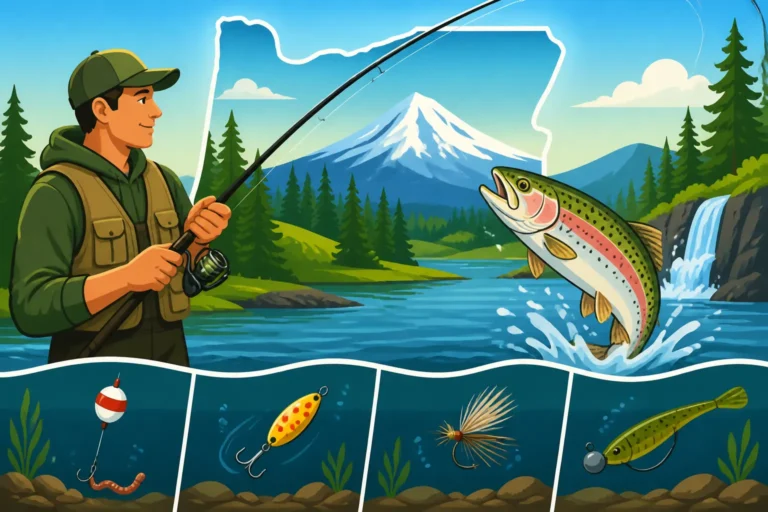
- Drift Fishing for Steelhead in Oregon: This is a very common and effective technique, where your bait or lure tumbles along the bottom with the current. For drift fishing, a leader length of 3-5 feet is a good starting point. You want enough length for your presentation to tumble naturally without being pulled unnaturally by your main line, but not so long that you can't feel the subtle "tick" of a bite on the bottom or that you're constantly snagging. In faster, shallower runs, you might go slightly shorter (3-4 feet) for better control and bite detection. In deeper, slower pools, or when fish are particularly spooky, extending to 5-6 feet can make a difference. The goal is to imitate a natural piece of food drifting downstream.
- Float Fishing for Steelhead in Oregon (Bobber Dogging/Jig Fishing): With float fishing, your presentation is suspended at a specific depth beneath a float or bobber. The leader length here is often defined by the depth of the water you're fishing. Your leader plus your main line to the float needs to be slightly longer than the depth you're targeting. For the actual leader section from your swivel/weight to your hook, 18 inches to 3 feet is typical. The idea is that the float dictates the depth, and a shorter leader here allows for good hooksets and reduces tangles, especially when casting or mending your line. If you're using a small jig under a float, for example, a 2-foot leader is often perfect. This method, often employed on coastal rivers like the Wilson or Nestucca, allows for precise depth control.
- Fly Fishing for Steelhead in Oregon: This is a whole different ballgame. Fly fishing leaders are typically tapered, meaning they start thick near the fly line and gradually get thinner towards the tippet, where your fly is tied. The total length of a fly fishing leader can range significantly, from 9 feet for standard setups to 12-15 feet or even more for technical dry fly or nymphing scenarios where maximum stealth is required. For spey casting or "swinging" flies for steelhead, your leader might be shorter (3-6 feet of level monofilament or fluorocarbon), connecting to a sinking tip. The taper helps transfer casting energy efficiently and allows for a delicate presentation. The tippet section, which is the thinnest part of the leader where you tie your fly, is often only 2-4 feet long, and is regularly replaced as you change flies or experience nicks. Knowing how to Fly Fish in Oregon is an art form, and leader setup is a major component.
River Conditions and Obstacles
Beyond water clarity and fishing technique, the actual physical layout of the river plays a huge role in your leader choice.
- Snags and Structure: Oregon's rivers are wild, and that means snags: submerged logs, rocks, brush, and old fishing line. If you're fishing a stretch notorious for snags, a slightly shorter leader (say, 3 feet for drift fishing) can sometimes give you a better feel for the bottom and help you avoid getting hung up as often. It also means less leader material exposed to abrasive surfaces. However, sometimes a longer leader can allow your bait to 'skip' over some obstacles, especially if your weight is designed to do so. It's a trade-off you learn to manage.
- Current Speed: In extremely fast currents, a shorter, stouter leader might offer more control and less drag, allowing your bait to get down faster and stay in the strike zone. In slower, deep pools, a longer, lighter leader can be crucial for achieving that natural drift without dragging unnaturally.
- Casting Room: This is a practical consideration. If you're bank fishing in an area with dense vegetation or overhead obstructions, a 6-foot leader is going to be a nightmare to cast effectively. You'll spend more time untangling your line from trees than actually fishing. In such cases, shortening your leader to 3-4 feet might be a necessary compromise to simply be able to get your offering into the water. This is particularly true when exploring some of the more intimate, brush-lined stretches of smaller coastal rivers.
Recommended Leader Lengths for Popular Oregon Steelhead Techniques
Now that we've covered the "why," let's get into some practical "how-to" advice for specific techniques you'll be using when chasing steelhead in Oregon. Remember, these are starting points, not rigid rules. The best anglers are always experimenting and adjusting.
Drift Fishing for Steelhead in Oregon
Drift fishing is a classic method for steelhead, involving bouncing your bait or lure along the river bottom. The key here is a natural, uninhibited drift that mimics a piece of food tumbling in the current.
- Standard Conditions (Moderate Clarity, Average Current): A good starting point for your leader here is typically 3.5 to 4.5 feet. This length offers a nice balance between stealth and control. It allows your bait, be it a cluster of roe, a yarnie, or a small plug, to move independently from your mainline and weight, presenting it naturally to holding fish. You can use a barrel swivel to connect your mainline to your leader, and then your lead weight (slinky, pencil lead, or split shot) above that swivel.
- Clear, Low Water Conditions: When the river runs clear, like sections of the North Umpqua or the colder, lower sections of the Deschutes, you'll want to extend that leader. Here, 5 to 6 feet can make a huge difference. The extra length provides more separation from your mainline, making your presentation much less obvious to wary fish. It can feel a bit unwieldy at first, especially if you're used to shorter leaders, but the added stealth is often worth the extra effort in casting. Always be mindful of your casting arc with these longer leaders to avoid tangles.
- High, Turbid Water: When the river is blown out or heavily stained after heavy rains, visibility is low. Here, you can actually shorten your leader to 2.5 to 3 feet. The fish aren't seeing your mainline anyway, and a shorter leader gives you better control in strong currents, reduces tangles with debris, and helps you feel those often subtle bites when fish are tucked into cover. This is also a situation where using slightly heavier leader material might be beneficial, as it can withstand more abrasion from rocks and debris.
When purchasing leader material for drift fishing, I often head to my local tackle shop or browse online at Amazon for my fluorocarbon and monofilament spools. It's good to have a few different breaking strengths on hand, from 8lb to 15lb, depending on the river and fish size.
Float Fishing for Steelhead in Oregon
Float fishing, also known as "bobber dogging" or "jig fishing," keeps your bait suspended at a specific depth, usually just off the bottom. This is incredibly effective for targeting fish holding in specific lanes or depths.
- Jig Fishing Under a Float: When fishing jigs, which are usually compact and designed to have an enticing action on their own, a leader length of 18 inches to 2.5 feet is often ideal. The shorter leader ensures a direct connection from your float to your jig, allowing for strong hooksets and minimizing slack. The float itself dictates the depth, so the leader's job is simply to present the jig effectively below it. This is a very popular technique for targeting Winter Steelhead in Oregon, especially on coastal rivers.
- Bait Fishing Under a Float (e.g., Roe, Yarnies): If you're using bait, you might extend the leader slightly to 2.5 to 3.5 feet. This allows the bait to drift a little more naturally, especially if it's a more buoyant presentation. The extra length can give the bait a bit more "swim" and appear less tethered to the float and weight system.
- Deep Water Applications: In very deep holes, while your main setup might involve a long section of mainline between your float and the weight, the leader from the weight to your hook generally stays in that 2 to 3.5-foot range. The overall depth is controlled by sliding your float stopper. The shorter leader section reduces the chance of tangles during long casts and retrieves, which can be an issue when you have a lot of line out.
Remember, the distance from your float to your weight should be adjusted so your bait is presented just above the snags on the bottom. Your leader is the final, crucial link in that chain.
Fly Fishing for Steelhead in Oregon
Fly fishing for steelhead is a captivating and often technical endeavor. Leader setups here are specialized, designed to transfer casting energy and present a tiny fly delicately.
- Indicator Nymphing: When indicator nymphing (using a strike indicator to detect bites), your total leader length from fly line to fly can be quite long, sometimes 9 to 12 feet. However, the tippet section, which is the monofilament or fluorocarbon tied directly to your fly, is typically 2 to 4 feet. This allows your weighted nymphs to sink quickly and naturally. The length of your total leader for nymphing is largely dictated by the depth of the water you're trying to fish; you generally want your indicator to be about 1.5 times the depth of the water from your fly.
- Swinging Wet Flies/Spey Fishing: For anglers swinging flies, often with two-handed Spey rods, the leader setup is different. Here, you'll often have a sinking tip (or poly leader) attached to your fly line. Your actual leader, from the end of the sinking tip to your fly, is usually much shorter, typically 3 to 6 feet of level monofilament or fluorocarbon. The idea here is to allow the fly to swing through the current naturally, with the sinking tip getting it down to the fish's level. A shorter, stronger leader is preferred to absorb the force of a powerful steelhead strike on a tight line. If you're learning how to Fly Fish the Metolius River, for example, your leader setup for trout might be very different from what you'd use for steelhead on the North Umpqua.
- Dry Fly Fishing (Rare, but Possible): While rare for steelhead, if you happen to be targeting them on dry flies (usually summer steelhead in specific conditions), you'd use a traditional tapered leader, often 9 to 12 feet long, with a tippet section of 3-5 feet. The long, tapered leader is essential for delicate presentations, ensuring the fly lands softly on the water without spooking the fish.
Knowing the nuances of leader materials and how they perform is just as important as the length. Often, a blend of materials is used, especially in fly fishing.
Fine-Tuning Your Leader and Other Considerations
Once you've got a grasp of the basic lengths, it's time to think about the details that can truly elevate your steelhead game. It's not just about the length, but also the material, the knots, and your willingness to adapt throughout the day.
Leader Materials and Visibility
The material you choose for your leader can be just as important as its length, especially when fish are finicky. There are two main players in the leader game:
- Fluorocarbon: This is often the top choice for steelhead leaders, and for good reason. Fluorocarbon has a refractive index very close to that of water, making it nearly invisible underwater. This is a massive advantage in clear water conditions or when fish are highly pressured. It's also denser than monofilament, meaning it sinks faster, which can be beneficial for getting your bait or lure down to the strike zone quickly. It's also more abrasion-resistant, which is a huge plus when fishing around rocks and submerged timber. The downside? It's generally less knot-friendly than mono and can be a bit stiffer, sometimes leading to more coils if not handled properly. I always keep a few spools of high-quality fluorocarbon from brands like Seaguar or Berkeley on hand, often sourced from Amazon for convenience.
- Monofilament (Mono): Monofilament is a more traditional leader material. It's generally more supple, easier to tie knots with, and less expensive than fluorocarbon. It's also more elastic, which can be a double-edged sword: it offers some shock absorption when a big steelhead hits, but it also reduces sensitivity, making it harder to detect subtle bites. While it's more visible than fluorocarbon, it can still be effective, especially in stained or darker water conditions where visibility isn't as critical. Some anglers prefer mono for certain float fishing setups because its slight buoyancy can help keep the bait suspended just a little higher.
When choosing between them, consider the conditions. For clear water and wary fish, fluorocarbon is usually king. For stained water, ease of use, or budget, monofilament is a perfectly viable option.
When to Adjust On The Fly
The river is a dynamic environment, and conditions can change rapidly. A sunny morning might give way to an overcast, rainy afternoon, or a heavy rain upstream could blow out the river you're fishing. Being able to adjust your leader length on the fly is a hallmark of a successful steelhead angler.
- Changing Water Clarity: If the water starts clear and then becomes turbid (or vice-versa), don't hesitate to change your leader. Shorten it for murky water, lengthen it for clear.
- Lack of Bites: If you're not getting any action and you've tried changing your bait or lure, then leader length is the next thing to experiment with. Sometimes an extra foot of stealth can turn a slow day into a productive one.
- Too Many Snags: If you're constantly getting hung up on the bottom, a slightly shorter leader might give you better feel and control, allowing you to lift your weight over obstacles. Alternatively, changing your weight system (e.g., from split shot to a slinky) might also help, but leader length can be part of the solution.
- Casting Issues: If you find yourself struggling to cast effectively due to overhanging branches or tight spaces, a slightly shorter leader can improve your casting accuracy and reduce tangles, getting your bait to the fish more consistently.
Always have pre-tied leaders ready, or be proficient at tying knots quickly on the water. This saves valuable fishing time and allows you to adapt swiftly. For anglers looking to understand more about specific river dynamics, checking out resources like the Oregon Fishing Regulations Explained can often give clues about typical conditions for different areas.
The Importance of a Good Knot
All the careful consideration of leader length and material goes out the window if your knots fail. A poorly tied knot is a weak point in your entire setup, and a big steelhead will find it. This is not the place to cut corners.
- Mainline to Leader: The connection between your mainline and your leader is critical. Popular and strong knots for this include the Double Uni Knot, the Blood Knot, or a FG Knot (though the FG is more common for braid-to-fluoro connections). Practice these at home until you can tie them quickly and reliably, even with cold fingers.
- Leader to Swivel/Lure/Hook: For attaching your leader to a swivel, lure, or hook, the Palomar Knot and the Improved Clinch Knot are workhorses. The Palomar is generally considered one of the strongest knots for terminal tackle, especially with fluorocarbon. Always moisten your knots with saliva before cinching them down tightly; this reduces friction heat, which can weaken the line.
Invest in a good pair of line clippers or sharp scissors. A clean cut prevents fraying that can compromise knot strength. After every few fish, or if you notice any nicks or abrasions, re-tie your leader. A fresh, strong knot is cheap insurance against losing that trophy steelhead. For more specific guidance on different angling approaches, an article like Oregon Fishing Techniques for Beginners could offer excellent foundational knowledge.
Leader Length at a Glance
To give you a quick reference point, here's a table summarizing common leader lengths based on conditions and techniques for Oregon steelhead fishing.
| Condition/Technique | Water Clarity | Recommended Leader Length (from weight/swivel to hook) | Notes |
|---|---|---|---|
| Drift Fishing | Clear, Low | 5-6 feet | Maximizes stealth; use fluorocarbon. |
| Moderate | 3.5-4.5 feet | Good all-around length. | |
| High, Turbid | 2.5-3 feet | Better control in current, fish rely less on sight. | |
| Float Fishing (Jigging) | All | 18 inches – 2.5 feet | Allows direct connection for hooksets, float controls depth. |
| Float Fishing (Bait) | All | 2.5 – 3.5 feet | Allows more natural bait movement. |
| Fly Fishing (Nymphing) | All (Tippet Only) | 2-4 feet | Part of a longer, tapered leader system; total length depends on depth. |
| Fly Fishing (Swinging) | All | 3-6 feet (level) | Attached to a sinking tip; strong for aggressive takes. |
Ultimately, mastering leader length for steelhead fishing in Oregon is about observation, experimentation, and a willingness to adapt. There's no single "best" length, because the best length changes with the river, the fish's mood, and your chosen method. Take these guidelines as your starting point, get out there on the water, and let the steelhead tell you what they prefer. It’s an ongoing conversation between angler and fish, and every successful hook-up is a lesson learned. You might find that a slightly different approach, like those discussed in How to Fish for Summer Steelhead on the Deschutes or How to Fish for Winter Steelhead on the Oregon Coast, calls for specific leader adjustments. Good luck out there, and tight lines!
Disclaimer
This article is for general informational purposes only and does not constitute professional advice. Laws, prices and regulations vary by location and change over time. Consult a qualified professional for guidance on your specific situation.