How to drift fish for steelhead
Catching steelhead, those elusive, powerful anadromous trout, can feel like a daunting challenge, especially if you're new to the game or just haven't quite cracked the code. Many anglers spend countless hours on Oregon's rivers, casting blindly and feeling frustrated when their efforts don't yield results. This comprehensive guide is here to demystify one of the most effective and widely used techniques for targeting these incredible fish: drift fishing, helping you approach the water with confidence and precision.
Understanding Drift Fishing for Steelhead
Drift fishing is more than just throwing a line in the water; it's an art form centered on presenting your bait or lure in the most natural way possible to steelhead holding in a river. When done correctly, it's incredibly effective because it mimics how natural food items would tumble downstream, directly into a steelhead's strike zone.
What Exactly is Drift Fishing?
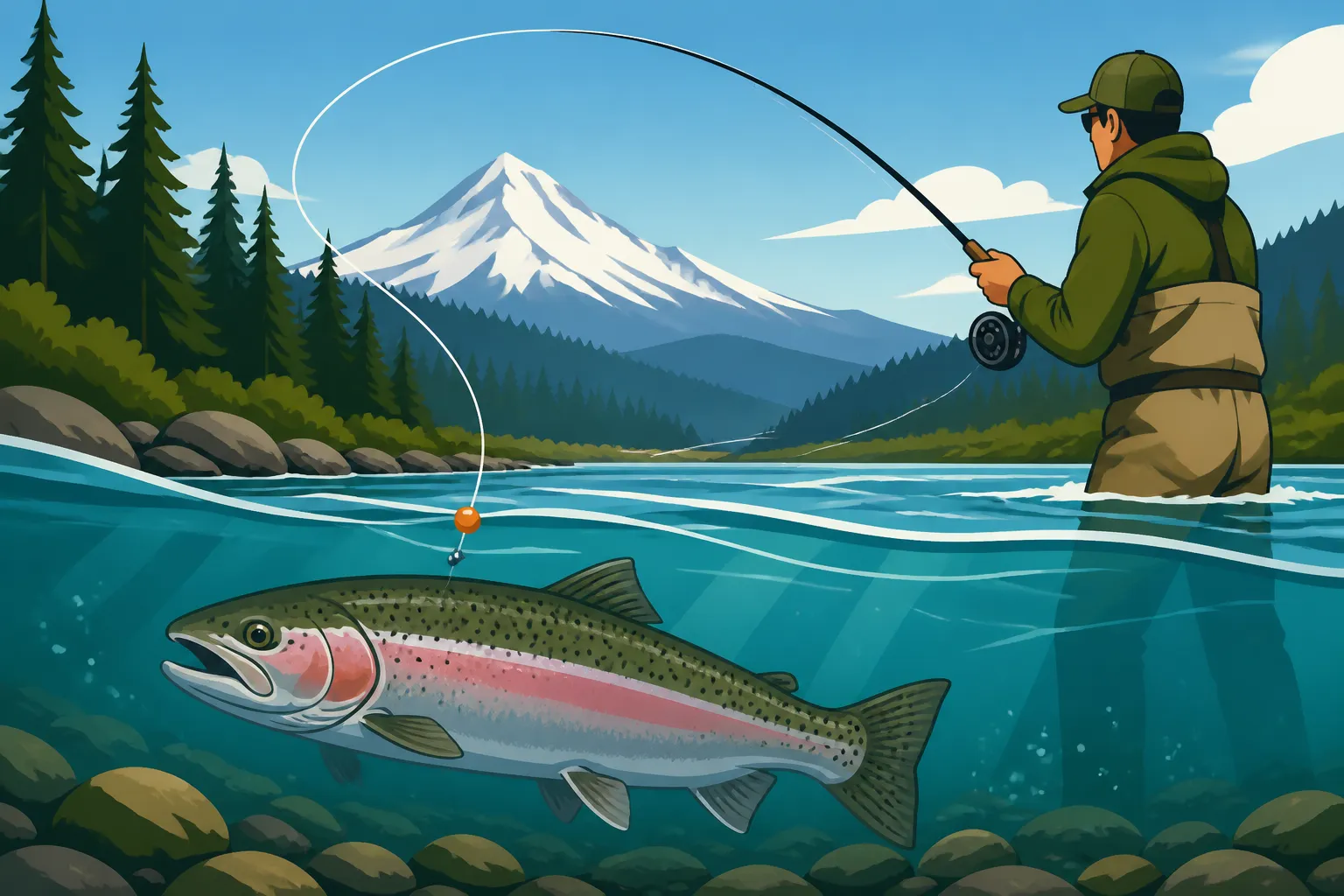
At its heart, drift fishing involves using just enough weight to bounce your offering along the bottom of the river, in sync with the current, without it snagging excessively or washing out too quickly. You're aiming for a "dead drift" or "controlled drift," where your bait or lure moves at the same speed as the surrounding water, making it appear entirely natural and irresistible to a waiting steelhead. This isn't about casting and reeling; it's about casting, mending your line, and letting the river do the work, guiding your presentation through prime fish-holding water.
Many folks get hung up on distinguishing drift fishing from other techniques like float fishing. While both aim for a natural presentation, float fishing typically suspends your bait under a bobber, keeping it off the bottom at a set depth. Drift fishing, on the other hand, relies on direct contact with the riverbed through your weight, allowing your offering to literally drift and tumble along the bottom, which is often where steelhead are holding, out of the main current. It's a subtle but crucial difference that allows you to target those specific pockets and depressions where steelhead seek refuge and ambush prey.
Why Drift Fishing Works So Well for Steelhead
Steelhead, being opportunistic feeders, are always on the lookout for an easy meal. When they're migrating upstream, they're often not actively feeding in the same way resident trout might be. Instead, they're reacting to instinct, territoriality, or an easy protein hit. A naturally drifting bait or lure appeals to these instincts perfectly.
Firstly, the natural presentation is key. Steelhead are incredibly wary; anything that looks unnatural or moves against the current will often be ignored. Drift fishing excels at mimicking dislodged insects, fish eggs, or other small food items that are swept downstream. Secondly, it allows you to cover a lot of water efficiently. By making casts upstream and letting your rig drift down, you can systematically work through entire runs, seams, and pockets that might hold fish. You're not just hoping a fish swims by your static bait; you're actively searching for them, bringing your offering directly into their living room. Finally, steelhead often hold in specific "lies" – spots behind boulders, in depressions, or along current seams where they can rest with minimal effort, waiting for food to come to them. Drift fishing places your bait right in these sweet spots, giving a resting steelhead little time to think before making a move.
Essential Gear for Successful Steelhead Drift Fishing
Having the right equipment makes all the difference when you're trying to fool a powerful steelhead. It's not just about having a rod and reel; it's about having a balanced setup that allows for sensitivity, control, and the ability to handle a strong fight.
Rod and Reel Setup
Your rod and reel are the foundation of your drift fishing arsenal. For steelhead, you need a setup that can cast light weights, detect subtle bites, and absorb the powerful runs of a chrome bright fish.
For a rod, you're generally looking for something between 8 to 10 feet long, with a medium-light to medium power and a moderate-fast action. The extra length helps with line control, mending, and absorbing shock during a fight. A graphite rod is almost universally preferred for its sensitivity, allowing you to feel every bump on the bottom and, crucially, those incredibly faint steelhead bites. Brands like Lamiglas, Shimano, and G. Loomis offer excellent choices, but you can find solid options for any budget. When picking a rod, consider the rivers you'll fish most often. If you're on smaller, brushier streams, a shorter rod might be more manageable. For wide-open big rivers like the mainstem Columbia, a longer rod helps cast further and control your drift better. You can find a wide array of options on Amazon, often with detailed reviews to help you choose.
When it comes to reels, both spinning and baitcasting setups have their devotees. Spinning reels are generally easier for beginners to master, especially when casting lighter weights. A good quality spinning reel in the 2500-4000 size range, with a smooth drag system and a decent retrieve ratio, will serve you well. For those with more experience, a baitcasting reel offers superior line control, especially when precisely placing casts or working specific seams. Look for a reel with a smooth, consistent drag and a comfortable retrieve. The drag system is paramount; it needs to be able to give line smoothly under pressure to prevent break-offs when a steelhead decides to run for the ocean again.
Line Choices: Mainline, Leader, and Knots
Your choice of fishing line is critical for sensitivity and strength. You'll typically be using two types of line: a mainline on your reel and a leader tied to your hook.
For mainline, many anglers opt for braided line, typically 20 to 30 lb test. Braid has almost no stretch, which provides incredible sensitivity, allowing you to feel even the most delicate tap. Its thin diameter also cuts through the water better, helping you maintain a cleaner drift. However, braid is visible to fish, so you'll always need a leader. Alternatively, some prefer monofilament in the 10-15 lb test range. Mono offers more stretch, which can act as a shock absorber during a fight, but it sacrifices some sensitivity.
The leader is where fluorocarbon truly shines. Fluorocarbon is nearly invisible underwater due to its refractive index being similar to water, making it perfect for wary steelhead. It's also abrasion-resistant, a huge plus when your rig is bouncing along the rocky bottom. For steelhead drift fishing, a fluorocarbon leader of 8 to 12 lb test is standard. The length of your leader can vary, but generally, 24 to 48 inches is a good starting point, allowing your bait to drift a little more freely from your main weight.
As for knots, practice makes perfect! Reliable knots are essential to prevent break-offs. The Palomar knot is excellent for tying hooks and swivels to your leader. The Improved Clinch knot is another strong option for terminal tackle. To connect your fluorocarbon leader to your braided mainline, a Blood knot or an FG knot are excellent choices, but for ease and reliability on the water, many anglers opt for a small barrel swivel, tying the mainline to one end and the leader to the other. Just remember to trim tags closely!
Terminal Tackle: Weights, Swivels, and Hooks
This is where the "drift" truly happens. Your terminal tackle configuration is what gets your bait to the fish and keeps it in the strike zone.
Weights: The goal is just enough weight to tick the bottom without constantly snagging. Slinky weights are incredibly popular for drift fishing because their flexible, cylindrical design allows them to roll over rocks and snags more easily than traditional lead sinkers. Pencil lead, often cut to custom lengths, serves a similar purpose. For lighter presentations or specific conditions, split shot can be crimped onto your leader. The amount of weight needed depends entirely on the current speed and depth of the water you're fishing. It's common to carry a range of weights and adjust as you move between different sections of the river. A good assortment of weights can be easily found on Amazon.
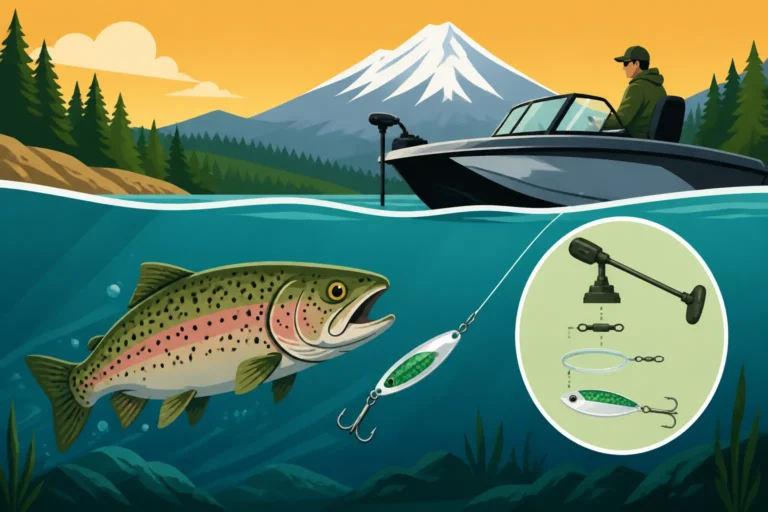
Swivels: Small barrel swivels are your friend. They prevent line twist, which can be a nightmare when you're casting repeatedly in current. A quality swivel acts as a connection point between your mainline/braid and your fluorocarbon leader, giving you flexibility in your rig.
Hooks: For steelhead, a sharp, strong hook is non-negotiable. Octopus-style hooks, often in sizes #1 to 2/0, are popular due to their wide gap and efficient hook-setting properties. Many anglers also use specialized baitholder hooks for keeping natural baits secure. It's absolutely crucial to remember that in many Oregon steelhead fisheries, barbless hooks are mandatory, especially when targeting wild steelhead or in specific catch-and-release areas. Always check the current Oregon Fishing Regulations Explained for the specific river or zone you plan to fish to ensure compliance. Not using barbless hooks can lead to significant penalties.
Baits and Lures for Drift Fishing
What you put on your hook is what ultimately entices a steelhead to bite. The options are vast, but some stand out as consistent producers for drift fishing.
Natural Baits:
- Cured Roe (Salmon Eggs): This is arguably the most popular and effective natural bait for steelhead. The scent and natural appeal of salmon eggs are hard to beat. You can buy them pre-cured or cure your own for maximum freshness and customization.
- Sand Shrimp: Another incredibly effective bait, particularly in coastal rivers. Their natural scent and appearance are very attractive to steelhead.
- Worms: Nightcrawlers or chunks of garden worms can also work, especially after rain events when natural worms might be washed into the river.
Artificials:
- Pink Worms: These soft plastic worms, often 4 to 6 inches long, are an absolute staple. Their undulating action in the current and vibrant color make them highly visible and tempting.
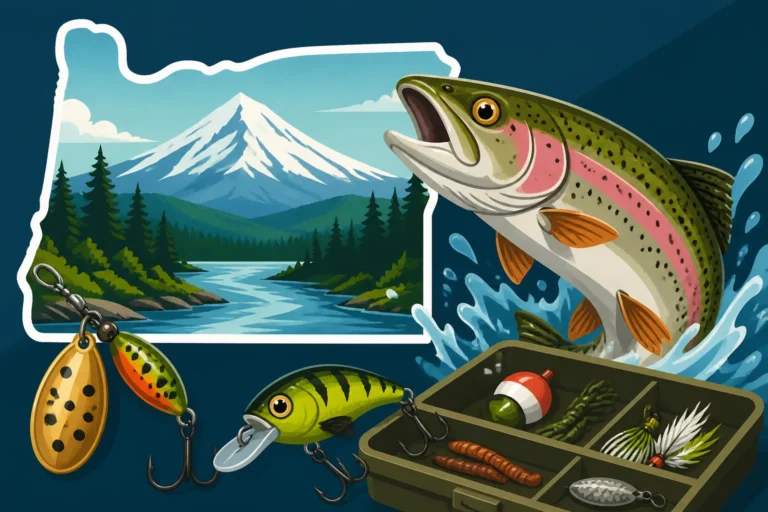
- Cheaters (Drift Bobbers) and Corkies: These small, buoyant foam or plastic floats are threaded directly onto your leader, just above your hook. They help lift your bait slightly off the bottom, preventing snags and adding a splash of color. They're often fished in tandem with a small piece of roe or yarn.
- Small Beads: Mimicking fish eggs, beads are fished similarly to Corkies, often in bright colors like red, orange, or pink.
- Jigs: Small marabou or rabbit fur jigs, often 1/8 to 1/4 ounce, can be incredibly effective when drifted. The pulsating action of the fur in the current is irresistible to steelhead. You can tip them with a small piece of bait for added appeal.
The key with both natural and artificial baits is to match the hatch or at least present something that looks natural in the given conditions. Water clarity, temperature, and even time of year can influence what colors and sizes work best. For a deeper dive, check out our Oregon Bait and Lure Guide for more detailed strategies.
Mastering the Art of Drift Fishing for Steelhead in Oregon Rivers
Drift fishing isn't just about the gear; it's about understanding the river and executing the technique with finesse. It's a skill that improves with practice and observation.
Reading the Water: Where Steelhead Hold
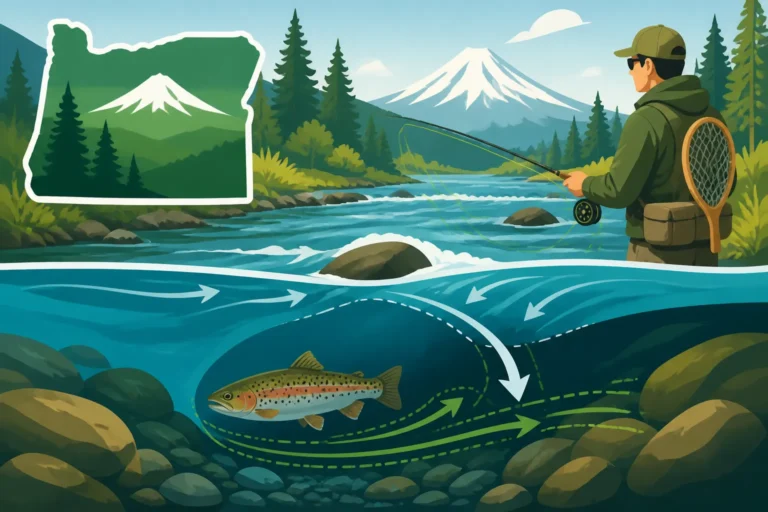
This is perhaps the most crucial aspect of successful steelhead fishing. Steelhead aren't everywhere; they hold in specific spots that offer them cover, reduced current, and easy access to food. Learning to "read the water" means identifying these prime holding lies.
Look for changes in current speed and depth. Steelhead will often be found in:
- Current Seams: The line where fast water meets slow water. Steelhead will sit in the slower water, darting out into the faster current to intercept food.
- Rock Pockets and Boulders: Any obstruction that breaks the current creates a quiet zone behind it where a steelhead can rest.
- Tailouts: The shallower, faster water at the end of a deep run, often where fish stage before moving into the next pool.
- Logjams and Submerged Cover: These provide excellent ambush points and protection.
- Deep Runs and Pools: Especially those with a varied bottom contour. Steelhead might be anywhere from just off the bank to in the deeper channels.
When approaching a run, take a moment to observe. Where is the current strongest? Where are the eddies and slack water? Visualize where your drift will take your bait and try to imagine a steelhead waiting there. Remember, stealth is your ally. Approach the river quietly, avoid casting long shadows over the water, and don't stomp around on the bank. These fish are easily spooked.
The Perfect Cast and Presentation
Once you've identified a promising spot, it's time to put your rig in the water. The ideal cast is typically an upstream or up-and-across cast, allowing your weight to hit the bottom and your bait to begin its natural drift before it reaches the suspected holding lie.
- Cast Upstream: Aim your cast about 20-40 feet upstream of where you believe the fish are, and slightly upstream of the seam you want to target.
- Mend Your Line: As your weight sinks and your drift begins, you'll immediately want to "mend" your line. This involves flipping or lifting your rod tip to throw a belly of slack line upstream, allowing your main line to float on the surface without pulling your weight and bait out of sync with the bottom current. Mending is key to avoiding "drag," which makes your bait look unnatural.
- Feel the Bottom: This is where sensitivity comes in. You want to feel your weight lightly ticking along the bottom. If you're not feeling anything, you might not have enough weight or your line is dragging too fast. If you're constantly snagging, you might have too much weight or are drifting too slowly. Adjust your weight as needed.
- Follow the Drift: Keep your rod tip pointed towards your line and follow your drift with your rod. This allows you to maintain contact with your bait and react quickly to a bite. The goal is for your line to be relatively straight from your rod tip to the point where your weight is ticking the bottom.
Differentiating a bite from a snag is one of the biggest challenges for beginners. A snag usually feels like a solid stop or a heavy pull. A steelhead bite, especially a subtle one, can feel like a light tick, a spongy stop, or a slight change in the rhythm of your weight bouncing along. If in doubt, set the hook! It's better to set on a snag than miss a fish.
Setting the Hook and Fighting Steelhead
When you finally feel that distinctive tap or a sudden stop that screams "fish!" you need to react decisively.
Setting the Hook: Don't hesitate. A quick, firm sweep of the rod, either straight up or to the side, is usually all it takes. You don't need a massive, jarring hookset; a smooth, powerful sweep will drive the hook home.
Fighting Strategies: Steelhead are incredibly powerful and acrobatic fighters.
- Keep Tension: Once hooked, always maintain tension on the line. A slack line is an invitation for the fish to throw the hook.
- Use the Rod: Let your rod do the work. The bend in the rod acts as a shock absorber, protecting your line and tiring the fish.
- Apply Pressure: Don't be afraid to apply pressure, but do it intelligently. Try to steer the fish away from snags and towards open water. If a fish runs upstream, try to follow it. If it runs downstream, you may need to apply more side pressure or even walk downstream with it to stay in control.
- Be Patient: Steelhead often make multiple powerful runs. Wait until the fish tires and comes to the surface before attempting to land it.
- Landing the Fish: For catch-and-release, use a rubberized net to minimize harm to the fish. If you intend to harvest, make sure it's a legal hatchery fish (often identified by a clipped adipose fin) and dispatch it quickly and humanely. Always consult the Oregon Catch-and-Release Rules for best practices to ensure the fish's survival.
Oregon-Specific Considerations for Drift Fishing Steelhead
Fishing for steelhead in Oregon comes with its own set of rules, popular spots, and seasonal nuances that every angler needs to understand. The Beaver State offers some incredible opportunities, but success often hinges on being well-informed.
Regulations and Endorsements
First and foremost, you absolutely need an Oregon Fishing License Guide. For steelhead, you'll also require an Oregon Combined Angling Tag, which is an endorsement that allows you to harvest certain species, including steelhead, up to specific limits. This tag is crucial for legal retention. Understanding the Oregon Combined Angling Tag Guide is paramount.
Oregon's fishing regulations are complex and can vary significantly from one river to another, and even within different sections of the same river. It's not uncommon for rules to change seasonally or even on an emergency basis due to fish returns or environmental conditions. You might encounter:
- Barbless Hook Requirements: As mentioned earlier, this is common in many steelhead fisheries, especially for wild fish.
- Catch-and-Release Only Areas: Some rivers or sections may be designated for catch-and-release only, often to protect vulnerable wild stocks.
- Hatchery vs. Wild Fish: Many rivers distinguish between hatchery-reared steelhead (marked with a clipped adipose fin) which can often be retained, and wild steelhead, which are usually catch-and-release only. Learning to identify these is essential.
- Daily and Annual Bag Limits: There are strict limits on how many steelhead you can keep per day and per year.
Before you ever wet a line, always check the current Oregon Department of Fish and Wildlife (ODFW) regulations for your specific body of water. You can find the most up-to-date information on their website or by picking up a physical regulation booklet. Ignoring these rules can lead to significant Oregon Fishing Violations and Penalties.
Popular Oregon Rivers for Drift Fishing
Oregon is blessed with an abundance of fantastic steelhead rivers, each with its own character and prime drift fishing opportunities.
Coastal Rivers: These are perhaps the quintessential Oregon steelhead drift fishing destinations, particularly for winter steelhead. Rivers like the Wilson River Fishing Guide, Nestucca River, and Siletz River are renowned for their powerful winter runs. These rivers often feature classic steelhead water with deep pools, gravel runs, and plenty of structure perfect for drifting. They are also popular for How to Fish for Winter Steelhead on the Oregon Coast.
Willamette Valley and Tributaries: Rivers like the Clackamas River and Sandy River, both easily accessible from the Portland area, offer great opportunities for both winter and summer steelhead. While often larger, they still have numerous drift fishing friendly sections.
Southern Oregon Rivers: The legendary Rogue River, a true gem of Southern Oregon, is another prime spot for steelhead. Its diverse waters, from broad runs to boulder-strewn rapids, provide excellent drift fishing for both summer and winter runs.
Columbia River System: While vast, the Columbia River and its tributaries, such as the Deschutes River, are also incredible steelhead destinations. The Deschutes, famous for its summer steelhead, often requires precise drift presentations in its clear, flowing waters.
Seasonal Timing for Drift Fishing
Steelhead fishing in Oregon is primarily a seasonal pursuit, dictated by the fish's migration patterns. Understanding these seasons is key to planning your trips. For detailed dates, always refer to the Oregon Fishing Season Dates and Limits.
Winter Steelhead: These fish typically enter Oregon's coastal and lower Columbia tributaries from late fall through spring, with peak runs often in December, January, and February. Winter steelhead are often larger and incredibly powerful. Rivers are typically higher and often colored from rain, which can make brighter baits and scent more effective. For more on this, check out Winter Steelhead Run Timing in Oregon.
Summer Steelhead: These fish enter rivers from late spring through early fall, with peak runs in July, August, and September, particularly on rivers like the Deschutes, Sandy, and Clackamas. Summer steelhead are known for their acrobatic fights in warmer, clearer water. Lighter leaders, more subtle presentations, and smaller baits or flies often work best in these conditions.
Water conditions are paramount. Always check river flow and clarity reports before heading out. High, muddy water can make drift fishing difficult and less effective, while extremely low, clear water demands a very subtle approach. The Oregon Department of Fish and Wildlife website often provides current conditions or links to USGS flow data, which can be invaluable.
Table: Popular Drift Fishing Baits and Lures for Oregon Steelhead
| Bait/Lure Type | Description | Best Use | Pros | Cons |
|---|---|---|---|---|
| Cured Roe (Eggs) | Clusters of salmon or steelhead eggs, often scented or colored. | All seasons, especially effective in colored or high water. | Highly natural scent and appeal; steelhead instinctively strike. | Can be messy; requires careful rigging; sometimes difficult to keep on hook. |
| Pink Worms | Soft plastic worms (4-6 inches), usually in pink or orange. | All seasons, good in a variety of water conditions. | Highly visible; great action in current; durable; easy to rig. | No natural scent (unless added); less subtle than natural bait. |
| Sand Shrimp | Whole or pieces of fresh or brined sand shrimp. | Primarily coastal rivers, year-round. | Very strong natural scent; highly effective when present in the river. | Can be delicate; requires frequent re-baiting; harder to find fresh. |
| Corkies / Cheaters | Small buoyant foam/plastic floats, often used with yarn or small bait. | All seasons, helps lift bait off bottom in rocky areas. | Adds color and buoyancy; prevents snags; durable. | No inherent attraction; needs to be paired with scent/bait/yarn. |
| Small Jigs | Marabou or rabbit fur jigs (1/8 – 1/4 oz), in various colors. | Clearer water, summer steelhead, can be tipped with bait for winter. | Excellent pulsating action; very versatile; can imitate various prey. | Less scent than natural bait; requires precise jigging/drift technique. |
| Beads | Plastic or glass beads (6-12mm) mimicking single eggs. | Clearer water, subtle presentation. | Very natural look; simple rig; durable. | No inherent scent; may be overlooked in turbid water. |
Disclaimer
Fishing regulations, conditions, and fish populations can change rapidly. Always consult the most current Oregon Department of Fish and Wildlife (ODFW) regulations before engaging in any fishing activity. This guide is for informational purposes only and does not supersede official regulations. Stay safe and respect the environment.