When is sturgeon retention season on the Columbia
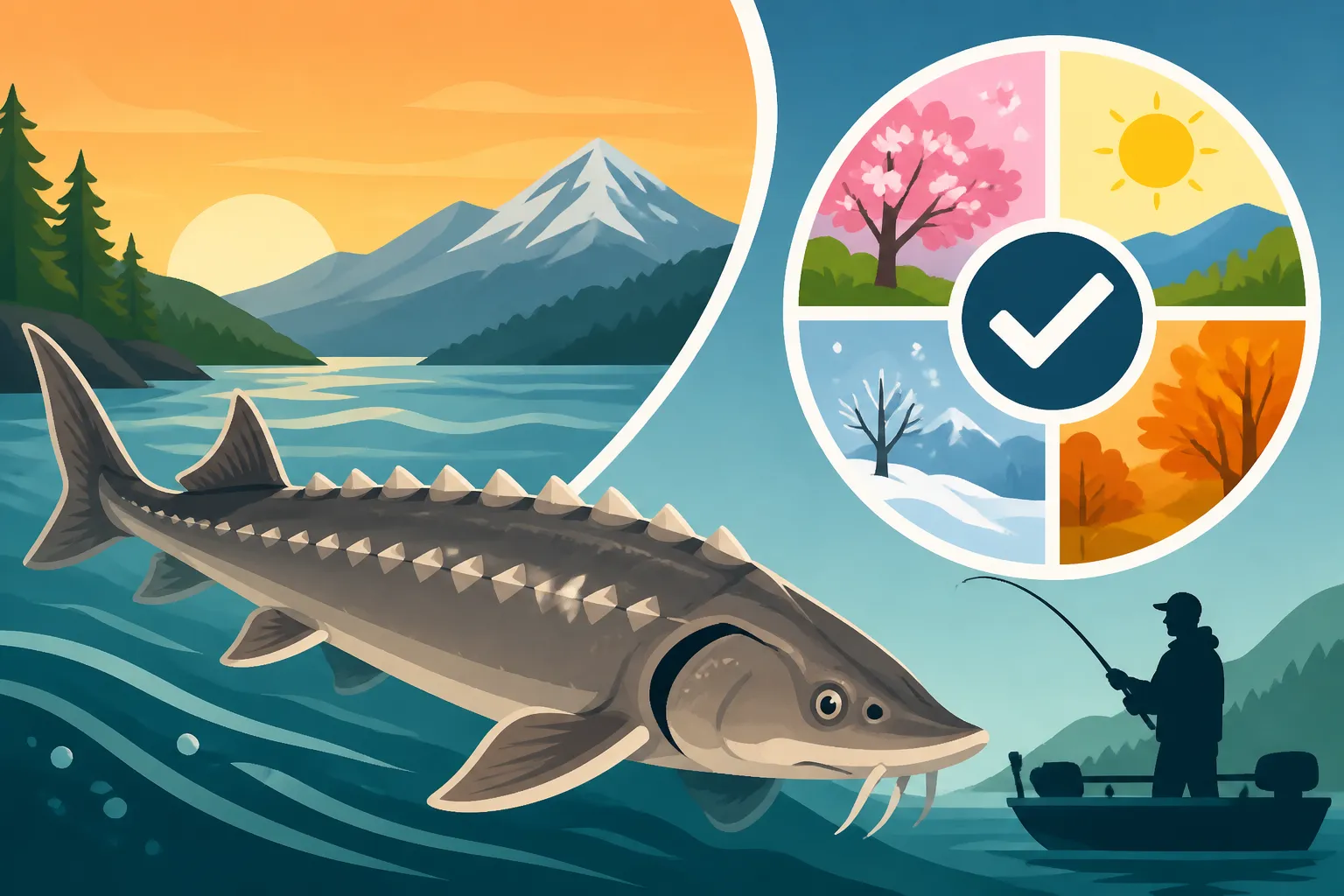
One of the biggest headaches for any angler on the mighty Columbia River is trying to figure out if, and when, you can actually keep a sturgeon. It's not like trout season where you often have predictable dates. Sturgeon retention on the Columbia is a constantly shifting puzzle of regulations, zones, and very tight windows, leaving many of us scratching our heads. This guide is here to untangle that knot, walking you through the intricate details of when you might be able to retain a sturgeon on the Columbia River, why it's so complex, and how to stay on top of the ever-changing rules.
Understanding the Columbia River Sturgeon Retention Season
Let's be real, trying to pin down the exact sturgeon retention season on the Columbia River can feel like a moving target. It's rarely a straightforward "open season" like you find for many other fish species. Instead, it's a carefully managed fishery, often with very limited opportunities for recreational anglers to keep a sturgeon, and sometimes, no retention is allowed at all. This isn't just to be difficult; it's deeply rooted in the need to protect and rebuild sturgeon populations, which have faced significant challenges over the years.
Why Sturgeon Seasons Are So Complicated
The complexity of sturgeon retention seasons stems directly from conservation efforts. White sturgeon, in particular, are long-lived fish that take many years to reach maturity. Their populations can be slow to recover from declines, making them highly vulnerable to overfishing. Both Oregon and Washington, which share management of the Columbia River, are committed to ensuring the long-term health of this iconic species.
Because of this, retention opportunities are usually determined based on rigorous annual population assessments. Biologists count fish, analyze spawning success, and monitor overall health trends. If a population isn't robust, retention will be scaled back or eliminated entirely to allow more fish to survive and reproduce. This means the season can fluctuate wildly year to year, sometimes opening for just a few days, a few weeks, or not at all in certain areas. It's a testament to the dedication to conservation, but it certainly doesn't make planning your fishing trips any easier. The goal is to strike a delicate balance: allow some harvest while ensuring the species' survival.
Key Regulatory Bodies and Jurisdictions
Managing a river like the Columbia, which forms the border between two states, means dual oversight. In Oregon, the Oregon Department of Fish and Wildlife (ODFW) is the primary authority, while across the river in Washington, it's the Washington Department of Fish and Wildlife (WDFW). These two agencies work in concert to set regulations for the shared waters of the Columbia.
This collaboration is essential because sturgeon don't recognize state lines. Their management requires joint agreements on harvest quotas, season dates, and slot limits to ensure consistent rules and effective conservation across the river. However, this also means that you often need to check both states' regulations, especially if you plan to fish from a boat that might drift between jurisdictions or access different ramps. Both ODFW and WDFW will publish their joint agreements and specific regulations, and understanding this shared responsibility is the first step in navigating the complex rules.
Current and Recent Sturgeon Retention Season Information
When you're trying to figure out the Columbia River sturgeon retention season, forget about looking for a calendar with fixed dates that repeat every year. It just doesn't work that way for this magnificent species. Instead, retention opportunities are highly dynamic, usually announced annually – and sometimes even adjusted mid-season – based on very precise harvest guidelines and population estimates. For recreational anglers, the reality is that opportunities to retain a sturgeon have become increasingly limited in many parts of the river, a clear sign of the ongoing conservation efforts.
Generally, you'll find that retention seasons, when they do occur, are incredibly specific, often limited to certain days of the week, short timeframes, and precise geographic zones along the river. These decisions are carefully made by the Oregon Department of Fish and Wildlife (ODFW) and the Washington Department of Fish and Wildlife (WDFW) after assessing the health of the sturgeon population in each specific section of the river.
Specific Zone-by-Zone Retention Periods
The Columbia River is segmented into distinct fishing zones, and each zone has its own unique set of regulations for sturgeon retention. What's open in one pool might be strictly catch-and-release in another, and these rules can change from one year to the next. This hyper-local approach means you absolutely must know which section of the river you're fishing.
- Lower Columbia River (Mouth to Bonneville Dam): This is often the most restricted area for recreational sturgeon retention. In many recent years, the Lower Columbia has been entirely catch-and-release for white sturgeon for recreational anglers, outside of specific tribal fisheries. This is due to the particular vulnerability of the sturgeon population in this large, open stretch of the river. If retention is allowed, it’s typically for very short durations and with extremely tight quotas.
- Bonneville Pool (Bonneville Dam to The Dalles Dam): Retention opportunities tend to be a bit more common here than in the Lower Columbia, but they are still highly regulated. Seasons might open for a few days a week, often limited to specific months, and always with a strict quota. Once the quota is met, the season closes, sometimes with very little notice. For example, in some recent years, there have been short retention seasons in late spring or early summer, but these are announced well in advance (usually early in the calendar year) and strictly enforced.
- The Dalles Pool (The Dalles Dam to John Day Dam): Similar to the Bonneville Pool, retention here is quota-driven and often limited. Anglers will typically see specific days of the week when retention is allowed, along with precise slot limits. It's crucial to consult the annual fishing regulations for the exact dates and times.
- John Day Pool (John Day Dam to McNary Dam): This section also follows the quota-based system. Historically, it has offered some limited retention, again, with specific open days and stringent slot limits.
It’s truly critical to consult the most current regulations from ODFW or WDFW before heading out. An example of how complicated it gets might be a recent year where the Bonneville Pool was open for sturgeon retention on Tuesdays, Thursdays, and Saturdays in May, but only until a specific harvest guideline was reached. Meanwhile, the Lower Columbia remained catch-and-release.
Daily and Annual Retention Limits and Size Restrictions
Even when retention is allowed, you won't just be able to keep any sturgeon you catch. There are very specific limits on how many fish you can keep and, crucially, the size of those fish. This is known as a "slot limit" and it's designed to protect both the small, immature sturgeon and the large, spawning-size broodstock.
Here's a breakdown of common restrictions you'll encounter:
- Slot Limit: This is the most important rule. For white sturgeon retention on the Columbia, you're usually only allowed to keep fish that fall within a very specific size range. For instance, a common slot limit might be 44 to 50 inches fork length (measured from the tip of the nose to the fork of the tail). Fish smaller than the minimum or larger than the maximum must be immediately released unharmed. This protects both young fish still growing and mature, breeding fish that are vital for future generations.
- Daily Bag Limit: Almost universally, when retention is allowed, the daily bag limit for white sturgeon on the Columbia River is one fish. This is a strict rule to distribute harvest among more anglers and keep overall numbers down.
- Annual Harvest Card and Limits: To ensure individual anglers don't overharvest sturgeon, both Oregon and Washington utilize annual harvest cards or tags. In Oregon, this is often covered by the Oregon Combined Angling Tag Guide. You typically get an annual limit of one or two retained sturgeon per year across all waters (including the Columbia). Each time you retain a sturgeon, you must immediately record it on your license or combined angling tag. Failure to do so can result in significant penalties. These Oregon Fishing Regulations Explained are serious, and authorities like game wardens can check your compliance.
Here’s a table that provides a hypothetical example of how retention limits might look, emphasizing that these change annually:
| Columbia River Zone | Retention Season (Hypothetical Example) | Daily Limit | Annual Limit (across all zones) | Slot Limit (Fork Length) | Required Tags |
|---|---|---|---|---|---|
| Lower Columbia | Closed for recreational retention (often C&R only) | N/A | N/A | N/A | Oregon Combined Tag |
| Bonneville Pool | May 15 – June 30 (Tues, Thurs, Sat only, quota-based) | 1 | 1 | 44-50 inches | Oregon Combined Tag, Oregon Sturgeon Tag Requirements |
| The Dalles Pool | April 1 – May 15 (Fri, Sat, Sun only, quota-based) | 1 | 1 | 44-50 inches | Oregon Combined Tag, Oregon Sturgeon Tag Requirements |
| John Day Pool | March 15 – April 30 (Daily, quota-based) | 1 | 1 | 44-50 inches | Oregon Combined Tag, Oregon Sturgeon Tag Requirements |
Please remember: This table is a HYPOTHETICAL EXAMPLE to illustrate the complexity. Always check current ODFW and WDFW regulations for actual dates and limits.
You also need the proper fishing license. Don't forget your Oregon Fishing License Guide and any required endorsements, especially if you're fishing in the Columbia River Basin. For specific species like sturgeon, you might also need specific Oregon Catch Record Card Requirements or tags, which is covered in the Oregon Sturgeon Tag Requirements guide. This applies even for juvenile anglers, as the Oregon Fishing Rules for Kids and Seniors outlines.
Navigating the Rules and Planning Your Trip
Given the highly variable nature of Columbia River sturgeon retention seasons, simply looking at last year's regulations is a recipe for disappointment. You need to be proactive and informed, because nothing is more frustrating than heading out on the water, having an incredible day, only to realize you’re breaking the rules, or worse, that the season closed yesterday. Anglers often face the challenge of remembering specific dates, slot limits, and knowing when an emergency closure might occur.
Essential Resources for Up-to-Date Regulations
This is where your homework really pays off. Relying on word-of-mouth or outdated information can cost you a prized catch, or worse, lead to fines. Both Oregon and Washington make extensive efforts to publish and update their fishing regulations as quickly as possible.
- Official Agency Websites: Your absolute go-to sources are the official websites for the Oregon Department of Fish and Wildlife (ODFW) and the Washington Department of Fish and Wildlife (WDFW). They publish the annual sport fishing regulations, which include detailed information on all species, including sturgeon. Crucially, they also issue "Regulation Updates," "Emergency Rules," or "News Releases." These are vital because sturgeon seasons are often quota-based and can close with very little warning once the predetermined harvest numbers are met. You can often sign up for email or text alerts from these agencies, which is an excellent way to get real-time updates directly to your phone.
- Annual Regulation Booklets: Pick up a physical copy of the Oregon Sport Fishing Regulations booklet. You can usually find these at license vendors, ODFW offices, and many sporting goods stores like Fishermen's Marine & Outdoor or Bi-Mart. While the printed booklet is a great starting point for the general rules, always cross-reference with online updates for sturgeon. These booklets will also detail the Oregon and Washington License Reciprocity on the Columbia rules, which are important when fishing the shared border.
- Local Bait and Tackle Shops: Don't underestimate the wisdom of your local bait shop in places like Astoria, The Dalles, or Hood River. Shop owners and staff are often anglers themselves, deeply connected to the local fishing scene, and usually the first to hear about regulation changes or hot bites. They can offer practical advice and point you to the most current information.
- Social Media and Forums: Many ODFW and WDFW district offices maintain social media pages where they post timely updates. Additionally, reputable online fishing forums dedicated to Columbia River fishing can be great places to get real-time information from fellow anglers. Just remember to always verify any information you find on forums with official sources.
Gear and Preparation for Sturgeon Retention Fishing
Fishing for sturgeon, especially for retention, requires some specific gear beyond your basic trout setup. These are big, powerful fish, and you need to be prepared to handle them responsibly, whether you're keeping them or releasing them.
- Heavy Duty Rod and Reel: You'll need a stout rod and a reel capable of handling heavy lines and big fish. A medium-heavy to heavy action rod, usually 7 to 9 feet long, paired with a large baitcasting or conventional reel spooled with 60-100 pound braided line is standard. This setup helps you manage the fight without overtiring the fish too much, which is critical for their survival if released.
- Strong Terminal Tackle: Think heavy leaders (80-150 lb test monofilament or fluorocarbon), robust swivels, and strong, large hooks (5/0 to 9/0 circle hooks are common and highly recommended for sturgeon to reduce gut-hooking). Many anglers find it convenient to buy pre-tied sturgeon leaders or make their own. You can find excellent quality hooks and leader material on platforms like Amazon if your local shop is out of stock.
- Appropriate Bait: Sturgeon are bottom feeders with an excellent sense of smell. Popular baits include squid, sand shrimp, smelt, herring, and even lamprey. Always check local regulations for any bait restrictions, especially if you're in areas with specific rules.
- Measuring Device: This is non-negotiable for retention fishing. You need an accurate tape measure or a marked mat to confirm your sturgeon falls within the legal slot limit. For consistency, most regulations specify "fork length." Having a reliable, easy-to-read measuring device is crucial, and you can easily find high-quality, durable options for this on Amazon.
- Gloves and Pliers: Heavy-duty gloves protect your hands from the rough skin and sharp scutes of a sturgeon. Long-nosed pliers or jaw spreaders are essential for safely removing hooks.
- Large Landing Net or Tail Rope: A net large enough to safely cradle a sturgeon (many sport fishing nets aren't big enough) or a specialized tail rope/snare is often used to bring a sturgeon alongside the boat for measuring and handling. This minimizes stress on the fish.
- Plan for Retention: If you plan to retain a legal sturgeon, you'll need a large cooler with plenty of ice to keep the fish fresh. These fish are big, so make sure your cooler is up to the task!
Remember, the goal is always to maximize the fish's chances of survival, whether you're keeping it or releasing it. Preparation isn't just about catching; it's about responsible angling.
Catch-and-Release vs. Retention: The Bigger Picture
Even when sturgeon retention is open, many anglers choose to practice catch-and-release, and there are many reasons why this is a fantastic choice for the health of the fishery. Sturgeon are magnificent, prehistoric fish that can live for decades, even over 100 years, and grow to incredible sizes. The experience of battling and then carefully releasing one of these giants is often just as rewarding, if not more so, than keeping it.
Ethical Angling Practices for Sturgeon
Whether you're retaining or releasing, ethical handling is paramount for sturgeon. Their long lifespan and slow maturity rates mean that every fish, especially the larger ones, contributes significantly to the population's future. Our actions on the water directly impact their survival.
- Minimize Fight Time: Use appropriate gear (as discussed above) to land the fish as quickly as possible without "horsing" it in. An overly long fight can exhaust a sturgeon to the point where it cannot recover.
- Keep the Fish in the Water: This is perhaps the single most important rule for catch-and-release sturgeon fishing. Sturgeon are incredibly sensitive to being out of water, which can damage their internal organs and gills. If you must take a photo, do it quickly with the fish partially submerged. Avoid dragging them onto sandy or rocky banks.
- Use Circle Hooks: Circle hooks are highly effective for sturgeon and significantly reduce the chance of gut-hooking. When a fish bites, simply start reeling; the hook will typically set itself in the corner of the mouth. This makes hook removal easier and safer for the fish.
- Safe Hook Removal: Use long-nosed pliers or a de-hooking tool to gently remove the hook. If the hook is deeply set and removal would cause significant damage, it's often better to cut the line as close to the hook as possible.
- Proper Measuring: If you're measuring for retention, do so quickly and carefully while the fish is in the water, or on a wet, padded surface. Ensure your measuring tape or stick is accurate and easy to read.
- Revive If Necessary: If a sturgeon seems lethargic after the fight, hold it gently in the water, facing upstream into the current, until it regains its strength and can swim away on its own. Never just toss it back if it's not ready.
By following these practices, you're not just being a responsible angler; you're actively contributing to the conservation of this incredible species, ensuring that future generations can also experience the thrill of How to fish for sturgeon on the Columbia River.
The Future of Columbia River Sturgeon Fishing
The future of sturgeon retention on the Columbia River is intrinsically linked to the ongoing health of its populations. While strict regulations and limited retention can be frustrating for anglers eager to take a fish home, they are vital for ensuring these populations can rebuild. Both ODFW and WDFW continue to invest in research and monitoring programs to better understand sturgeon biology and population dynamics.
There's a constant balancing act between angler opportunity and conservation needs. As populations hopefully improve, we might see slightly expanded retention opportunities in certain zones. However, it's likely that sturgeon fishing on the Columbia will remain largely a catch-and-release fishery, with any retention opportunities remaining highly controlled, specific to zones, and subject to annual review. This proactive management, combined with ethical angling practices from dedicated individuals like you, is our best bet for ensuring that the mighty sturgeon continues to thrive in the Columbia River for many, many years to come. Remember to always consult the Oregon Daily Bag Limits Explained and all official regulations to ensure you're fishing legally and responsibly.
Disclaimer
Fishing regulations change frequently. This guide provides general information and examples. Always check the current Oregon Department of Fish and Wildlife (ODFW) and Washington Department of Fish and Wildlife (WDFW) regulations before planning your fishing trip to ensure compliance with the most up-to-date rules.