Best lures for smallmouth bass on the John Day River
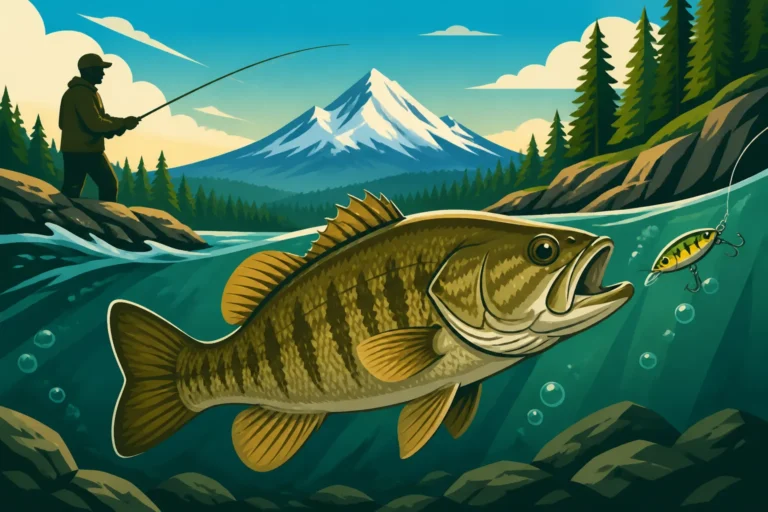
Many anglers head to the John Day River with visions of hard-fighting smallmouth bass, only to find themselves scratching their heads when the bites aren't coming. It's frustrating to know those feisty fish are there, but figuring out what to throw and how to present it can feel like a guessing game. This guide is all about cutting through that confusion, giving you the insider scoop on the best lures for smallmouth bass on the John Day River and how to make them irresistible to those bronze beauties.
Understanding John Day Smallmouth Bass Behavior
It’s not just about throwing a lure; it’s about understanding the fish you’re trying to catch. Smallmouth bass in the John Day are wild, opportunistic, and incredibly responsive to their environment. Knowing why they bite certain lures at certain times is half the battle won. Ignoring their natural rhythms is like trying to convince a teenager to clean their room before they’ve had their morning coffee – it’s just not going to happen!
Seasonal Patterns and Water Conditions
The John Day River is a dynamic system, and the smallmouth bass behavior shifts dramatically with the seasons and water conditions. What works in the high, cold flows of spring won't necessarily cut it in the warm, clear water of late summer. These fish are masters of adaptation, and so must you be.
In the spring, as water temperatures rise from their winter lows, smallmouth bass become more active and start to move into shallower areas to feed and eventually spawn. During this pre-spawn and spawn period, they're often aggressive, but can also be finicky if water levels are fluctuating rapidly or if a surprise cold front pushes through. Think about how you feel when the weather keeps changing – a little out of sorts! They'll often be found near rocky areas or submerged wood where they can quickly ambush prey. As spring turns to summer, the water levels typically drop, and the river clears up, making the fish more wary and reliant on stealth. This is when finesse presentations and lighter lines really shine. They'll hold in deeper pockets, behind current breaks, or under shady banks, seeking refuge from the bright sun and lower water. Fall brings another feeding frenzy as fish prepare for winter, and they'll often chase bigger baits to pack on calories. Always check the current river conditions before you go; what worked last week might not work today, and understanding the general Oregon Fishing Seasons Explained can give you a leg up.
Preferred Structure and Habitat
Smallmouth bass are quintessential structure-oriented fish, and the John Day River offers an abundance of their favorite hideouts. These fish are masters of using the river's contours, rocks, and current seams to their advantage, both for feeding and for staying out of sight from predators (or, let's be honest, you).
You'll typically find smallmouth bass relating to rocky bottom, large boulders, submerged logs, and undercut banks. Look for areas where the current creates eddies or slack water pockets directly adjacent to faster flows. These are prime ambush points where bass can wait for food to drift by without expending too much energy. Think about large basalt columns, extensive rock gardens, or even small feeder creeks dumping into the main river after a rain. The John Day, with its volcanic history, has no shortage of such prime real estate. Understanding these holding patterns is critical for knowing where to cast your chosen lure. If you're drifting downstream in a boat, pay close attention to the transitions in the riverbed and any visible structure. These are the spots where a hungry smallmouth is most likely to be lurking, patiently waiting for an easy meal to swim by. Learning How to read water for trout fishing can also offer transferable skills for spotting smallmouth haunts.
Top Lure Categories for John Day Smallmouth
Alright, let's get down to the brass tacks: what lures actually work on the John Day? It’s tempting to just grab a handful of shiny things, but the truth is, a few select categories consistently outperform the rest when targeting these feisty river smallmouth. Remember, the goal isn't just to catch a fish, but to consistently entice the aggressive strikes smallmouth are famous for!
Soft Plastics: Versatility is Key
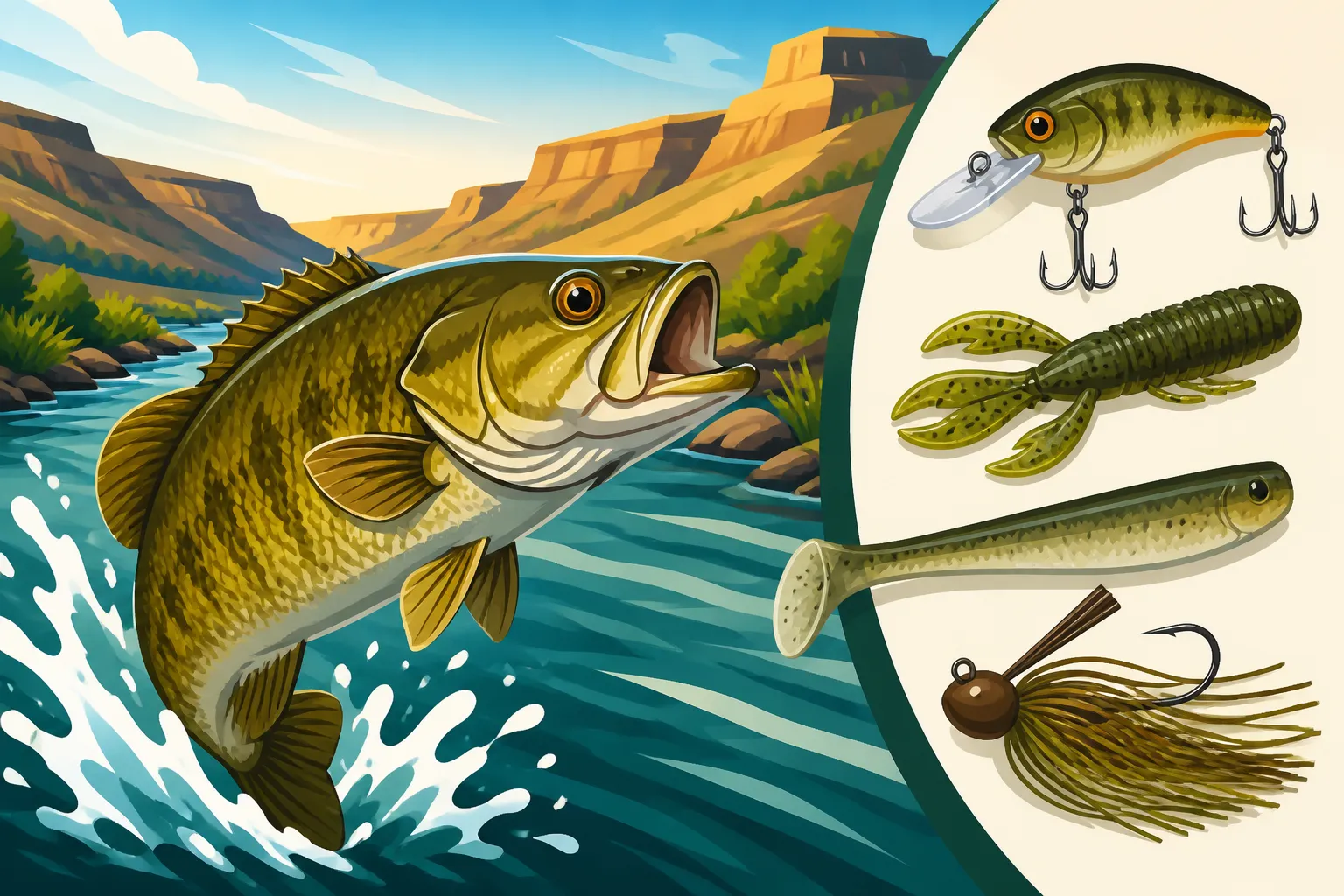
When in doubt, start with soft plastics. These are incredibly versatile and can imitate everything from crawfish to baitfish, which are staples in the John Day smallmouth diet. Plus, they offer a natural feel that fish tend to hold onto longer, giving you that crucial extra second to set the hook.
- Grubs and Tubes: These are absolute smallmouth magnets. A 3-4 inch grub (single or double tail) in colors like pumpkinseed, green pumpkin, or motor oil on a 1/8 to 1/4 ounce jig head is a killer setup. Tubes, especially in darker colors that mimic crawfish, are fantastic when fished with an internal jig head or Texas-rigged along rocky bottoms. The key is to let them drift naturally with the current, occasionally hopping them or dragging them slowly. Smallmouth often hit these on the fall or when they are resting on the bottom, so pay close attention to any subtle "thump" or slack in your line. You can find excellent selections of grubs and tubes on Amazon, offering a huge variety of colors and sizes.
- Creature Baits and Senkos: For a more substantial profile, creature baits (like a small crawfish imitation) or stickbaits (like a Gary Yamamoto Senko) can be deadly. Rigging a Senko weightless or lightly weighted and letting it sink slowly in current breaks or deeper pools often produces explosive strikes. Smallmouth can be surprisingly picky, and sometimes a subtle, natural presentation is what it takes to fool them. They especially shine when the bite is tough, or the water is clear and calm, making them less prone to chasing fast-moving baits. The natural quiver of a Senko on the fall is simply irresistible.
Crankbaits and Jerkbaits: Covering Water
If you need to cover a lot of water quickly or want to provoke a reaction strike from aggressive fish, crankbaits and jerkbaits are your go-to options. These lures are designed to mimic fleeing baitfish and create a disturbance that smallmouth can't resist, often triggering strikes out of pure instinct.
- Shallow-Diving Crankbaits: Look for crankbaits that dive 2-6 feet, perfect for the shallower runs and riffles of the John Day. Colors that mimic local baitfish (like natural shiner or perch patterns) or crawfish (browns, reds, oranges) are excellent choices. Retrieve them with a steady pace, occasionally pausing or bumping them off rocks to trigger a strike. Brands like Rapala or Strike King offer reliable options that consistently produce. The erratic deflection off structure often seals the deal, mimicking a panicked baitfish. A good selection of these can be found on Amazon.
- Jerkbaits: These are fantastic for suspended fish or when you want to impart a specific, stop-and-go action. A good jerkbait, twitched and paused, can draw strikes from fish that are otherwise unwilling to commit. Try suspending jerkbaits in clear water where fish can see them from a distance; the pause is often when the strike occurs, so be ready for that sudden jolt! They can be particularly effective during cooler water temperatures when fish are less willing to chase a consistently fast retrieve but will hammer an easy, wounded meal.
Topwater Lures: Explosive Action
There’s nothing quite as exhilarating as a smallmouth bass exploding on a topwater lure. The visual thrill of seeing a fish blow up on your bait is truly addictive! These are best used in low-light conditions (early morning, late evening) or on overcast days, particularly in calmer water sections where the fish feel comfortable feeding on the surface.
- Poppers and Walkers: Poppers, like the Heddon Super Spook Jr. or Rebel Pop-R, create a 'chug' and splash that drives smallmouth wild. Work them with short, sharp pops and then let them sit, allowing the ripples to dissipate. Walk-the-dog style lures (like a Zara Spook) glide side-to-side across the surface, an irresistible, wounded-baitfish action for predatory fish. The John Day offers plenty of calm pools and back eddies perfect for these lures. Remember, patience is key with topwater; let the ripples dissipate before your next twitch, and be prepared for that heart-stopping strike!
- Prop Baits: These lures have small propellers at one or both ends that churn water, creating a commotion similar to a wounded baitfish or buzzing insect. They can be incredibly effective when retrieved steadily or with stop-and-go actions. Especially useful in areas with a slight current or when fish are actively looking up for prey. The audible disturbance they create can attract bass from a surprising distance.
Spinnerbaits and Jigs: All-Rounders
These categories are workhorses in any smallmouth angler's tackle box, offering versatility and effectiveness in various conditions. They are reliable producers when other, more specialized lures might not be hitting the mark.
- Spinnerbaits: Perfect for covering water, especially when there's some wind or cloud cover, or even a bit of stain in the water. The flash and vibration of the blades (Colorado, Willow Leaf, or Indiana) can call fish in from a distance. Use colors like white, chartreuse, or natural baitfish patterns. They are great for bumping off submerged rocks and timber without getting snagged, making them ideal for the John Day's rocky terrain. Look for 1/4 to 3/8 ounce sizes for most John Day applications. You can often find multi-packs of spinnerbaits on Amazon, which is a great way to build your collection.
- Jigs (Hair Jigs & Football Jigs): A simple hair jig or a football jig tipped with a soft plastic trailer (like a craw or grub) can be deadly. These are fantastic for probing deeper holes, current seams, and drop-offs where bass might be holding tight to the bottom. The key is to maintain bottom contact and impart a subtle hopping or dragging motion. Hair jigs are particularly effective in clear, cold water, mimicking small baitfish or nymphs with their natural, pulsating undulation. They are a classic for a reason and incredibly effective when you need to slow down and really pick apart a piece of structure. This type of fishing often rewards patience.
Here’s a quick overview of some top lure choices for the John Day:
| Lure Type | Best Conditions | Action/Presentation | Key Features |
|---|---|---|---|
| Soft Plastics | Clear water, finicky fish, mimicking crawfish/baitfish | Slow drag, hop, drift, weightless sink | Natural feel, subtle action, versatile rigging |
| Crankbaits | Covering water, aggressive fish, moderate current | Steady retrieve, deflect off structure | Vibrating action, varying dive depths, baitfish/craw patterns |
| Jerkbaits | Suspended fish, clear water, reactionary strikes | Twitch-pause retrieve, erratic movements | Suspending action, mimic wounded baitfish |
| Topwater | Low light, calm water, aggressive surface bites | Popping, walking-the-dog, steady retrieve (prop baits) | Explosive strikes, high visibility, loud surface commotion |
| Spinnerbaits | Windy, overcast, stained water, covering water | Steady retrieve, bump structure | Flash and vibration, weedless design |
| Jigs | Deeper water, current seams, targeting bottom-dwellers | Hop, drag, swim, maintain bottom contact | Natural profile, versatile with trailers, good for targeting structure |
Advanced Tips for Lure Presentation and Strategy
Having the right lure is only part of the equation. How you present it, where you cast it, and your overall strategy will often make the difference between a frustrating day and a fantastic one. Smallmouth bass are incredibly intelligent, and learning to "read" the river and adjust your approach is what separates good anglers from great ones. It's about thinking like a fish, anticipating their moves, and making your offering simply too good to pass up.
Matching the Hatch and Forage
Just like fly fishing for trout, smallmouth bass fishing often benefits tremendously from "matching the hatch." This means consciously using lures that closely resemble the actual food sources available to the bass at that particular time and location. It's about offering them what they're already eating, not what you wish they were eating.
In the John Day River, smallmouth bass primarily feed on crawfish, various minnows (like sculpins and dace), and aquatic insects. Pay close attention to what you see along the banks or in the shallows. If you spot crawfish scuttling around, a brown or orange tube jig or creature bait suddenly becomes a much more compelling choice. If you see schools of baitfish flickering in the shallows, then a silver or natural colored shallow crankbait or a soft plastic swimbait could be your best bet. Even if you don't see the actual forage, observing the river ecosystem can give you clues. For example, if there are lots of bugs buzzing around, a topwater bug imitation might work, or a dark-colored jig could mimic a nymph drifting downstream. Consider the size of the prey as well; smaller baits often work better when the water is clearer or the fish are finicky, while larger offerings can tempt a trophy smallmouth looking for a big, easy meal. This concept is a core part of effective Oregon Bait and Lure Guide strategies.
Reading the River and Spot Selection
The John Day River is a tapestry of varied water, and knowing where to cast is as crucial as what to cast. Understanding features like current, depth, and cover is paramount. Just randomly chucking a lure out there is a surefire way to come home empty-handed and frustrated.
Smallmouth bass are ambush predators by nature. They'll actively position themselves in places where food is naturally funneled to them, or where they can hide from the main current and then dart out to strike unsuspecting prey. Look for current breaks: behind large boulders, submerged logs, in eddies, or along seams where fast water meets slow water. These are prime feeding lanes that act like conveyor belts for food. Also, pay attention to subtle depth changes, pronounced drop-offs, and undercut banks that offer both shade and cover. Even a slight ripple line or color change in the water can indicate a subtle depth change or current seam where fish might be holding. Don't be afraid to cast into areas that look "fishy," even if they seem difficult to reach. Sometimes, the hardest-to-reach spots hold the biggest fish because they experience less angling pressure. Moving quietly and observing the water before making your first cast can give you a significant advantage. The less you disturb the water, the more likely you are to surprise an unsuspecting bass. For broader context, checking Oregon Fishing Zones Explained can help you understand general river characteristics.
Varying Retrieve and Presentation
You've got the right lure and you've cast it to the perfect spot. Now, how do you make that lure come alive and convince a bass to strike? This is where retrieve and presentation become art, not just science. No two days are exactly alike on the river, and what worked an hour ago might not be working now. Adaptability is your best friend.
Start with a standard retrieve for your chosen lure, but don't be afraid to constantly experiment. For soft plastics, try slow dragging along the bottom, then quick hops, then letting it sit completely still for a count of five. For crankbaits, vary your speed, incorporate sudden pauses, or try "rip and stop" techniques that make the lure dart erratically. Jerkbaits are almost entirely about the twitch-twitch-pause rhythm; play with the length of the pause. For topwater, sometimes a slow, deliberate walk or pop is best, while other times an aggressive, splashy retrieve will truly trigger a strike. Pay close attention to how the bass are reacting, or not reacting. Are they chasing but not committing? Slow down, or try a smaller lure. Are they hitting short? Speed up, or change the lure size or color. The fish will tell you what they want if you pay close enough attention. Sometimes, it’s a subtle change in your retrieve that makes all the difference between an empty hookset and a screaming reel. Remember, these fish are wild; they're not always going to respond to the same thing in the same way, especially if How river flow affects steelhead fishing (and by extension, bass) changes.
Essential Gear Considerations Beyond Just Lures
While lures are often the stars of the show, they're only as good as the equipment you pair them with. Having the right rod, reel, and line can significantly improve your sensitivity, casting distance, and overall success rate, especially when you're battling those hard-fighting John Day smallmouth in current. Skimping on these fundamental pieces of gear can turn a potentially great day into a series of missed bites and lost fish.
Rod and Reel Setup
Choosing the right rod and reel can truly elevate your smallmouth game. It's about finding that crucial balance of power and sensitivity – enough backbone to control a fish, but enough feel to detect the most subtle takes.
For general smallmouth fishing on the John Day, a medium-light to medium power spinning rod, 6'6" to 7'2" in length, is an excellent all-around choice. This rod power gives you enough backbone to fight feisty bass in current but still offers the sensitivity needed to detect subtle bites, especially with lighter lures like soft plastics. Pair this with a 2000 or 2500 size spinning reel. A good reel will have a smooth drag system, which is absolutely crucial for preventing break-offs when a big smallmouth makes a powerful, unexpected run. If you're primarily throwing heavier crankbaits or spinnerbaits, a medium-heavy baitcasting setup might be more appropriate, offering more control and casting power for heavier offerings. However, for most John Day applications and general versatility, a spinning combo is often more user-friendly and forgiving, especially when you need to make precise casts with lighter offerings. You can find many reputable rod and reel combos on Amazon for various budgets.
Line Selection
Line choice is often overlooked by newer anglers but plays a huge role in your success, influencing everything from casting distance to how naturally your lure presents and, ultimately, whether you land the fish. It's the invisible connection between you and the fish, so choose wisely!
- Fluorocarbon (6-10 lb test): This is arguably the best choice for smallmouth bass on the John Day, especially in its typically clear waters. Fluorocarbon is nearly invisible underwater, extremely sensitive, and offers excellent abrasion resistance – a huge plus when fishing around rocky structure that can easily fray other lines. Its low stretch allows for better feel for detecting light bites and more solid hooksets. It's a fantastic main line for spinning reels or as a leader material if you're using braided line.
- Braided Line with Fluorocarbon Leader (10-20 lb braid, 6-10 lb fluoro leader): Many experienced anglers prefer braided line as their main line for its incredible strength-to-diameter ratio and zero stretch. This combination provides maximum sensitivity for detecting the lightest bites and powerful, direct hooksets. However, braid is highly visible to fish, so a 4-6 foot fluorocarbon leader is essential to connect your lure to the main line, keeping your presentation stealthy. Learning how to tie a good braid-to-fluoro knot (like an FG or Alberto knot) is a worthwhile investment of your time. This setup offers the best of both worlds – sensitivity and invisibility.
- Monofilament (6-8 lb test): While less common for dedicated smallmouth anglers due to its higher visibility and stretch, monofilament still has its place, particularly when fishing topwater lures, as it floats. It's also generally more forgiving for beginners, absorbing some of the shock of a sudden strike or powerful head shake from a feisty bass. For a simple setup, it's reliable, but you might sacrifice some feel.
Remember, the John Day is a wild river, and these smallmouth fight incredibly hard. Make sure your knots are solid, your drag is set correctly, and you’re always mindful of the Oregon Fishing Regulations Explained for daily bag limits (which for smallmouth are often quite generous, or even unlimited, given their invasive status in some Oregon waters) and other specific rules. Knowing how to safely handle and release fish is also key to ensuring healthy populations for future trips, especially since John Day River smallmouth bass fishing often involves a lot of catch and release. Have a good pair of pliers or forceps to remove hooks quickly and safely, minimizing stress on the fish. Getting out there and experimenting with these different lures and techniques is truly the best way to learn what works best for you on the incredible John Day River. Check out current river conditions and fishing reports before you head out, and you’ll be well on your way to a memorable smallmouth experience.
Disclaimer
Fishing conditions and regulations in Oregon can change. Always consult the latest official Oregon Department of Fish and Wildlife (ODFW) regulations before heading out. This guide is for informational purposes only and should not replace official ODFW publications.