How to catch smallmouth bass in Oregon rivers
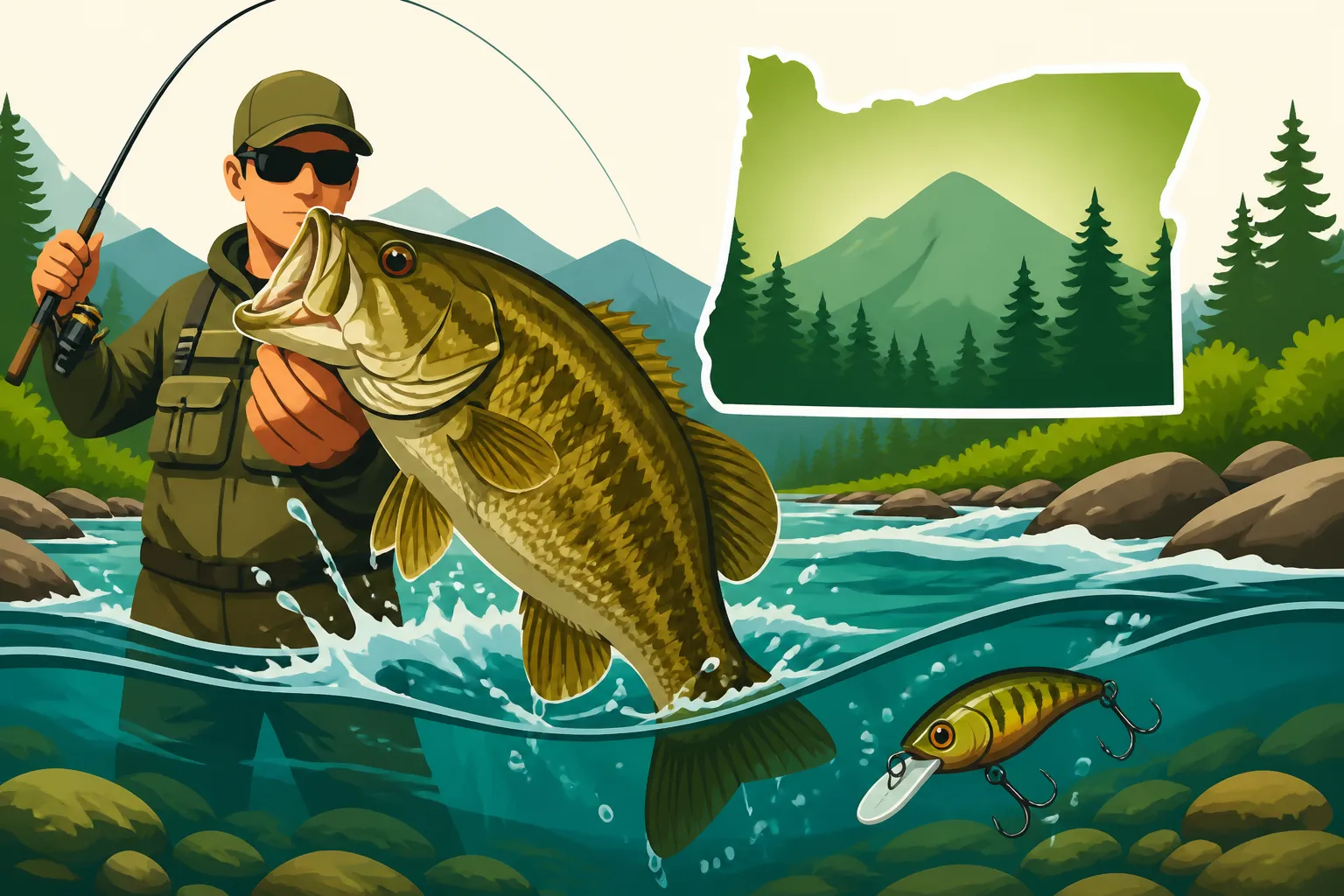
Many anglers in Oregon get a little tunnel vision, understandably so, when it comes to salmon, steelhead, or trout. But if you're overlooking the incredible action that smallmouth bass offer in our rivers, you're truly missing out on some fantastic fishing! These feisty bronzebacks provide consistent, aggressive strikes and a thrilling fight, often in stunning river settings. This comprehensive guide is here to unravel the secrets to successfully catching smallmouth bass in Oregon's diverse river systems, ensuring your next trip is a memorable one.
Understanding Oregon's Smallmouth Bass Rivers
When you think of fishing in Oregon, big salmon and powerful steelhead often come to mind, but the state's rivers also hold some phenomenal smallmouth bass populations. These aren't the sluggish largemouth you might find in still ponds; river smallmouth are lean, mean, fighting machines, perfectly adapted to current. Knowing where they thrive and what features they prefer is the first step to a successful outing.
Where Smallmouth Thrive in Oregon Rivers
Oregon's smallmouth bass populations are predominantly found in warmer, rockier river systems, particularly east of the Cascades, but also in certain sections of larger western rivers. The undisputed king for smallmouth in Oregon is often considered the John Day River. This river, known for its incredible scenery and abundant smallmouth, offers miles of prime habitat. The Umpqua River also boasts strong smallmouth numbers, particularly in its middle and lower reaches, where currents slow and rocky structures provide ideal ambush points. You'll find them in sections of the Willamette River, especially in the rocky stretches and tributaries, and even parts of the Rogue River.
It's worth noting that in many of these systems, smallmouth bass are considered an introduced, non-native species. In some cases, like parts of the John Day, the Oregon Department of Fish and Wildlife (ODFW) actively encourages anglers to harvest smallmouth bass without a size or daily limit to help protect native fish species. This is a crucial distinction from the often strict catch-and-release rules applied to native trout or steelhead. For more details on the ecological impact, you might want to read our article on Is smallmouth bass invasive in Oregon? which goes into depth on this topic. Understanding these nuances can significantly impact your approach to a day on the water.
Key River Features Smallmouth Bass Prefer
Smallmouth bass are ambush predators, and their behavior is heavily influenced by current and structure. When you're on the river, you need to develop an eye for "fishy" water. Here are the prime spots where you're likely to find them:
- Current Seams and Eddies: Smallmouth love to sit just out of the main current in slower water, waiting for food to be swept by. Look for the distinct line where fast water meets slow water – these are called current seams. Eddies, which are pockets of reverse current behind large boulders or points, are also fantastic holding spots.
- Rocky Bottoms and Boulders: Smallmouth are often called "bronzebacks" or "rock bass" for a reason. They associate heavily with rocks. Areas with lots of submerged boulders, gravel beds, and ledges provide cover from predators and current, as well as prime ambush points for unsuspecting baitfish or crawfish.
- Submerged Wood and Log Jams: While rocks are king, submerged logs, brush piles, and root wads also offer excellent cover. Bass will position themselves in these spots, darting out to grab a meal. Be prepared for snags, but don't shy away from pitching lures into these areas.
- Riffles and Pools: The transition areas between shallow, fast-moving riffles and deeper, slower pools are often hotbeds for smallmouth. Fish will hold in the deeper, slower water of the pool, especially near the head where the riffle dumps in, picking off food. The tail-outs of pools, where water begins to speed up again, can also be productive.
- Undercut Banks: Erosion can create fantastic overhangs along riverbanks, providing shaded cover and a secure hideout for bass. These are often overlooked but can hold some quality fish.
Learning to "read the water" is an art form that comes with practice. Take your time to observe the current, identify structures, and think about where a smallmouth would comfortably sit to conserve energy while waiting for its next meal.
Essential Gear for River Smallmouth Angling
Getting geared up correctly for smallmouth bass in Oregon rivers doesn't require breaking the bank, but having the right tools for the job can make a world of difference in your success and enjoyment. These fish are fighters, and you'll want tackle that can handle their aggressive nature and the challenging river environment.
Rods, Reels, and Line Configurations
Your rod and reel setup is the core of your fishing arsenal. For river smallmouth, versatility and durability are key.
- Rods: Most anglers opt for a medium-light to medium-heavy power spinning or baitcasting rod, typically between 6'6" and 7'6" in length. The longer rods are great for casting distance and managing line in current, while shorter rods can offer more pinpoint accuracy in tight spots. A fast action tip is usually preferred as it provides sensitivity for detecting subtle bites and enough backbone to set the hook firmly against a strong current. Brands like Fenwick, St. Croix, or even some of the more affordable options available on Amazon, offer excellent choices for smallmouth rods that balance sensitivity and power.
- Reels: For spinning setups, a 2000-3000 series reel is a good all-around choice, balancing line capacity with a comfortable retrieve. Baitcasting reels in a 100-200 size range are also excellent, particularly if you're throwing heavier lures or fishing in strong currents. The key is a smooth drag system that can absorb those powerful runs from a river smallmouth.
- Line: This is often a personal preference, but a common and effective setup is 10-20 lb braided main line with an 8-12 lb fluorocarbon leader. The braid offers incredible sensitivity and casting distance, while the fluorocarbon leader is virtually invisible underwater and provides abrasion resistance against rocks and logs. Alternatively, some anglers prefer straight monofilament line in the 8-12 lb range for its stretch and knot strength. Don't underestimate the importance of your line; a cheap, weak line will lead to frustration and lost fish.
Top Lures and Baits for River Smallmouth
Smallmouth bass are opportunistic feeders, and they'll hit a wide variety of presentations. Carrying a selection of lures will prepare you for different conditions and moods of the fish.
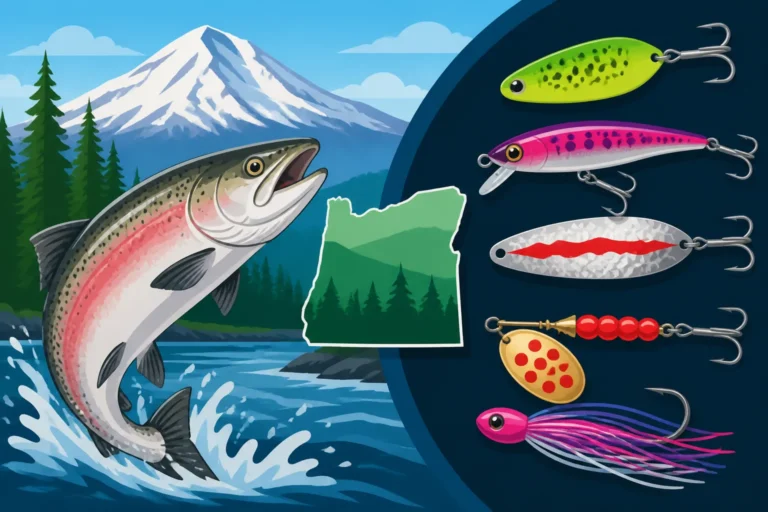
- Crankbaits: These are fantastic for covering water and eliciting reaction strikes. Square bill crankbaits are particularly effective in rocky rivers as they deflect off cover without getting hung up as easily. Medium-diving crankbaits that reach 4-8 feet are often ideal. Look for natural crawfish patterns, shad colors, or bright chartreuse for stained water. You can find a huge variety of quality crankbaits on Amazon that are proven smallmouth producers.
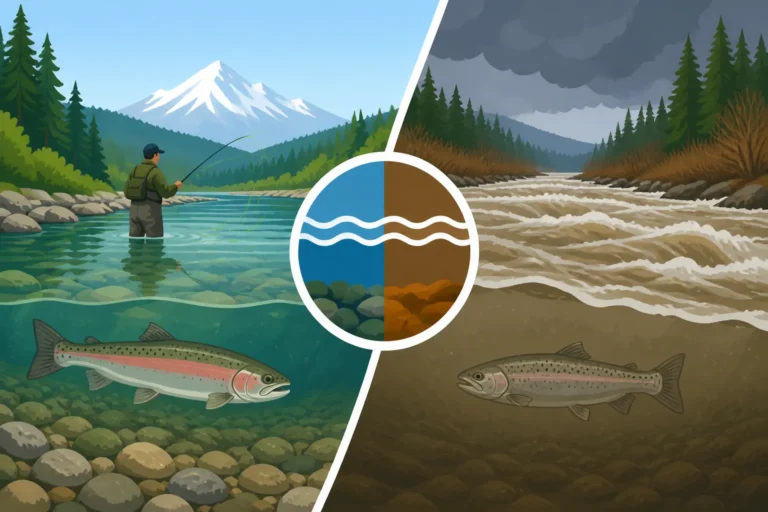
- Spinnerbaits and Chatterbaits: These lures create a lot of flash and vibration, making them excellent choices in murkier water or when you need to draw fish out of cover. White, chartreuse, and perch patterns are always reliable.
- Soft Plastics: This category is vast and incredibly effective.
- Tubes: Often considered a smallmouth staple, tubes imitate crawfish or baitfish. Rig them on an internal jig head and drag, hop, or twitch them along the bottom.
- Grubs/Swimbaits: Small paddle tail grubs or swimbaits on a light jig head are deadly, especially when fish are keying in on baitfish.
- Crawfish Imitations: Soft plastic craws, often Texas-rigged or on a jig, are irresistible to smallmouth.
- Senkos/Stick Worms: While often associated with largemouth, small wacky-rigged or weightless senkos can entice wary river smallmouth.
- Topwater Lures: There's nothing quite like a smallmouth exploding on a topwater lure! Poppers, walking baits (like a Zara Spook), and prop baits are excellent options, particularly during low light conditions or when bass are actively feeding on the surface.
- Natural Bait: While lures are often preferred, live or dead bait can be incredibly effective. Small crawfish, hellgrammites, or even nightcrawlers can produce strikes, especially when fished on a simple bottom rig or under a bobber.
When selecting lures, think about the size of the baitfish and crawfish in the river you're fishing. Matching the hatch, so to speak, can make a big difference. Many popular brands, including Strike King, Zoom, and Gary Yamamoto, have excellent offerings readily available through retailers like Amazon, making it easy to stock up.
Essential Wading Gear and Accessories
Since you'll often be wading in Oregon's rivers, proper attire and accessories are critical for comfort, safety, and efficiency.
- Waders and Boots: Neoprene waders for colder weather or breathable waders for warmer seasons are essential. Pair them with sturdy wading boots that provide good ankle support and grip on slippery rocks. Felt soles offer excellent traction but are often banned in certain Oregon rivers to prevent the spread of invasive species, so rubber-soled boots with aggressive tread or studs are generally a safer bet.
- Polarized Sunglasses: These aren't just for looking cool; polarized lenses cut glare, allowing you to see submerged structure and, crucially, fish. This is invaluable for spotting holding water.
- Pliers/Forceps: For quickly and safely removing hooks from feisty smallmouth.
- Small Landing Net: A net with a rubberized mesh is gentle on the fish (if you plan to release) and prevents hooks from tangling.
- Tackle Bag/Vest: Something to carry your tackle, water, and snacks comfortably while wading.
- Sun Protection: Sunscreen, a wide-brimmed hat, and UPF-rated clothing are crucial, especially during summer months on exposed river sections.
- First-Aid Kit: Always a good idea when you're out in nature, especially around sharp hooks and slippery rocks.
Top Techniques for Landing River Smallmouth Bass
River smallmouth bass are aggressive and energetic, but they can also be finicky depending on conditions. Having a versatile set of techniques in your arsenal will help you adapt and find success. The goal is often to imitate what they're naturally feeding on or to trigger an aggressive, territorial strike.
Covering Water with Reaction Baits
When smallmouth are active and spread out, or you're trying to locate them, reaction baits are your best friend. These lures are designed to provoke a strike through their flash, vibration, or erratic movement, often before the fish has a chance to inspect it too closely.
- Crankbaits: Cast crankbaits upstream or across current, allowing the current to help them dive and wobble. Retrieve them at a steady pace, varying your speed until you find what the fish prefer. Don't be afraid to bump them off rocks and logs; this deflection often triggers a strike. Focus on casting into current seams, along rock walls, and through the heads of pools. The erratic movement after hitting a submerged object can be irresistible to a lurking smallmouth.
- Spinnerbaits and Chatterbaits: These are excellent choices for covering water quickly, especially in slightly turbid water where their vibration can be detected from a distance. Cast them parallel to banks, through eddies, or across flats. A slow, steady retrieve often works well, letting the blades or vibrating blade do their work. You can also "wake" a spinnerbait just under the surface for explosive topwater-like strikes.
- Swim Jigs and Underspins: These combine the profile of a jig with the flash of a spinnerbait. Cast them to cover, let them sink to the desired depth, and retrieve with a subtle jigging or swimming motion. They're great for mimicking baitfish trying to escape.
Finesse Fishing for Structure-Oriented Fish
Sometimes, smallmouth bass are holding tight to cover, reluctant to chase a fast-moving lure. This is when finesse techniques shine, allowing you to present a bait more subtly and keep it in the strike zone longer.
- Tube Jigs: This is perhaps the quintessential river smallmouth lure. Rig a tube bait on an internal jig head and cast it to rocks, ledges, or current seams. Let it sink to the bottom, then drag, hop, or twitch it along. The irregular falling and swimming action of a tube perfectly mimics a crawfish or dying baitfish. Pay close attention to your line for subtle "thumps" or unnatural movement.
- Carolina Rigs and Texas Rigs: When fishing in heavy cover or around deep rock piles, these weedless rigs are invaluable. A Texas-rigged soft plastic craw or worm allows you to fish directly in snags without getting hung up. A Carolina rig, with its weight separated from the hook by a swivel and leader, is excellent for presenting a crawfish imitation along the bottom in slightly deeper or broader areas.
- Drop Shotting: This technique is fantastic for vertical presentations to fish you've spotted on your electronics or for targeting fish holding in very specific spots. A weight is tied to the end of the line, and the hook (with a small soft plastic bait) is tied directly to the main line a foot or two above the weight. This allows the bait to hover enticingly in the current, right in the fish's face, without moving much.
The Excitement of Topwater Action
If you've never experienced a smallmouth bass blow up on a topwater lure, you're missing one of fishing's greatest thrills. Topwater fishing is not only exciting but often incredibly effective.
- Poppers: These lures create a "plopping" sound and disturbance on the surface. Cast them to current breaks, shaded banks, or near submerged cover. Let them sit for a moment, then give them a gentle pop, pause, and repeat. The cadence of your retrieve is often key.
- Walking Baits (e.g., Zara Spook): These lures require a specific "walk-the-dog" retrieve, where you twitch your rod tip while reeling in slack, causing the lure to glide side-to-side across the surface. This mimics a wounded baitfish and can drive smallmouth crazy.
- Prop Baits: Lures with small propellers on the front and/or back create a buzzing commotion on the surface. A steady retrieve or a stop-and-go twitch can be very effective.
The best times for topwater action are typically during low light conditions – early morning, late evening, or on overcast days. Calm water is also preferable, as it allows the fish to easily spot and track the lure. Remember, when a smallmouth strikes a topwater, resist the urge to set the hook immediately. Wait until you feel the weight of the fish before delivering a firm hookset.
Seasonal Considerations and Best Practices
Understanding how smallmouth bass behavior changes throughout the year is crucial for consistent success. Their metabolism, feeding patterns, and preferred locations are heavily influenced by water temperature and their spawning cycle. Being aware of Oregon Fishing Season Dates and Limits for other species can also help you understand overall river activity, though smallmouth regulations are usually much more liberal.
Spring: Pre-Spawn and Spawn
As winter fades and river temperatures begin to climb into the 50s Fahrenheit, smallmouth bass really start to wake up. This is a fantastic time to fish!
- Pre-Spawn (Water Temps 50-60°F): Fish move from their deep wintering holes into shallower, warmer areas, often staging near their eventual spawning grounds. They are incredibly hungry, feeding aggressively to build energy for the spawn. Target these fish in eddies, shallow flats adjacent to deeper water, and slow-moving current seams. Reaction baits like crankbaits and spinnerbaits are very effective, as are tube jigs and crawfish imitations.
- Spawn (Water Temps 60-68°F): When water temperatures hit the sweet spot, smallmouth will begin to build and guard their nests, typically in gravelly or rocky areas in shallower water. Males guard the nests, and they become very territorial, striking at anything perceived as a threat. While easy to catch during this period, it's generally good practice to minimize disturbing spawning fish if you intend to release them, though for smallmouth in Oregon, harvest is often encouraged to protect native species. Check out our article on Oregon Catch-and-Release Rules for native species to see the contrast in management philosophies.
Summer: Post-Spawn and Peak Activity
Summer is arguably the most consistent time for smallmouth bass fishing in Oregon rivers, with warmer water keeping them active.
- Post-Spawn (Water Temps 68-75°F): After spawning, fish will disperse but remain active. They'll often seek out areas with good current and oxygen, like the heads of pools, riffles, and current seams, as well as plenty of submerged structure to ambush prey.
- Peak Summer: Smallmouth are very active throughout the summer. Early mornings and late evenings often provide the best topwater action, but fish can be caught all day, especially if you focus on shaded areas or deeper pockets during the brightest parts of the day. They'll be feeding heavily on crawfish, baitfish, and insects. Look for concentrations of fish in cool, oxygenated water, often near current. Knowing How to catch smallmouth bass in Oregon rivers is crucial for year-round enjoyment.
Fall: The Feeding Frenzy
As water temperatures begin to drop in the fall (into the 60s and 50s), smallmouth enter a "feeding frenzy" phase, fattening up for the lean winter months.
- Aggressive Feeding: This is another prime time for reaction baits, as bass are willing to chase down a meal. Crankbaits, spinnerbaits, and larger soft plastics imitating crawfish are excellent choices. Focus on deeper sections of pools and areas with substantial rock cover.
- Transition to Winter: As water temperatures continue to fall into the 40s, smallmouth become more sluggish. They will move into deeper, slower pools and seek out the warmest water available. Finesse techniques, like slowly dragged tube jigs or Ned rigs, become more effective as you need to present baits directly to the fish in their deep holding areas.
River Etiquette and Conservation
While smallmouth bass are generally not native to many Oregon rivers and often encouraged for harvest, responsible angling practices are still important.
- Leave No Trace: Always pack out everything you pack in. Dispose of all trash, including fishing line, properly.
- Respect Private Property: Many river stretches border private land. Always know where you're allowed to access the river and respect "No Trespassing" signs.
- Wade Responsibly: Be mindful of spawning beds for other species, like salmon or steelhead, during their respective seasons. Avoid disturbing sensitive aquatic habitat.
- Harvest Ethically (for Smallmouth): Since many Oregon rivers allow and even encourage the harvest of smallmouth bass, feel free to keep a meal if regulations permit. Make sure you're aware of specific regulations for the river you're fishing. For instance, Is there a bag limit for smallmouth bass in Oregon? often highlights the liberal regulations for this species.
Catching smallmouth bass in Oregon's rivers is an incredibly rewarding experience. By understanding their habitat, selecting the right gear, mastering effective techniques, and adapting to seasonal changes, you'll be well on your way to becoming a successful bronzeback angler!
Popular Smallmouth Baits and Lures Overview
To simplify your tackle selection, here's a quick reference table for some of the most effective smallmouth bass baits and lures in river environments. This table will help you quickly choose the right tool for the job based on conditions.
| Lure Type | Best Conditions | Retrieve Style | Primary Imitation | Notes |
|---|---|---|---|---|
| Tube Jig | All-around, especially rocky areas, light current, cool water | Drag, hop, twitch along bottom | Crawfish, Baitfish | A smallmouth staple. Excellent for precise presentations in structure. |
| Crankbait | Covering water, active fish, varying depths, moderate current | Steady retrieve, vary speed, deflect off structure | Baitfish | Square bills ideal for rocky rivers. Match depth to fishing area. |
| Spinnerbait | Stained water, windy conditions, covering water | Steady retrieve, slow roll, "wake" on surface | Baitfish, Crawfish | Great vibration and flash. Good for drawing fish out of cover. |
| Chatterbait | Stained water, aggressive fish, covering water | Steady retrieve, stop-and-go | Baitfish, Crawfish | Unique thumping vibration, excellent for reaction strikes. |
| Soft Plastic Craw | Finesse fishing, heavy cover, imitating natural forage | Drag, hop, twitch, pitch into cover | Crawfish | Texas-rigged for weedless presentation, or on a jig head. |
| Topwater Popper | Low light, calm water, active surface feeding | Pop, pause, retrieve; vary cadence | Wounded Baitfish | Exciting strikes. Wait to feel the fish before setting the hook. |
| Swim Jig | Grass, wood, skipping under docks, moderate current | Steady retrieve with occasional pops | Baitfish, Crawfish | Versatile lure, often paired with a craw or grub trailer. |
| Ned Rig | Tough conditions, clear water, pressured fish | Drag, subtle hops on bottom, long pauses | Small bait, Finesse | Known for its effectiveness on finicky fish; excellent for colder water. |
This table provides a great starting point for selecting your tackle, but don't be afraid to experiment! Sometimes, the fish want something completely different than what you expect. For more specific lure recommendations, especially for a particular river, check out our guide on Best lures for smallmouth bass on the John Day River.
Disclaimer
Fishing conditions and regulations in Oregon can change. Always check the latest Oregon Department of Fish and Wildlife (ODFW) regulations before heading out. This guide is for informational purposes only and does not constitute legal advice.