When does fall Chinook season open on the Columbia
Trying to pin down the exact opening date for fall Chinook salmon season on the mighty Columbia River can feel like a moving target, especially with regulations that seem to shift every year or even mid-season. It's incredibly frustrating when you're trying to plan that eagerly anticipated fishing trip, only to find conflicting information or realize you've missed a crucial detail. This comprehensive guide is here to cut through the confusion, giving you a clear picture of when fall Chinook season typically opens, what regulations you need to know, and how to prepare for one of Oregon's most exciting fisheries.
The Big Picture: Understanding Fall Chinook Season on the Columbia
The Columbia River, a true angler's paradise, is famous for its incredible salmon runs, and the fall Chinook season is arguably the most anticipated. These powerful fish, often called "Kings," represent a prime target for both seasoned and novice anglers. But unlike a simple opening day for a lake, the Columbia's vastness and the complexities of managing a shared resource between Oregon and Washington mean the season often unfolds in phases and varies by specific river sections.
The Phased Approach to Fall Chinook Openers
It’s rarely a single, uniform opening date across the entire Columbia. Instead, the season is typically rolled out in different "zones" or stretches of the river. This staggered approach is a careful balancing act, designed by the Oregon Department of Fish and Wildlife (ODFW) and the Washington Department of Fish and Wildlife (WDFW) to manage fishing pressure, protect weaker runs, and ensure a sustainable fishery for years to come. You might hear about the "Buoy 10" fishery opening first, followed by sections further upriver. This can be a bit confusing at first, but understanding why it's done this way helps you make sense of the regulations. It's all about managing the immense number of fish and anglers in various parts of this massive river system.
For instance, the initial opening in the lower river, like the famous Buoy 10 area, aims to harvest a portion of the incoming runs as they first enter freshwater. As these fish push upstream, different regulations might kick in for sections closer to the Bonneville Dam or further above it, accounting for different stocks of fish and local environmental conditions. This complexity is why simply knowing "when fall Chinook opens" isn't enough; you also need to know where you plan to fish.
Why Regulations Change Annually
One of the biggest headaches for anglers is the yearly dance of regulation changes. You might remember the rules from last year, only to find them completely different this time around. This isn't just to keep us on our toes; it’s a direct response to the forecasted return numbers of various salmon stocks. Biologists carefully project how many fish are expected to return, and based on those predictions, the ODFW and WDFW determine bag limits, size restrictions, and specific opening and closing dates. Factors like ocean conditions, spawning success, and river flows all play a role in these forecasts.
Sometimes, in-season updates are even necessary if actual returns are significantly different from predictions, leading to frustrating, last-minute adjustments that can throw a wrench in your plans. Imagine planning a trip months in advance, only to find out a week before that the limits have changed or a section has closed. It happens, and it's a testament to the dynamic nature of fisheries management. Always check the most current regulations before you head out. This proactive approach will save you a lot of grief and ensure you're fishing legally. You can also get a good overview in the Oregon Fishing Regulations Explained guide.
Key Dates and Regulations You Need to Know
Okay, let's get down to brass tacks: when can you actually start chasing those big fall Chinook? While specific dates and limits can change annually, there's a pretty consistent framework you can expect that provides a solid starting point for your planning.
Typical Opening Periods and Zones
The fall Chinook fishery on the Columbia River generally kicks off in August, often starting with the highly anticipated Buoy 10 fishery. This area, located near Astoria where the Columbia meets the Pacific Ocean, is a fantastic place to intercept salmon as they begin their journey upstream.
- Buoy 10 Fishery (Lower Columbia): Historically, this critical section often opens in early August, usually around August 1st. It's a massive fishery that attracts thousands of anglers, running from Buoy 10 upstream to the Tongue Point/Rocky Point line. The initial regulations here might be for Chinook and hatchery coho, with specific daily limits. This is a very popular spot, so expect crowds, especially on weekends. It's where many anglers get their first shot at these strong-willed fish, often targeting a mix of "tules" (a specific, earlier run) and "upriver brights." For more details on this hot spot, consult our Buoy 10 Fishing Guide.
- Mainstem Columbia River (Below Bonneville Dam): As August progresses, the fishery typically opens further upriver, from the Tongue Point/Rocky Point line all the way to Bonneville Dam. This section also sees incredible runs of Chinook. Regulations here will usually mirror or be very similar to the Buoy 10 rules, but it’s crucial to confirm. This expansive stretch offers diverse fishing opportunities, from trolling in open water to working specific holding seams.
- Mainstem Columbia River (Above Bonneville Dam): Fishing for fall Chinook above Bonneville Dam, which includes stretches like the Hanford Reach, usually opens later in the season, often in September. The timing and specific rules for this upper section can be quite distinct, focusing on different stocks of fish that have traveled further upstream. These fisheries often cater to different types of anglers and can offer a unique experience.
It's absolutely paramount to check the latest emergency rule updates from ODFW or WDFW before every trip, as these dates and catch limits are subject to change based on actual fish returns. A great place to monitor these updates is directly on the ODFW's fishing reports page or WDFW's equivalent, often called "Emergency Rules" or "Regulation Updates."
Understanding Daily and Possession Limits
When you’re out on the water, knowing your limits isn't just a good idea, it's the law. For fall Chinook on the Columbia, daily and possession limits are usually clearly defined, and they often differentiate between adult Chinook and "jacks" (small, precocious salmon that return a year earlier than adults).
- Daily Bag Limit: Typically, anglers are allowed a certain number of adult Chinook salmon per day. This might be one or two adult hatchery Chinook, sometimes with additional jacks. Wild Chinook are often required to be released immediately and unharmed, though specific sections or seasons might have different rules. Make sure you understand how to identify a hatchery fish (usually by a missing adipose fin, which is a small fleshy fin on the back, indicating it was fin-clipped). Keeping a wild fish when it's prohibited can lead to significant penalties, so "when in doubt, let it out" is a good rule of thumb.
- Possession Limit: This refers to the total number of fish you can have in your possession, whether in your cooler, car, or at home. It’s usually set at two or three times the daily bag limit. For example, if the daily limit is two adult Chinook, the possession limit might be four or six. This is to prevent anglers from "stockpiling" fish over multiple days without proper documentation or freezing. Always be prepared to prove when and where your fish were caught.
- Combined Angling Tag: For resident and non-resident anglers in Oregon, you'll need an Oregon Combined Angling Tag Guide if you plan to keep salmon, steelhead, or sturgeon. This tag is where you record your catches, ensuring you stay within seasonal and annual limits. This is a separate purchase from your basic Oregon Annual Angling License. Don't forget to mark your fish immediately after retention! This step is critical for compliance and helps ODFW manage fish stocks effectively.
- Barbless Hooks: On the Columbia River for salmon and steelhead, barbless hooks are usually a requirement. This regulation is in place to minimize harm to fish that are caught and released, especially wild stocks that must be returned to the water. You can find excellent barbless hooks and a variety of lures on Amazon, making sure you're compliant before you even leave home. Many anglers simply crimp down the barbs on their existing hooks.
Below is a typical table outlining the general framework for Columbia River fall Chinook, but remember, always verify current regulations as they are subject to change, sometimes even mid-season.
| Fishery Zone | Typical Opening Date | Species Allowed (Hatchery) | Typical Daily Limit (Adult Chinook) | Key Regulation Notes |
|---|---|---|---|---|
| Buoy 10 (Mouth to Tongue Pt) | Early August (Aug 1) | Chinook, Coho | 1-2 | Barbless hooks, wild release often required |
| Below Bonneville Dam (Tongue Pt to Dam) | Mid-August | Chinook, Coho | 1-2 | Barbless hooks, wild release often required |
| Above Bonneville Dam | Early September | Chinook, Coho | 1-2 (often specific runs) | Check specific zone rules, potentially more restrictive |
Oregon and Washington Reciprocity
Since the Columbia River forms the border between Oregon and Washington, understanding license reciprocity is crucial. If you're fishing from an Oregon-licensed boat or from the Oregon bank, you'll need an Oregon fishing license. Similarly, if you're on the Washington side, you need a Washington license. However, there's often reciprocity for anglers fishing the mainstem Columbia, meaning if you have a valid fishing license from either state, it's honored on the mainstem of the river. This doesn't usually extend to tributaries or to things like shellfish licenses. It's a lifesaver for those who might launch in one state and fish closer to the other bank, saving you the hassle and cost of buying two licenses. Always verify the specifics of Oregon and Washington License Reciprocity on the Columbia before you head out, as some endorsements or specific areas might still be state-specific.
What to Expect During the Fall Chinook Season
So, you've got your license, your combined angling tag, and you're ready to hit the water. But what's the fall Chinook season really like? It's an experience unlike any other, demanding preparation, patience, and often, a little bit of luck.
The Peak of the Run and Best Timing
While the season might officially open in August, the absolute peak of the fall Chinook run on the lower Columbia generally occurs from late August through mid-September. This is when the largest numbers of fish are pushing into the river, making their way upstream. Later in September and into October, you'll find fish further upriver, with specific runs continuing to enter. For the Buoy 10 area, those initial weeks are often prime time for a high volume of fish, but they can be smaller, often "tules" (a specific run of Chinook known for their darker meat and earlier return). As the season progresses, larger "upriver brights" start to appear, especially in the mainstem sections below and above Bonneville Dam, prized for their quality and fighting power.
Timing your trip can make a huge difference in the type and size of fish you encounter, as well as the fishing pressure. Many anglers strategize to hit the peak of the "bright" run for the best chance at a trophy fish. Keep an eye on the fishery reports from ODFW and WDFW, as they often provide insights into fish counts and fishing conditions, which can help you pinpoint the ideal time to go. To dive deeper into timing, check out our guide on Fall Chinook Season Timing on the Columbia.
Weather, Water Conditions, and Crowds
Fishing the Columbia in the fall is a game of adapting to conditions. Early fall can still bring warm, sunny days, but by late September and October, expect cooler temperatures, rain, and potentially strong winds, especially near the mouth of the river. The Columbia is a big body of water, and it can get rough quickly, particularly in the lower estuary. Always check marine forecasts if you're boating, and prepare for all types of weather with appropriate layers and rain gear. A good quality waterproof jacket and bibs, which you can easily find on Amazon, are essential for staying comfortable during long days on the water.
And then there are the crowds. Especially during the peak of the Buoy 10 fishery and on weekends, the river can feel like a freeway of boats. Launch ramps can be packed, and finding a good drift or trolling lane can require patience and good boat etiquette. Bank anglers will also find popular spots to be quite busy. If you're looking for a quieter experience, consider fishing mid-week or exploring less-frequented stretches of the river, though often the crowds are where the fish are concentrated. Patience and courtesy are key to enjoying the experience, even with many other anglers around.
Common Fishing Techniques
When it comes to actually catching these magnificent fish, a few techniques dominate the fall Chinook scene on the Columbia. Each method has its devotees and is effective under different conditions or in various sections of the river.
- Trolling: This is arguably the most popular method, especially for boat anglers in the Buoy 10 and lower mainstem areas. Anglers use downriggers, divers, or heavy weights to get their bait or lures down to where the fish are traveling. Popular baits include herring and anchovies, often rigged with a flasher to attract attention. Various spoons, plugs, and spinners are also incredibly effective, either trolled plain or behind a flasher. The key is finding the right depth and speed for the conditions. For more in-depth advice, our guide on How to Fish for Fall Chinook on the Columbia has plenty of tips on rigging and presentation.
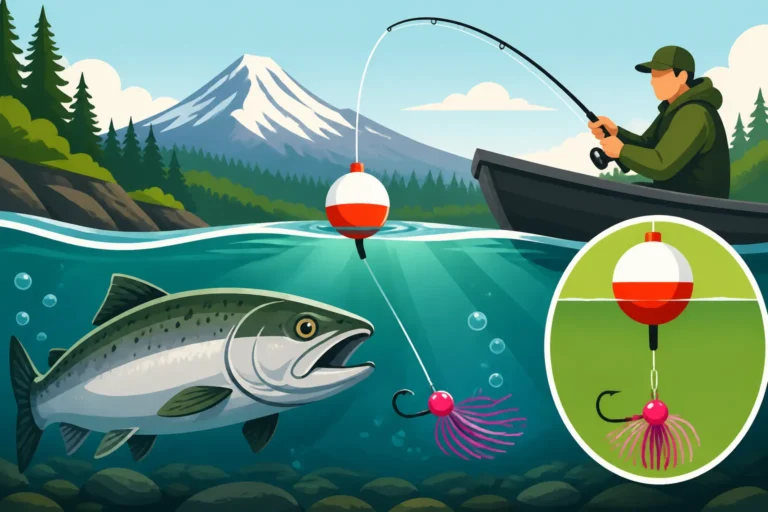
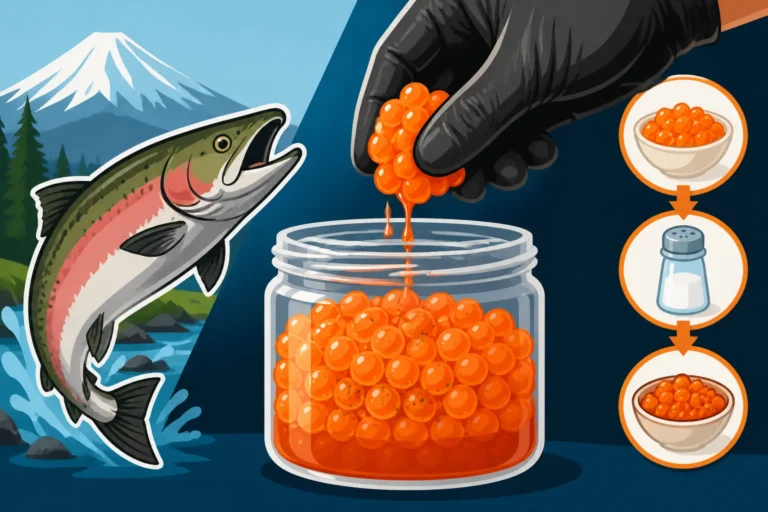
- Bobber & Jig/Coon Shrimp: Further upriver, and for bank anglers, bobber and jig or cured coon shrimp under a float can be incredibly effective, especially when fish are concentrated in specific holding areas or traveling close to the banks. This technique allows for precise depth control and a natural presentation that can entice wary salmon. The visual strike of a bobber disappearing is also incredibly exciting!
- Plunking: A favored technique for bank anglers, plunking involves casting heavy weights with a bait rig (often a large spinner or prawn setup) into current seams and letting it sit. The current makes the spinner or bait "work," creating vibrations and flash that attract fish. This is particularly good for those deeper runs or areas with strong currents where Chinook might be resting on their journey upstream. It's a more passive, yet often highly productive, method.
Having a selection of the Best Lures for Oregon Salmon Fishing ready will definitely increase your chances, as fish preferences can change day by day.
Gear Up and Get Ready for Columbia River Fall Chinook
Being prepared isn't just about having the right license; it's about having the right tools for the job and ensuring you're safe and comfortable out on the water. Investing in quality gear pays off when battling powerful fall Chinook.
Essential Gear for Chinook Fishing
Chasing fall Chinook on the Columbia demands robust gear. These are big, powerful fish that will test your tackle to its limits. Don't underestimate their strength!
- Rods and Reels: A medium-heavy to heavy action salmon rod, typically 8.5 to 10.5 feet long, paired with a stout baitcasting reel (like those from trusted brands such as Shimano or Daiwa) spooled with 25-40 lb monofilament or braided line, is standard. You need the backbone to handle powerful runs and the sensitivity to detect subtle bites. A good reel with a smooth, reliable drag system is non-negotiable.
- Terminal Tackle: A variety of weights (cannonballs, banana weights, lead sinkers – chosen based on depth and current), heavy-duty swivels, strong leaders (20-30 lb fluorocarbon is common for its abrasion resistance and invisibility), and quality hooks are essential. Don't skimp on hooks; a strong, sharp hook is vital for penetrating a salmon's tough, bony mouth. Having pre-tied leaders can save you valuable fishing time.
- Bait and Lures: Fresh or brined herring and anchovies are top choices for bait, often presented with a bait diver or flasher. For lures, try large spinners (like Warbaits or Mepps Aglias), spoons (such as Silver Horde or Luhr Jensen Kwikfish), and diving plugs. Flasher setups, which add attraction and can be fished with bait or lures, are also very popular for trolling. You'll find a wide array of these specialized items available on Amazon, often at competitive prices, allowing you to stock up before your trip.
- Safety Gear: Life jackets (required for all occupants on boats under 16 feet and often recommended for everyone), a first-aid kit, whistle/horn, and navigation lights are non-negotiable for boaters. Even bank anglers should have a sharp knife, pliers (for hook removal), and a way to safely release fish (like a net with rubber mesh to protect their slime coat). Weather can change rapidly, so consider things like spare clothes and emergency blankets.
Don't Forget Your Oregon Fishing License and Endorsements
Before you even think about dropping a line, make absolutely sure your Oregon Fishing License Guide is current and that you have all the necessary endorsements. For salmon, the Combined Angling Tag is essential, as mentioned earlier. This is your personal record of salmon and steelhead harvested, and it must be filled out immediately upon retaining a fish. Failure to do so can result in fines and loss of fishing privileges. If you're planning to fish from a boat in the ocean or specific bays, you might also need an Oregon Ocean Endorsement, depending on where you specifically plan to fish for fall Chinook that might be transitioning from saltwater to freshwater. This applies even if you're technically still in the Columbia River estuary but operating in marine zones. If you're new to fishing in Oregon, our guide on Oregon Fishing License Types Explained can help you understand all the various requirements and ensure you're fully legal.
Consider a Guided Trip
If you're new to Columbia River fall Chinook fishing, or simply want to maximize your chances and learn from a pro, consider booking a guided trip. Experienced guides know the river intimately, understand the fish movements, and have all the right gear already on board. They can teach you the ropes of specific techniques, put you on fish, and help you navigate the often-complex regulations and areas. Many excellent Columbia River Salmon Guide Trips operate throughout the season, offering a fantastic way to experience this fishery firsthand without the steep learning curve and the need to invest in a full boatload of gear. While it's an investment, the knowledge gained, the camaraderie, and the potential for a memorable catch can be well worth it, especially for a bucket list species like the fall Chinook.
Disclaimer
Please note that fishing regulations, seasons, and limits are subject to change by the Oregon Department of Fish and Wildlife (ODFW) and the Washington Department of Fish and Wildlife (WDFW). Always consult the official ODFW and WDFW websites or current fishing pamphlets for the most up-to-date information before planning your trip. This guide provides general information and should not be used as the sole source for regulatory compliance.