Can you keep wild steelhead while fishing for spring Chinook?
It's a common scenario for many anglers in Oregon: you're out on the river, patiently waiting for that tell-tale tug from a powerful spring Chinook, only to find you've hooked something else entirely – a beautiful, vibrant steelhead. This often leads to a moment of confusion and a quick, anxious thought: "Can I keep this?" Navigating the specific regulations around wild steelhead, especially when you're primarily targeting salmon, can be incredibly tricky and, frankly, a bit stressful. This guide is here to clear up that confusion, explaining the rules, why they exist, and how to confidently handle those unexpected encounters on the water.
Understanding Oregon's Steelhead and Salmon Regulations
Oregon’s diverse waterways are home to an incredible array of fish, including several species of salmon and steelhead. However, not all fish are created equal in the eyes of the law, especially when it comes to conservation. Wild steelhead, in particular, hold a special place in the state's management plans due to their vulnerable populations. Understanding the nuances here is absolutely critical for any responsible angler.
Distinguishing Wild Steelhead from Hatchery Steelhead
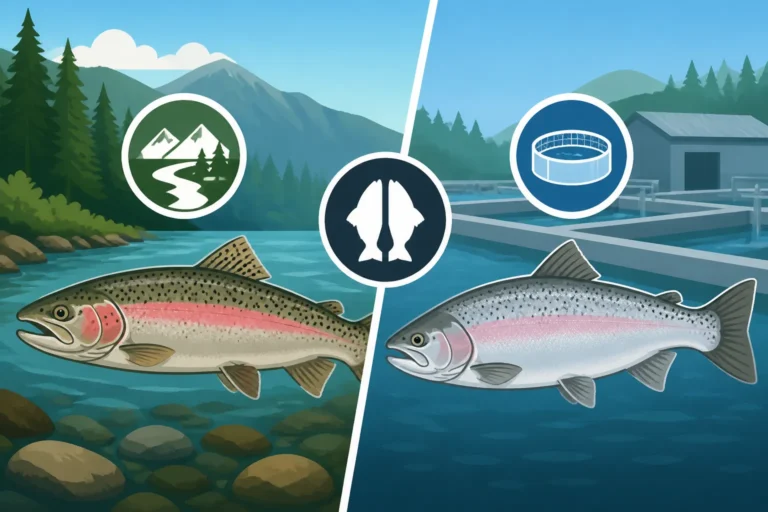
The first, and arguably most crucial, step in knowing what you can or cannot keep is being able to tell the difference between a wild steelhead and a hatchery-reared one. This isn't just a suggestion; it's a legal necessity. The Oregon Department of Fish and Wildlife (ODFW) employs a very clear, widespread method for this: the fin clip.
Hatchery steelhead released into Oregon's rivers are almost always "adipose fin-clipped." The adipose fin is that small, fleshy fin located on the fish's back between the dorsal fin and the tail. If it's missing, cleanly cut off, that fish is a hatchery fish. If that fin is present and intact, you've got a wild steelhead on your hands. It's that simple, yet in the heat of the moment, or with a feisty fish, it can be easy to misidentify. Beyond the fin clip, you might notice other subtle differences: wild steelhead often have more vibrant colors, more pronounced spots, and generally appear more "perfect" in their fin structure compared to hatchery fish, which can sometimes show slight wear on their fins from hatchery life. Remember, always double-check the adipose fin first.
The Protected Status of Wild Steelhead in Oregon
The reason for this careful distinction boils down to conservation. Wild steelhead populations in many Oregon river systems face significant challenges, including habitat loss, dam impacts, and predation. To help these natural runs recover and thrive, ODFW has implemented strict regulations, often mandating that all wild steelhead be immediately released unharmed. This is a statewide effort to protect the genetic diversity and long-term viability of these native fish.
When you're fishing for spring Chinook, which are typically managed with different retention limits and seasons, the encounter with a wild steelhead is often incidental. However, the rule remains: if you catch a wild steelhead (identified by its intact adipose fin), it usually must be released. Ignoring this rule isn't just a minor infraction; it's a serious violation with significant penalties, which we touch upon in our guide on Oregon Fishing Violations and Penalties. These regulations are designed to give wild populations the best possible chance to reproduce and sustain themselves for future generations of anglers.
Specific Rules for Fishing During Spring Chinook Season
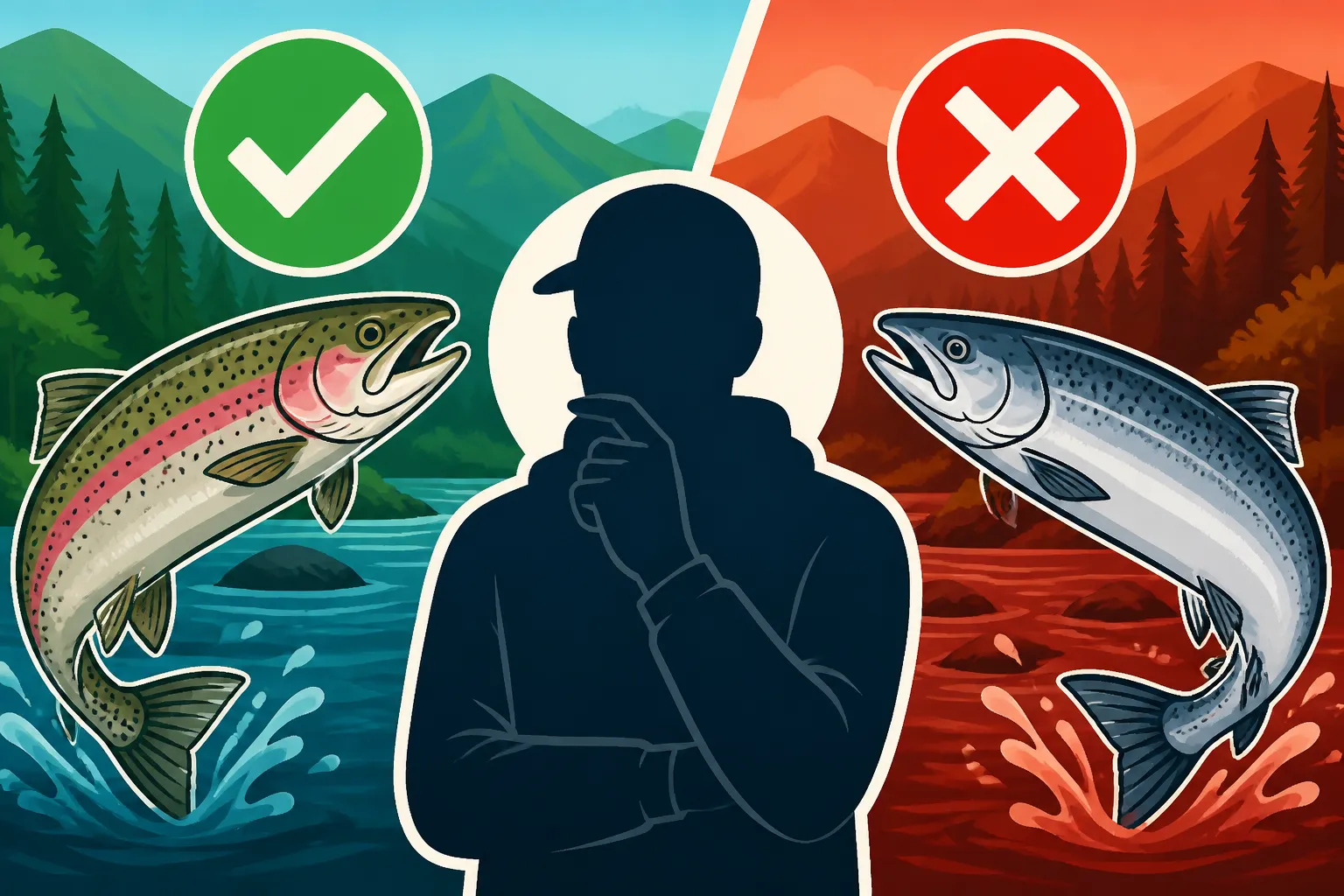
It's easy to get caught up in the excitement of spring Chinook season. These powerful salmon are a highly sought-after prize, and anglers line the banks and drift the rivers from the Willamette to the Columbia. But while your focus might be squarely on that prized salmon, you need to be acutely aware of the rules concerning any other fish that might take your bait, especially wild steelhead. The general answer to "Can you keep wild steelhead while fishing for spring Chinook?" is almost universally no.
General Catch-and-Release Requirements for Wild Steelhead
Throughout most of Oregon's waters, especially those with both salmon and steelhead runs, wild steelhead are designated as catch-and-release only. This means if you hook one, even by accident, you are legally required to release it immediately and with the least possible harm. This isn't just good sportsmanship; it's the law. This general rule applies whether you're targeting Oregon Salmon Species Guide or fishing for other species entirely.
The "least possible harm" part is crucial. It means you should try to keep the fish in the water as much as possible, use wet hands if you must handle it, and use tools like long-nosed pliers to remove hooks quickly. Avoid dragging the fish onto the bank or boat deck, and don't take excessive time for photos. The quicker and gentler the release, the better the chances of survival for that magnificent fish. These are core tenets of Oregon Catch-and-Release Rules.
River-Specific Regulations and Emergency Closures
While the general rule for wild steelhead is catch-and-release, it's vital to remember that fishing regulations in Oregon can be incredibly complex and vary significantly by river system, and even by specific zones within a river. What's allowed on the lower Columbia River might be completely different from the rules on a coastal river like the Nestucca or a Central Oregon gem like the Deschutes. This is why always checking the most current ODFW Sport Fishing Regulations is non-negotiable before every outing.
For example, when you're pursuing How to Fish for Spring Chinook on the Willamette, you'll find specific rules regarding fin-clipped versus unclipped fish. Similarly, the Oregon Columbia River Basin Endorsement has its own set of rules that might apply if you're fishing that vast waterway. Beyond the standard seasonal regulations, ODFW frequently issues emergency closures or rule changes based on real-time data about fish returns, water conditions, or other ecological factors. These emergency updates are usually posted on the ODFW website and can even impact specific areas within a river for just a few days or weeks. Always check the ODFW website or call their local offices for the most up-to-date information. It truly pays to be informed.
Best Practices for Avoiding and Releasing Wild Steelhead
Let's face it, no one goes out spring Chinook fishing hoping to accidentally catch a wild steelhead they can't keep. The goal is the Chinook! But since these encounters can and do happen, it's smart to employ strategies that both minimize the chances of hooking a steelhead and maximize its survival if you do.
Tackle and Technique Adjustments to Minimize Encounters
While steelhead and salmon can occupy similar waters, especially during their migrations, their feeding habits and preferences can differ. When specifically targeting spring Chinook, you can make some adjustments to your gear and technique that might reduce the likelihood of hooking an unwanted steelhead:
- Larger Baits and Lures: Spring Chinook often prefer larger baits like whole or cut herring, anchovies, or substantial lures and plugs. Steelhead, while they'll hit larger presentations, are often more prone to striking smaller offerings like roe bags, shrimp, or smaller jigs. Using larger baits can sometimes "weed out" smaller fish or those less inclined to hit a big meal.
- Heavier Gear: Since spring Chinook are powerful fish, anglers typically use heavier rods, lines, and leaders. While a steelhead can certainly put a bend in a rod, the heavier gear designed for Chinook might not be as sensitive for detecting lighter steelhead bites, or might simply be too much for smaller steelhead to mouth effectively. This isn't a guarantee, but it can play a role.
- Targeting Specific Depths/Currents: Chinook often hold in different water columns or current seams than steelhead, though there's certainly overlap. Paying attention to where other successful Chinook anglers are fishing and trying to replicate those depths and currents can help focus your efforts. For more on this, check out our guide on Oregon Trolling and Boat Fishing Techniques.
- Barbless Hooks: While not always legally required for salmon fishing, using barbless hooks for all your fishing in Oregon is a fantastic practice. It makes releasing any fish much easier and quicker, causing less damage. You can easily find barbless hooks, or a tool to crimp barbs, on platforms like Amazon.
Responsible Catch-and-Release Techniques
Accidental hook-ups happen. It’s part of fishing. What truly matters is how you handle those situations, especially with a protected species like a wild steelhead. Your actions in those crucial moments directly impact the fish's survival. Here's a quick guide to responsible catch-and-release:
- Keep it Wet: The golden rule is to keep the fish in the water as much as possible. This minimizes stress, protects its delicate slime coat (which is its first line of defense against disease), and reduces physical injury. If you need to bring it closer to shore, use a knotless, rubberized net.
- Handle with Care: If you must handle the fish, wet your hands thoroughly first. Dry hands can remove the protective slime coat, leaving the fish vulnerable. Avoid squeezing the fish around its gills or belly, as this can cause internal damage. A gentle hold near the tail and under the pectoral fins is usually best.
- Quick Hook Removal: Use long-nosed pliers or a dehooking tool to remove the hook swiftly. If the fish is deeply hooked and removing the hook would cause excessive damage, it's often better to simply cut the line as close to the hook as possible. The hook will eventually rust away. You can find excellent dehooking tools and various pliers on Amazon, which are indispensable for any angler.
- Revive, Don't Release Immediately: Don't just toss the fish back into the current immediately. Hold it gently in the water, facing upstream in a mild current, until it regains its strength and can swim away on its own. It might take a minute or two, especially for a larger, tired fish. Look for strong tail kicks and good color return.
- Always Confirm Fin Clip: Before considering retention for any fish, be absolutely certain of its identification. Always check for that adipose fin. If there's any doubt, assume it's wild and release it. When in doubt, let it out! This diligence is key, especially given rules covered in the Oregon Fishing License Guide and Oregon Fishing Regulations Explained.
Here's a quick reference table to help distinguish between wild and hatchery steelhead:
| Feature | Wild Steelhead | Hatchery Steelhead |
|---|---|---|
| Adipose Fin | Present and intact | Absent (clipped off) |
| Appearance | Often more vibrant colors, pristine fins, strong markings | Sometimes duller, fins can be worn or stubby, less defined spots |
| Fight/Vigor | Generally more energetic and powerful | Can vary, but sometimes less vigorous than wild fish |
| Retention | Catch-and-Release Only (in most Oregon waters) | Retention often permitted (check regulations for specifics) |
| Conservation Status | Protected, critical for genetic diversity | Stocked to supplement fisheries and angler opportunity |
Always refer to the official ODFW regulations for the most current and specific rules, as they can change based on individual rivers, zones, and seasons. You'll also need to ensure you have your Oregon Combined Angling Tag Guide filled out correctly if retention is allowed for any species. And remember, understanding your Oregon Fishing Season Dates and Limits for all species is part of being a responsible angler!
Disclaimer
The information provided in this guide is intended for general informational purposes only and is subject to change. Fishing regulations in Oregon are complex and frequently updated. It is the responsibility of every angler to consult the most current Oregon Department of Fish and Wildlife (ODFW) sport fishing regulations before engaging in any fishing activity. Failure to comply with current regulations can result in fines and penalties.