When does spring Chinook season open on the Columbia River
There's nothing quite like the anticipation of spring Chinook season on the Columbia River. For many of us, it’s not just about catching fish; it’s a deeply ingrained tradition, a fresh start after the winter, and the promise of some of the finest table fare Oregon waters have to offer. But let's be real, trying to pin down the exact opening date can feel like chasing a ghost, thanks to ever-changing forecasts and careful conservation efforts. This guide is here to unravel the mystery, helping you understand how these dates are set and, more importantly, how you can stay informed so you're ready when that first green light flashes.
Understanding the Anticipation for Columbia River Spring Chinook
The Columbia River is a lifeline for so many, and when it comes to fishing, the spring Chinook run holds a special place in the hearts of anglers across Oregon and Washington. This isn't just any salmon run; it's a phenomenon that stirs passion, planning, and a good deal of hopeful waiting.
Why Spring Chinook are So Highly Prized
Let's talk about why these particular fish spark such intense excitement. Spring Chinook, often called "springers," are renowned for a few key reasons. First and foremost, their flesh is absolutely sublime. They enter the river system carrying an incredible amount of oil and fat, accumulated from their time in the ocean, which they'll use to fuel their long journey upstream to spawn later in the year. This makes for incredibly rich, flavorful, and flaky meat that many anglers consider the absolute pinnacle of salmon culinary experiences. Seriously, if you've ever had a fresh springer fillet, you know what I'm talking about – it’s a taste that’s hard to beat.
Beyond their gastronomic appeal, springers are also formidable fighters. Hooking into a chrome-bright spring Chinook in the strong currents of the Columbia can be an unforgettable battle. They often pull hard, make powerful runs, and test your gear and your resolve. There's a certain prestige that comes with landing one, especially given the challenging conditions and often short fishing windows. It's a true trophy fish for many, and the stories of their capture are often recounted with a gleam in the eye.
Then there’s the tradition. For generations, families have gathered, boats have launched, and communities along the Columbia have revolved around this annual migration. It's a rite of spring, a chance to reconnect with nature, friends, and family, all while chasing that elusive, prized catch. The anticipation, the camaraderie, the shared hope for a good season – it all adds up to an experience far greater than just the act of fishing itself.
The Complexity of Season Setting
Now, about those opening dates. If you've ever tried to plan a fishing trip around the Columbia River spring Chinook season, you've probably felt the frustration of not having a solid, fixed calendar entry. Unlike some other fisheries, the spring Chinook season isn't simply a "March 1st to May 31st" affair. It's a dynamic process, influenced by a multitude of biological, environmental, and regulatory factors that can shift from year to year, sometimes even week to week during the season itself.
The primary reason for this complexity is conservation. These fish, especially the wild populations, are a precious resource, and fishery managers are tasked with ensuring their long-term health and survival. This means that angling opportunities must be carefully balanced with the need to allow enough fish to reach their spawning grounds.
The season is typically set based on pre-season forecasts of how many spring Chinook are expected to return to the Columbia River. These forecasts are educated guesses, mind you, based on ocean conditions, past return data, and other scientific models. But fish are wild creatures, and their behavior isn't always perfectly predictable. So, managers from both Oregon and Washington (and often federal agencies) convene regularly to review these forecasts, assess actual fish returns as they begin to enter the river, and make decisions about open dates, daily limits, and specific fishing areas. This means what starts as an initial projection can be, and often is, adjusted in-season. It's a careful dance between providing recreational opportunities and safeguarding the future of the run, a dance that requires constant vigilance and, for us anglers, a fair bit of flexibility.
Typical Timing and Factors Influencing the Opening of Spring Chinook Season
So, you're itching to get out there, right? You want to know when to mark your calendar. While there's no single, immutable date stamped years in advance, there are definitely historical trends and critical factors that help us understand when the spring Chinook season typically kicks off and what might cause those dates to flex.
The General Window for Spring Chinook
Generally speaking, the anticipation for spring Chinook fishing on the lower Columbia River begins in early to mid-March. This is when you'll typically see the first announcements for potential opening dates. The main stem of the Columbia, particularly below Bonneville Dam, usually sees the initial push of fish. This early season is often characterized by colder water and fewer fish, but those who brave the elements can be rewarded with some truly exceptional catches.
As spring progresses into April, the runs tend to build, and more fish become available. This is often considered the prime time for the lower river, with consistent returns and potentially longer fishing windows, assuming the run forecast holds up. Then, as we move into May and even early June, the focus often shifts to the tributaries and the upper Columbia River above Bonneville Dam, as the fish continue their journey upstream to spawn. So, while the "opening" is typically in March, the season is truly a progression, with different areas hitting their stride at different times.
For instance, while anglers might be targeting early springers on the main stem Columbia, those looking for Willamette River spring Chinook will have their own distinct season, though often overlapping. The timing is influenced by where the fish are headed and how far they have to travel.
Key Factors that Determine Official Opening Dates
The official opening of the spring Chinook season isn't just pulled from a hat. It's the result of a rigorous, data-driven process involving several critical components:
Forecasts: Pre-Season Run Projections
Before a single fish fin enters the river, fishery managers rely heavily on pre-season run forecasts. These are scientific estimates, often released in late winter (think January or February), that predict the total number of spring Chinook expected to return to the Columbia River system. These forecasts are based on a complex analysis of ocean survival rates, the number of "jack" salmon (smaller, early-returning males) from previous years, and other environmental indicators.
A strong forecast generally means more liberal fishing opportunities, while a weaker forecast often leads to more conservative management, with shorter seasons or stricter limits. It's the first big piece of the puzzle, giving everyone an idea of what kind of season to expect. However, it's just a forecast, and things can change once the fish actually start showing up.
Returns: In-Season Updates and Actual Fish Counts
Once the season is underway, or even just before it, the focus shifts to actual fish returns. Biologists monitor fish ladders at dams like Bonneville, counting the number of fish passing upstream. This real-time data is crucial. If the actual returns are significantly lower than the pre-season forecast, fishery managers will quickly re-evaluate the season, often leading to immediate closures or reduced bag limits to protect the run. Conversely, if returns are stronger than expected, there might be opportunities to extend fishing days or relax restrictions. This dynamic adjustment is why staying informed throughout the season is so important.
Compact Hearings: Joint State Decisions
Perhaps the most formal and crucial aspect of setting the season involves the Columbia River Compact hearings. The Columbia River forms a border between Oregon and Washington, and as such, management of its fisheries is a joint effort. The Columbia River Compact is a legal agreement between the two states that facilitates coordinated fishery management.
Representatives from the Oregon Department of Fish and Wildlife (ODFW) and the Washington Department of Fish and Wildlife (WDFW) meet regularly, sometimes multiple times a week during critical periods, to review data, discuss impacts, and ultimately vote on season dates, rules, and limits. These meetings are often public, and the decisions made directly impact when and where you can fish for spring Chinook. This collaborative approach ensures that regulations are consistent across the shared waters of the river, which is vital for effective management and for preventing confusion among anglers.
Conservation Needs: Protecting Wild Stocks
Underpinning all of these factors is the overarching priority of conservation. Many wild spring Chinook populations are listed under the Endangered Species Act, and protecting these vulnerable stocks is paramount. This means that fishing seasons are meticulously designed to minimize impacts on wild fish while providing opportunities to harvest abundant hatchery-raised fish.
Regulations often include requirements like fin clipping (to distinguish hatchery fish, which are generally allowed to be kept, from wild fish, which are often catch-and-release only) and specific gear restrictions. For example, if the wild run is particularly weak, the entire fishery might be closed or heavily restricted to ensure enough wild fish make it to their spawning grounds. It's a constant balancing act, and sometimes, conservation needs mean that anglers have to make sacrifices for the health of the resource. Understanding these fundamental principles helps anglers appreciate the "why" behind what might sometimes seem like inconvenient rules.
How to Stay Informed About the Official Opening Dates
Given the dynamic nature of the Columbia River spring Chinook season, being "in the know" is half the battle. You don't want to miss out because you weren't aware the season just opened, or worse, get caught fishing when it's suddenly closed! Staying connected to official sources and local communities is crucial.
Official Sources for Regulation Updates
When it comes to definitive information, always start with the official state wildlife agencies. They are the ultimate authority and the most accurate source for real-time updates.
The Oregon Department of Fish and Wildlife (ODFW) website is your go-to resource for all things Oregon fishing. They have dedicated sections for recreational fishing regulations, emergency closures, and news releases specifically pertaining to the Columbia River. You can often sign up for email or text alerts that will notify you immediately of season changes, which is incredibly handy when dealing with fast-moving fishery decisions. Their website is typically updated within hours of any Compact agreement or emergency rule change. They also publish the Oregon Fishing Regulations Explained and Oregon Fishing Season Dates and Limits, which are essential reading before any trip.
Since it's a shared river, the Washington Department of Fish and Wildlife (WDFW) website is equally important, especially if you plan to fish from the Washington side or simply want to cross-reference information. Their updates often mirror ODFW's due to the Compact agreements. While the rules are generally consistent, it's always good practice to check both, especially if you're navigating areas where the river boundaries might be less clear.
Additionally, keep an eye out for Columbia River Compact hearing schedules and summaries. These are often posted on both ODFW and WDFW websites. Reviewing the agendas and summaries from these meetings can give you a deeper insight into the discussions and data driving the decisions, helping you anticipate potential changes. It’s like getting a peek behind the curtain before the official announcement.
Community Resources and Local Shops
While the official websites provide the cold, hard facts, local communities and tackle shops offer invaluable real-time insights and a pulse on angler sentiment.
Local tackle shops are absolute goldmines of information. Places like Fishermen's Community Store in Oregon City or Bob's Sporting Goods in Longview, Washington, are usually the first to hear about rumors, impending changes, and actual fishing conditions. The folks working there live and breathe fishing, and they often have direct lines to guides and state biologists. They can tell you what's biting, what gear is working, and usually when the next Compact hearing is scheduled. Plus, it’s a great way to support local businesses!
Online fishing forums and social media groups dedicated to Columbia River fishing can also be incredibly helpful. Communities on platforms like Facebook or dedicated forums for Oregon fishing are often buzzing with discussions about potential season openings, guide reports, and unofficial fish counts. Just remember to always verify any information from these sources with the official ODFW or WDFW announcements, as rumors can sometimes spread faster than facts. However, they can provide a good early warning system and allow you to connect with fellow anglers.
Planning Ahead with Gear and Licenses
Regardless of when the season officially opens, you can always be prepared. There’s nothing worse than hearing the season is open and then realizing your gear isn’t ready or your license has expired.
Start by getting your gear in order. Check your rods for any cracks, ensure your reels are spooled with fresh line, and inspect your leaders and knots. Organize your tackle box with your favorite Best Lures for Oregon Salmon Fishing or bait setups. If you need to stock up on new lures, weights, or leader material, now’s the time to do it. Many anglers find great deals on a variety of fishing essentials on Amazon, which offers a wide selection of brands and immediate shipping, so you can have everything ready to go as soon as the season drops.
Crucially, make sure your Oregon fishing license is up to date. You’ll definitely need an Oregon Fishing License Guide to ensure you're compliant. For Columbia River spring Chinook, you’ll almost certainly need an annual angling license and a Combined Angling Tag. This tag, often referred to as the "salmon and steelhead tag," is essential for retaining those prized Chinook. Without it, even if you have a general angling license, you can't keep a salmon. You'll also need a Columbia River Basin Endorsement if you plan to fish for salmon or steelhead in the mainstem Columbia River or its tributaries above the mouth of the Willamette River. This is a separate endorsement that directly contributes to fisheries management and restoration efforts in the basin. You can learn more about what it covers in our guide, What is the Columbia River Basin Endorsement for Oregon anglers.
Don't wait until the last minute to sort out your permits. Check the expiration date on your current license, and renew it online or at a local vendor well in advance. Our guide on How much is a fishing license in Oregon for 2026 might provide current cost estimates. Being fully licensed means one less thing to worry about when that "OPEN!" announcement finally comes, and you can focus solely on the fishing.
Typical Spring Chinook Opening Windows – Columbia River (Below Bonneville Dam)
| Month | Typical Activity | Notes |
|---|---|---|
| March | Early Season Opening: Lower river (e.g., Buoy 10 to Bonneville Dam) often opens by mid-March. | First Compact meetings, initial forecasts, and cautious opener. Catch rates can be low but fish quality is exceptional. |
| April | Peak Lower River Season: Run typically strengthens. | More consistent fishing opportunities, potentially extended open days. Most active period for the lower Columbia. Mid-season Compact adjustments common. |
| May | Transition Period: Lower river winds down, upper river and tributaries open. | Focus shifts upstream. Lower river may have limited or no retention seasons depending on run strength. Anglers often move to tributaries like the Willamette or Cowlitz. |
| June | Upper River/Tributaries: Mainstem above Bonneville, Snake River, etc. | Fishing becomes highly localized to specific river sections as fish move to spawning grounds. Conservation measures are often stricter. |
Note: These are general guidelines. Official opening and closing dates, as well as daily limits, are subject to change annually and in-season based on run forecasts and actual fish returns. Always consult ODFW/WDFW for the latest regulations.
What to Expect During the Early Season
Once the season finally opens, the early weeks of spring Chinook fishing on the Columbia River present a unique set of conditions and challenges. It’s not always easy, but it can be incredibly rewarding.
Fishing Conditions and Techniques
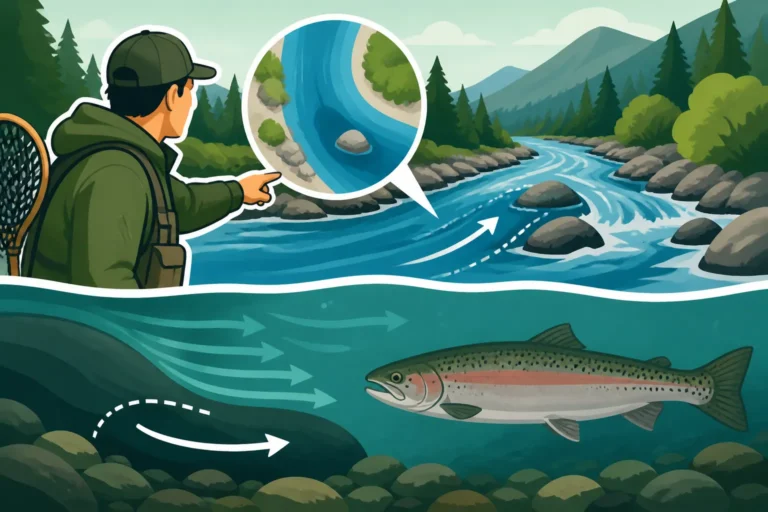
When the season first kicks off in March, you can almost always count on cold water and potentially high, fluctuating flows. Spring runoff from the mountains means the river can be swift and often carries a lot of debris. These conditions demand a bit more skill and preparation, but don't let them deter you. The fish are there, and they're usually hungry.
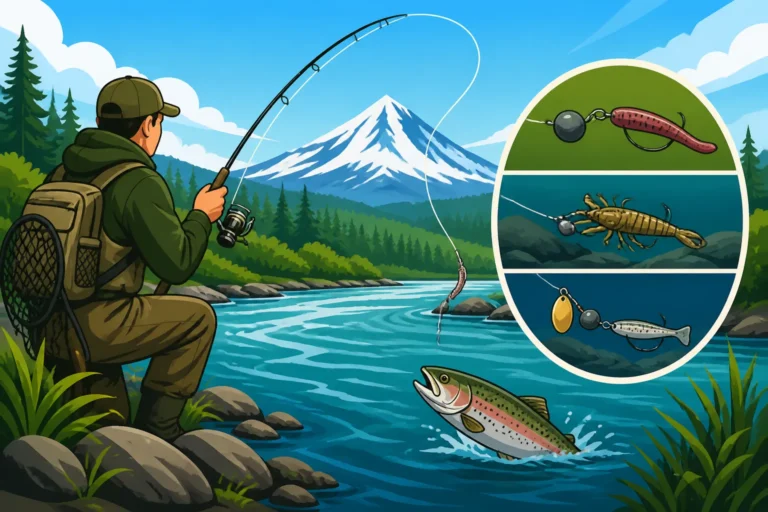
Trolling is one of the most popular and effective methods for early season spring Chinook on the Columbia. Anglers will often use downriggers or heavy divers to get their gear down to where the fish are holding, often near the bottom in deeper channels. Herring, anchovies, or prawns, often enhanced with scents, are common bait choices, usually rigged behind a flasher or a large spinner. Our guide on Trolling Techniques for Oregon Reservoirs can give you some insights, though river trolling has its own nuances.
Another highly effective technique, particularly for bank anglers or those who prefer to anchor, is plunking. This involves rigging a heavy lead sinker (often a pyramid or crescent sinker) to hold your bait (like a spin-n-glo and prawn cocktail) directly on the bottom in the current. The current imparts action to your lure, enticing passing fish. While often associated with the coast, Plunking for Salmon on the Oregon Coast principles apply effectively to river systems with strong currents.
For boat anglers, drift fishing with bobbers and jigs can also be deadly, especially in slower eddies or along current seams. This method involves suspending a jig or bait under a large bobber, allowing the current to carry it naturally into potential holding lies. The key is to find the right depth and to present your offering as naturally as possible. This technique shares similarities with Bobber and Jig Technique for Oregon Salmon in other rivers.
The general rule of thumb for early springers is to fish slow and low. These fish aren’t typically chasing baits aggressively in cold water, so a subtle, well-presented offering that stays in their strike zone for an extended period is often most effective. Make sure your boat is stocked with plenty of coffee and warm layers, because those early spring mornings can be chilly! If you need to upgrade your fishing outerwear or get a new thermos, a quick search on Amazon will yield plenty of options to keep you comfortable.
Daily Limits and Potential Closures
When the spring Chinook season first opens, especially in the lower Columbia, expect conservative daily limits. It's very common for the initial regulations to allow for only one legal hatchery Chinook per day, and sometimes even shorter weekly open periods (e.g., open for fishing only on Thursdays, Fridays, and Saturdays). This is all part of the careful management strategy to ensure the overall run remains healthy and enough fish can pass upstream.
It's absolutely critical to understand the distinction between hatchery and wild fish. Most spring Chinook regulations specify that only hatchery-marked fish can be retained. Hatchery fish are identified by a missing adipose fin (a small fleshy fin on their back near the tail), which is clipped off when they are juveniles. Wild fish, with their adipose fin intact, must be immediately released unharmed. Make sure you know how to identify this fin clip accurately to avoid violations.
Emergency closures are a real possibility during the season. As mentioned earlier, if actual fish returns fall significantly short of the forecast, or if wild fish encounter unexpected hurdles, fishery managers will not hesitate to close the season, sometimes with very little notice. This can be frustrating when you’ve planned a trip, but it's a necessary measure for conservation. Always check the ODFW website for "in-season regulation updates" right before you head out. These updates supersede any general regulations you might have read earlier in the year. Our comprehensive Oregon Fishing Regulations Explained guide goes into more detail about how these rules are implemented and enforced, and a look at Oregon Daily Bag Limits Explained can help you understand the nuances.
Understanding the Hatchery vs. Wild Distinction
This is a point that cannot be stressed enough: know your fish and know your fin clips. The ability to correctly identify a hatchery spring Chinook from a wild one is not just a good skill to have; it's a legal requirement.
Hatchery fish are marked by a missing adipose fin. This small, fleshy fin located between the dorsal fin and the tail is removed, or "clipped," from juvenile salmon at the hatchery before they are released. This physical mark allows anglers and fishery managers to differentiate them from wild-born salmon. The vast majority of fishing opportunities for spring Chinook on the Columbia are specifically for these hatchery-produced fish.
Wild Chinook, on the other hand, will have their adipose fin intact. These fish are typically protected, and it is almost always illegal to retain a wild spring Chinook in the Columbia River. If you catch a wild fish, you must release it immediately and unharmed. This rule is in place to protect the genetic diversity and long-term viability of native salmon populations, which are often listed under the Endangered Species Act.
Practicing careful catch-and-release techniques for wild fish is paramount. Handle them gently, minimize their time out of the water, and use barbless hooks to facilitate easy removal. If you're unsure about the rules, always err on the side of caution. Misidentifying a fish or accidentally harming a wild salmon can lead to significant penalties, including fines and license suspension. Being a responsible angler means understanding and respecting these crucial conservation measures.
Disclaimer
Please note that fishing regulations, including opening and closing dates, bag limits, and specific rules, can change frequently and sometimes without extensive prior notice. Always consult the official Oregon Department of Fish and Wildlife (ODFW) and Washington Department of Fish and Wildlife (WDFW) websites for the most current and accurate regulations before planning or undertaking any fishing trip on the Columbia River. This guide provides general information and should not be considered a substitute for official sources.