Bank Fishing Techniques for Oregon Rivers
It can be incredibly frustrating to look out at a beautiful Oregon river, teeming with potential, and feel limited because you don't have a boat. Many anglers assume that serious river fishing requires a drift boat, a jet sled, or at least a kayak, but that's simply not true! This guide is all about empowering you to hit those incredible waterways from the bank, offering practical, in-depth techniques and gear advice to help you find success without ever stepping foot in a watercraft.
Why Bank Fishing is a Great Option for Oregon Rivers
Let's face it, owning and maintaining a boat is a significant investment, both in money and time. For many of us, it's just not a realistic option. But that doesn't mean you have to miss out on the incredible fishing opportunities Oregon's rivers offer. Bank fishing provides a fantastic alternative, opening up a world of accessible and often overlooked hotspots.
The Freedom of Shoreline Access
One of the biggest advantages of bank fishing is the sheer accessibility it provides. Oregon is blessed with countless miles of public river access, from state parks and national forests to Bureau of Land Management (BLM) lands and even designated fishing access points managed by the Oregon Department of Fish and Wildlife (ODFW). You don't need a boat launch or a trailer; you just need a path to the water. This freedom means you can explore new stretches of river with relative ease, often discovering hidden gems that boat anglers might pass right by. Think about the convenience of pulling over at a scenic turnout along the McKenzie River, grabbing your rod, and being on the water in minutes, or finding a quiet bend on the Willamette River near Portland for an evening cast. The less gear you have to haul, the more spontaneous your adventures can be.
Budget-Friendly Angling
Beyond access, bank fishing is inherently more budget-friendly. You eliminate boat payments, fuel costs, maintenance, and storage fees right off the bat. This allows you to invest your resources where it really counts: quality tackle, proper outdoor clothing, and, of course, your Oregon Fishing License Guide. Instead of thousands of dollars on a boat, you might spend a few hundred on a solid rod and reel combo, a versatile selection of lures, and comfortable wading boots. This cost-effectiveness isn't just about saving money; it's about making fishing more inclusive and sustainable for everyone. It means more people can experience the joy and challenge of fishing, leading to a broader community of conservation-minded anglers. Plus, any money saved can be put towards more fishing trips or even exploring new areas like the Deschutes River or the Rogue River for different experiences.
Essential Gear for the Bank Angler
Getting started with bank fishing in Oregon doesn't require a mountain of specialized equipment, but having the right tools for the job can make a world of difference. Your gear choices will depend somewhat on what species you're targeting and the specific river you're fishing, but there's a solid baseline setup that will serve you well for most scenarios.
Rod, Reel, and Line: Your Core Setup
For river bank fishing in Oregon, versatility is key. You'll often be casting a variety of baits and lures, from heavy plunking rigs to lighter drifting setups.
- Rods: A medium-heavy to heavy power spinning or casting rod, typically between 8 to 10.5 feet in length, is a fantastic all-around choice. A longer rod provides better line control, especially when drift fishing, allowing you to mend your line over currents and keep your bait in the strike zone longer. It also helps with casting distance when you need to reach that distant seam. For example, a 9-foot medium-heavy rod is a staple for many salmon and steelhead anglers on rivers like the Sandy or the Clackamas, offering the backbone to fight powerful fish while still having enough sensitivity for subtle bites. For trout, a lighter 7-8 foot medium-light action rod is more appropriate, offering more sport with smaller fish.
- Reels: A reliable spinning reel in the 3000-4000 series size, or a baitcasting reel with a good drag system and line capacity, will be your workhorse. Smooth drag is absolutely non-negotiable, as you'll be putting a lot of pressure on it when battling strong river fish. You want a reel that can handle repeated casts and retrieves without feeling clunky or unreliable. Look for reputable brands; sometimes investing a bit more here pays off in the long run.
- Line: Your main line should be robust, typically 15-25 lb monofilament or braided line. Many anglers prefer braided line (like 30-50 lb test) for its sensitivity and strength, running a fluorocarbon or monofilament leader (8-20 lb test, depending on target species and water clarity) from the braid. Braided line has virtually no stretch, which is excellent for detecting those faint bites when your gear is far out or deep. However, its lack of stretch also means you need a rod with a good bend to absorb shock, and you must be careful not to horse fish too hard, as hooks can pull out. For pure simplicity, a good quality monofilament like 15-20 lb test can also be very effective, offering a bit more forgiveness in the fight. For more detailed information, check out our guide on Oregon Bait and Lure Guide.
The Bank Angler's Essential Tackle Bag
Unlike boat fishing where you can bring a huge tackle box, bank fishing requires a more compact approach. A small backpack or shoulder bag stocked with essentials is far more practical.
- Terminal Tackle: This includes a variety of hooks (single, treble, octopus in sizes 1 to 4/0), swivels, snap swivels, and an assortment of weights. For river fishing, lead weights like slinky weights, pencil lead, and bell sinkers in various sizes (1/4 oz to 2 oz+) are crucial for getting your bait down in current. Don't forget bobbers or floats if you plan on float fishing. Always carry extra, because you will lose gear in Oregon's snaggy rivers.
- Lures and Baits: Pack a selection that covers your target species. For salmon and steelhead, this might include Spin-N-Glos, small spoons, spinners (like Blue Fox or Mepps), drift bobbers, and scent. For trout, smaller spinners, spoons, artificial worms, and PowerBait are great. Always have some natural bait on hand if regulations allow, such as cured salmon eggs, shrimp, or worms. You can often find a great selection of these on platforms like Amazon, but always try to support local tackle shops too, as they know exactly what's biting.
- Tools: Pliers (needle-nose and/or multi-tool), line clippers, a measuring tape, and a small net or boga grip for landing fish are indispensable. A good knife is also handy for various tasks.
- Safety and Comfort: Beyond fishing gear, don't forget personal items. A first-aid kit, bug spray, sunscreen, polarized sunglasses (essential for spotting structure and fish), a hat, and plenty of water are vital. A headlamp or flashlight is also critical if you plan on being out at dawn or dusk, or even unexpectedly stay longer.
Comfort and Safety on the Bank
Your personal comfort and safety directly impact your enjoyment and success while bank fishing.
- Wading Boots and Waders: While you might not be chest-deep, waterproof footwear is a must. Depending on the river and your technique, sturdy wading boots (often with felt or rubber soles for grip) are invaluable. If you plan on wading even a few feet to cast or retrieve, breathable chest waders can be a game-changer, keeping you dry and warm in chilly Oregon waters. Look for waders that fit well and allow for a full range of motion. Brands like Simms or Hodgman offer reliable options that you can often find at local sporting goods stores or even on Amazon for competitive prices.
- Layered Clothing: Oregon weather is famously unpredictable. Dressing in layers is the best strategy. Start with a moisture-wicking base layer, add insulating layers (fleece or wool), and top it off with a waterproof and windproof outer shell. This allows you to adapt to changing temperatures and sudden rain showers.
- Navigation and Communication: While you're enjoying the solitude, it's wise to have a fully charged cell phone. Consider carrying a small, portable power bank, especially if you're in an area with spotty reception. If you're venturing into more remote sections, let someone know your plans and expected return time.
Top Techniques for River Bank Fishing
Bank fishing isn't just about throwing a line in the water and hoping for the best. There are specific techniques that are highly effective for various species and river conditions, allowing you to present your bait or lure in the most enticing way possible.
Mastering the Drift Fishing Approach
Drift fishing is arguably the most popular and effective bank fishing technique for migratory fish like salmon and steelhead in Oregon rivers. The idea is to present your bait or lure naturally along the river bottom, allowing it to "drift" with the current, mimicking the movement of natural food sources.
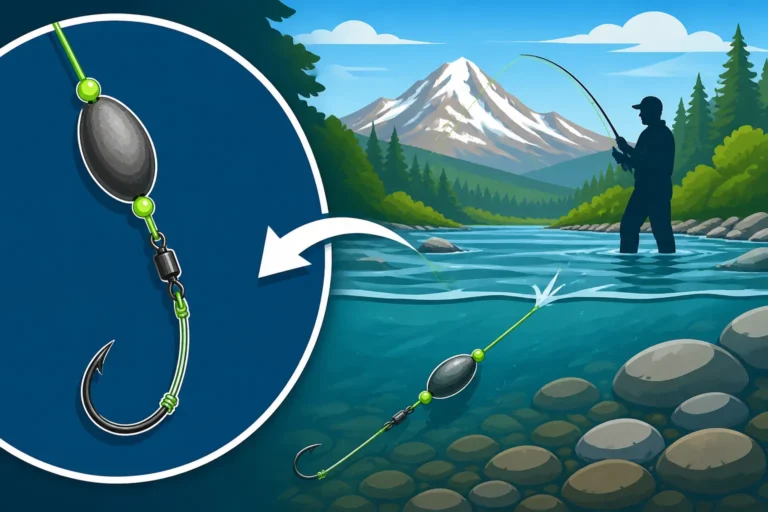
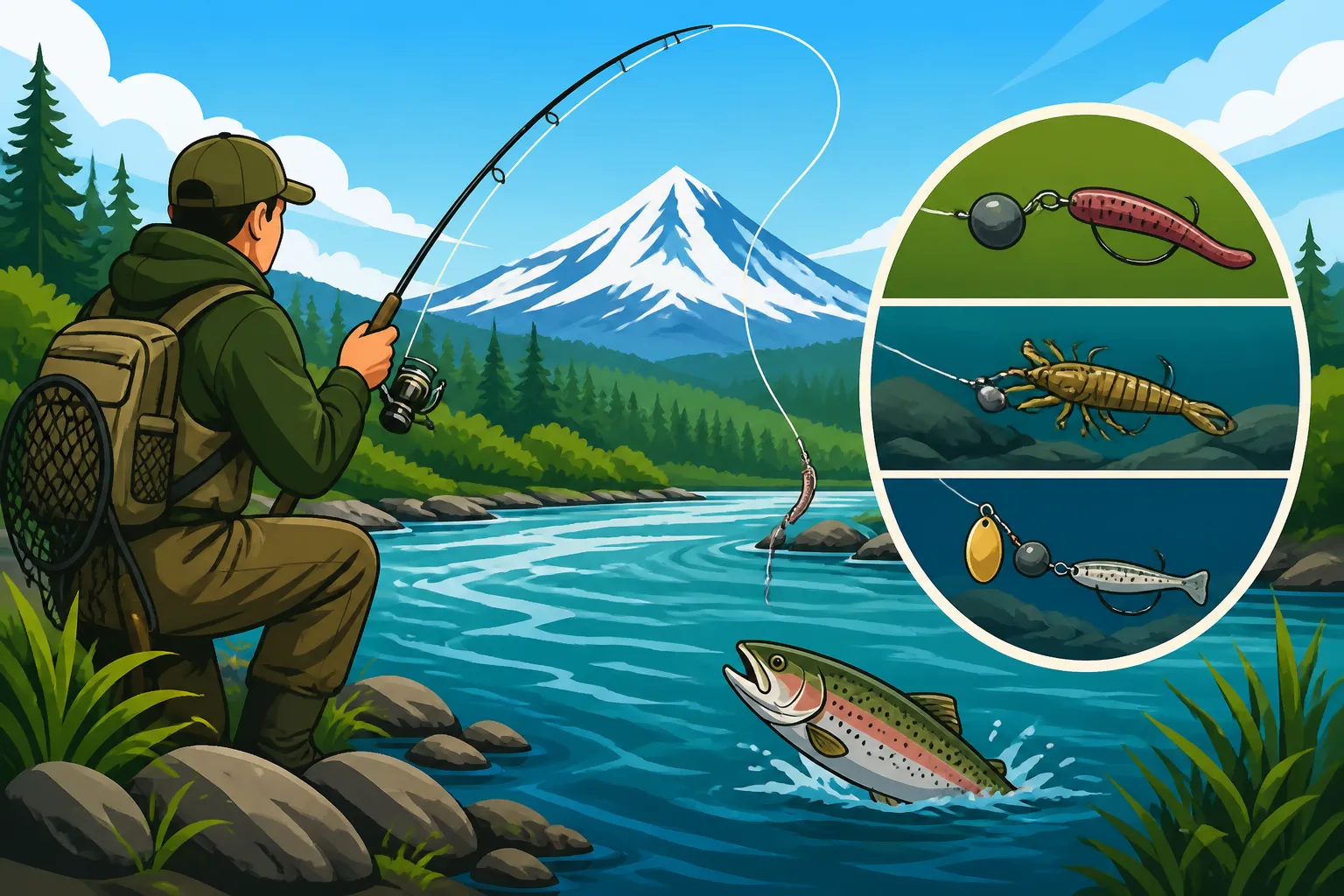
- The Setup: A typical drift fishing rig involves a main line (often braided with a fluorocarbon leader), a swivel, a small lead weight (like a slinky or pencil lead), and then your bait or lure. The weight's purpose is to tick along the bottom, keeping your offering in the strike zone without anchoring it. The length of your leader will vary; shorter leaders (12-18 inches) are good for faster water, while longer leaders (24-36 inches) work well in slower, clearer water. Your hook will carry your bait, such as a cured salmon egg cluster, a chunk of shrimp, or an artificial presentation like a small Cheater or Corky with yarn.
- The Cast and Drift: From the bank, cast slightly upstream and across the current. As your rig sinks, keep a close eye on your line. You want your weight to be occasionally bumping the bottom, so you feel a subtle "tick-tick-tick." The key is to keep as little slack in your line as possible while still allowing your weight to drift naturally. This requires constant mending (lifting your rod tip and flipping slack line upstream) to counteract the current and keep your line relatively straight. When a fish bites, it often feels like a heavier "thump" or a sudden stop in the ticking. Set the hook decisively!
- Targeting Species: Drift fishing is a go-to method for Oregon Steelhead Fishing Techniques on rivers like the Deschutes, John Day, and coastal streams. It's also highly effective for various salmon species, including Chinook and Coho, as they move upstream. The natural presentation is incredibly appealing to these fish as they hold in various river features.
The Patient Art of Plunking
When the water is high, murky, or fast, or you just want a more relaxed approach, plunking becomes a bank angler's best friend. This technique involves casting out a heavy rig and letting it sit on the bottom, waiting for fish to come to you. It's especially popular for spring and fall Chinook salmon.
- The Setup: A plunking rig is designed to anchor in the current. It usually consists of a heavy lead weight (often 4-8 ounces or more, depending on current strength), a spreader bar, and a leader with your bait or lure. The spreader bar keeps your leader away from your main line, preventing tangles. On your leader, you might run a Spin-N-Glo, a wobbler, or a bait wrapped with cured salmon eggs or a sardine fillet. The idea is for the current to make your lure "work" or for the scent of your bait to attract fish.
- Casting and Waiting: Find a spot with good current flow, ideally near a recognized travel lane for salmon, such as a deep channel or the edge of a riffle. Cast your heavy rig out and let it sink to the bottom. Your rod should be in a sturdy rod holder, pointing towards the water at a slight angle. Engage the reel, but keep the drag set appropriately so a strong take doesn't pull your rod into the river! Now, you wait. This is a game of patience, often with multiple rods deployed if regulations allow. Watch your rod tip for any indication of a bite, which can range from a subtle tap to a rod-bending slam.
- Where and When: Plunking is fantastic on larger rivers like the Columbia or the Willamette when salmon are running, particularly during periods of high water or when fishing becomes challenging due to conditions. It's also a surprisingly effective method for Sturgeon Guide Trips on the Columbia, where you might be using very large chunks of bait like herring or squid. Remember to consult Oregon Fishing Regulations Explained for specific rules on rod limits.
Active Lure and Bait Casting
Sometimes, you need to cover water and actively seek out fish. This is where casting lures and baits comes into play, offering a more dynamic and engaging bank fishing experience.
- Spinners and Spoons: These are classic choices for a reason. Spinners (like Rooster Tails or Mepps Aglias) flash and vibrate as you retrieve them, mimicking small fish or insects. Spoons (like Little Cleos or Dick Nites) wobble enticingly. Cast them upstream or across the current and retrieve them at a speed that allows them to swim naturally, covering different depths. These are highly effective for various trout species, as well as smaller salmon and steelhead. They are also excellent choices when How to Catch Trout in Stocked Oregon Lakes where fish might be more aggressive.
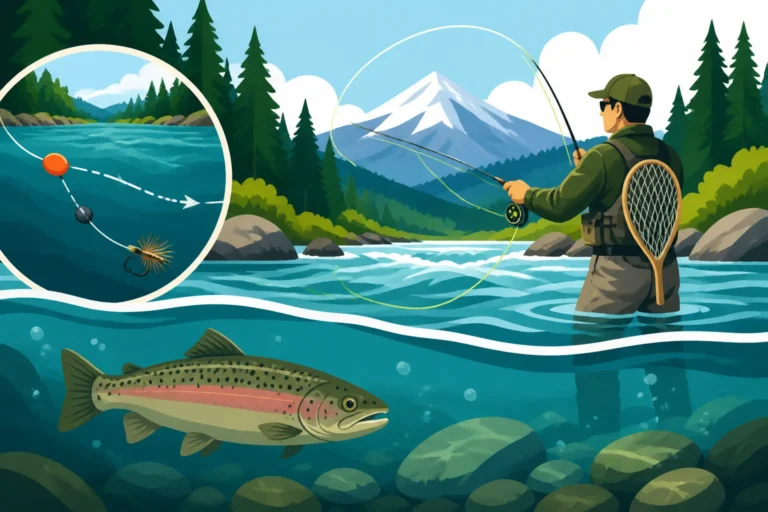
- Jigs: Jigs, often tipped with a piece of bait or a soft plastic grub, are incredibly versatile. You can cast them out and retrieve them with a jigging motion, or you can drift them under a float (float-and-jig technique) for salmon and steelhead. The float keeps your jig at a consistent depth, while the jig's action entices bites. This technique can be deadly in slower pools and eddies.
- Crankbaits and Swimbait: For species like smallmouth bass (which are plentiful in rivers like the John Day and Umpqua), crankbaits and swimbaits are excellent for covering water. Cast them near structure like submerged logs, rock piles, or current breaks, and retrieve them to imitate fleeing baitfish. Understanding Oregon Bass Fishing Guide will definitely enhance your success in these areas.
Reading the River from Shore
Successful bank fishing isn't just about having the right gear and techniques; it's about understanding the river itself. Learning to "read the water" allows you to identify potential fish-holding lies and present your offering effectively, even from a fixed position on shore.
Spotting Fish-Holding Structure
Fish, especially in rivers, are constantly looking for three things: food, shelter, and a break from the current. Your job as a bank angler is to identify where these elements intersect.
- Current Seams: Look for areas where fast water meets slow water. These "seams" are prime feeding lanes. Fish will often hold in the slower water, conserving energy, and dart out into the faster current to ambush passing food. From the bank, these are often visible as distinct lines or changes in the water's surface texture. Drifting your bait along these seams is a highly effective strategy for salmon and steelhead.
- Log Jams and Fallen Trees: Submerged wood offers excellent cover and current breaks. Fish will hide in and around these structures, feeling safe from predators and out of the main current. Be prepared for snags, but don't shy away from casting near these areas; often, the biggest fish are hiding there. On rivers like the Clackamas or Santiam, you'll often see these natural fish havens.
- Rock Piles and Boulders: Similar to wood, large rocks create eddies and current breaks, providing refuge for fish. These are classic trout and bass holding areas. Cast your lure so it drifts or swims naturally past these structures.
- Drop-offs and Deep Holes: Any sudden change in depth can be a magnet for fish. Deep holes offer comfort and security, especially in warmer water or during low flows. From the bank, you can often identify these areas by observing changes in water color or current speed, or by using a weighted jig to feel the bottom contour.
- Overhanging Vegetation: Trees and bushes along the bank provide shade and can drop insects into the water, making them attractive to trout and other smaller fish. These are excellent spots for a subtle cast with a fly or a small spinner.
Understanding Current Dynamics
The river's current is not uniform; it constantly changes, creating various micro-environments that fish exploit. Knowing how to interpret these dynamics is crucial for proper bait presentation.
- Eddies: These are areas of slack water or even reverse current, often found behind large obstructions like boulders, points of land, or log jams. Fish love eddies because they can rest out of the main current while still having easy access to food that gets swept into the calmer water. Casting into the main current and letting your bait swing into an eddy can be incredibly effective.
- Riffles and Runs: Riffles are shallow, fast-moving sections of water, often with a rocky bottom, that oxygenate the water and dislodge insects. Downstream from a riffle, the water often deepens and smooths out into a "run," which is a prime travel and feeding lane for many species.
- Tailouts: This is the shallow, gravelly end of a pool, just before the water drops into the next riffle. Fish often stage in tailouts before moving upstream, and they can be excellent spots to intercept migrating salmon and steelhead.
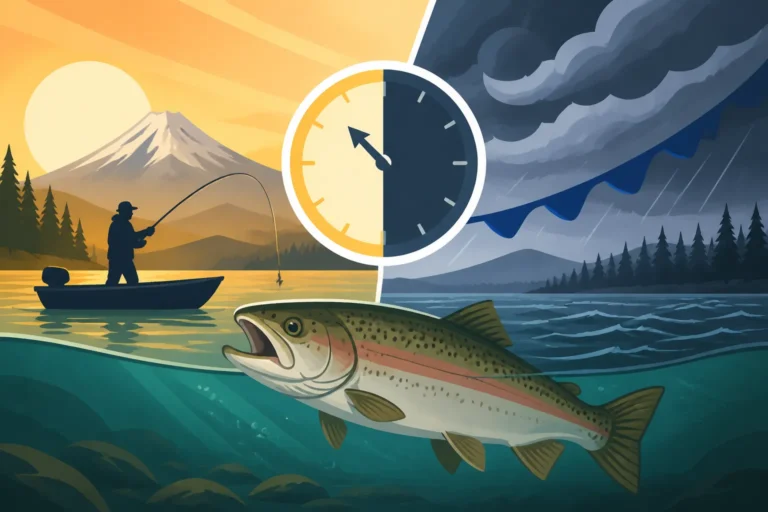
- Water Levels and Clarity: Always pay attention to recent rainfall and river flows. High, turbid water usually means fish are closer to the banks and looking for slower water. Lower, clearer water means fish might be spookier and holding in deeper, more protected lies. Your choice of bait and line strength should adapt to these conditions. When in doubt, check current ODFW reports or local guides for up-to-date conditions on specific rivers.
Safety and Etiquette for River Bank Anglers
While bank fishing is generally very accessible and enjoyable, it's vital to prioritize safety and practice good etiquette. Not only does this protect you, but it also ensures a positive experience for everyone sharing the river.
Navigating Riverbanks Safely
Oregon's riverbanks can be rugged, slippery, and sometimes dangerous. A little common sense and preparation go a long way.
- Watch Your Step: River rocks are notoriously slick, especially when wet or covered in algae. Always wear appropriate, slip-resistant footwear, like wading boots with good traction. Take your time, test your footing, and avoid running. A fall on slippery rocks near moving water can have serious consequences.
- Know Your Limits: Don't attempt to wade into water that is too deep or too fast for your skill level or equipment. A sudden drop-off or an unexpectedly strong current can sweep you off your feet. If in doubt, stay out.
- Be Aware of Your Surroundings: Look up! Are there unstable banks that could crumble? Are there stinging nettles or poison oak you should avoid? Be mindful of wildlife, too, especially if you're in a more remote area.
- Pack a First Aid Kit: Minor cuts, scrapes, or hook punctures are common when fishing. A small, waterproof first-aid kit can address these issues quickly and prevent them from becoming more serious.
- Wading Staff: For those who do venture into the water a bit, a wading staff provides an extra point of contact and stability, helping you navigate uneven bottoms and stronger currents. It can be a lifesaver.
Mind Your Manners and the Environment
River fishing is a shared experience, and respecting others and the environment ensures everyone can enjoy these precious resources.
- Give Space: Crowded fishing spots are never fun. If someone is already fishing a stretch of bank, give them plenty of room, typically at least 50-100 feet if possible, or more depending on the casting technique. Don't cast over their lines or into their "fishing water." A polite "Is this spot taken?" can go a long way.
- Share the Water: If you're having success in a particular spot, don't hog it all day, especially if others are waiting. Consider rotating through popular areas, allowing everyone a chance. This is particularly true on popular stretches of rivers like the Wilson or Nestucca during steelhead runs.
- Pack It In, Pack It Out: This is non-negotiable. Whatever you bring to the river, take it home with you – and ideally, take a little extra trash that someone else left behind. Fishing line, bait containers, and food wrappers have no place on the riverbank. Help keep Oregon's rivers pristine.
- Respect Private Property: Not all river frontage is public. Pay attention to signs and respect private land boundaries. Trespassing can lead to fines and can also jeopardize future public access.
- Understand Oregon Fishing Season Dates and Limits: Be thoroughly familiar with the local regulations for the specific river and species you are targeting. This includes daily bag limits, size restrictions, and specific gear rules (e.g., barbless hooks, bait restrictions). Violations can result in hefty fines and loss of fishing privileges. Remember that game wardens regularly patrol and are well within their rights to check your license and catch.
- Proper Fish Handling: If you plan to release fish, learn proper catch-and-release techniques to minimize stress and maximize survival. Keep the fish in the water as much as possible, use wet hands, and revive it gently before release.
Species-Specific Bank Fishing Tips for Oregon
Oregon's rivers are home to a diverse array of fish, and while some general techniques apply, tailoring your approach to specific species can greatly increase your chances of success from the bank.
Nailing Those Bank-Caught Trout
Trout fishing from the bank in Oregon's rivers is a cherished pastime, offering opportunities for native cutthroat, rainbow, and even some planted brown trout.
- Finding Them: Trout love cool, oxygenated water. Look for them in riffles, runs, and the edges of pools, especially near cover like submerged rocks, logs, or overhanging vegetation. Tailouts of pools, where the water shallows out before dropping into a riffle, are also prime holding spots. They're often found in areas that hold insect life. Consider rivers like the Metolius (often fly-fishing only, check regulations!) or many of the smaller Cascade streams for excellent trout opportunities.
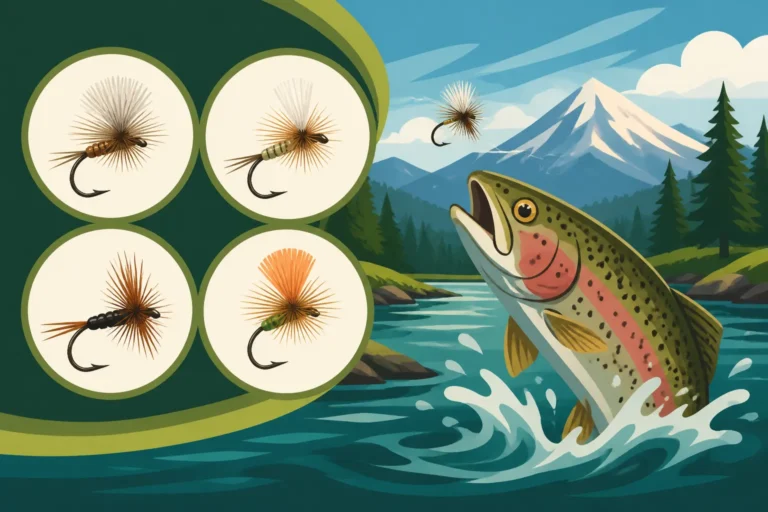
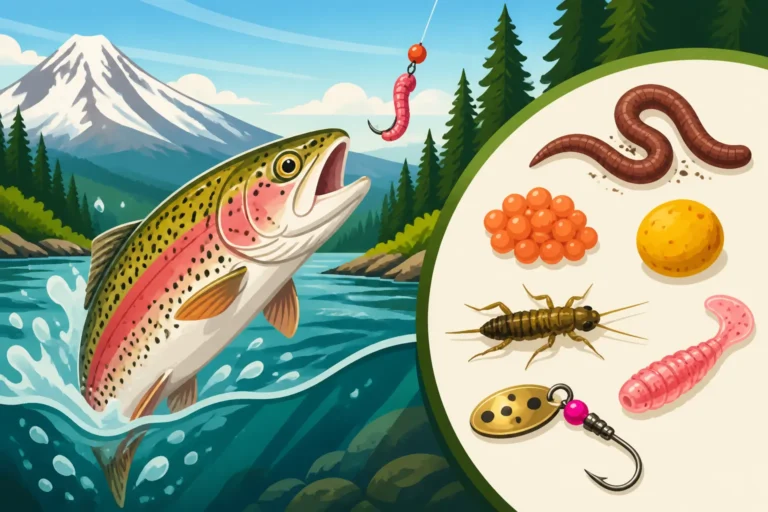
- Effective Baits and Lures: For bait anglers, small worms (nightcrawlers, red wigglers), cured salmon eggs, or powerbait fished on a light line with minimal weight are very effective. Let the bait drift naturally into likely holding spots. For lure anglers, small spinners (sizes 0-2) in silver, gold, or brass, or tiny spoons, are deadly. Cast upstream and retrieve just fast enough to get the blade spinning. Fly anglers, even from the bank, can have great success with nymphs, dry flies, or small streamers, depending on the hatch. For more specialized info, dive into our Oregon Trout Fishing Techniques guide.
- Light Tackle is Key: Trout, especially wild ones, can be line-shy. Use light line (4-8 lb test monofilament or fluorocarbon leader) and a sensitive rod (6-8 foot, light to medium-light action). This makes the fight more sporting and allows for a more natural presentation.
Tackling Bass and Panfish from Shore
While many associate Oregon river fishing with salmon and steelhead, don't overlook the fantastic opportunities for warmwater species like smallmouth bass, largemouth bass, and various panfish from the bank, especially in the warmer months.
- Smallmouth Bass Hotspots: Smallmouth bass thrive in rivers with rocky bottoms, current, and plenty of structure. The John Day River is famous for its smallmouth population, but you'll also find them in sections of the Umpqua, Willamette, and Columbia rivers. Look for them around boulders, ledges, submerged wood, and current seams, especially where the current isn't too overpowering.
- Lure Selection for Bass: Smallmouth are aggressive and will hit a wide variety of lures. Small crankbaits, spinnerbaits, plastic worms (Texas-rigged or wacky-rigged), tube jigs, and swimbaits are all excellent choices. Cast them to structure and retrieve with varied actions. A medium-light to medium-action spinning rod (6.5-7.5 feet) with 8-12 lb test line is a versatile setup.
- Panfish Perfection: For a fun, family-friendly outing, target panfish like crappie, bluegill, and yellow perch. These often congregate in slower, warmer backwater sections, eddies, and sloughs off the main river channel. Look for areas with lily pads, docks, or submerged brush.
- Simple Panfish Rigs: Panfish are usually not picky. A small hook (size 8-12) with a piece of worm, corn, or a tiny jig (like a 1/32 or 1/16 oz tube jig) suspended under a bobber is often all you need. They provide consistent action and are perfect for introducing kids to fishing. You'll find good panfish opportunities in quieter sections of the Willamette or Columbia, and many smaller ponds connected to river systems. Always check Oregon Daily Bag Limits Explained for panfish, as they often have generous allowances.
Disclaimer
Fishing regulations can change frequently. Always consult the most current Oregon Department of Fish and Wildlife (ODFW) regulations before heading out. This guide is for informational purposes only and does not supersede official ODFW publications.