Winchester Bay salmon fishing spots
Ah, Winchester Bay! It's a truly iconic spot on the Oregon Coast, especially if you're chasing after those hard-fighting salmon. But let's be real, figuring out where to even start, what tide to fish, or what gear to use can feel like trying to solve a puzzle blindfolded. Many folks get overwhelmed by the sheer size of the Umpqua River estuary and the constant changes in regulations and fish behavior. This comprehensive guide is here to unravel those mysteries, helping you pinpoint the prime salmon fishing spots in Winchester Bay, understand the best times to hit them, and arm you with the knowledge to make your next trip a roaring success.
Understanding Winchester Bay's Salmon Runs
Winchester Bay isn't just a pretty face; it's a critical gateway for salmon making their way into the Umpqua River system. This means it sees fantastic runs of both Chinook and Coho salmon, offering distinct opportunities throughout the year. Knowing when these fish are expected and understanding their behavior is half the battle won.
Chinook Salmon Seasons Spring and Fall
Chinook salmon are the kings of the salmon world, and Winchester Bay hosts two primary runs: the spring Chinook and the fall Chinook. Each has its own rhythm and challenges.
Spring Chinook, often called "springers," start showing up in the bay as early as April, with the run typically peaking in May and June. These fish are renowned for their incredible table quality, as they still carry a high fat content from their ocean feeding. They tend to hold in deeper channels and are notoriously tricky to catch, often requiring a patient approach. You'll find anglers targeting them in the main Umpqua channel as they make their way slowly upstream, often pausing in the cooler, deeper pockets. The thrill of landing a springer is something every angler should experience, but be prepared for some slower fishing. Success often hinges on understanding the subtle currents and presenting your bait or lure perfectly.
Then comes the mighty fall Chinook run, which is arguably the most popular and productive salmon season in Winchester Bay. These fish start entering the bay in late August, with the peak often hitting in September and early October. Unlike their spring counterparts, fall Chinook are typically larger, more aggressive, and often more concentrated as they push hard to spawn. They're often caught closer to the surface, especially during tide changes, as they stage before running upriver. The sheer numbers can be astounding, and it's not uncommon for multiple boats to be hooked up simultaneously during peak tides. If you're looking for consistent action and bigger fish, the fall Chinook run is your prime window. Just remember, with popularity comes crowds, so be ready to share the water. For more details on these magnificent fish, check out our guide on Chinook Salmon in Oregon.
Coho Salmon Opportunities
While Chinook grab a lot of the headlines, don't sleep on the Coho (or silver) salmon in Winchester Bay! Coho typically arrive a bit later than fall Chinook, with their run peaking from late September through October. These fish are smaller than Chinook on average, but what they lack in size, they make up for in acrobatics. Coho are famous for their aerial displays and aggressive strikes, making for an incredibly exciting fight.
They often travel in larger schools and can be found throughout the bay, often chasing baitfish near the surface. You'll see anglers targeting them with fast-trolling techniques or casting spinners and spoons near the jetties. While the focus for many is on Chinook, those in the know often switch gears to Coho when the silvers are thick, providing fantastic light-tackle action. The bag limits for Coho can sometimes be more generous than Chinook, making them a great target for filling the cooler. Always check the latest Oregon Fishing Regulations Explained for current limits.
The Influence of Tides and River Flow
Understanding the tides and the Umpqua River's flow is absolutely paramount for successful salmon fishing in Winchester Bay. This isn't just a suggestion; it's the golden rule for fishing estuaries.
Tides: Salmon in estuaries are heavily influenced by tidal movement. Incoming tides bring in cooler, ocean water and often push schools of baitfish and salmon into the bay. Many anglers find the bite to be most active during the first few hours of an incoming tide and again during the last hour or two before high slack. Conversely, outgoing tides can concentrate fish in specific channels as the water recedes, but the bite can also slow down. Slack tide, both high and low, is generally considered less productive as water movement is minimal. The transition periods, when the tide starts to move from slack to flow, are often prime windows.
River Flow: The amount of freshwater coming down the Umpqua River also plays a significant role. High river flows, often after heavy rains, can make the water murky and push salmon deeper or make them less willing to bite. In these conditions, brighter lures and baits with strong scents might be more effective. Low river flows, common during dry summer months, mean clearer water, and fish might be more sensitive to boat traffic or might hold in deeper holes. A moderate river flow, with good clarity, is often ideal, allowing fish to migrate naturally and providing good fishing conditions. Always consider both the tide charts and recent weather patterns when planning your trip to Winchester Bay.
Top Fishing Spots for Salmon in Winchester Bay
Winchester Bay offers a variety of fishing environments, from the turbulent jetty waters to the calmer inner bay and upstream reaches of the Umpqua. Each spot presents unique opportunities and challenges for salmon anglers. Knowing these prime locations can significantly boost your chances of success.
The Jetties and Mouth of the Umpqua River
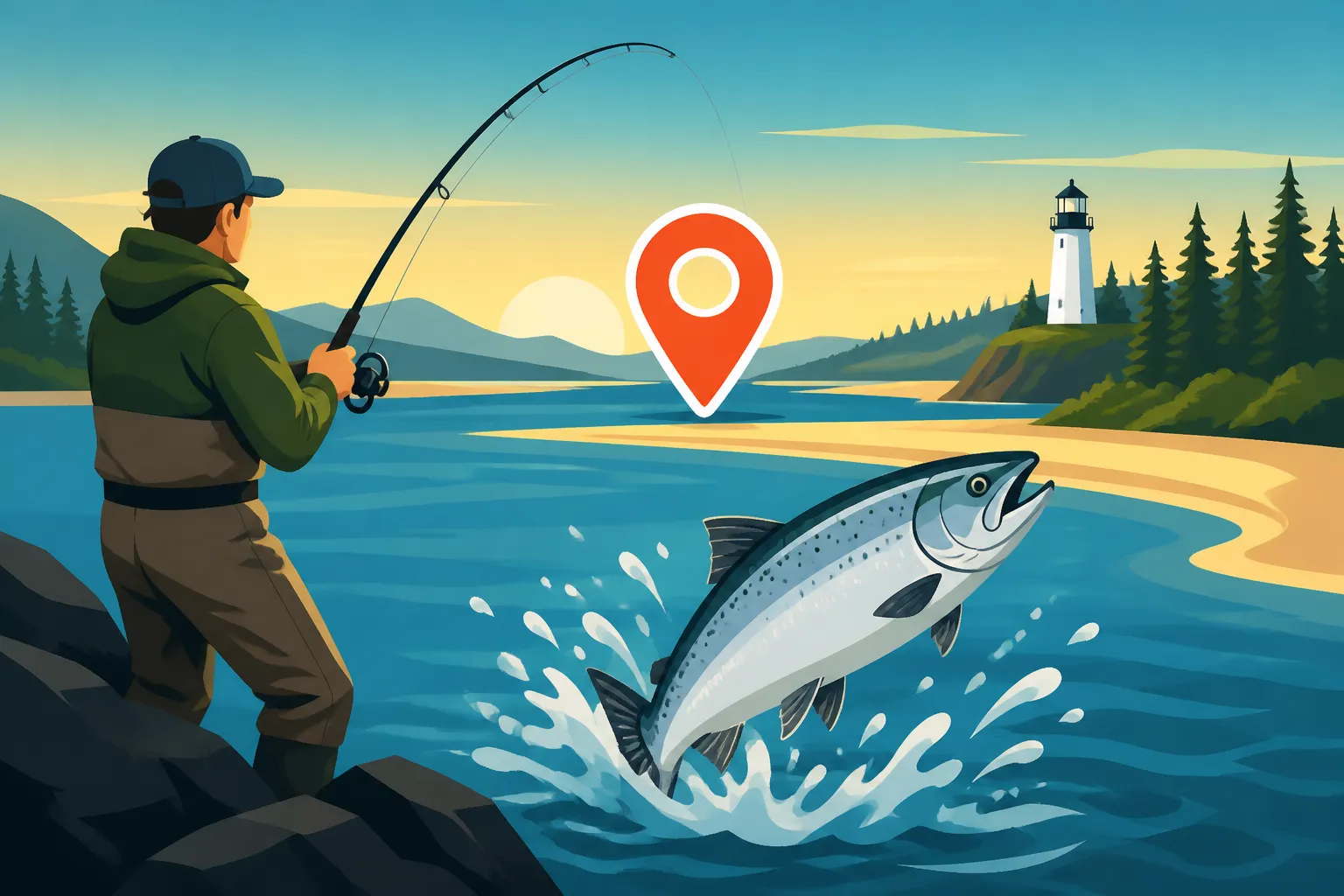
The North and South Jetties at the mouth of the Umpqua River are legendary. This is where the ocean meets the river, creating a dynamic zone that salmon must navigate. For many anglers, particularly those without boats, the jetties offer incredible bank fishing access. You'll find folks casting large spoons, spinners, or bait (like herring or anchovies) from the rocks, especially during the incoming tide when salmon are pushing in.
Fishing from a boat near the jetties can be even more productive, allowing you to access deeper water and follow the main channels. However, safety is paramount here. The currents can be incredibly strong, and ocean swells can make for treacherous conditions, especially on an outgoing tide. Always keep an eye on the bar conditions and only venture out when it's safe and within your boating capabilities. The area just inside the bar, where the strong currents meet the calmer bay waters, is a classic staging area for both Chinook and Coho. Trolling here with bait or diving plugs can be highly effective. This area requires a keen understanding of boat control and quick reactions when a salmon hits.
The Umpqua River Estuary and Main Channel
Once you move past the immediate mouth, the vast Umpqua River estuary opens up, offering miles of prime salmon habitat. This is primarily a boat-fishing zone, where anglers employ a variety of techniques. The main channel, which runs through the heart of the bay, is a high-traffic area for migrating salmon.
Salmon Hole: One particularly famous spot is "Salmon Hole," though its exact location can vary slightly with shifting sands and local knowledge. Generally, it refers to a deeper, prominent hole or bend in the main channel, often around the area where the Umpqua meets Scholfield Creek. This is a classic spot for both spring and fall Chinook to congregate and rest before continuing their journey upstream. Anglers often troll with divers and bait, or large plugs like Kwikfish, focusing on the edges of the channel and the deeper depressions. Anchor fishing with cured salmon roe or herring is also very popular here, especially during slower tidal movements.
Main Channel Trolling: The entire main channel from the jetties up past the town of Reedsport provides excellent trolling opportunities. Experienced anglers will often follow specific depth contours or current lines, particularly on an incoming tide. You'll see a lot of boats running downriggers to get their gear into the strike zone, especially when salmon are holding deeper. The key here is to maintain a consistent speed and present your lure or bait naturally. Using a fish finder to locate schools of baitfish or salmon marks is incredibly helpful in this expansive area. For specific techniques, check out our guide on Oregon Salmon Fishing Techniques.
Salmon Hole and Reedsport Area
As you move further upriver, past the primary bay and towards the town of Reedsport, the Umpqua River narrows, and the currents become more riverine. This area offers different opportunities, particularly for later-run fall Chinook and Coho. The section just below and through Reedsport, sometimes referred to collectively as "Salmon Hole" by some or simply "the Reedsport stretch," can be very productive.
Here, the focus shifts slightly. While trolling is still effective in the deeper channels, drift fishing becomes more prominent, especially from boats. Anglers will often drift with roe, sand shrimp, or even small plugs, allowing their offering to tumble along the bottom, mimicking natural forage. The slower water around docks, pilings, and submerged structure can hold resting salmon.
Bank access becomes more limited here, but certain public docks or shoreline areas within Reedsport can provide opportunities, especially for Coho. Always be mindful of private property and designated fishing areas. The fishing in this upstream section can be heavily dependent on river conditions and recent fish movement, so checking with local tackle shops like S&S Outfitters in Reedsport or the Winchester Bay Sporting Goods can provide invaluable, up-to-the-minute reports.
Essential Techniques and Gear for Winchester Bay Salmon
Successfully landing a salmon in Winchester Bay requires more than just knowing where to go; it demands the right techniques and a solid understanding of your gear. These fish are powerful, and the estuary environment can be challenging.
Trolling for Salmon in the Bay
Trolling is undeniably the most popular and often most effective method for targeting salmon in the vast open waters of Winchester Bay. This technique involves moving slowly through the water, dragging your lures or bait behind the boat.
Gear: You'll want stout rods, typically 8.5 to 10.5 feet long with a medium-heavy action, paired with levelwind or conventional reels spooled with 25-40 lb monofilament or braid. Downriggers are practically essential for consistent success, allowing you to present your offerings at precise depths where the fish are holding. Planer boards can also be used to spread out lines, especially when targeting Coho higher in the water column.
Lures and Bait: When it comes to what to troll, the options are plentiful. For Chinook, cut-plug herring or whole anchovies, fished behind a flasher or dodger, are perennial favorites. Brands like Brads Killerfish or Kwikfish in various sizes and colors are also incredibly effective, especially when tipped with a sardine wrap. For Coho, smaller spoons, spinners, or hoochies (squid skirts) trolled behind flashers often entice strikes. Many anglers will also use a bait like a spinner with a piece of prawn or sand shrimp for added scent. Remember, presentation is key; ensure your bait is rotating correctly for maximum appeal. Finding the right combination often involves some experimentation based on the day's conditions and what the fish are keying in on. For more insights on specific terminal tackle, dive into our guide on Best Lures for Oregon Salmon Fishing.
Drift Fishing and Anchoring Strategies
While trolling covers a lot of water, drift fishing and anchoring can be incredibly effective, especially in specific areas or when fish are concentrated in deeper holes. These methods require a more patient approach but can yield big rewards.
Drift Fishing: This technique involves allowing your boat to drift with the current, presenting your bait or lure as naturally as possible. It's particularly effective in the narrower sections of the Umpqua or when fish are holding close to the bottom. You'll use a lead sinker (often a "slider" or "pencil lead" setup) to keep your bait near the bottom, just above any snags. Popular baits include cured salmon roe (roe bags), sand shrimp, or even chunks of herring. The key is to feel for the subtle takes, which can sometimes just be a slight tap or pressure change. This method is often done without a motor running, relying purely on the current, making it a serene yet engaging way to fish.
Anchoring: For "Salmon Hole" or other deep pockets where fish are known to congregate, anchoring can be highly productive. Once anchored upstream of a promising spot, you can deploy multiple rods, each with a different bait or presentation, and let the scent plume work its magic. Cured roe, herring, or even a sardine-wrapped plug are common choices. This allows you to thoroughly work a specific area without constantly repositioning. Just be mindful of other boats and anchor responsibly, ensuring you don't block prime drifting lanes. Both drift fishing and anchoring require a good understanding of how the current behaves in the specific spot you're fishing.
Bank Fishing from the Jetties
For those who prefer to keep their feet on solid ground, bank fishing from the jetties can be an exhilarating way to catch salmon in Winchester Bay. It offers a unique challenge and the chance to hook into a fresh, chrome salmon right from the ocean.
Safety First: The jetties can be slippery, especially when wet, and waves can wash over them unexpectedly. Always wear appropriate footwear with good grip and consider a life vest, especially if fishing alone or in rough conditions. Never turn your back on the ocean.
Techniques: Anglers typically cast heavy spoons, spinners, or jigs, letting them sink and then retrieving them with an erratic motion to imitate a wounded baitfish. Buzz Bombs and Luhr Jensen Krocodiles are classic choices. During an incoming tide, when salmon are pushing hard into the estuary, casting cut-plug herring or anchovies on a leadhead jig can also be very effective. Use a fairly stout rod (9-10 feet) to handle the casting weight and to fight strong fish in heavy current. Pay close attention to the tide; fishing during the incoming tide, especially near the high tide mark, often provides the best opportunities. Being on the jetties when a big school of Coho is moving through, slashing at your lures, is an unforgettable experience!
Planning Your Winchester Bay Salmon Adventure
A successful fishing trip to Winchester Bay involves more than just showing up with a rod and reel. It requires careful planning, adherence to regulations, and a bit of local insight to maximize your chances of success.
Checking Regulations and Forecasts
This cannot be stressed enough: always check the latest regulations from the Oregon Department of Fish and Wildlife (ODFW) before you head out. Salmon seasons in estuaries like Winchester Bay are often complex, with specific dates, bag limits, and gear restrictions that can change frequently, sometimes even mid-season, due to fish returns or emergency closures.
You'll need an Oregon Annual Angling License and likely an Oregon Ocean Endorsement if you plan to fish near the mouth or in ocean waters. There might be specific size limits, daily bag limits, and even weekly or seasonal quotas for certain species like Chinook or Coho. For instance, the Oregon Daily Bag Limits Explained guide offers general information, but for Winchester Bay specifically, always consult the ODFW website or a current regulations booklet. Additionally, pay attention to the marine weather forecast, especially if you plan to fish near the mouth or venture into the ocean. High winds, rough bars, or heavy swells can make fishing dangerous or impossible. Always check for How to Check Oregon emergency fishing closures before you leave.
Chartering a Boat or Going DIY
Deciding whether to book a guided trip or tackle Winchester Bay on your own depends on your experience level, budget, and desired fishing experience.
Chartering a Boat: If you're new to the area, don't have a boat, or simply want to maximize your chances of success without the hassle, booking an Oregon fishing charter is an excellent option. Local guides know the bay intimately, have the right gear, and are experts at finding fish. Many charter operators in Winchester Bay, such as those you can find listings for on platforms like FishingBooker, specialize in salmon. A charter typically includes all the necessary gear, bait, and a knowledgeable captain to put you on the fish. This can be especially valuable for first-timers or for families wanting a hassle-free day. It's a fantastic way to learn the ropes and enjoy the experience. For more on this, our Oregon Fishing Charter Guide can offer further details.
Going DIY: For experienced boat owners, fishing Winchester Bay DIY offers freedom and adventure. You can launch your boat at the public ramps within Winchester Bay. Make sure your boat is properly equipped for the bay's conditions, including safety gear, a reliable motor, and a good fishfinder/GPS. You'll need to supply all your own rods, reels, bait, and tackle. This option is generally more cost-effective if you already own the equipment, but it places the responsibility of navigation, fish finding, and technique squarely on your shoulders. It's a rewarding challenge, but definitely requires preparation.
Best Times and Conditions for Success
Timing is everything when it comes to salmon fishing in Winchester Bay. Beyond the general seasons for Chinook and Coho, there are optimal daily conditions that can significantly influence your success.
Tidal Influence: As mentioned, the incoming tide is often the most productive. Aim to be on the water and fishing for the first few hours of the incoming tide, particularly if you're targeting fish near the mouth or in the main channels. The period leading up to high slack and the turn of the tide can also be excellent. Use a reliable tide chart and plan your trip around these windows.
Time of Day: While salmon can bite throughout the day, early mornings and late afternoons often provide cooler water temperatures and lower light conditions, which can make salmon more active and aggressive. During the peak of summer, these low-light periods are especially crucial.
Weather Conditions: Overcast days with light breezes often create ideal fishing conditions, providing good camouflage for your boat and keeping the water temperatures stable. Bright, sunny days can make fish more wary, especially in shallower water, pushing them deeper. Avoid fishing in strong winds or heavy rain, not only for comfort but also because these conditions can make boat control difficult and murky water less productive. A calm day, with a gentle current and a favorable tide, is often a recipe for a memorable salmon fishing day in Winchester Bay. Don't forget to review Oregon Fishing Season Dates and Limits for overall run timings.
| Fishing Spot | Target Salmon Species | Primary Techniques | Best Conditions | Notes |
|---|---|---|---|---|
| The Jetties | Chinook, Coho | Casting, Bait Fishing | Incoming Tide, Calm Ocean Swells | Great for bank anglers; safety is crucial for boats |
| Umpqua River Main Channel | Chinook, Coho | Trolling (downriggers) | Incoming/Outgoing Tide Transitions | Focus on depth contours and bait schools |
| Salmon Hole (Lower Estuary) | Spring Chinook, Fall Chinook | Trolling, Anchoring | Incoming Tide, Slack Tide | Deeper water, major holding area |
| Reedsport Area (Upriver) | Fall Chinook, Coho | Drift Fishing, Trolling | Moderate River Flow, Incoming Tide | Narrows here, good for a more "riverine" feel |
Disclaimer
Fishing regulations, seasons, and access can change without notice. While we strive to provide accurate and up-to-date information, it is always your responsibility to consult the official Oregon Department of Fish and Wildlife (ODFW) regulations before engaging in any fishing activity. This guide is for informational purposes only.