Chetco River winter steelhead fishing
Navigating the winter steelhead season on the Chetco River can feel like trying to solve a puzzle, especially when you're dreaming of those vibrant, hard-fighting chrome beauties but aren't sure where to start or what to expect. This comprehensive guide is here to demystify winter steelhead fishing on the Chetco, providing you with the knowledge and tactics to make your next trip successful and memorable.
Understanding the Chetco River Winter Steelhead Run
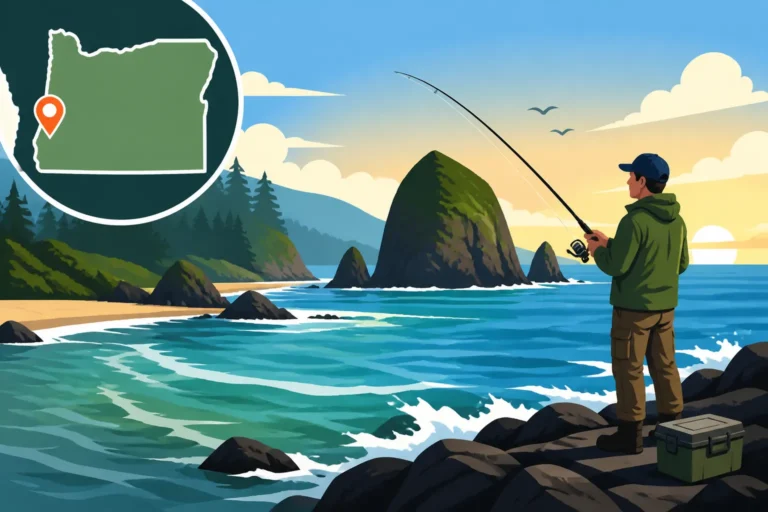
The Chetco River, a jewel of the Southern Oregon Coast, is renowned for its incredible winter steelhead runs. These are truly magnificent fish, fresh from the ocean, bursting with energy and a beautiful chrome sheen. Understanding the dynamics of their arrival and preferred habitats is crucial for any angler hoping to connect with them.
When the Steelhead Arrive
The winter steelhead run on the Chetco River typically kicks off in late November or early December, with the initial push often triggered by the first significant rains that raise the river level. However, the true peak season usually settles in from mid-December through February, and can often extend well into March if conditions remain favorable. It's not uncommon to hear tales of fantastic fishing even in April, though the numbers usually start to taper off by then. The timing is heavily dependent on rainfall and river flows; a good freshet will draw fish from the ocean, while sustained low, clear water can make them hesitant to push far upstream. Anglers often keep a close eye on the river's gauge height before planning a trip, looking for that sweet spot where the river has risen and then begun to drop and clear. Knowing the best "Winter Steelhead Run Timing in Oregon" can really make a difference.
Key Holding Waters and River Sections
The Chetco River is relatively short compared to some of Oregon's other steelhead rivers, but it packs a punch. Steelhead are often found throughout its accessible waters, but certain sections tend to hold fish more consistently. The lower river, from the mouth up to the North Fork Chetco confluence, is often the first to see fresh fish, especially during periods of higher water. As the run progresses and fish move upstream, they'll congregate in classic steelhead lies: deep pools, current seams, riffle tails, and behind large boulders or log jams that offer shelter from the current. Areas near Miller Bar, Loeb State Park, and the numerous bends and gravel bars upriver are prime real estate. Access can be found via several public access points, though many prime spots are accessed by drift boat. Always remember that fish will move with conditions, so being adaptable and willing to explore different sections is key.
Essential Techniques for Chetco River Steelhead
Winter steelhead fishing on the Chetco is primarily a drift boat game, though ample bank access exists for the persistent angler. The techniques employed are generally similar to those used on other coastal rivers, emphasizing presentation and getting your offering in front of fish in sometimes challenging conditions. For a broader understanding, you might want to review "Oregon Steelhead Fishing Techniques".
Drifting and Bobber Dogging
These are arguably the two most popular and effective methods for targeting winter steelhead on the Chetco. Drifting involves using a weighted presentation (often a slinky weight or pencil lead) to bounce bait or a lure along the bottom, mimicking natural forage washing downstream. This technique is incredibly effective in riffles, runs, and the heads of pools where steelhead often lie. You're aiming for a "dead drift," where your offering moves at the same speed as the current, allowing the fish to inspect and take it without resistance. Common setups include a baitcasting rod and reel, with line in the 10-20 lb test range, and a fluorocarbon leader of varying length.
Bobber dogging, a variation of drift fishing, uses a large float (the "bobber") to suspend your bait or lure just off the bottom while drifting it through prime holding water. The "dogging" aspect comes from strategically weighting the line below the float so it "dogs" along the bottom, keeping your presentation in the strike zone. This method is particularly effective in deeper, slower pools or when fishing around snags, as it helps prevent your gear from hanging up. Both techniques demand a good understanding of river currents and the ability to mend your line effectively to achieve that perfect drift.
Fly Fishing for Winter Steelhead
While the Chetco is better known for conventional gear, fly fishing for winter steelhead is a challenging and incredibly rewarding pursuit for dedicated anglers. Spey or switch rods are increasingly popular, allowing anglers to cast long lines and cover vast stretches of water without needing a back cast. Skagit and Scandi lines with various sink tips are used to get intruder-style flies, leeches, or weighted nymphs down to the fish. Swinging flies through runs and tailouts is a classic technique, relying on the steelhead's predatory instincts to chase down a fly.
For single-hand fly anglers, nymphing under an indicator or even short-line nymphing in deeper slots can be productive. The key to fly fishing success on the Chetco, as with any winter steelhead river, is stealth, patience, and impeccable presentation. You're often targeting areas with less current or slower seams where fish might hold before making their final push upstream. Understanding how "How to Fly Fish in Oregon" can greatly enhance your success.
Best Baits and Lures
Chetco River steelhead aren't overly picky, but certain presentations tend to shine. For bait anglers, cured roe (salmon eggs) is a perennial favorite, often drifted under a float or on the bottom. Sand shrimp and cured prawns are also highly effective, particularly when fish are fresh from the ocean. Always check local regulations, as bait restrictions can apply in certain areas or during specific seasons.
When it comes to lures, bright colored steelhead worms or soft plastic eggs in pink, orange, or chartreuse are go-to choices, especially when drifted with a small piece of lead. Spinners like Mepps or Blue Fox, particularly in sizes #3 or #4, with bright blades and dressed treble hooks, can entice aggressive strikes when swung through runs. Small plugs and wobblers, back-trolled or cast into holding water, are also popular, especially during higher, off-color water conditions. The vibrant colors and erratic action can really grab a steelhead's attention.
Navigating Regulations and Conservation
Fishing on the Chetco River, like all of Oregon's pristine waters, comes with specific rules and a strong emphasis on conservation. Knowing these regulations isn't just about avoiding penalties; it's about protecting the resource for future generations. It's always a good idea to consult the most current "Oregon Fishing Regulations Explained" before heading out.
Important Gear Restrictions and Catch Limits
The Chetco River has very specific regulations designed to protect its wild steelhead population. For example, the use of barbless hooks is mandatory when fishing for salmon and steelhead on most Oregon coastal rivers, including the Chetco. This is crucial for the safe release of wild fish. You'll definitely want to ensure you know "Do you need barbless hooks for steelhead in Oregon?". Additionally, there are often specific restrictions on gear types or bait in certain sections or during particular times of the season.
Regarding catch limits, anglers typically have a daily bag limit for hatchery steelhead, which are identifiable by a missing adipose fin (a small fleshy fin on the back). Wild steelhead, those with an intact adipose fin, are often strictly catch-and-release only. This distinction is vital, and anglers must be able to identify "How to tell a wild steelhead from a hatchery steelhead" to comply with the rules. There are also specific "Oregon Salmon and Steelhead Tag Requirements" that must be followed, so make sure your Combined Angling Tag is properly marked after retaining a hatchery fish.
Conservation Practices for Steelhead
Beyond simply following regulations, adopting strong conservation practices is paramount for the health of the Chetco's steelhead fishery. This means handling all fish, especially wild, unclipped steelhead, with the utmost care. Minimize their time out of water, use wet hands when handling, and support their body weight during release. Pliers or forceps are essential for quickly and safely removing hooks.
Practicing "Oregon Catch-and-Release Rules" responsibly ensures that these magnificent fish can continue their journey upstream to spawn. Anglers who are passionate about the Chetco River understand that it's a privilege to fish these waters, and treating the fish and their habitat with respect is a shared responsibility. By doing our part, we contribute to sustaining this incredible resource.
Planning Your Chetco River Adventure
A successful trip to the Chetco River involves more than just knowing where and how to fish. It also requires a bit of logistical planning, from knowing how to access the river to deciding whether a guided trip is right for you. The Chetco River is certainly one of the "Best Rivers to Fish in Oregon," so planning ahead pays off.
Access Points and Facilities
The Chetco River is accessible from several points along Highway 101, particularly in the Brookings area. Loeb State Park is a popular destination, offering camping, picnicking, and direct access to prime fishing waters. Upriver, various forest roads and turnouts provide additional bank access, though these spots can sometimes require a bit of hiking. For those with drift boats, several public boat ramps are available, allowing anglers to cover more water and reach less-pressured sections.
It's wise to check current river conditions and specific access points before you go, especially during winter when rain can affect road conditions. The nearest major town is Brookings, which offers a full range of services including tackle shops, restaurants, and lodging. These local businesses are often excellent sources for up-to-date river reports and advice.
Hiring a Local Guide
For many anglers, especially those new to the Chetco River or targeting winter steelhead for the first time, hiring a local guide can be an invaluable investment. A professional guide brings years of experience, knowing the river's nuances, where fish are holding, and the most effective techniques for current conditions. They provide all the necessary gear, expertise, and often, a comfortable drift boat experience.
A good guide not only puts you on fish but also teaches you about the river, its ecology, and proper fish handling. This can dramatically shorten your learning curve and significantly increase your chances of success. When looking for a guide, consider using platforms like FishingBooker, which allows you to browse various "Oregon Fishing Guide Services" and read reviews from other anglers to find the perfect fit for your Chetco River adventure. Many experienced Chetco guides list their services on FishingBooker, making it easy to compare options and book your trip. A guided trip can simplify your journey, ensuring you have the right gear, are in the best spots, and are up-to-date on all local nuances. Even if you're an experienced angler, a day with a local expert booked through FishingBooker can provide insights you might not gain on your own. It's a fantastic way to maximize your time on the water and gain local knowledge, even finding multi-day trip options on FishingBooker if you want to extend your stay.
| Technique | Preferred River Conditions | Target Water Types | Ideal Gear Setup | Key Lures/Baits |
|---|---|---|---|---|
| Drift Fishing | Medium to high, slightly colored | Riffles, runs, heads of pools | Casting rod, baitcaster, 10-20lb mono, slinky lead | Cured roe, worms, soft beads, shrimp |
| Bobber Dogging | Medium to high, off-color | Deeper pools, current seams | Longer casting rod, baitcaster, 15-25lb mono | Cured roe, sand shrimp, jigs |
| Fly Fishing | Low to medium, clear | Tailouts, slower runs, soft seams | Spey/Switch rod, Skagit/Scandi line, sink tips | Intruder flies, leeches, heavy nymphs |
| Spinning | Medium, slightly colored | Faster runs, riffle seams | Spinning rod, 8-12lb mono/braid, small weights | Spinners, small plugs, spoons |
Disclaimer
The information provided in this guide is for general informational purposes only and is subject to change. Fishing regulations, seasons, and access points can vary. Always consult the latest official Oregon Department of Fish and Wildlife (ODFW) regulations before planning any fishing trip to ensure compliance and safety.