Alsea River salmon fishing spots
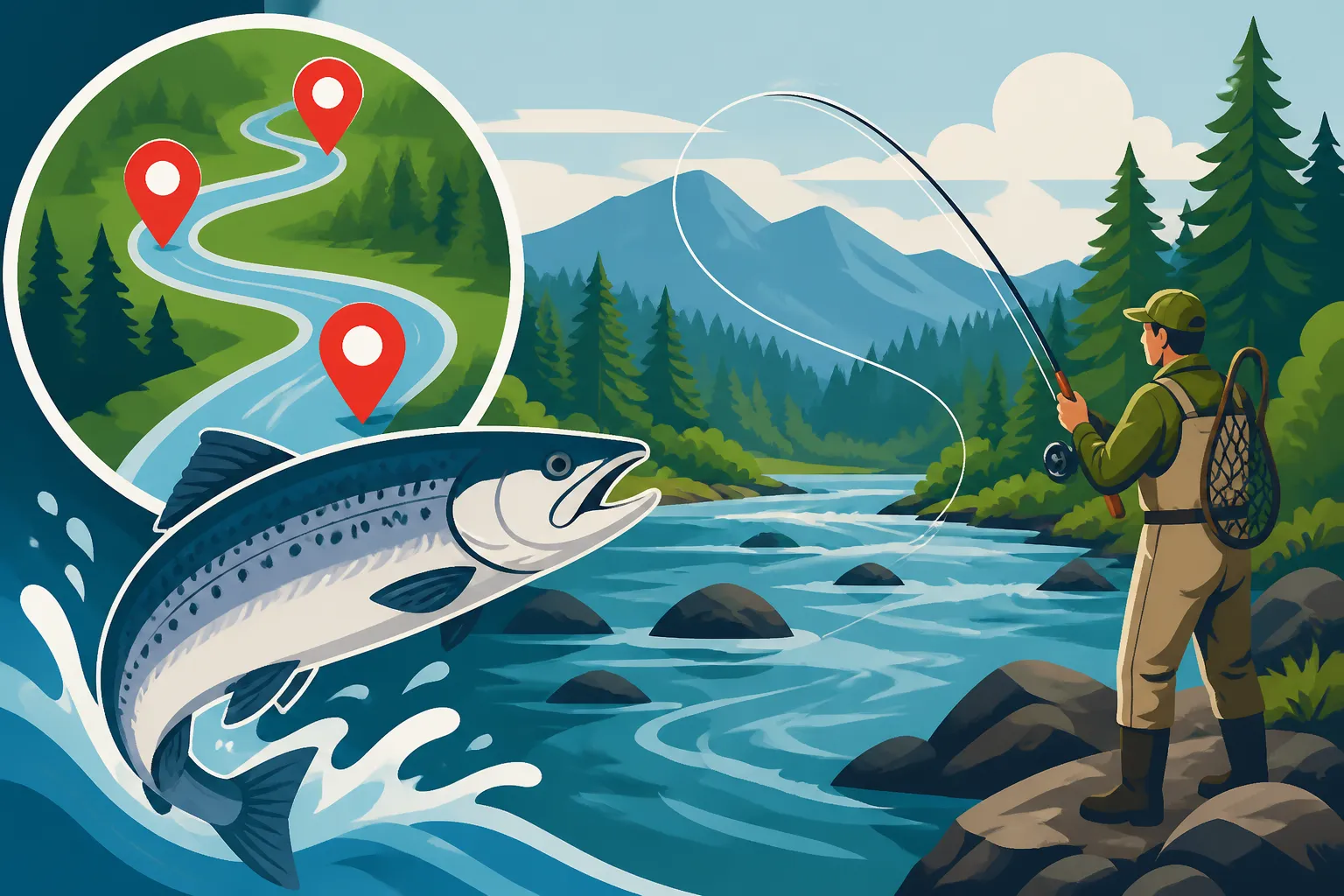
Trying to pinpoint the best salmon fishing spots on the Alsea River can feel like a real treasure hunt, especially when you're dreaming of fresh Chinook or Coho but aren't quite sure where to start. It’s frustrating to drive all the way out there only to find crowded banks or unyielding waters. This guide is here to cut through that confusion, helping you understand the Alsea's salmon runs and exactly where to cast your line for a successful day.
Understanding the Alsea River Salmon Runs
The Alsea River, a beautiful coastal gem in Oregon, is renowned for its vibrant salmon runs. However, knowing when and which species are making their way upstream is absolutely critical to your success. It’s not just about showing up; it's about timing your visit to coincide with the salmon's natural migration patterns.
Chinook Salmon in the Alsea
The "King Salmon," or Chinook, is often the most sought-after species, and for good reason—they're big, powerful, and absolutely delicious. On the Alsea, you'll generally encounter two distinct runs: fall Chinook and some early winter Chinook.
The main fall Chinook run typically begins in late August and peaks through September and October. These fish enter the river from the Pacific Ocean, driven by instinct and often by the first significant rains that raise river levels and cool the water. During this time, the lower river and tidewater sections, particularly around the town of Alsea and downstream towards Waldport, become prime hunting grounds. As the season progresses and more rain falls, fish push further upstream. You'll want to pay close attention to water clarity; fresh, slightly stained water after a rain can be fantastic, but blown-out, muddy conditions will shut down the bite. Anglers often target these powerful fish with heavy gear, focusing on bait presentations like cured salmon eggs, sand shrimp, or large plugs and spinners. For more detailed insights into specific techniques, checking out our guide on Oregon Salmon Fishing Techniques can be incredibly helpful.
Coho Salmon Opportunities
Coho salmon, often called "Silver Salmon" for their iridescent flanks, offer another exciting opportunity on the Alsea. Their run typically kicks off a bit later than the Chinook, usually in October and November, extending into December. While often smaller than Chinook, Coho are incredibly acrobatic fighters, making for an exhilarating experience on lighter tackle.
Coho tend to congregate in similar areas to Chinook in the lower and mid-river sections, but they are often more aggressive biters, especially when river levels are decent. They respond well to bright, flashy lures such as spinners, spoons, and small plugs. Bobber and jig fishing with pink or chartreuse jigs can also be incredibly effective, especially in slower-moving pools and back-eddies where Coho like to rest. Because Coho often travel in schools, once you find one, you might find several! Always remember that regulations for Coho can be quite specific, often distinguishing between hatchery and wild fish, so it's vital to stay informed on the current Oregon Fishing Regulations Explained.
The Importance of River Conditions
Fishing the Alsea River, like any coastal stream, is heavily influenced by Mother Nature. River conditions, particularly water levels, clarity, and even tidal influence in the lower sections, dictate both salmon movement and angling success.
When the river is low and clear, salmon can be spooky and hold in deeper, darker pools. This is when stealth and precise presentations become paramount. Conversely, after significant rainfall, the river can rise and become turbid. While a slight stain can be beneficial, encouraging fish to move and making them less wary, overly muddy conditions will typically send them hunkering down, making them almost impossible to catch. The sweet spot is often when the river is dropping and clearing after a rain, reaching that perfect "green" or "steelhead green" hue. You can often check river gauge data online through resources like the USGS to get an idea of current levels before you even leave home. This proactive check can save you a lot of disappointment and ensure you're fishing during optimal windows.
Prime Bank Fishing Locations on the Alsea River
For many anglers, especially those without a boat, bank fishing is the most accessible way to experience the Alsea River's salmon runs. While some spots can get crowded during peak season, there are plenty of productive stretches if you know where to look.
Alsea River Estuary and Tidewater Zones
The lower stretches of the Alsea River, from its mouth at Waldport up to and slightly past the town of Alsea, are heavily influenced by the tides and offer fantastic early season opportunities for both Chinook and Coho.
- Waldport Docks and Bayshore Area: Right at the mouth of the river, where it meets Alsea Bay, there are public docks and ample shoreline access, particularly around the Bayshore area. This zone is excellent for targeting salmon as they first enter the freshwater or stage in the bay. Trolling with bait or spinners from a boat is popular here, but bank anglers can also find success casting from docks or accessible beach areas, especially during incoming tides. The tidal push often brings fresh fish in, making these periods incredibly productive.
- Alsea Town and Immediate Downstream: The town of Alsea itself provides several public access points. Mill Creek Park, just downstream from Alsea, offers good bank access, as does the area around the bridge in town. These sections are where the river starts to narrow and gain more current, offering distinct holding water for salmon. Casting spinners, drift fishing with eggs, or plunking large baits from a solid anchor point can be very effective here. Always be mindful of private property signs and respect landowners.
Mid-River Access Points
As salmon push further upstream, the mid-river sections become increasingly important, especially as river levels fluctuate. These areas often feature a mix of deeper pools, riffles, and structure that salmon love to hold in.
- Upper Alsea River Road Access: Several turnouts and small informal trails along Upper Alsea River Road (which eventually becomes Alsea-Deadwood Highway) offer bank access. These spots are less developed than the parks but can provide excellent fishing solitude and access to prime water. Look for seams, current breaks, and log jams where fish might be resting. These areas are particularly good for drift fishing, allowing your bait or lure to tumble naturally through potential holding lies. Using a small float for indicators can help you detect subtle bites.
- Hatchery Release Sites (Downstream): While you can't fish at the Alsea Fish Hatchery itself, the water immediately downstream and in the vicinity often holds returning hatchery fish. These areas are usually well-marked and have designated public access. The return of hatchery fish offers a more consistent bite, especially later in the season. These spots can become popular, so arriving early is often key to securing a good fishing position. For information on how these hatchery programs contribute to fishing opportunities, our guide on Oregon Fishing Season Dates and Limits offers valuable context.
Upriver Opportunities and Hatchery Influence
The upper reaches of the Alsea River system, particularly closer to the Alsea Fish Hatchery, are critical for spawning salmon. While regulations can be stricter in these areas to protect wild spawning fish, they are undeniably magnets for returning salmon.
- Alsea Fish Hatchery: The hatchery itself, located off Highway 34, is a major destination for returning salmon. While fishing directly in the hatchery raceways or immediate discharge areas is generally prohibited, the river sections just outside the hatchery property can be very productive. Fish stack up here, waiting for the right conditions to enter the hatchery or move onto natural spawning grounds. This is a great place to observe salmon and understand their migration, even if you’re not actively fishing the closest waters.
- Confluence Areas with Tributaries: Throughout the Alsea system, smaller tributaries join the main stem. These confluence points can be excellent ambush spots for salmon, offering a change in current, depth, or water temperature. While specific public access can be limited in these areas, exploring maps and looking for bridge crossings or public easements can reveal hidden gems. Salmon often pause at these junctions before deciding which way to proceed.
Boating and Drifting for Salmon on the Alsea
For anglers with a boat, the Alsea River offers unique advantages, allowing you to cover more water and access prime spots unreachable by bank. Drifting and trolling are highly effective methods here.
Launch Sites and River Access
Having the right launch point is crucial for a successful boat trip on the Alsea. The river accommodates various boat types, from drift boats to small powerboats, depending on the section and water levels.
- Waldport Boat Launch: Near the mouth of the river at Waldport, this launch provides excellent access to the estuary and lower tidewater sections. This is ideal for those looking to troll the bay or fish the lower river where it's wider and influenced by the tide. You'll find plenty of room to maneuver and access to deeper channels that hold staging fish.
- Tidewater and Alsea Town Ramps: Further upriver, smaller, more rustic boat ramps can be found in the Tidewater area and near the town of Alsea. These are perfect for launching drift boats, rafts, or small McKenzie-style boats to float specific sections of the mid-river. Always check current river conditions before launching, as shallower sections can become impassable during low flows. Platforms like FishingBooker can sometimes offer insights into local guides and their preferred launch points, giving you an idea of navigable stretches.
Effective Drifting and Trolling Strategies
Once on the water, choosing the right technique for the section you're fishing is key. Salmon can be finicky, but consistent presentation often wins the day.
- Drift Fishing: This is a classic and highly effective method for salmon on the Alsea, especially in the mid-river sections with good current. Anglers in drift boats or rafts will position themselves to float downstream, presenting baits (like cured roe, sand shrimp, or even plastic worms) under a float or on a bottom-bouncing rig. The goal is to keep your bait in the strike zone, slightly off the bottom, as it drifts naturally with the current. This mimics dislodged food or injured prey, irresistible to salmon. Pay attention to seams, log jams, and depressions in the riverbed where fish might be holding.
- Trolling: In the wider, deeper sections, particularly the estuary and lower bay, trolling is a highly productive method. Anglers use downriggers or diver setups to get lures and baits down to the desired depth. Popular trolling presentations include plug-cut herring, anchovies, or large diving plugs. The key is to match your speed to the current and the lure's action, creating an enticing wobble or dart. Many guides specializing in the Alsea, often found through resources like FishingBooker, will use these methods extensively to put clients on fish. If you’re considering a multi-day trip, understanding Oregon Multi-Day Fishing License Options can be beneficial before you go.
Essential Gear and Techniques for Alsea Salmon
Having the right tools for the job can make all the difference, especially when you're battling a powerful Alsea salmon. Beyond the basic license, which is a must-have (and don't forget your Oregon Combined Angling Tag Guide for salmon and steelhead!), specific gear and tactics will increase your odds.
Rods, Reels, and Line for Alsea Salmon
Salmon fishing demands robust gear capable of handling strong currents and even stronger fish.
- Rods: For bank fishing on the Alsea, a medium-heavy to heavy action casting or spinning rod, typically 9 to 10.5 feet long, is ideal. The extra length helps with casting distance and line control, especially when drift fishing or mending line in current. For boat anglers, a slightly shorter, more sensitive rod (8 to 9 feet) might be preferred for precise presentations and fighting fish in tighter quarters. Look for rods with a good backbone but a forgiving tip to absorb head shakes.
- Reels: A high-quality baitcasting reel with a smooth drag system is the choice for many experienced salmon anglers, particularly for drift fishing. For spinning setups, a robust reel in the 3000-5000 size range with excellent drag is recommended. Ensure your reel can hold at least 200 yards of line.
- Line: Most Alsea salmon anglers opt for braided mainline (30-50 lb test) for its sensitivity and strength, often paired with a fluorocarbon leader (20-30 lb test) for invisibility and abrasion resistance. The leader material is critical as salmon have excellent eyesight, especially in clearer water. For more on line choices, consult our comprehensive Oregon Bait and Lure Guide.
Baits, Lures, and Scent
The Alsea River's salmon respond to a variety of presentations, but having the right selection can dramatically improve your success rate.
- Cured Salmon Roe: This is often considered the king of salmon baits. Properly cured salmon eggs (roe) emit powerful scents that salmon can't resist. Whether fished in a small cluster under a bobber or on a drift rig, fresh, well-cured eggs are a top producer. You can buy pre-cured roe or learn to cure your own.
- Spinners and Spoons: For Coho and aggressive Chinook, flashy spinners (like Blue Fox Vibrax or Mepps Aglia) and spoons (such as Little Cleo or Steelhead Spoons) in sizes #3 to #5 can be deadly. Colors like chartreuse, pink, orange, or classic silver and brass are popular choices.
- Plugs: Diving plugs, like Kwikfish, Flatfish, or Mag Lip, are excellent for back-trolling from a boat or plunking from the bank in slower, deeper water. Their erratic, wobbling action drives salmon crazy. Adding a sardine wrap or scent to plugs can boost their effectiveness.
- Scent: No matter your chosen bait or lure, adding a good salmon-specific scent is almost always beneficial. Scents mimic natural oils or attractants and can trigger bites even from lethargic fish. Popular options include Pro-Cure scents in krill, anadromous, or sardine flavors.
Reading the Water and Safety Tips
Understanding where salmon hold and how to approach them safely is paramount.
- Reading the Water: Salmon, whether resting or actively migrating, seek out specific types of water. Look for:
- Seams: Where fast water meets slow water, creating a current break. Fish often sit just out of the main current, waiting for food to drift by.
- Tail-outs of Pools: The shallower, faster water at the end of a deep pool. Fish will often hold here before pushing into the next riffle.
- Log Jams and Undercuts: Natural structure that provides cover and a break from the current. Be cautious fishing around these, as snags are common.
- Deep Pools: Obvious holding water, especially in low light or clear conditions.
- Safety Tips: The Alsea River can be swift and cold, especially during salmon season.
- Waders: Always wear appropriate waders, and consider a wading belt for safety.
- Life Vest: If fishing from a boat or in strong currents, a PFD is non-negotiable.
- Currents: Be aware of strong currents that can quickly sweep you off your feet.
- Private Property: Always respect private property and access regulations. Oregon's fishing access rules are quite specific, and it's your responsibility to know them.
- Weather: Oregon weather can change quickly. Dress in layers and be prepared for rain and cold.
| Alsea River Salmon Hot Spots | Target Species | Best Time of Year | Primary Technique | Access Type |
|---|---|---|---|---|
| Waldport Estuary/Bayshore | Chinook, Coho | Late Aug – Nov | Trolling, Casting | Bank, Boat |
| Alsea Town (Bridge/Mill Creek) | Chinook, Coho | Sept – Dec | Drift Fishing, Plunking | Bank, Boat |
| Mid-River Road Access | Chinook, Coho | Sept – Dec | Drift Fishing, Spinners | Bank |
| Alsea Hatchery Downstream | Chinook, Coho | Oct – Dec | Bobber/Jig, Drift Fishing | Bank |
| Tributary Confluences | Chinook, Coho | Oct – Nov | Drift Fishing | Bank (limited), Boat |
Remember, a successful day isn't just about catching fish; it's about enjoying the beautiful Oregon coast and the thrill of the chase. Always check the latest Oregon Department of Fish and Wildlife (ODFW) regulations before heading out, as rules can change frequently.
Disclaimer
Fishing conditions and regulations in Oregon can change rapidly due to environmental factors, fish populations, and management decisions. Always consult the most current Oregon Department of Fish and Wildlife (ODFW) regulations and advisories before planning any fishing trip. The information provided in this guide is for general informational purposes only and does not constitute official legal or regulatory advice. Adherence to all local, state, and federal laws is the sole responsibility of the angler.