Best coastal river for winter steelhead in Oregon
Oh, the winter steelhead. There’s something truly magical, yet incredibly challenging, about chasing these chrome beauties when the weather turns cold and the rivers swell. Many of us dream of landing a magnificent steelhead, but the sheer number of rivers and the unpredictable Oregon winter conditions can make finding the "best" spot feel like an impossible puzzle. It's easy to get frustrated trying to figure out where to even start, especially when you're looking for that perfect blend of good fishing and a memorable experience. This guide is here to cut through the confusion and help you pinpoint some of Oregon's premier coastal rivers that truly shine for winter steelhead.
The Allure of Oregon's Winter Steelhead Fishery
There’s a unique draw to winter steelhead fishing in Oregon. It’s not just about the fish; it’s about the entire experience – the crisp air, the dramatic landscape, and the profound satisfaction of connecting with a powerful fish against the elements. If you’ve never experienced it, you're in for a treat, but also a test of your dedication.
Why Winter Steelhead are a Different Breed
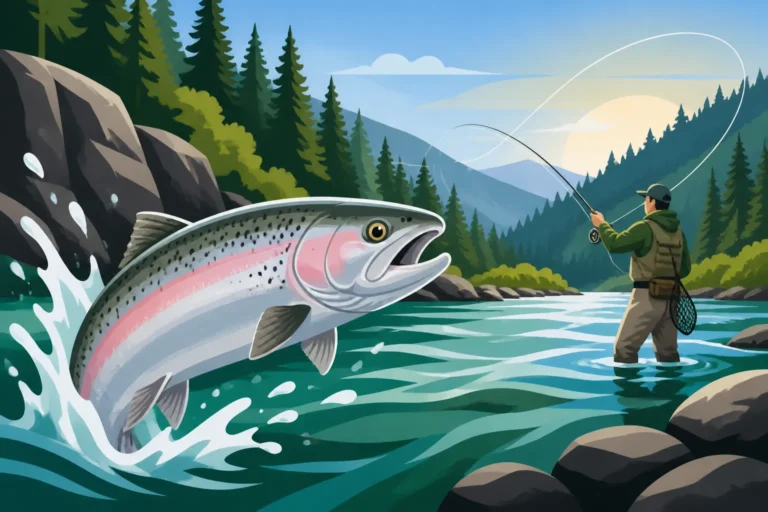
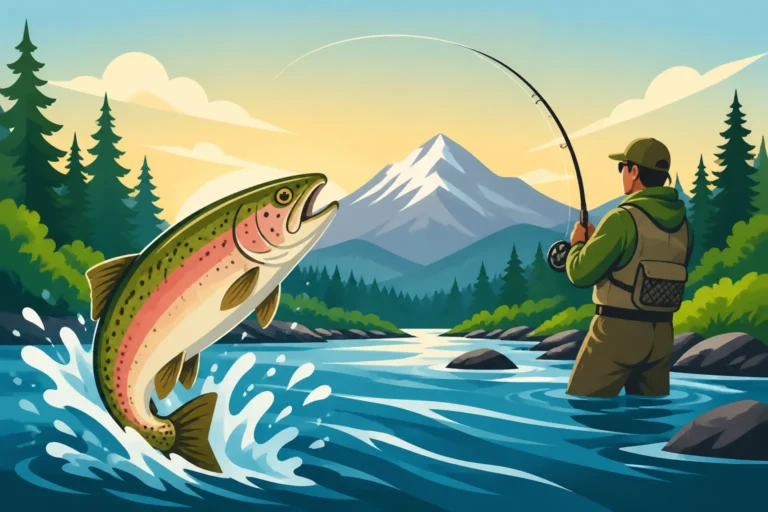
Winter steelhead are, without a doubt, a special breed. These are sea-run rainbow trout that return from the ocean to spawn in their natal rivers, often during the harshest months of the year. Unlike their summer-run cousins who tend to linger in freshwater for months before spawning, winter steelhead are typically on a tighter schedule, pushing hard upriver through high, cold water. Their time in the ocean makes them incredibly strong, with broad tails and shoulders that can put up an epic fight, leaving your arms aching and your heart pounding.
Chasing winter steelhead demands a different kind of angler – one who isn’t afraid of a little rain, who understands the nuances of river conditions, and who possesses an unwavering patience. The rewards, however, are absolutely unparalleled. Holding a fresh, sea-bright steelhead, often referred to as a "chrome," is an experience that many anglers chase for a lifetime, a testament to skill, perseverance, and a bit of luck. It's a true game of cat and mouse, where understanding the fish's habits and the river's moods is paramount.
Navigating the Seasonal Challenges
Let's be real: winter steelhead fishing isn't always glamorous. You're often battling rain, cold temperatures, and river conditions that can change by the hour. A "freshet" – a sudden rise in river level due to heavy rain – can blow out a river, turning it into an unfishable chocolate milk torrent. This can be incredibly frustrating when you've planned a trip, driven for hours, and then find the water completely unfishable.
However, these challenges are also part of the appeal. Successful winter steelhead fishing often means paying close attention to weather forecasts and river gauges, understanding when the water is dropping and clearing after a storm to hit that "sweet spot" of fishable conditions. This usually means the water level has peaked and is on its way down, and visibility is starting to improve, typically around 3-5 feet. It’s a delicate balance, and knowing when to go, or even when to pivot to a different river, is a skill honed over many cold, wet days.
Top Contenders: Oregon's Premier Coastal Rivers for Winter Steelhead
Oregon’s coast is dotted with incredible rivers, many of which host healthy winter steelhead runs. Choosing the "best" can be subjective, as each river offers something unique, from accessibility to scenic beauty. However, a few rivers consistently stand out for their strong returns and consistent angling opportunities.
The Wilson River: A Winter Steelhead Powerhouse
When anglers talk about prime Oregon coastal steelhead rivers, the Wilson River in Tillamook County almost always comes up. It’s a true powerhouse, renowned for its robust hatchery winter steelhead program that ensures good numbers of fish return each season. Its popularity isn’t just about the fish; it’s also quite accessible, with numerous bank access points and boat launches, making it a favorite for both drift boaters and bank anglers.
The Wilson offers a diverse fishery. Early season fish (late November through December) are often aggressive and can be found throughout the lower and middle sections. As the season progresses into January and February, the main runs are in full swing, and fish spread further upriver. Common techniques here include drift fishing with cured roe or sand shrimp, bobber dogging, and side drifting from a boat. For those who enjoy fly fishing, there are certainly opportunities, especially in the clearer, colder periods. You'll find popular spots like Sollie Smith, Alderwood, and the numerous stretches above and below the town of Tillamook offering prime real estate. Understanding the flow and water clarity on the Wilson is key, as it can go from perfect to blown out quickly after heavy rains. For more detailed information on specific areas, check out resources like "Wilson River fishing spots for winter steelhead".
The Nestucca River: A Classic for Chrome
Just south of the Wilson, also in Tillamook County, lies the Nestucca River – another classic winter steelhead destination near Pacific City. The Nestucca holds a special place in the hearts of many, known for its beautiful scenery and a healthy mix of both hatchery and wild winter steelhead. The river flows through stunning coastal forests, offering a more serene experience for many.
The Nestucca really shines after a good rain, when the river is dropping and clearing, providing that ideal "green water" that steelhead love. Drift boaters tend to dominate the upper and middle sections, utilizing techniques like drift fishing and plunking in deeper holes. Bank anglers can find success in the tidewater sections and at accessible spots around Cloverdale and the Three Rivers area. While the Nestucca can also blow out, it often clears faster than larger systems. This river demands a bit of finesse and patience, but the rewards—especially a wild Nestucca steelhead—are unforgettable. If you're planning a trip, looking up "Nestucca River fishing access" can help you find your footing.
The Siletz River: A Hidden Gem for Dedicated Anglers
For those willing to explore a bit further south into Lincoln County, the Siletz River near Siletz and Newport offers a fantastic, often less crowded, winter steelhead experience. While it might not boast the sheer numbers of hatchery fish as some of its northern counterparts, the Siletz is celebrated for its strong returns of beautiful wild steelhead. This river demands a bit more local knowledge and effort to fish effectively, but for dedicated anglers seeking a more intimate and challenging experience, it's a true gem.
Access on the Siletz can be trickier, with fewer readily available bank spots compared to the Wilson or Nestucca. This often means drift boats are the preferred method, allowing anglers to cover more water and access prime holding lies that are otherwise unreachable. The scenic beauty of the Siletz, winding through lush forests, adds to its charm. If you're keen on exploring this river, doing some research on "Siletz River fishing access points" is a great starting point, and considering a guide for your first trip can be invaluable for navigating its unique challenges and learning the best spots.
The Trask River: Another Tillamook Favorite
Back in Tillamook County, the Trask River often fishes very similarly to the Wilson, sharing the same bay and offering another excellent option for winter steelhead. It’s a slightly smaller river but boasts strong hatchery returns and good opportunities for both bank and boat anglers. Many anglers will consider fishing the Trask if the Wilson is too crowded or if conditions on one river are more favorable than the other.
The Trask is particularly good for drift boaters who like to cover a lot of water. It features a mix of classic steelhead runs, riffles, and deeper pools where fish can hold. Similar to the Wilson, drift fishing with bait, jigs under a float, or small plugs can be very effective. It’s another river where timing the water conditions after a rain event is crucial for success. General "Oregon Fishing Regulations Explained" apply here, so always be sure to check the latest rules for species-specific limits and gear restrictions before heading out.
| River Name | Location | Key Features | Primary Access | Peak Winter Season | Notes |
|---|---|---|---|---|---|
| Wilson River | Tillamook County | High hatchery returns, good overall access | Bank & Boat | Jan-Mar | Very popular, can be crowded. Strong fighters. |
| Nestucca River | Tillamook County | Mix of hatchery/wild, scenic, drift boating | Bank & Boat | Jan-Mar | Clears quickly, beautiful wild fish potential. |
| Siletz River | Lincoln County | Strong wild fish potential, less crowded | Mostly Boat | Feb-Apr | Requires more effort/knowledge. |
| Trask River | Tillamook County | Good hatchery returns, drift boat friendly | Bank & Boat | Jan-Mar | Similar to Wilson, good alternative. |
Strategies for Success on Oregon's Winter Steelhead Rivers
Landing a winter steelhead isn't usually a casual affair. It requires preparation, the right gear, a good understanding of river dynamics, and often, the wisdom of local experts.
Essential Gear and Tackle
For winter steelhead, your gear needs to be robust and reliable. You'll want a medium-heavy spinning or casting rod, typically 8.5 to 10.5 feet long, capable of handling 10-20 lb test line. This length provides the leverage needed to fight powerful fish and manage your line in swift currents. Many anglers prefer a braided main line (30-50 lb test) for its sensitivity and strength, often with a fluorocarbon leader (10-15 lb test) for its invisibility and abrasion resistance.
When it comes to terminal tackle, a variety of options can be effective. Cured roe (salmon eggs) and sand shrimp are perennial favorites for bait fishing, often presented under a float or drift fished along the bottom. For lures, jigs (pink worms, marabou jigs) under a float, small spinners, and diving plugs (like Mag Lip or Wiggle Wart) are all proven steelhead getters. Don’t forget the essentials for yourself: reliable waterproof waders, a sturdy wading belt for safety, a good rain jacket, and multiple layers of warm clothing. You'll be standing in cold water in cold weather, so staying comfortable is paramount. If you're wondering about specific choices, a dive into "Oregon Steelhead Fishing Techniques" or even "Do you need waders for Oregon river fishing?" can offer more tailored advice.
Reading the Water and Timing Your Trip
One of the biggest keys to consistent winter steelhead success is learning to "read the water." Steelhead typically don't hold in the fastest currents; they'll seek out softer water, current seams, behind structure like log jams or boulders, or in the tailouts of pools where they can rest and conserve energy. Look for changes in current speed, depth, and structure – these are often prime holding lies. Water clarity is also critical; too dirty, and they can't see your offering; too clear, and they might be more skittish. Aim for that perfect greenish tint, often referred to as "steelhead green."
Timing your trip isn't just about the time of day; it's about the time of year and the river conditions. While winter steelhead runs generally span from late December through April, different rivers have different peak timings, and within those rivers, specific runs might be stronger at certain points. For instance, the early fish in December can be aggressive, while later-run fish in March and April might be more focused on spawning. Always check ODFW reports and current river gauges (like those from USGS) before you go. This will give you an idea of flow rates, water levels, and temperature, which are critical indicators. For a broader understanding, researching "Winter Steelhead Run Timing in Oregon" can help you plan your season effectively.
Hiring a Guide or Joining a Charter
Especially for newcomers or those tackling a particularly challenging river like the Siletz, hiring a local guide can significantly increase your chances of success and shorten the learning curve. A good guide knows the river intimately, understands the nuances of local conditions, and can put you on fish when you might otherwise struggle. They provide the boat (if drift fishing), the right tackle, and invaluable expertise, teaching you techniques and how to "read" the water effectively. This is particularly useful for learning things like "How to drift fish for steelhead" safely and effectively.
Many excellent guides operate on Oregon’s coastal rivers. Resources like FishingBooker can be incredibly helpful for finding reputable guides and charters for specific rivers or species. They allow you to compare prices, read reviews, and book trips with confidence. While a guided trip is an investment, the experience and knowledge gained are often priceless, especially for a challenging species like winter steelhead. To learn more about what to expect, consider checking out guides on "Oregon Fishing Guide Services" or "How to Choose an Oregon Fishing Guide".
Regulations and Responsible Angling
Before you even tie a knot, it's absolutely crucial to understand and adhere to Oregon's fishing regulations. These rules are in place to protect our precious fisheries and ensure that future generations can enjoy the same incredible angling opportunities. Ignoring them can lead to hefty fines and loss of fishing privileges.
Understanding Oregon's Steelhead Rules
The Oregon Department of Fish and Wildlife (ODFW) sets specific regulations for each fishing zone and sometimes even for specific rivers. Generally, you'll need an Oregon angling license and, for many salmon and steelhead fisheries, a Combined Angling Tag. It’s not uncommon to hear stories of anglers showing up unprepared, so make sure you're covered! Always check the current year's fishing regulations booklet, available online or at license vendors, as rules can change annually, or even through emergency closures.
Key things to look out for include daily bag limits (which often differentiate between hatchery and wild steelhead), possession limits, and size restrictions. Many rivers have "fin-clipped" rules, meaning only hatchery fish (identified by a missing adipose fin) can be retained, while wild fish must be released unharmed. Barbless hooks are frequently required, especially for catch-and-release fisheries, to minimize harm to fish. Understanding the "Oregon Combined Angling Tag Guide" and "Oregon Barbless hook requirements" is essential for a legal and ethical trip.
Practicing Ethical Catch and Release
For many anglers targeting winter steelhead, particularly wild ones, catch and release is a fundamental practice. If you plan to release fish, it's vital to do so ethically to ensure their survival. Minimize the time the fish is out of the water – ideally, keep it in the water completely while unhooking and taking a quick photo. Use wet hands to handle the fish, as dry hands can remove the protective slime layer, making them susceptible to disease.
Avoid dragging fish onto rocky banks, and if you're using a net, opt for a rubberized, knotless net that won't damage fins or scales. When releasing, hold the fish gently in the current, pointing its head upstream, allowing water to flow over its gills until it regains its strength and swims off on its own. This respect for the fish is a cornerstone of responsible angling and contributes directly to healthy, sustainable runs.
Respecting the Environment and Other Anglers
Finally, a responsible angler always respects the environment and their fellow fishing enthusiasts. This means "packing it in, packing it out" – leaving no trace of your visit behind. Litter is detrimental to wildlife and spoils the natural beauty of our rivers. It also means being mindful of private property signs and accessing rivers only where public access is permitted.
On the river, courtesy goes a long way. Steelhead fishing can be a solitary pursuit, but popular runs might see multiple anglers. Maintain a respectful distance from other anglers (often considered a cast length or more) and avoid "running over" someone's drift by wading or boating through their fishing zone. A simple "hello" and respecting established fishing lines can ensure everyone has a pleasant experience. After all, we're all out there to enjoy Oregon's incredible natural beauty and chase those magnificent winter steelhead.
Disclaimer
Please remember that fishing conditions, regulations, and access points can change. Always consult the most current Oregon Department of Fish and Wildlife (ODFW) regulations before planning your fishing trip. This guide is for informational purposes only and should not replace official regulatory documents. Safety should always be your top priority when fishing in potentially challenging winter conditions.