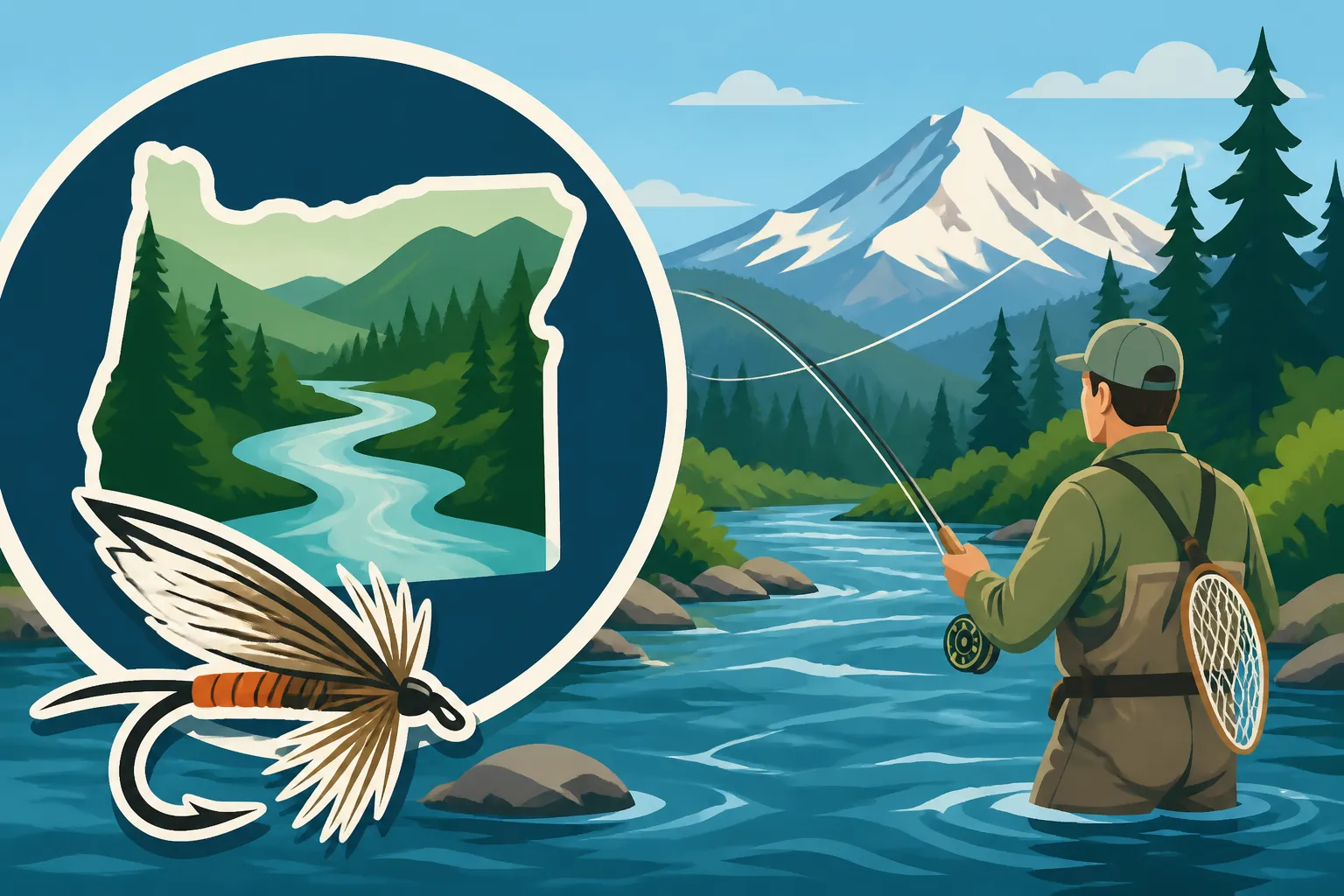
What rivers in Oregon are fly-fishing only
Navigating Oregon's vast and diverse fishing landscapes can sometimes feel like trying to solve a riddle, especially when you stumble upon those special sections designated "fly-fishing only." It's a common point of confusion and frustration for many anglers, wondering if their favorite gear is suddenly off-limits or if they need a whole new setup just for one river. This guide aims to clear up that mystery, detailing exactly which rivers in Oregon require fly-fishing gear exclusively, why these rules are in place, and how you can best prepare to enjoy these unique angling experiences.
Understanding "Fly-Fishing Only" Regulations in Oregon
The concept of "fly-fishing only" isn't just about being a purist; it's deeply rooted in conservation and enhancing the angling experience. Oregon, known for its pristine waters and robust fish populations, implements these regulations to protect sensitive fish species and their habitats, while also providing a unique challenge for those who enjoy the art of fly casting.
Why Certain Rivers Are Fly-Fishing Only
When you encounter a "fly-fishing only" designation, it's usually for a very good reason. These rules are primarily designed to reduce incidental harm to fish populations, especially wild trout and steelhead that are more vulnerable to traditional bait fishing methods. A fly, typically tied with feathers, fur, and thread to imitate natural insects, is often less likely to be deeply swallowed by a fish compared to a baited hook. This means that fish caught on a fly, particularly with barbless hooks, have a much higher survival rate when released. For more general information on the state's angling rules, be sure to check out our comprehensive Oregon Fishing Regulations Explained.
Beyond conservation, these regulations also contribute to a specific type of angling experience. Fly-fishing often demands a more active and technical approach, requiring anglers to "match the hatch" (imitate the insects currently prevalent) and present their fly delicately. By limiting these areas to fly-fishing, wildlife agencies aim to create a more consistent, less-pressured environment that appeals to anglers seeking that particular challenge and aesthetic. It's about preserving a certain quality of sport, where the focus is on skill and understanding the natural environment rather than simply maximizing catch rates. It can feel restrictive at first, but many seasoned anglers find immense reward in these dedicated zones.
Key Regulatory Terms to Know
When you delve into Oregon's fishing regulations, you'll come across specific terminology that's crucial to understand for fly-fishing only waters. Getting these wrong can lead to serious fines or penalties.
First and foremost is "fly-fishing only" itself. This means you can only use a fly rod, fly reel, and fly line, with an artificial fly attached. You absolutely cannot use spinning gear, baitcasters, or any other method. The term "artificial fly" is also key. It generally refers to a hook dressed with natural or synthetic materials to resemble an insect, crustaceacean, or other fish food source. The Oregon Department of Fish and Wildlife (ODFW) regulation booklet, which is essential reading for any angler, defines these terms quite clearly. You can often find detailed explanations in the official Where to find the Oregon fishing regulations booklet.
Another critical term you'll almost always see paired with "fly-fishing only" is "barbless hooks." This means the barb, that little protrusion on the hook point that helps keep a fish on, must be removed or crimped flat. The easiest way to achieve this is with a pair of pliers. Barbless hooks further reduce harm to fish, making catch-and-release much safer. Our guide on Oregon barbless hook requirements delves deeper into this often-misunderstood rule. Lastly, pay close attention to "catch-and-release" mandates, which mean all fish caught must be immediately and carefully returned to the water unharmed. This is common in fly-fishing only areas, especially for native or wild fish populations.
Prominent Oregon Rivers with Fly-Fishing Only Sections
Oregon boasts some incredible waters, and while many are open to various fishing methods, a select few river sections are designated exclusively for fly-fishing. These areas are often celebrated for their pristine beauty, abundant insect life, and healthy fish populations, drawing anglers from around the world.
The Metolius River: A Crown Jewel of Fly-Fishing
Without a doubt, the Metolius River is Oregon's quintessential fly-fishing-only destination. Flowing from a massive spring near Black Butte in Central Oregon, its crystal-clear, cold waters create an ideal habitat for native redband trout, bull trout, and kokanee salmon. The entire stretch of the Metolius River, from its headwaters downstream to Lake Billy Chinook, is designated "fly-fishing only." This means no bait, no spinning lures, just the elegant dance of fly and line.
Anglers here often find themselves casting to visibly rising fish, trying to match the prolific hatches of caddisflies, mayflies, and stoneflies. The experience is truly immersive, with stunning scenery and a serene atmosphere. However, it's also a challenging river, known for its educated fish that demand precise presentations. Specific sections may also have additional restrictions, such as "catch-and-release" for certain species like bull trout, which are a protected species. For a deep dive into this incredible fishery, our Metolius River Fishing Guide has all the details you'll need. Be aware that the rules here are strictly enforced to protect this fragile ecosystem and its unique fish.
Deschutes River: Specific Zones and Seasons
While the entire Deschutes River isn't fly-fishing only, specific, incredibly popular sections—particularly for its legendary summer steelhead—do have these restrictions. The most famous "fly-fishing only" stretch of the Deschutes is the Lower Deschutes River, from the Pelton Dam downstream to its confluence with the Columbia River. Within this extensive section, during certain seasons or for specific species, you'll encounter fly-fishing only rules, especially when targeting wild steelhead or certain trout populations. It's crucial to consult the current ODFW regulation booklet for precise dates and boundaries, as these can vary year to year based on fish returns and conservation needs.
The mainstem Deschutes itself offers fantastic opportunities for trout and steelhead using various methods, but understanding where and when fly-fishing becomes mandatory is paramount. For example, some stretches might be "fly-fishing only" for wild steelhead during their migratory runs, while hatchery fish or resident trout might be fair game with other methods in different areas or at different times. This river is a powerhouse fishery, and respecting its diverse regulations is key to enjoying it responsibly. You can find more detailed information in our Deschutes River Fishing Guide.
Other Noteworthy Rivers and Creeks
Beyond the giants like the Metolius and Deschutes, Oregon has a scattering of smaller creeks and specific river segments that also fall under "fly-fishing only" regulations, often to protect unique native trout populations or to offer specialized angling experiences. These might include:
- Portions of the Crooked River: Especially in its upper stretches and designated "trophy trout" waters, you might find fly-fishing only, often coupled with catch-and-release rules for redband trout. These sections are typically well-marked and known for their challenging, technical fishing.
- Certain Tributaries and High Mountain Lakes: Occasionally, specific small tributaries or even high-altitude lakes in wilderness areas might have fly-fishing only or artificial lures only restrictions to preserve delicate ecosystems. These are less common but always worth checking if you're venturing into remote areas. For instance, some of the beautiful, less-traveled spots might have these rules to protect Oregon Trout Species Guide.
- Seasonal or Emergency Closures/Restrictions: Sometimes, an entire river or a large section might temporarily be declared "fly-fishing only" or "artificial lures only" due to low water, high water temperatures, or conservation concerns for specific runs of fish. These are often emergency regulations, so always check the ODFW website for the most up-to-date information before heading out. Staying informed about Oregon Fishing Season Dates and Limits is crucial.
It's impossible to list every single small creek or temporary restriction here, which highlights the importance of always consulting the most current Oregon Sport Fishing Regulations handbook before you cast a line, no matter how familiar you are with a particular area.
Essential Gear and Practices for Fly-Fishing Only Waters
Stepping into fly-fishing only waters means you'll need to leave the spin gear behind and embrace the world of flies, leaders, and careful casting. It’s an art form that requires specific tools, but thankfully, getting started doesn't have to be overwhelming.
Recommended Fly-Fishing Gear
For most trout and steelhead fishing in Oregon's fly-fishing-only rivers, a good starting point is a 5-weight or 6-weight fly rod, typically 8.5 to 9 feet long. This versatile setup is great for casting a variety of fly sizes and handling most of the fish you'll encounter. Pair this with a matching fly reel that has a smooth drag system, loaded with a weight-forward floating fly line. Don't forget a selection of leaders and tippet (tapered line that connects to your fly line and then to your fly) in various sizes, usually ranging from 3X to 6X for trout.
The most exciting part, of course, is the flies themselves! For rivers like the Metolius, you'll want a good selection of dry flies (to imitate adult insects on the surface), nymphs (to imitate insect larvae subsurface), and streamers (to imitate baitfish). Local fly shops are fantastic resources for knowing what's "hatching" and what flies are working best. If you're building your collection from scratch or need to restock, online retailers like Amazon offer a huge selection of fly rods, reels, lines, and fly assortments, making it easy to get what you need delivered right to your door. Investing in quality waders and wading boots is also critical for comfortable and safe access to these pristine rivers. For beginners, understanding How to Fly Fish in Oregon can make a huge difference in getting started.
Adhering to Barbless Hook Rules and Catch & Release
As mentioned, barbless hooks are almost universally required in fly-fishing only sections. This isn't just a suggestion; it's a critical regulation designed to protect fish. The easiest way to ensure compliance is to purchase flies that are already tied on barbless hooks. However, many commercially tied flies come with barbs, so you'll need a good pair of needle-nose pliers or a barb-crimping tool to flatten the barb down against the hook shank. Make sure it's completely flattened, not just partially.
Beyond barbless hooks, practicing responsible Oregon Catch-and-Release Rules is paramount in these sensitive areas. Most fly-fishing only waters have strict catch-and-release mandates for certain species or even all fish. This means handling fish as little as possible, keeping them in the water, and releasing them quickly and gently. Wet your hands before touching a fish to protect its delicate slime coat, use a rubberized landing net if you need one, and avoid excessive fighting that exhausts the fish. The goal is to ensure that every fish you catch can swim away strongly and contribute to future generations. These practices ensure the health and sustainability of these special fisheries for everyone.
How to Stay Informed About Oregon's Fly-Fishing Regulations
The fishing world is always changing, and Oregon's regulations are no exception. Water levels shift, fish populations fluctuate, and conservation efforts evolve, all of which can lead to changes in fishing rules, especially in sensitive fly-fishing only zones. Staying up-to-date is not just good practice; it's a legal requirement for every angler.
Official Resources and Updates
Your absolute go-to resource is the Oregon Department of Fish and Wildlife (ODFW). They publish a comprehensive Sport Fishing Regulations booklet every year, which is available both online and in physical copies at license vendors. This booklet details all the rules, including specific sections for fly-fishing only waters, gear restrictions, bag limits, and season dates. It’s critical to download or pick up the most current version, as regulations can change annually. The ODFW website is also fantastic for real-time updates, emergency closures, and news releases, which are particularly important for high-profile fisheries like the Deschutes.
Beyond the annual booklet, pay close attention to the ODFW Recreation Report. This weekly report provides current fishing conditions, stocking schedules, and any recent regulation changes for various regions across the state. Subscribing to their email newsletters or following their social media channels can also keep you in the loop. Remember, ignorance of the law is not an excuse for violations, so make it a habit to check official sources before every trip. While buying your gear from Amazon is convenient, relying on online forums for regulation details is a risky business; always cross-reference with ODFW.
Local Fly Shops and Guides
While official sources are paramount, nothing quite beats the on-the-ground knowledge of local fly shops and experienced fishing guides. These folks live and breathe the rivers they fish, and they often have the most up-to-date information on current conditions, recent regulation tweaks, and what the fish are actually doing. A quick stop at a local fly shop in Bend, Maupin, or Sisters, for example, can provide invaluable insights into water levels, current hatches, and any temporary rules that might not yet be widely published.
Fly shops, like The Fly Fisher's Place in Sisters, are more than just places to buy flies; they're community hubs where anglers gather to share information and passion. Their staff are usually avid anglers themselves and are incredibly helpful in guiding you to the right section of a river, advising on fly patterns, and reminding you of critical regulations specific to that day or week. Similarly, hiring an Oregon Fly Fishing Guides for a day, even if you’re experienced, can be an excellent way to learn the nuances of a fly-fishing only water and ensure you're compliant with all the rules. They can offer insights into Oregon Trout Fishing Techniques specific to local waters.
Oregon's Fly-Fishing Only Waters Overview
To help you quickly reference some of the key regulations and locations, here's a concise table focusing on the most prominent fly-fishing only areas in Oregon. Always remember to consult the latest ODFW regulations for the most current and complete information.
| River Section | Primary Species Targeted | Key Regulations | Special Notes |
|---|---|---|---|
| Metolius River | Redband Trout, Bull Trout, Kokanee | Fly-fishing only, Barbless hooks, Catch-and-release for Bull Trout | Entire river from headwaters to Lake Billy Chinook. Trophy trout potential. |
| Lower Deschutes River | Summer Steelhead, Redband Trout | Fly-fishing only (seasonal/species specific), Barbless hooks, Catch-and-release (often for wild steelhead) | Pelton Dam to Columbia River. Check ODFW for specific zone and date restrictions for fly-only. |
| Crooked River (Upper) | Redband Trout | Fly-fishing only, Barbless hooks, Catch-and-release (often) | Upper sections near Prineville, especially designated "Trophy Trout" areas. |
| Various High Lakes/Creeks | Native Trout | Often Fly-fishing only or Artificial Lures Only, Barbless hooks | Check individual lake/creek rules in ODFW booklet for specific wilderness areas. |
Disclaimer
The information provided in this guide is intended for general informational purposes only and is not a substitute for the official Oregon Department of Fish and Wildlife (ODFW) regulations. Fishing rules and regulations can change frequently. Always consult the current ODFW Sport Fishing Regulations booklet and any in-season updates or emergency closures on the ODFW website before planning and commencing any fishing activity in Oregon. Compliance with all applicable laws and regulations is the sole responsibility of the angler.