Oregon fishing hours restrictions after dark
Ah, the mystery of fishing after dark in Oregon! We've all been there, casting into that perfect twilight, feeling the bite pick up, and then that nagging question starts to creep in: "Am I even allowed to be here after the sun goes down?" It's a common frustration, and honestly, the rules aren't always crystal clear at first glance. Navigating the myriad regulations from the Oregon Department of Fish and Wildlife (ODFW) can feel like trying to untangle a particularly stubborn fishing knot, especially when you're just trying to enjoy a peaceful evening on the water. This guide is here to shed some light on those after-dark fishing hours, helping you understand when you can legally extend your angling adventures into the night and when it’s best to pack it in.
Understanding Oregon's General Fishing Hours Regulations
Let's face it, most of us grew up with the general idea that fishing happens during the day. You wake up early, hit the water, and by the time the sun is dipping below the horizon, you're usually thinking about dinner or heading home. This isn't just an old habit; it's often rooted in the foundational regulations that govern sport fishing in Oregon.
The Default Rule: Sunrise to Sunset and its Nuances
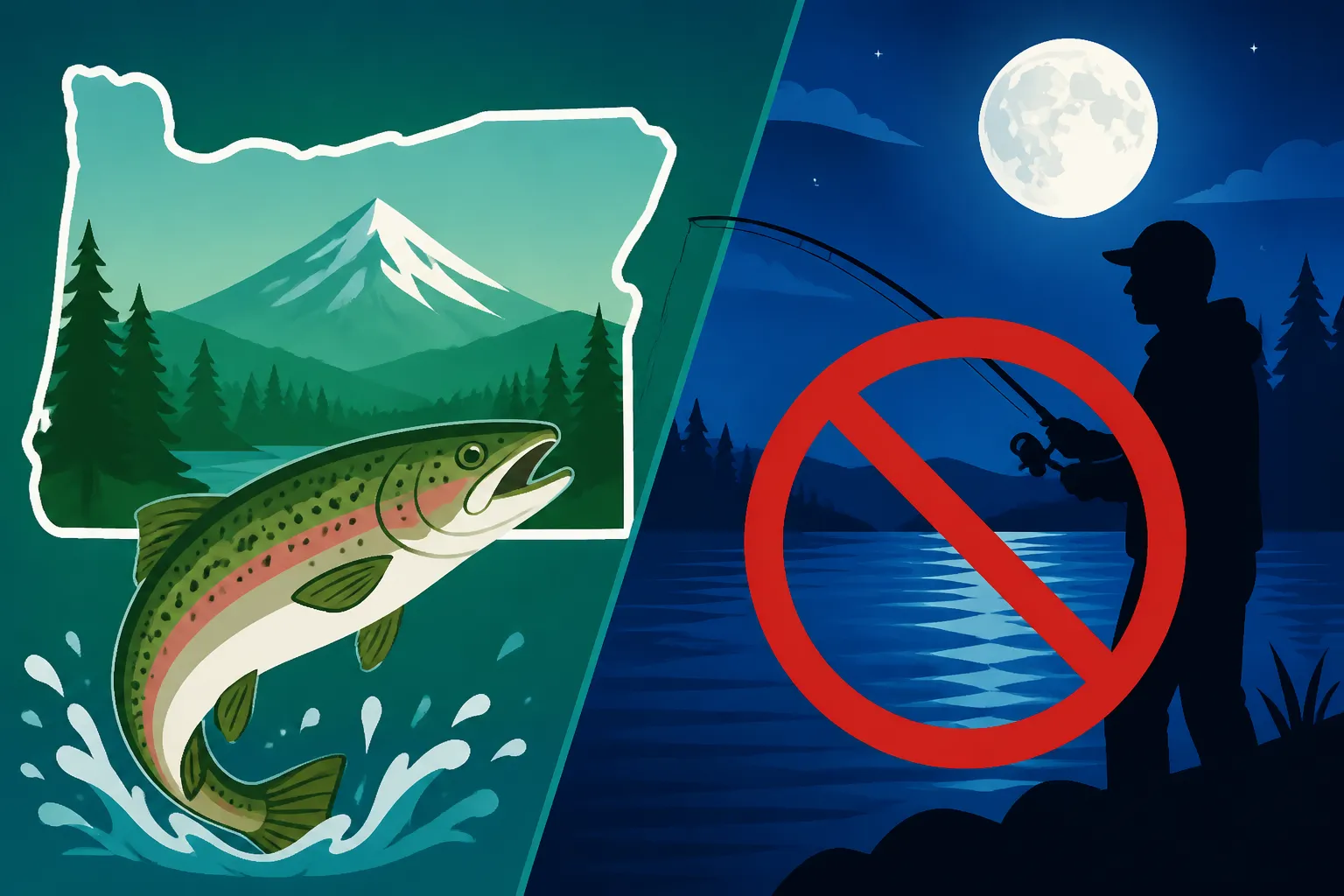
The vast majority of Oregon's sport fishing regulations operate under a "daylight hours" principle. What exactly does "daylight hours" mean to the Oregon Department of Fish and Wildlife? It's typically defined as one hour before official sunrise to one hour after official sunset. This isn't just a suggestion; it's a hard and fast rule for many, many fisheries across the state, particularly for popular species like salmon and steelhead in rivers and most trout fisheries in lakes and streams.
Think about it from a conservation perspective: fishing for certain species, especially those with sensitive spawning runs or specific migratory patterns, is easier to manage and regulate during daylight. It allows ODFW staff to monitor activity, ensure compliance with bag limits, and protect vulnerable fish populations more effectively. Imagine the chaos and potential for overfishing if everyone could fish for prime Chinook salmon runs on the Columbia River all night long without clear visibility! It also makes enforcement incredibly challenging for game wardens. For an in-depth look at these foundational rules, you might want to check out our comprehensive guide on Oregon Fishing Regulations Explained.
So, if you're planning a general fishing trip to a local lake for rainbow trout, or heading to a popular river for smallmouth bass (unless explicitly stated otherwise), assume the daylight hours rule applies. It's the safest bet to avoid any potential misunderstandings or, worse, violations. Many of Oregon’s most beloved trout lakes, like those in the high Cascades, strictly adhere to this window, ensuring that those serene daytime experiences remain protected.
When Night Fishing is Actually Allowed
Now, here's where it gets interesting, and frankly, a bit more complex. While the "daylight hours" rule is the default, it's certainly not universal. Oregon offers some fantastic opportunities for after-dark angling, but these are almost always specified exceptions rather than broad permissions. This means you can't just assume; you must know the specific rules for the specific body of water and the specific species you're targeting.
These exceptions usually fall into a few categories: certain species, specific locations, or particular seasons where night activity is either allowed or even encouraged. For example, some warmwater fisheries, like those targeting catfish or certain bass species in large reservoirs or slower river sections, often have less stringent time restrictions. The ODFW recognizes that these fish are often more active after dark, and the conservation concerns might be different compared to, say, a protected salmon run.
Coastal activities also often march to a different drum. Crabbing, clamming, and even some types of bottom fishing from docks or jetties are frequently open for business around the clock, dictated more by tides than by the sun. The key takeaway here is that if you're thinking about fishing after one hour past sunset or before one hour before sunrise, you absolutely need to consult the current ODFW Sport Fishing Regulations booklet or their online resources for that specific zone and species. Don't rely on hearsay or what someone did last year, because these rules can and do change.
Specific Scenarios for After-Dark Fishing in Oregon
Let's dive into some common fishing scenarios and clarify whether you can extend your adventure into the night. It's often species-specific and location-dependent, so paying close attention to the details is crucial.
Salmon and Steelhead Fishing After Dark
This is where the daylight hours rule is most strictly enforced, and for good reason. Fishing for anadromous species like salmon and steelhead in Oregon's rivers and estuaries is almost exclusively restricted to one hour before sunrise to one hour after sunset. You won't find many, if any, exceptions for sport anglers targeting these fish after dark.
Why the strict limitation? There are several compelling reasons. Firstly, conservation: many salmon and steelhead runs are sensitive, with wild populations facing various challenges. Restricting fishing to daylight hours helps prevent overharvest, especially for wild, unclipped fish that must often be released. In low light, identifying fin clips or properly handling and releasing fish safely becomes incredibly difficult, increasing stress and mortality.
Secondly, enforcement: it's simply much harder for ODFW game wardens to monitor fishing activity and ensure compliance with complex regulations (like size limits, bag limits, and gear restrictions) under the cover of darkness. Poaching and illegal fishing activities would be significantly harder to detect and deter if night fishing were widely allowed for these valuable species.
So, if your heart is set on catching a gleaming Chinook salmon from the Willamette River or battling a powerful winter steelhead on a coastal river, plan your trip during the day. Trying to chase them after dark could lead to a stiff fine and a ruined fishing experience. Familiarize yourself with the Oregon Salmon and Steelhead Tag Requirements and respect the limited hours to help conserve these incredible fish for future generations.
Bottom Fishing and Crabbing on the Coast
The Oregon Coast is a different beast altogether when it comes to fishing hours. Here, the rhythm of the ocean and the tides often dictate when you can successfully drop a line or pot, and often, that rhythm extends well into the night.
Crabbing and Clamming: These are perhaps the most common and widely permitted after-dark activities. Dungeness crab, for instance, are often very active at night, moving around to feed. Many crabbers set their pots in the late afternoon or evening and retrieve them the next morning. Similarly, razor clamming on the open coast beaches (like those near Seaside or Newport) is heavily reliant on extreme low tides, which frequently occur after sunset or before sunrise, especially during certain moon phases. You'll often see families out on the beaches with headlamps, digging clams under the stars. For current seasons and limits, our guide on Oregon Crabbing Season Timing is a must-read. You'll want a reliable headlamp for these outings – a good one like those found on Amazon can make all the difference for visibility and hands-free operation in the dark.
Bottom Fishing from Docks and Piers: Many public docks and piers along the Oregon coast, such as those in Newport, Garibaldi, or Astoria, are open 24/7. This means you can often fish for bottom fish like rockfish, greenling, or even surfperch from these structures after dark. While it might not be the prime time for every species, some can still be active, and the peaceful solitude of night fishing can be a unique experience. Just be sure to bring adequate lighting for your gear and for navigating the pier safely. Remember, while the pier might be open, specific species may still fall under daylight-only rules if they are migrating through rivermouths. Always double-check!
Warmwater Species: Bass, Catfish, Walleye After Sunset
If you're looking for true night fishing opportunities, warmwater species are often your best bet in Oregon. Unlike salmon and steelhead, many species like catfish, bass (both largemouth and smallmouth), and walleye are renowned for their nocturnal feeding habits. In many reservoirs and slower sections of rivers, the time restrictions that apply to coldwater species are relaxed or non-existent for these species.
Catfish: Channel catfish and brown bullheads are incredibly active after dark. As the water cools slightly and they feel safer from predators, they'll often move into shallower areas to feed. Lakes like Henry Hagg Lake near Forest Grove, Fern Ridge Reservoir near Eugene, or even some sections of the Columbia River and its tributaries, can offer fantastic night fishing for catfish. Using baits like cut bait, chicken livers, or stinky commercial baits can be particularly effective.
Bass (Largemouth and Smallmouth): While bass are often thought of as daytime predators, they too can be very active at night, especially during the warmer months. Largemouth bass might move into weed beds or shallow cover, ambushing prey. Smallmouth bass in rivers like the John Day are also known to bite after dark, often on noisy topwater lures or jigs that create vibrations in the water. For more on these aggressive fish, check out our Oregon Bass Fishing Guide.
Walleye: These toothy predators are notoriously light-sensitive and often feed most aggressively during low light conditions, including dawn, dusk, and throughout the night. Areas like the Columbia River, particularly in its impoundments, and the John Day River, offer prime walleye fishing, and many successful anglers will tell you their best catches come after sunset. If you're targeting them, consider using deep-diving crankbaits, jigs, or live bait presented slowly along the bottom. Our guide on How to Fish for Walleye on the John Day River has more details on specific techniques.
When pursuing warmwater species at night, it’s still critical to check the specific regulations for the body of water you intend to fish. While generally more permissive, there can always be local rules or closures.
| Species/Activity | Typical Allowed Hours | Notes & Common Locations |
|---|---|---|
| Salmon, Steelhead, Sturgeon (Sport) | One hour before sunrise to one hour after sunset | Strict "daylight hours" rule in most rivers/estuaries for conservation and enforcement. |
| Crabbing | 24/7 during open seasons | Often best at night/low tides. Coastal bays like Yaquina Bay, Tillamook Bay. |
| Clamming | 24/7 during open seasons | Tide-dependent, often requires night digging. Coastal beaches for razor clams. |
| Bottom Fish (from piers/docks) | Often 24/7 | Public access piers/docks along the coast (Newport, Astoria). Check local rules. |
| Rainbow Trout (stocked lakes/rivers) | One hour before sunrise to one hour after sunset | Most trout fisheries adhere to daylight hours. |
| Warmwater Fish (Bass, Catfish, Walleye) | Often 24/7 (check local rules) | Many reservoirs and slow river sections (Henry Hagg Lake, Columbia River, John Day River). |
Navigating the Oregon Department of Fish and Wildlife (ODFW) Regulations
The biggest lesson when it comes to fishing hours, especially after dark, is that you absolutely cannot assume anything. What might be allowed in one river for one species might be strictly prohibited just a few miles away or for a different fish. The ODFW is the ultimate authority, and their regulations are your bible.
Where to Find the Most Up-to-Date Information
Your first and most important resource is the Oregon Sport Fishing Regulations booklet. This is published annually and is available online on the ODFW website, at license vendors, and in physical copies at sporting goods stores. Seriously, grab a copy, or at least bookmark the digital version! It details statewide rules but, more importantly, breaks down regulations by specific zones and even individual water bodies. For further reading, take a look at our guide on Where to Find the Oregon fishing regulations booklet.
Beyond the annual booklet, always check the ODFW website for in-season updates, emergency closures, or regulation changes. Rivers can be closed to fishing or have their hours restricted on very short notice due to low water flows, high temperatures, or conservation concerns. There's nothing worse than planning a trip only to find out the rules changed yesterday. The ODFW also publishes weekly fishing reports that can sometimes highlight specific open or closed periods.
Remember, Oregon is divided into several Oregon Fishing Zones Explained, and each zone, sometimes even specific stretches of river within a zone, can have unique regulations, including those pertaining to fishing hours. Ignorance of the law is never an excuse, and a game warden will definitely expect you to know the rules for where you're casting your line. You don't want to fall victim to Oregon Fishing Violations and Penalties just because you didn't check.
Safety and Ethical Considerations for Night Fishing
Beyond the letter of the law, there are some very real practical and ethical considerations when you venture out after dark. Safety should always be your number one priority.
Personal Safety:
- Visibility: A good headlamp is non-negotiable. Not just for tying knots or baiting hooks, but for navigating uneven terrain, avoiding obstacles, and letting others know you're there. Consider carrying a spare or extra batteries. Many anglers find durable, waterproof headlamps from brands like Black Diamond or Petzl (readily available on Amazon) to be invaluable.
- Buddy System: If possible, don't fish alone at night, especially in remote areas or on challenging terrain. A fishing buddy can be a lifesaver in an emergency.
- Know Your Area: Scout your fishing spot during the day. Identify potential hazards like slippery rocks, steep banks, deep holes, or snags. What looks harmless in daylight can become a serious danger in the dark.
- Weather: Nighttime temperatures can drop significantly, even on mild days. Dress in layers and be prepared for changing conditions. Fog can also roll in quickly on the coast or near large bodies of water, reducing visibility to almost nothing.
- Navigation: If you're on a boat, ensure all your navigation lights are working, and carry a reliable GPS or chart plotter. Know your boating rules of the road.
Ethical Angling:
- Minimize Disturbance: While some species are active at night, sudden bright lights or loud noises can spook fish. Use your headlamp judiciously.
- Catch and Release: If you're practicing Oregon Catch-and-Release Rules, especially for sensitive species or those you're not allowed to keep after dark, exercise extreme caution. Reduced visibility makes proper handling and swift, safe release much harder. Consider carrying a release tool and a large, knotless net. If you can't properly identify a fish or safely release it in the dark, it's best not to target it.
- Leave No Trace: Pack out everything you pack in. Dispose of any trash, including fishing line, hooks, and bait containers, properly. This is even more important at night when things can be easily overlooked.
Fishing after dark can be a truly rewarding and peaceful experience, offering a different dimension to your angling adventures. The quiet solitude, the sounds of nature, and the often-prolific bites under the stars can be magical. But always remember, the privilege of enjoying these moments comes with the responsibility of understanding and respecting the rules, ensuring your safety, and protecting Oregon's incredible fisheries. So, consult those regulations, gear up appropriately, and maybe I'll see you out there under the moonlit sky!
Disclaimer
Please note that fishing regulations are subject to change. While this guide provides general information, it is your responsibility to consult the most current Oregon Department of Fish and Wildlife (ODFW) Sport Fishing Regulations booklet and any in-season updates before planning your trip. Always prioritize safety and ethical angling practices.