Do you need a tag to keep a salmon in Oregon?
Navigating the ins and outs of fishing regulations can often feel like deciphering a secret code, and when it comes to targeting specific species like salmon in Oregon, the confusion only deepens. Many anglers, especially those new to the state or just getting back into the sport, grapple with understanding what licenses, endorsements, and tags are truly required. This comprehensive guide aims to cut through that complexity, providing clear answers on whether you need a specific tag to keep a salmon in Oregon and what you need to know to stay compliant and enjoy your time on the water.
Understanding the Essentials: Why Tags Matter for Salmon in Oregon
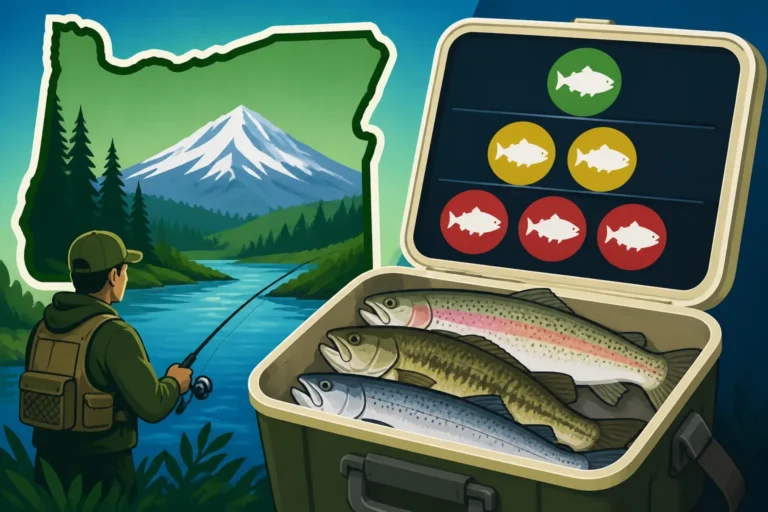
You're standing by a beautiful Oregon river, the scent of pine in the air, imagining that chrome bright salmon on the end of your line. But before you even cast, a little voice might pop into your head, "Do I have all the right paperwork?" When it comes to salmon, that thought is incredibly valid. Oregon has specific rules, and yes, in almost all cases, you absolutely need a specific tag to keep a salmon. It's not just a suggestion; it's a legal requirement designed to protect and manage these iconic fish populations.
The "Why" Behind Salmon Tags
It’s easy to feel a bit overwhelmed by the layers of regulations when all you want to do is fish. But trust me, there's a good reason behind these salmon tags. Oregon's salmon populations are a vital part of the state's natural heritage, economy, and ecosystem, but they face constant challenges. These challenges range from habitat degradation and climate change impacts to predation and fishing pressure. To ensure these incredible fish continue to thrive for future generations, the Oregon Department of Fish and Wildlife (ODFW) relies on accurate data to make informed management decisions.
Each time an angler purchases and then uses a tag for a specific salmon, it provides the ODFW with crucial information. This data helps them track harvest rates, monitor the health of different salmon runs, and assess how various conservation efforts are performing. Without this detailed accounting, managing these complex fisheries would be like trying to navigate a dense fog without a compass. The ODFW uses this information to adjust daily bag limits, determine fishing season dates and limits, and even implement emergency closures when necessary to protect vulnerable stocks. Your compliance with these tagging requirements directly contributes to the sustainability of these cherished resources.
Beyond the statistical tracking, the revenue generated from selling these tags also provides essential funding for conservation programs. A portion of the money goes directly towards improving fish habitat, funding scientific research into salmon biology, and supporting hatchery operations that supplement wild populations. So, while it might seem like just another step in a long list of requirements, every salmon tag purchased and properly utilized is a direct investment in the health and future of Oregon's magnificent salmon runs. It’s not merely a piece of paper; it’s a commitment to responsible angling and the preservation of an irreplaceable natural wonder.
What Constitutes a "Salmon" for Tagging Purposes?
When we talk about "salmon" in Oregon, we're generally referring to several distinct species that make their incredible journeys from the ocean back to their freshwater spawning grounds. The primary species anglers target and for which tags are specifically required are Chinook salmon and Coho salmon. These are the big, powerful fish that capture the imaginations of many anglers.
However, it's important to understand that the ODFW's definition for tagging purposes broadly includes these migratory species. While other salmonids like trout (rainbow, cutthroat, brown, etc.) and even kokanee (a landlocked sockeye salmon) are abundant in Oregon, they typically fall under the general angling license umbrella and do not require a separate salmon tag in the same way Chinook and Coho do. The key distinction lies in their anadromous nature – their life cycle involves migrating from freshwater to saltwater and back again – which necessitates more rigorous management and tracking through specific tags. Always double-check the current Oregon Fishing Regulations Explained booklet, which you can often find online or at a local tackle shop.
So, when you're out on the Columbia River casting for a trophy Chinook or working a coastal river for a bright Coho, remember that these specific fish are the ones for which that extra piece of paper, the "tag," becomes critical. Knowing your species before you keep it is not just good practice; it's a fundamental part of legal and responsible fishing in Oregon.
The Oregon Combined Angling Tag: Your Key to Keeping Salmon
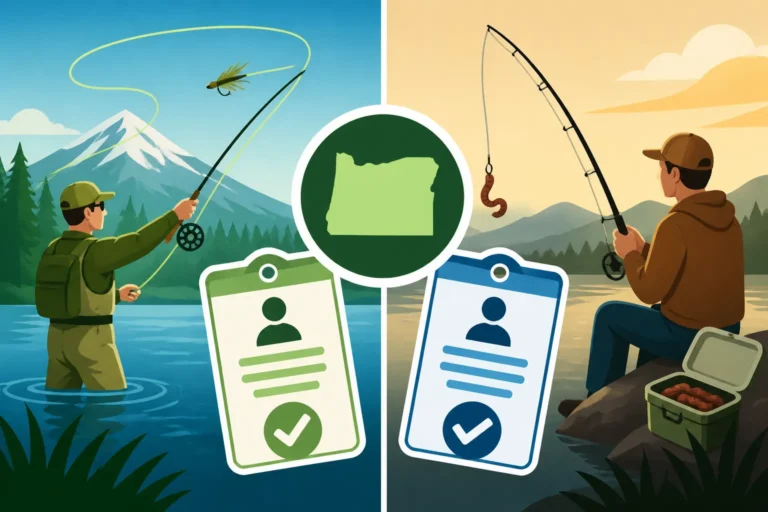
So, to directly answer the question: yes, you need a tag to keep a salmon in Oregon. This isn't a standalone "salmon license," but rather a specific endorsement that works in conjunction with your standard Oregon angling license. For most recreational anglers, this comes in the form of the Combined Angling Tag.
What Does the Combined Angling Tag Cover?
The Oregon Combined Angling Tag is truly the unsung hero for many serious anglers in Oregon. It’s designed to simplify things by covering multiple species that require special tracking. When you purchase this tag, you're essentially getting the right to harvest several key anadromous fish species, including:
- Salmon: Both Chinook and Coho salmon, regardless of whether they are wild or hatchery-origin (though wild fish often have different retention rules and may be catch-and-release only depending on the river and season).
- Steelhead: These are sea-run rainbow trout, another highly prized anadromous fish that requires careful management.
- Sturgeon: Specifically, the retention of white sturgeon (when seasons allow and within slot limits).
Without this tag, even if you have a valid general Oregon angling license, you legally cannot retain any of these species. Imagine landing the fish of a lifetime, only to realize you can't keep it because you missed this crucial step! It’s a gut-wrenching scenario that can be easily avoided with proper preparation. Think of the Combined Angling Tag as your all-access pass to the most sought-after anadromous fisheries in the state. For comprehensive details, check out our guide on the Oregon Combined Angling Tag Guide.
How to Acquire Your Combined Angling Tag
Getting your Combined Angling Tag is pretty straightforward, thankfully, but it does require a few steps beyond just buying your basic fishing license. First, you absolutely need to have a valid annual or daily angling license. The tag is an add-on, not a replacement. Once you have your primary license, you can purchase the Combined Angling Tag through several convenient avenues:
- Online through the ODFW E-License System: This is by far the easiest and most common method. You can purchase your license and tags from the comfort of your home, print them out instantly, or even display them on your smartphone as proof. Just make sure your phone battery is charged!
- Authorized License Agents: Many sporting goods stores, tackle shops, and even some general stores throughout Oregon are authorized to sell ODFW licenses and tags. Places like Bi-Mart, Fred Meyer, and independent tackle shops often have knowledgeable staff who can help you navigate the options. This can be a great option if you prefer an in-person transaction or have specific questions. You can find more details in our post about Where to Buy an Oregon Fishing License.
- ODFW Offices: While less common for simple purchases, you can also visit an ODFW office directly during business hours to acquire your licenses and tags.
When purchasing, you'll need to provide some personal information, including your name, address, and date of birth. For residents, you may need to prove Oregon residency. For non-residents, the prices will differ.
Costs and Validity of the Tag
The cost of the Combined Angling Tag is separate from your general angling license. As of recent updates, a resident adult Combined Angling Tag typically costs around $40-$50. For non-residents, the price is substantially higher, reflecting the difference in general license costs as well. It's a small investment when you consider the thrill of landing a beautiful salmon or steelhead, and more importantly, it's a necessary one to avoid fines and penalties.
The Combined Angling Tag is typically valid for the same license year as your annual angling license, which runs from January 1st to December 31st. It does not expire on your birthday, which is a common misconception. If you purchase a multi-day angling license, you can often purchase a multi-day Combined Angling Tag to match, ensuring you're covered for the duration of your trip. Always double-check the current costs and validity periods before heading out, as they can sometimes change year to year. For a full breakdown of costs, you can refer to our article on Oregon Combined Angling Tag Cost.
| License Type | Covers Primary Fishing | Covers Salmon/Steelhead/Sturgeon Retention | Typical Resident Annual Cost (approx.) | Notes |
|---|---|---|---|---|
| Annual Angling License | Yes | No | $44 | Required for all fishing; does not allow retention of specific species without tags. |
| Combined Angling Tag | No (add-on) | Yes | $44 (in addition to angling license) | Essential for keeping salmon, steelhead, and sturgeon. Must have an angling license. |
| Youth Angling License (12-17) | Yes (reduced) | No | $10 | Youth often need a Youth Combined Angling Tag to keep salmon/steelhead. |
| Youth Combined Angling Tag | No (add-on) | Yes | $5 (in addition to youth license) | Crucial for young anglers targeting salmon. |
| Daily Angling License | Yes (per day) | No | $23 (1-day) | Must also purchase a daily Combined Angling Tag for specific species. |
| Daily Combined Angling Tag | No (add-on) | Yes (per day) | $23 (1-day, in addition to daily license) | Matches the validity of your daily angling license. |
Note: Prices are approximate and subject to change. Always verify current costs on the ODFW website or at a license agent.
Specifics for Salmon Species and Other Tags You Might Encounter
While the Combined Angling Tag is your primary ticket for keeping salmon, there are nuances and additional considerations, especially regarding specific species and fishing locations. Oregon's fisheries are incredibly diverse, and the rules are designed to protect that diversity.
Chinook and Coho: The Main Salmon Species
As mentioned, Chinook and Coho are the primary salmon species that fall under the Combined Angling Tag requirement. These two species have distinct seasons, run timings, and often different regulations depending on the river and specific zone. For example, Oregon Salmon Fishing Techniques vary greatly depending on whether you're targeting a powerful spring Chinook in the Willamette River or a feisty fall Coho on a coastal stream.
It's critical to remember that even with your Combined Angling Tag, daily bag limits and size restrictions still apply. These limits can change frequently, sometimes even mid-season, due to environmental factors or updated run forecasts. Always check the ODFW’s current regulations for the specific body of water you plan to fish before you head out. These details are usually available on the ODFW website or via their readily available regulation booklets. Understanding the differences between wild and hatchery fish is also paramount, as many regulations, particularly for steelhead and some salmon runs, mandate the release of wild, unclipped fish to protect their genetic integrity.
Other Tags and Endorsements to Consider
Beyond the general Combined Angling Tag, certain specific fisheries or locations might require additional endorsements or tags. One of the most common and important for salmon anglers is the Columbia River Basin Endorsement.
If you plan to fish for salmon (or steelhead, or sturgeon) in the Columbia River or its tributaries upstream of the mouth, including parts of the Willamette River, you'll need this endorsement in addition to your angling license and Combined Angling Tag. This endorsement helps fund efforts to restore and enhance fish populations within the Columbia River Basin, a vast and critical ecosystem. This is particularly relevant if you’re looking to fish popular spots like Buoy 10 for fall Chinook or the lower Columbia for springers. Failing to have this endorsement can result in fines, so it’s not something to overlook. You can learn more about this in our detailed post about What is the Columbia River Basin Endorsement for Oregon anglers.
Other less common, but equally important, tags might include specific research tags or requirements for certain unique species, though these are typically communicated clearly by ODFW when applicable. The point is, always read the regulations for your target species and location thoroughly.
When You Might NOT Need a Specific Salmon Tag
While the general rule is "yes, you need a tag to keep a salmon," there are a few very specific exceptions or scenarios where the tagging requirements might not apply:
- Oregon Free Fishing Days: On designated Free Fishing Days in Oregon, residents and non-residents can fish without a license, tag, or endorsement. This is a fantastic opportunity for beginners or families to try fishing without the initial investment. However, all other regulations, such as bag limits, size restrictions, and gear requirements, still apply. These days are usually scheduled twice a year, typically in early June and late November. Keep an eye out for Oregon Free Fishing Days announcements.
- Youth Anglers: While kids under 12 typically don't need a fishing license, those aged 12 to 17 do need a youth angling license. For these youth anglers to keep salmon, they will still need a youth Combined Angling Tag. It's a reduced cost, but it's still required. This ensures that harvest data for younger anglers is also captured.
- Fishing on Private Ponds: If you are fishing on a wholly enclosed private pond that has no connection to public waterways and is stocked entirely with private funds, you generally do not need an ODFW license or tags. However, this is a very specific scenario, and any connection to public waters (even intermittent) typically negates this exemption. When in doubt, always assume you need the license and tag.
- Catch-and-Release Only: If your intention is strictly catch-and-release, and you are adhering to all catch-and-release best practices (like using barbless hooks where required and minimizing handling time), then you don't need a tag to fish for salmon. However, if you accidentally kill a fish or decide to keep one, and you don't have the appropriate tag, you would be in violation. It's always safest to have the tag if there's any chance of retention. Many anglers choose to buy the tag just in case.
Even with these exceptions, it's always best to err on the side of caution. The Oregon fishing rules are in place for a reason, and a little preparation can save you a lot of hassle and potential fines.
Navigating the Rules: What Happens if You Don't Have the Right Tag?
Imagine the scenario: you're out on the river, the bite is hot, and you've just landed a beautiful 15-pound Chinook. You're beaming, thinking about dinner, when a game warden approaches. You proudly show your angling license, but then they ask for your Combined Angling Tag, and you realize with a sinking feeling… you don't have it. This isn't a situation you want to be in, as the consequences can be significant.
Consequences of Fishing Without the Proper Tag
Fishing for, and especially retaining, a salmon without the required Combined Angling Tag (or other necessary endorsements) is a serious violation of Oregon's fishing regulations. It's not just a minor oversight; it's considered an illegal act. The penalties for such violations can include:
- Fines: These can range from hundreds to thousands of dollars, depending on the severity of the offense, the species involved, and whether it's a first-time or repeat offense. You might also face additional court fees. For a detailed look at potential fines, see our article on Oregon Fishing Violations and Penalties.
- Forfeiture of Gear: In some cases, game wardens have the authority to confiscate your fishing gear, including your rod, reel, and even your boat.
- Loss of Fishing Privileges: A conviction for fishing without a proper license or tag can lead to the suspension of your fishing privileges for a set period, meaning you won't be able to legally fish in Oregon for months or even years. This can also impact your ability to purchase licenses in other states through reciprocity agreements.
- Seizure of Catch: Any illegally caught fish will be seized by the authorities.
These aren't scare tactics; they're very real consequences that state game wardens are empowered to enforce. They're out there to protect the resource, and they take these violations seriously because the integrity of the data collected through licenses and tags is crucial for fisheries management. It’s always cheaper and less stressful to buy the correct tags upfront than to deal with the aftermath of a violation.
Checking Regulations and Staying Compliant
The best way to avoid any unpleasant encounters with enforcement is to always be prepared and informed. Oregon's fishing regulations are dynamic, with season changes, emergency closures, and rule adjustments happening throughout the year. Here's how to stay on top of it:
- Read the Annual Regulation Booklet: The ODFW publishes a comprehensive regulation booklet each year, available online and at license agents. This is your primary source of truth for statewide and zone-specific rules. While a physical copy is handy, it's also easily downloadable as a PDF.
- Check for In-Season Updates: Many popular salmon fisheries, especially on the Columbia River or coastal bays, have in-season updates, emergency closures, or changes to bag limits. The ODFW website is the authoritative source for these updates. Many dedicated anglers also subscribe to ODFW email alerts or follow their social media channels for real-time notifications.
- Know Your Zones: Oregon is divided into various fishing zones, each with its own specific regulations that can differ significantly from other areas. For instance, the Willamette Zone has different rules than the Northwest Zone or the Columbia River Zone. Always identify the specific zone you're fishing in and understand its particular rules. Our Oregon Fishing Zones Explained article can help clarify this.
- Confirm Species Identification: Before you decide to keep a fish, be absolutely certain you can correctly identify the species. Misidentifying a protected wild fish as a hatchery fish, or vice versa, could lead to a violation. Familiarize yourself with fin clips and other identifying features.
- Use Reliable Resources: Beyond the ODFW website, reputable local tackle shops are invaluable resources for up-to-date information. They often have printed updates and can provide firsthand knowledge of current conditions and regulations. You can also find great gear and supporting information on general outdoor retail sites like Amazon, but always cross-reference regulation specifics with official ODFW sources.
- Fill Out Catch Record Cards Properly: If your tag requires a catch record card (for salmon, steelhead, and sturgeon, it does!), make sure you fill it out immediately upon retaining a fish, as required. This crucial data feeds directly into ODFW's management efforts. Learn how to do this correctly with our guide on How to Fill Out an Oregon Catch Record Card.
By taking these steps, you not only protect yourself from penalties but also become an active participant in the conservation efforts that keep Oregon's incredible salmon fisheries healthy and vibrant for years to come. Happy fishing, and remember to always fish smart and legally!
Disclaimer
Please note that fishing regulations, license requirements, and fees are subject to change by the Oregon Department of Fish and Wildlife (ODFW). While this guide provides comprehensive information, it is always your responsibility as an angler to consult the most current official ODFW regulations before heading out to fish. This content is for informational purposes only and should not be considered legal advice.