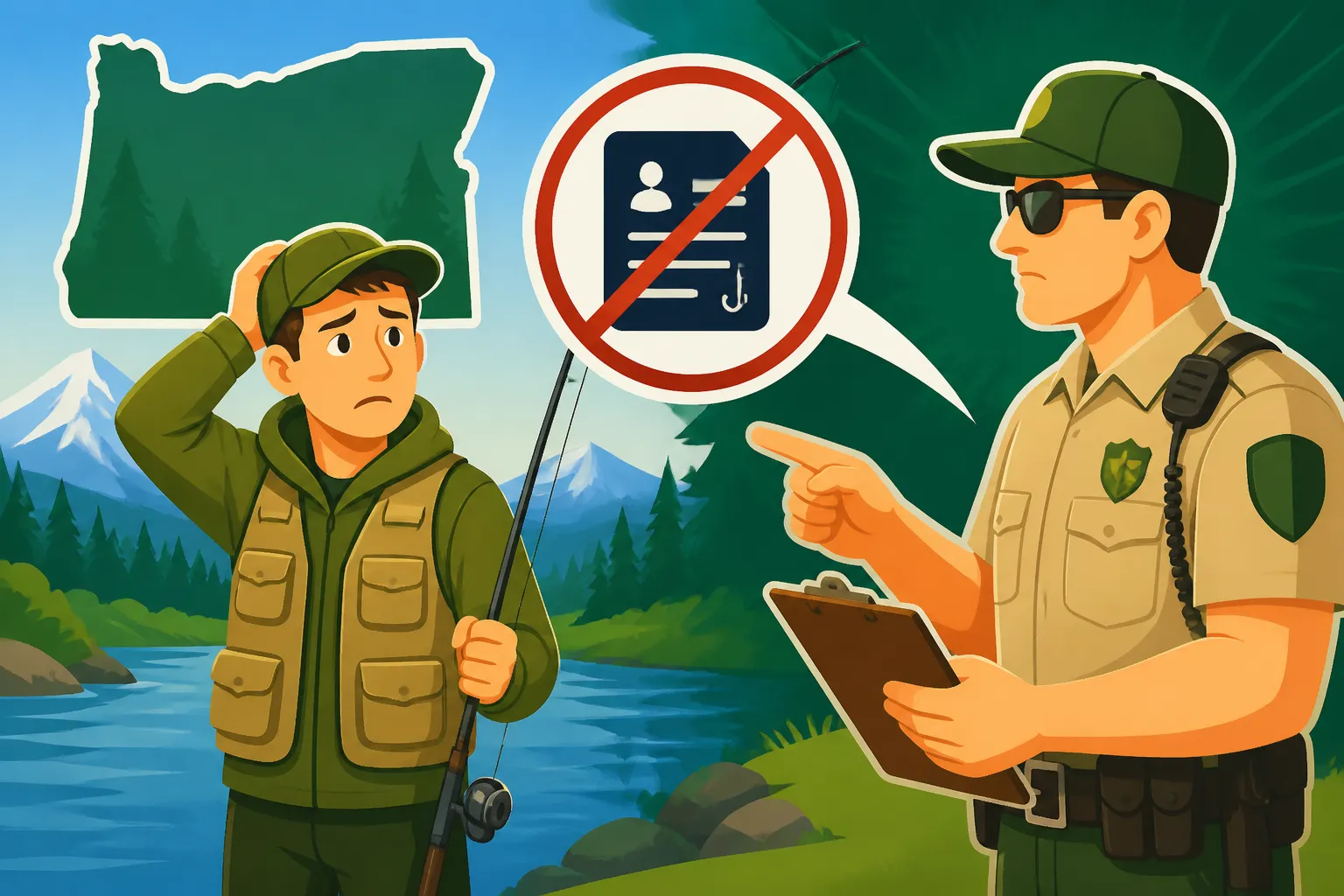
Oregon fishing without a license fine amount
It's incredibly frustrating to head out for a peaceful day on Oregon's beautiful rivers or coast, only to realize you might have overlooked a crucial detail – your fishing license. Many anglers wonder, often too late, what the actual cost and consequences are if you're caught fishing without the proper credentials. This guide is here to shed light on exactly what happens if you find yourself in that sticky situation, detailing the fines, potential additional penalties, and how to avoid them in the first place, ensuring your time on the water remains enjoyable and legal.
Understanding the Financial Ramifications of Fishing Without a License
Let's get right to it: getting caught fishing without a valid license in Oregon isn't just a slap on the wrist. It's considered a serious infraction, and the financial penalties can be substantial, quickly turning a relaxing day into a costly mistake. The state of Oregon categorizes fishing without a license as a Class A Violation. While the base fine itself might seem manageable at first glance, the total amount you'll end up paying often escalates dramatically once court fees, assessments, and surcharges are tacked on.
Imagine you're out on the Nehalem River, enjoying the crisp morning air, maybe hoping for a winter steelhead. A game warden approaches, asks for your license, and you come up empty-handed. In this scenario, you're not just looking at the initial violation fine. You'll likely receive a citation that, once processed through the court system, could easily amount to several hundred dollars. For a Class A Violation in Oregon, the presumptive fine often starts around $435, but depending on the specific circumstances, location, and the discretion of the judge, this amount can fluctuate. It’s not uncommon for the final bill to approach or even exceed $500 once all the various court costs and fees are applied. This steep cost is designed not just to punish, but to deter, emphasizing the importance of supporting Oregon's fish and wildlife conservation efforts through license purchases.
How Fines Are Determined and Applied
The specific fine amount isn't always a fixed, round number. It often includes various components:
- The Base Fine: This is the penalty directly associated with the Class A Violation of fishing without a license.
- Court Costs: Every time a citation goes through the judicial system, there are administrative costs involved. These are passed on to the violator.
- Assessments and Surcharges: Oregon adds various assessments and surcharges to fines, often for specific state funds or programs. These can significantly inflate the total amount. For instance, there might be a court security fee, a public safety assessment, and other similar additions that accumulate quickly.
Consider a hypothetical situation where an angler from out of state is visiting and genuinely forgets to purchase an Oregon Nonresident Fishing License Cost. They might assume it's a minor oversight, but the legal system doesn't differentiate based on intent as much as on the act itself. The fine would still apply, and they'd be expected to pay it just like a resident. The Oregon Department of Fish and Wildlife (ODFW) and Oregon State Police (OSP) Game Troopers are consistent in enforcing these regulations, understanding that a valid license is fundamental to managing the state's natural resources effectively.
It's also worth noting that if you receive multiple citations in one incident – for example, fishing without a license AND using illegal bait – each violation will carry its own fine structure, compounding your financial burden. This is why understanding the full scope of Oregon Fishing Regulations Explained is so vital before you even cast a line.
Beyond the Monetary Penalty: Other Serious Consequences
While the hefty fine is undoubtedly a significant deterrent, fishing without a license in Oregon can lead to a cascade of other legal and practical problems that extend far beyond just emptying your wallet. These additional consequences can impact your ability to fish in the future, and in some cases, even result in the loss of valuable personal property. It’s crucial to understand that law enforcement takes these violations very seriously, especially as part of a broader effort to combat poaching and ensure sustainable fishing for everyone.
Forfeiture of Gear and Catch
One of the most immediate and impactful consequences, aside from the fine, is the potential forfeiture of your fishing gear. If an Oregon State Police (OSP) Game Trooper catches you fishing without a license, they have the authority to seize your rod, reel, and any other equipment being used at the time of the violation. This isn't just a theoretical threat; it happens regularly. Imagine having your brand-new, high-end rod and reel confiscated right there on the bank of the Deschutes River – a significant financial loss on top of the impending fine.
Furthermore, any fish you've caught while unlicensed will also be confiscated. This applies whether you've landed a prized spring Chinook, a feisty rainbow trout, or even just a few panfish. The purpose of these regulations isn't just about revenue; it's about discouraging illegal activity that undermines conservation efforts. Even if you were planning to catch and release, if you don't have a license, you're not legally entitled to engage in any fishing activity, period.
Suspension of Fishing Privileges
Perhaps even more disheartening for an avid angler than losing gear is the possibility of having your fishing privileges suspended for a period of time. Depending on the severity of the violation, your history of infractions, and the discretion of the court, you could be prohibited from purchasing an Oregon fishing license for a year, two years, or even longer. This means no more trips to the coast for halibut, no more chasing salmon in the Columbia, and no more peaceful days on the lakes for the duration of your suspension.
This consequence hits hard because it strikes at the very heart of why people fish. The thought of being unable to participate in your favorite pastime for an extended period can be a powerful motivator to ensure you're always properly licensed. It’s not just about paying a fine; it’s about losing access to Oregon’s incredible angling opportunities, which is a far greater cost for many. A suspension can also affect your ability to get hunting licenses, as these privileges are often linked.
Court Appearances and Criminal Record Implications
While fishing without a license is typically classified as a violation rather than a full-blown crime, it still often requires a mandatory court appearance. This means taking time off work, traveling to the courthouse, and facing a judge, which can be an intimidating and inconvenient experience. Failing to appear in court can lead to even more severe penalties, including warrants for your arrest and additional fines.
Moreover, a record of fishing violations can impact your standing with the ODFW. Repeat offenders or those with more egregious violations, such as fishing during a closed season or exceeding bag limits, might face stricter scrutiny and harsher penalties in the future. While a single violation for not having a license might not show up on a typical criminal background check like a felony, it certainly remains on record with the ODFW and can influence future interactions or license applications. This emphasizes the importance of understanding the full scope of Oregon Fishing Violations and Penalties to avoid compounding problems.
Enforcement and Detection: How Game Wardens Catch Unlicensed Anglers
You might think it's easy to slip by unnoticed, especially in Oregon's vast wilderness or on its expansive rivers. However, the Oregon State Police Game Division, along with other authorized personnel, is incredibly diligent and effective at enforcing fishing regulations. They are experts at patrolling both well-known hotspots and secluded areas, and they employ various methods to detect and cite unlicensed anglers. It's not a matter of if you'll be checked, but when.
The Role of Oregon State Police Game Troopers
OSP Game Troopers are highly trained law enforcement officers specifically tasked with protecting Oregon's natural resources. They are the frontline against poaching, overfishing, and regulatory violations. These troopers are out on the water and along the banks daily, whether in patrol boats on the Columbia River, ATVs on remote coastal beaches, or simply walking popular fishing accesses. They are easily identifiable by their uniforms and marked vehicles, but they also conduct plainclothes patrols, especially in areas known for frequent violations.
These officers are incredibly knowledgeable about local fishing patterns, popular spots, and even common excuses. They can often spot an angler acting suspiciously or using incorrect gear from a distance. Their patrols are unpredictable and cover the entire state, from the high desert lakes in Eastern Oregon to the salmon runs on the coast. They are authorized to stop any individual engaged in fishing activity and request to see their valid license, as well as their catch.
Modern Detection Methods
Enforcement isn't just about traditional patrols anymore. OSP utilizes modern technology to enhance their detection capabilities. This can include:
- Boating Patrols: On larger bodies of water like the Columbia River, Willamette River, or coastal bays (like Tillamook Bay), game troopers often patrol by boat, allowing them to approach anglers directly on the water or on remote banks.
- Checkpoints and Spot Checks: During peak fishing seasons, especially for popular species like salmon or steelhead, OSP may set up temporary checkpoints at boat ramps or popular access points to check licenses and inspect catches.
- Informants and Public Reporting: Concerned citizens are often the first to report suspicious activity. If someone sees what they believe is illegal fishing, they can call the OSP TIP line, which is actively monitored.
- Digital License Verification: With the shift to digital licenses, troopers can quickly verify an angler's license status on the spot using mobile devices, making it harder to claim you "forgot" your paper copy at home. This means they can verify if you have an Oregon Annual Angling License or a Oregon 1-Day Fishing License immediately.
Even if you're just dipping a line into a private pond, the question of whether Do you need a fishing license to fish from a dock in Oregon? or private water often depends on whether the water is open to the public or connects to public waterways. It's almost always safer to assume a license is required unless you're absolutely certain.
| Violation Type | Typical Penalty (Base Fine + Fees) | Additional Consequences |
|---|---|---|
| Fishing Without Valid License | $435 – $500+ | Gear forfeiture, catch forfeiture, license suspension, court appearance |
| Failure to Carry License | Minor fine (if valid) | Inconvenience, delays |
| Fishing in Closed Area | Higher fine, potential jail time | Gear forfeiture, lengthy license suspension, criminal record |
| Exceeding Bag Limits | Higher fine, potential jail time | Gear forfeiture, lengthy license suspension, criminal record |
| Using Illegal Bait/Gear | Fine (varies) | Gear forfeiture, license suspension |
Note: These are estimated figures and can vary based on specific circumstances, local jurisdiction, and court decisions.
Ensuring You're Always Legal: Proactive Steps to Take
Given the significant fines and severe consequences of fishing without a license, the best approach is always to be proactive and ensure you're fully compliant with Oregon's regulations before you even leave the house. It's a small investment in time and money compared to the potential headaches and costs of a violation. Thankfully, getting and managing your Oregon fishing license is quite straightforward these days.
Purchasing Your License
The easiest and most convenient way to purchase your Oregon fishing license is online through the Oregon Department of Fish and Wildlife (ODFW) website. Their licensing system is user-friendly and allows you to select the appropriate license for your needs, whether it's an annual license, a daily permit, or a combination package that includes an Oregon Combined Angling Tag Guide for salmon and steelhead. You can complete the purchase from the comfort of your home, and often, you can print a temporary license or save a digital copy to your phone instantly.
If you prefer to buy in person, there are numerous authorized vendors across the state. These include most sporting goods stores like those found at a typical Bass Pro Shops or even smaller local tackle shops. Many county clerk offices and some Walmart stores also sell licenses. Just be sure to bring a valid form of identification, as they'll need it to process your purchase. For a comprehensive list of where to buy, check out the Where to Buy an Oregon Fishing License guide. Remember, your license is typically valid from January 1st through December 31st, regardless of when you buy it, so paying attention to the Oregon Fishing License Expiration Date is key.
Understanding License Types and Endorsements
Oregon offers a variety of license types, and it’s critical to choose the one that fits your fishing plans. A basic annual angling license covers most freshwater fishing. However, if you plan to fish for salmon, steelhead, or sturgeon, you'll also need a Combined Angling Tag. For specific fisheries, like those on the Columbia River, an additional Oregon Columbia River Basin Endorsement might be required. If you're heading out for crabbing or clamming, an Oregon Shellfish License is necessary. Don't forget that if you're a senior, there are specific Oregon Senior Fishing License Age and Cost options that can save you money. Always double-check the current year's regulations to ensure you have all the necessary endorsements for the species and locations you plan to target. The ODFW website is an invaluable resource for this, or you can pick up a physical regulation booklet from any license vendor.
Keeping Proof of License Accessible
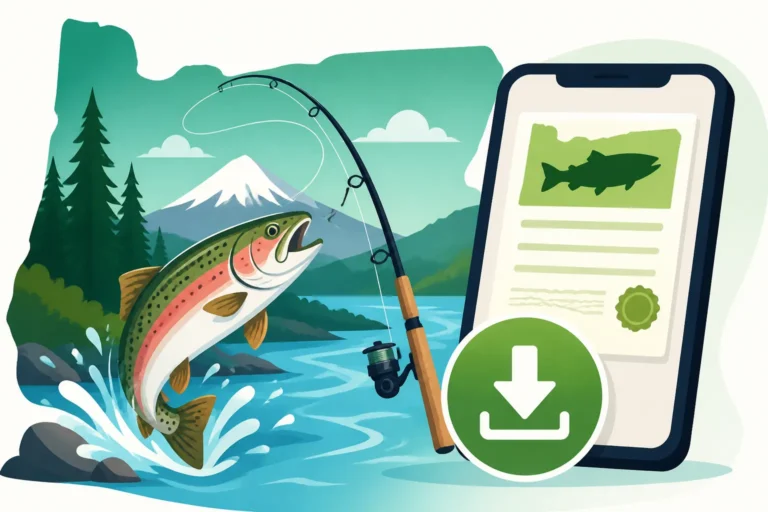
Once you have your license, make sure you can produce it if requested by a game warden. While having a physical copy is always a safe bet, Oregon regulations generally allow for digital proof of license on your smartphone. Many anglers prefer this method for convenience. However, be aware of a couple of potential pitfalls:
- Battery Life: A dead phone battery won't cut it as an excuse. Always ensure your phone is charged if you're relying on digital proof.
- Signal Issues: In remote areas, cell service can be spotty or nonexistent. While the license itself doesn't require a signal once downloaded or screen-shotted, accessing the ODFW website to pull it up might. Download your license or take a screenshot and save it to your photos for easy offline access.
I personally recommend taking a screenshot of your digital license and saving it to your "favorites" album on your phone. That way, it's always quickly accessible, even without cell service. You could also carry a laminated paper copy in your tackle box or wallet. It’s always better to be over-prepared than to face a fine. You can even find waterproof cases for your phone on Amazon that allow you to keep your license accessible while protecting your device from the elements.
Staying Informed About Regulations and Renewals
Fishing regulations change, sometimes even mid-season, especially concerning specific species or areas due to environmental factors or fish populations. It's your responsibility as an angler to stay up-to-date. Bookmark the ODFW regulation updates page or sign up for their email newsletters. Many fishing apps can also provide real-time updates. If you're a regular, consider subscribing to an outdoor magazine or forum that focuses on Oregon fishing, as these often highlight changes. For instance, the Oregon Fishing License Guide can walk you through the annual process.
Remember to renew your license annually. The ODFW typically sends out reminders, but it's easy to miss them in a busy inbox. Set a recurring calendar reminder for yourself in late December or early January to ensure you're always covered for the new year. You can also visit the ODFW website to find out How to Renew an Oregon Fishing License Online. Don't forget to check if you need to re-purchase any tags or endorsements, as these are typically tied to the license year. You can also pick up a useful fishing logbook on Amazon to keep track of your catches and remind yourself of license renewal dates.
By taking these simple, proactive steps, you can ensure your Oregon fishing adventures are always legal, enjoyable, and free from unexpected fines or penalties. Don't let a simple oversight turn a great day into a costly one. Staying informed and prepared means more time on the water, and less time worrying about legalities. For those who frequently shop for outdoor gear, keeping an eye on Amazon for deals on things like fishing line, lures, or even a new fishing vest with dedicated pockets for your license and regulations booklet, can make a significant difference in preparedness.
Disclaimer
The information provided in this guide is for general informational purposes only and does not constitute legal advice. Fishing regulations and associated penalties in Oregon can change. Always consult the official Oregon Department of Fish and Wildlife (ODFW) regulations and, if necessary, seek legal counsel for specific situations.