Oregon Daily Bag Limits Explained
Alright, let's talk about something that can feel like trying to solve a Rubik's Cube blindfolded: Oregon's daily bag limits. You spend hours planning your trip, researching the best spots, and dreaming of that perfect catch, only to be met with a dense rulebook that seems to contradict itself every other page. It's frustrating, confusing, and honestly, a little intimidating. But don't you worry, because this guide is here to break down the complexities of Oregon's daily bag limits, helping you understand exactly what you can keep, how many, and why, so you can fish with confidence and stay on the right side of the regulations.
Understanding the Basics of Oregon's Daily Bag Limits
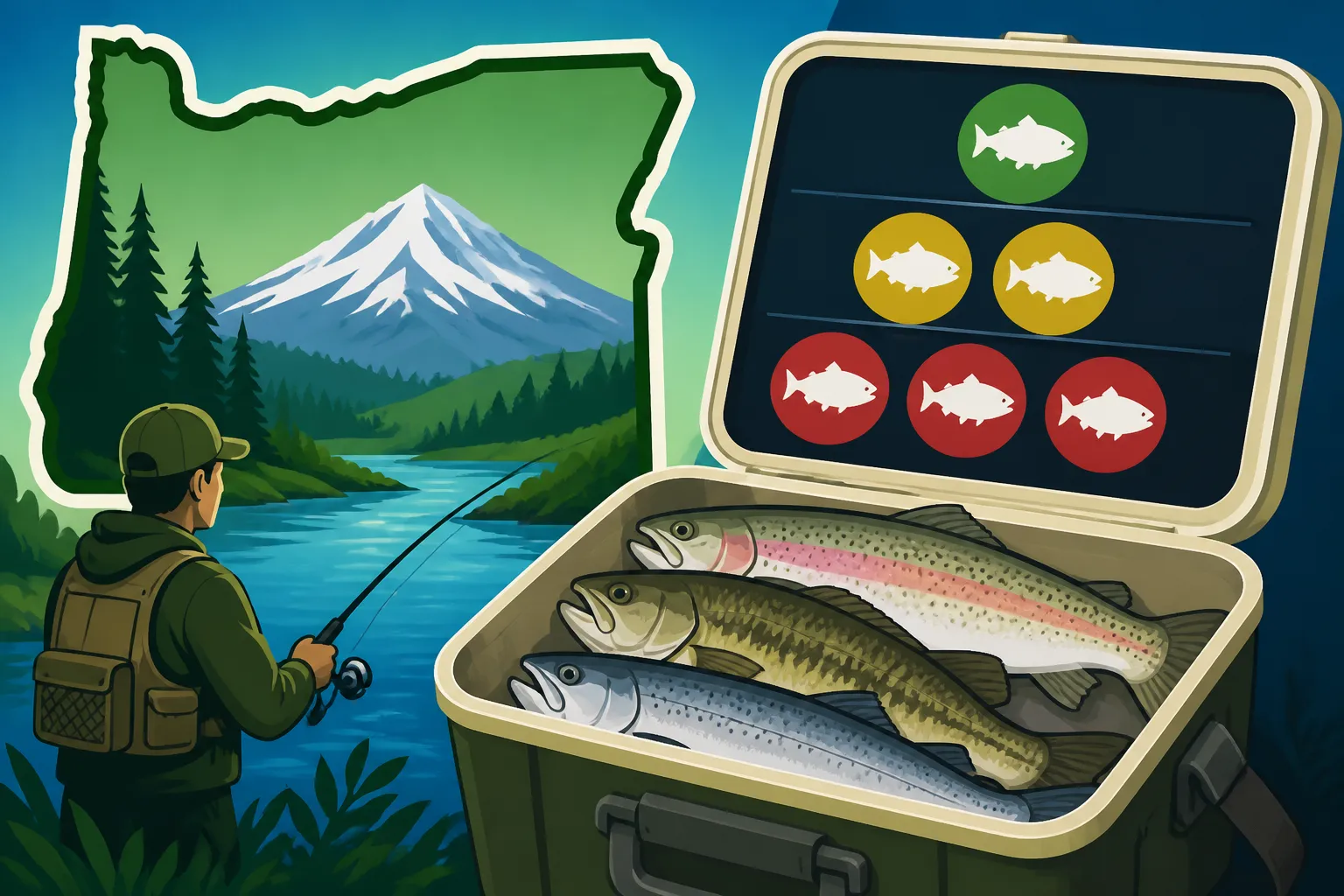
Navigating the world of fishing regulations can feel like learning a new language. You've got your license, your gear, and a whole lot of enthusiasm, but then you open the Oregon Department of Fish and Wildlife (ODFW) regulation booklet, and your head starts to spin. Daily bag limits are one of the most fundamental, yet often misunderstood, components of those rules. They dictate how many individual fish (or other species like crabs or clams) you're allowed to keep in a single day, and they're crucial for sustainable angling.
Why Bag Limits Exist
It's easy to look at a bag limit and think, "Why can't I just keep everything I catch?" But the truth is, these limits aren't arbitrary rules designed to make your life harder; they're the bedrock of conservation. Oregon's fisheries are precious resources, and without careful management, they could quickly be depleted. Bag limits help ensure that enough fish return to spawn, that populations remain healthy and robust, and that there's enough fish for everyone, for generations to come. Think of it as sharing the bounty. If one angler keeps too many, there's less for the next person, and less for the natural cycles of the ecosystem.
Moreover, bag limits are a key tool in managing fishing pressure. Some species, like wild steelhead, are particularly vulnerable and require strict catch-and-release rules or very low retention limits, while others, like certain warmwater bass, might have more generous limits because their populations are thriving or they're considered invasive in specific waters. It's all about balancing the ecological needs with the recreational desires of anglers, ensuring a sustainable future for Oregon Fishing.
General Statewide vs. Zone-Specific Rules
Here's where things can get a little tricky, and it’s a source of much head-scratching for anglers, both seasoned and new. Oregon isn't a "one-size-fits-all" state when it comes to fishing regulations. While there are some general statewide rules that apply across the board, most of the specifics – especially concerning highly sought-after species like salmon and steelhead – are broken down by specific zones, rivers, or even stretches of a river.
For instance, the bag limit for Chinook salmon on the lower Columbia River during the fall run might be completely different from the limit on the Willamette River during the spring run, or even a coastal river like the Nestucca. These localized rules consider factors like specific run sizes, habitat conditions, and even agreements with neighboring states like Washington on shared waters. This is why simply knowing the statewide rules isn't enough; you absolutely have to check the regulations for the specific body of water you plan to fish. You can find more comprehensive details in our Oregon Fishing Regulations Explained guide. Neglecting this step is a common mistake that can lead to unintentional violations.
Common Game Fish Bag Limits and Variations
Oregon is a paradise for anglers, offering a diverse array of fish species from majestic salmon and steelhead to feisty trout and powerful sturgeon. However, with that diversity comes a complex web of daily bag limits that can vary dramatically based on the species, the specific body of water, and even whether the fish is wild or hatchery-reared. Understanding these nuances is key to a successful and legal fishing trip.
Salmon and Steelhead Daily Limits
Ah, salmon and steelhead – the iconic fish of the Pacific Northwest! These species are highly regulated due to their conservation status and economic importance. For salmon and steelhead, you'll often encounter specific rules regarding which fish you can keep and how many. The primary distinction almost always revolves around whether the fish is a hatchery-marked fish or a wild fish.
Hatchery fish are typically identifiable by a missing adipose fin (a small fleshy fin on their back, between the dorsal and caudal fins). This fin is "clipped" when the fish are young as a way to distinguish them from wild fish. Generally, you can retain hatchery-marked fish, while wild fish are often catch-and-release only, or have extremely restrictive limits. For example, on many Oregon rivers, the daily bag limit might be 2 hatchery steelhead, but all wild steelhead must be released unharmed. This is a critical distinction, and you'll want to be absolutely certain you can correctly identify a fin-clipped fish. Beyond the hatchery/wild distinction, limits also vary by specific salmon species—Chinook and Coho salmon, for instance, often have different daily limits. Keeping track of these can sometimes feel like a full-time job, but understanding the rules around Oregon Salmon Species Guide and Oregon Steelhead Guide is crucial.
Trout and Kokanee Daily Limits
Trout fishing in Oregon offers incredible variety, from high-mountain lakes teeming with native cutthroat to large reservoirs stocked with rainbow trout. The daily bag limits for trout species can be just as varied. For stocked lakes and ponds, particularly those frequently replenished by ODFW, the limits are often quite generous, sometimes allowing for 5 or more trout per day. These healthy, accessible fisheries are fantastic for families and beginners.
However, once you venture into wild trout streams or specific trophy lakes, the rules tighten up. You might encounter size restrictions, such as "no trout under 8 inches" or "only one trout over 20 inches." Some areas might have lower total bag limits, say 2 trout per day, to protect wild populations. Kokanee salmon, which are landlocked sockeye salmon and a popular target in many Oregon lakes like Wallowa Lake and Lake Billy Chinook, also have their own specific bag limits, often separate from other trout. These can be quite generous, sometimes up to 25 kokanee per day, due to their abundant populations in certain waters. For a deeper dive into these species, check out our Oregon Trout Species Guide to learn more about the specifics.
Sturgeon Daily Limits and Slot Sizes
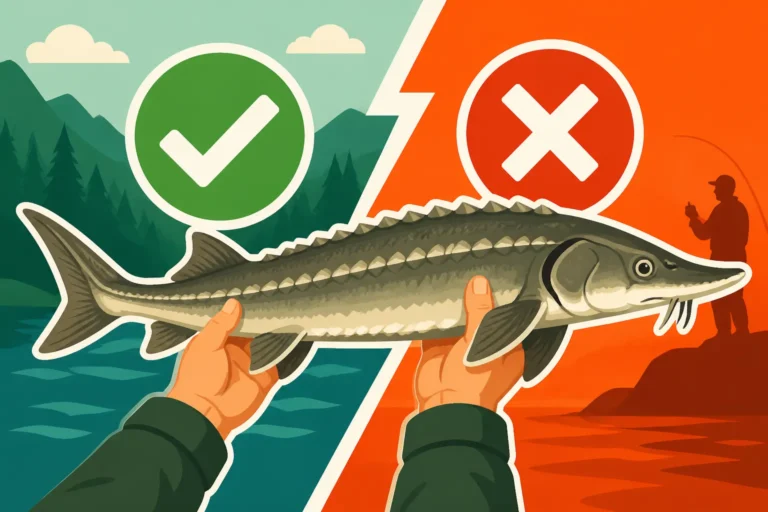
Sturgeon fishing in Oregon, particularly on the mighty Columbia River, is a truly unique experience. These ancient fish are highly protected, and their daily bag limits are perhaps the most intricate of all freshwater species. For white sturgeon, retention opportunities are usually very limited and specific, often tied to a "slot limit." A slot limit means you can only keep fish that fall within a very narrow size range, for example, between 38 and 54 inches fork length. Fish smaller than the minimum or larger than the maximum must be released unharmed. This ensures that younger, growing fish and large, prime breeding adults are protected.
Beyond the daily slot limit, there's often an annual limit as well, meaning you might only be allowed to retain one or two sturgeon per year, not just per day. Most sturgeon fishing, outside of very specific, highly regulated openings, is entirely catch-and-release, which is why understanding Oregon Catch-and-Release Rules is so important. These openings are typically announced with short notice and close quickly once quotas are met. Always, always consult the most current ODFW regulations, including emergency closures and updates, before heading out for sturgeon. If you're targeting this incredible fish, you'll also likely need a specific tag, which you can learn more about in our Oregon Sturgeon Guide.
Warmwater Species and Less Common Catches
While salmon, steelhead, and trout often get all the glory (and the complex regulations), Oregon's waters are also home to a fantastic array of warmwater species and other unique freshwater fish. For these, the daily bag limits can sometimes be surprisingly generous, reflecting different management goals and population dynamics. It's a great opportunity to diversify your angling experience!
Bass, Crappie, and Perch Regulations
For many warmwater species like smallmouth bass, largemouth bass, crappie, and yellow perch, you'll find that Oregon's daily bag limits are often quite liberal, and in some cases, there are no limits at all. This is particularly true for smallmouth bass in certain river systems, like the John Day River, where they are considered an invasive species that can negatively impact native salmon and steelhead populations. The ODFW actually encourages anglers to remove them, often with no size or bag limits, to help protect native fish.
Elsewhere, in lakes and reservoirs where these species thrive and provide excellent recreational fishing, you might see limits like 10 or 25 fish per day, or even higher. These robust populations can handle more fishing pressure, and sometimes, harvesting larger numbers helps keep the ecosystem in balance by preventing overpopulation and stunted growth. It’s always a good idea to check the regulations for the specific lake or reservoir you're visiting, as even within the same species, limits can vary.
Crappie and perch, particularly in popular spots like Henry Hagg Lake or Fern Ridge Reservoir, often have generous limits, making them excellent targets for family outings and those looking to bring home a good mess of fish for the dinner table. These species are fun to catch and can be incredibly abundant.
Other Freshwater Species (Walleye, Catfish, Shad)
Beyond the more common warmwater species, Oregon's rivers and lakes also hold populations of other fascinating fish, each with its own set of rules. Walleye, for example, are a popular target in the Columbia and John Day Rivers. Similar to smallmouth bass, walleye are not native to these systems and are managed with the goal of reducing their impact on native species. Consequently, you'll often find that walleye have either very liberal or no daily bag limits in the areas where they are prevalent. This makes them a great option for anglers looking to catch a lot of fish and contribute to conservation efforts at the same time.
Catfish, including both channel catfish and brown bullheads, are found in many of Oregon's warmer waters. These bottom-dwelling fish are known for their strong fight and delicious meat. Their daily bag limits are generally quite liberal, often allowing for a good number of fish per day, again reflecting healthy populations. Shad, a schooling fish that makes a spectacular migratory run up the Columbia and Willamette Rivers in late spring and early summer, typically have very high daily bag limits, sometimes even 25 or 50 fish, making them a fantastic target for high-volume action. They're often considered a "sport fish" with minimal consumption, but can provide incredible angling excitement.
It’s always a good practice to consult the ODFW regulations specific to the river or lake you plan to fish for these species, as even with generally liberal rules, there can be exceptions or specific size restrictions in certain areas.
Ocean and Shellfish Daily Limits
Stepping away from the rivers and lakes, Oregon's vast coastline offers an entirely different realm of fishing and harvesting opportunities. The Pacific Ocean, estuaries, and sandy beaches are teeming with marine fish, crabs, and clams, each managed with its own set of daily bag limits designed to ensure sustainable populations for both recreational and commercial harvesters.
Marine Fish Daily Limits
Ocean fishing off the Oregon coast is a thrilling experience, targeting species like rockfish, lingcod, and the highly prized Pacific halibut. However, the regulations for marine fish are notoriously complex, often involving not just daily bag limits but also size limits, depth restrictions, and even specific open seasons that can change rapidly due to federal and state management decisions.
For bottomfish like rockfish (such as black rockfish, blue rockfish, and vermilion rockfish) and lingcod, you'll typically encounter a combined daily bag limit. For example, you might be allowed a certain number of marine fish in total, with specific sub-limits for certain species. Lingcod, often considered a trophy catch, typically has a lower daily limit and a specific minimum size. Halibut fishing is even more tightly controlled, with specific "all-depth" and "nearshore" seasons that are usually open only a few days a week for a limited time each year, and a very low daily bag limit (often just one per person per day) to protect their populations. Always remember that an Oregon Ocean Endorsement is required to fish for marine species.
Beyond these common species, many other marine fish like cabezon, greenling, and various flatfish also have their own bag and size limits. Due to the dynamic nature of ocean fisheries, it is absolutely paramount to check the ODFW's marine zone regulations and any in-season updates before every trip. These rules can literally change overnight.
Here’s a simplified example of how marine limits might look:
| Species Group | Daily Bag Limit (Example) | Size Limit (Example) | Notes |
|---|---|---|---|
| General Marine Fish | 5-10 combined | No specific size | Often includes various rockfish, greenling, cabezon. Can have sub-limits (e.g., only 2 vermilion rockfish). Specific rules for yelloweye rockfish (prohibited). |
| Lingcod | 2 | Min. 22 inches | Often included within the "general marine fish" total limit but with its own specific sub-limit and size requirement. |
| Pacific Halibut | 1 | Min. 42 inches | Highly regulated with specific seasons (all-depth vs. nearshore), open days, and depths. Must consult ODFW hotlines/website for current openings. |
| Salmon (Ocean) | 1-2 | Min. 24 inches | Separate regulations for ocean salmon, distinct from freshwater salmon limits. Varies by species (Chinook, Coho) and zone. Often requires a catch record card. |
Note: These are illustrative examples only. Always consult the current ODFW Sport Fishing Regulations for accurate, up-to-date information.
Crabs and Clams Daily Limits
Shellfish harvesting is a beloved activity along the Oregon coast, with Dungeness crab, various bay clams, and razor clams being the most sought-after. Just like fish, these invertebrates are managed with specific daily bag limits, size restrictions, and sometimes even sex-based rules. You'll need an Oregon Shellfish License to participate.
For Dungeness crab, the daily limit is typically 12 male crabs, 5 3/4 inches or more in size (measured across the back, in front of the points). Female Dungeness crabs must always be released unharmed, regardless of size. Red rock crabs, another common species, often have a more generous daily limit, such as 24 crabs, with no sex restriction, but still a minimum size. When crabbing, it's not just about the numbers; it's about accurately identifying the species, measuring correctly, and knowing how to determine the sex of a Dungeness crab. You can pick up crabbing gear like crab gauges and pots from stores like Bi-Mart or, for convenience, even find good starter kits on Amazon.
Clamming also has its own set of rules. Razor clams, found primarily on the northern Oregon coast's sandy beaches (like Clatsop Beach), usually have a daily limit of 20 clams, regardless of size. Bay clams (like cockles, butter clams, and littleneck clams) found in estuaries like Tillamook Bay or Yaquina Bay, typically have a combined daily limit of 20 clams, with specific restrictions on how many of each species you can harvest. For all clams, you must dig them carefully and fill your holes, and remember to check for any public health advisories related to biotoxins before you go. These advisories can lead to sudden closures, even if the season is technically open.
Navigating the Oregon Department of Fish and Wildlife (ODFW) Regulations
The sheer volume and detail in Oregon's fishing regulations can be daunting, but the Oregon Department of Fish and Wildlife (ODFW) provides several resources to help anglers stay informed. Knowing how to access and interpret these rules is as important as knowing the rules themselves. After all, ignorance of the law is never an excuse.
How to Access and Interpret the Current Regulations
The primary source for all Oregon fishing regulations is the official ODFW Sport Fishing Regulations booklet. This comprehensive guide is updated annually and covers everything from statewide general rules to specific zone regulations, bag limits, gear restrictions, and open seasons for various species. You can get a physical copy of this booklet from any ODFW license agent, sporting goods store (like Cabela's or Sportsman's Warehouse), or even many coastal tackle shops. It's often provided for free when you purchase your Oregon Fishing License Guide.
However, the physical booklet is a snapshot in time. For the most up-to-date information, especially concerning emergency closures, in-season rule changes, or specific quota-based fisheries (like halibut or sturgeon retention), the ODFW website is your best friend. They publish the entire regulation booklet online as a PDF, which is searchable, and also maintain dedicated web pages for "recreational fishing reports and news" or "in-season regulations." Many anglers find it helpful to keep a digital copy of the regulations on their phone or tablet, ready for quick reference while on the water.
When interpreting the regulations, pay close attention to the hierarchy of rules:
- Statewide General Regulations: These are the overarching rules.
- Zone Regulations: Oregon is divided into several fishing zones (e.g., Northwest Zone, Southwest Zone, Columbia River Zone). Rules for your specific zone override general statewide rules if there's a conflict.
- Individual Waterbody Regulations: Within zones, specific rivers, lakes, or bay systems will have their own rules, which override zone regulations.
- Species-Specific Regulations: Within a waterbody, rules can vary dramatically by species (e.g., trout vs. salmon).
- Temporary/Emergency Regulations: These are the most critical to check as they override all published rules and can change daily.
It's a process of narrowing down the rules to your exact location and target species. Take your time, read carefully, and if in doubt, err on the side of caution or call ODFW directly.
Staying Updated on Emergency Closures and Rule Changes
This is arguably the most crucial aspect of navigating Oregon's fishing regulations. Fisheries management is dynamic, and rules often change in-season due to conservation concerns, higher-than-expected catch rates, or environmental factors like low water levels or high temperatures. Relying solely on a printed regulation booklet can lead to unwitting violations.
The ODFW website is the primary hub for all emergency closures and rule changes. They often have dedicated "Recreational Fishing Reports & News" sections and "Recreational Sport Fishing Regulation Updates" pages. It's a good habit to check these pages before every fishing trip, especially if you're targeting salmon, steelhead, halibut, or sturgeon. You might also want to look up specific information on Oregon Fishing Season Dates and Limits for a general overview.
In addition to the website, ODFW often operates dedicated "recreational fishing hotlines" for specific areas or fisheries (e.g., Columbia River salmon, marine fisheries). These recorded messages are updated frequently and provide crucial real-time information. Many local tackle shops and guide services also keep abreast of the latest changes and can be a good informal source of information, but always cross-reference with official ODFW sources. Some popular fishing apps also integrate ODFW regulation updates, but verify they are pulling directly from official sources. The key takeaway is: always confirm current regulations before you wet a line.
Consequences of Exceeding Daily Bag Limits
It's easy to get caught up in the excitement of a successful fishing trip, but forgetting or deliberately ignoring the daily bag limits can lead to serious repercussions. The Oregon Department of Fish and Wildlife takes violations very seriously, and for good reason—these rules protect the very resource we all enjoy. Understanding the potential legal and ethical implications is crucial for every responsible angler.
Understanding the Legal Penalties
Getting caught with more fish than the daily bag limit allows, or with fish that are out of legal size or season, isn't just a slap on the wrist. It can lead to significant legal penalties, including hefty fines, forfeiture of your fishing equipment, and even suspension of your fishing privileges.
For instance, a minor offense might result in a few hundred dollars in fines, plus court costs. However, repeat offenses or more severe violations, especially involving protected species like wild salmon or steelhead, can escalate quickly. Fines can reach into the thousands of dollars, and you could face significant civil penalties on top of criminal charges. In some cases, your fishing license could be suspended for months or even years, effectively barring you from enjoying the sport you love. Imagine having all your rods, reels, and even your boat confiscated because you kept one too many fish. That's a real possibility.
The penalties are not just about the number of fish over the limit; they often factor in the species' conservation status and the intent. An honest mistake might be treated differently than a blatant disregard for the rules, but ultimately, it's your responsibility as an angler to know and follow the regulations. It's better to release a fish you're unsure about than to risk a citation. For more information on what could happen, check out our guide on Fishing Without a License Penalties in Oregon, as violations of bag limits can carry similar weight.
Ethical Angling and Conservation
Beyond the legal ramifications, there's a vital ethical dimension to adhering to daily bag limits. Every fish caught and kept represents a withdrawal from a shared, finite resource. When anglers exceed bag limits, they are essentially taking more than their fair share, impacting the overall health and sustainability of the fishery for everyone else.
This behavior undermines conservation efforts, which are painstakingly put in place through scientific research and public input to ensure long-term angling opportunities. Think about the impact on future generations: if current anglers consistently overharvest, there simply won't be as many fish for our children and grandchildren to catch. Ethical angling means respecting the resource, the rules, and other anglers. It means understanding that the act of fishing itself, not just the harvest, is a privilege.
Practicing catch and release, especially for vulnerable species or when you've already met your daily limit, is a cornerstone of responsible fishing. Learning how to properly release a fish to maximize its survival chances is part of this ethic. Every decision you make on the water has an impact, and by respecting daily bag limits, you're contributing to a healthier ecosystem and a more enjoyable experience for all who share Oregon's incredible fishing opportunities. Consider it part of your commitment when you pursue an Oregon Combined Angling Tag Guide to respect the rules that come with it.
Disclaimer
Please remember that fishing regulations, including daily bag limits, are subject to change by the Oregon Department of Fish and Wildlife (ODFW) throughout the year, sometimes with very little notice. While this guide provides a comprehensive overview, it is essential that you consult the most current official ODFW Sport Fishing Regulations and any in-season updates or emergency closures on the ODFW website or hotline before every fishing trip. This content is for informational purposes only and should not be considered legal advice.