Best charter out of Winchester Bay
Finding the perfect fishing charter in a new area like Winchester Bay can feel like navigating a maze, especially when you're looking for an unforgettable experience that matches your angling goals. Many folks feel overwhelmed by the sheer number of options and wonder how to discern a truly exceptional trip from a mediocre one. This guide will walk you through what makes Winchester Bay such a fantastic fishing destination and give you the insider tips you need to choose the best charter for your next Oregon fishing adventure, ensuring you land on a trip that's just right for you.
Why Winchester Bay is a Premier Oregon Fishing Destination
Winchester Bay, nestled at the mouth of the Umpqua River on the Oregon Coast, isn't just another pretty spot; it's a dynamic fishing hub teeming with opportunity. Its unique geography, with the massive Umpqua River estuary flowing into the Pacific Ocean, creates an incredibly rich and diverse ecosystem that attracts a wide array of desirable fish species throughout the year. This special confluence of freshwater and saltwater offers anglers a variety of fishing experiences, from calm bay crabbing to exhilarating ocean salmon runs.
Unique Geography and Estuary Fishing
The Umpqua River, one of Oregon's largest river systems, brings a constant influx of nutrients and baitfish into Winchester Bay. This estuarine environment acts like a natural magnet, drawing in a vast food chain and creating prime habitat for juvenile fish and their predators. Imagine a buffet for marine life – that's essentially what the Umpqua estuary provides. It's a fantastic spot for bottom fishing, crabbing, and targeting resident fish, even when ocean conditions might be too rough for venturing out into the open sea. You can find sheltered waters within the bay that offer productive fishing, regardless of the ocean swell, which is a huge bonus for those sensitive to seasickness or looking for a more relaxed outing. The jetties at the mouth also provide excellent structure for various species, acting as highways for migrating fish and cover for ambush predators.
Target Species Variety in Winchester Bay
Anglers coming to Winchester Bay are often amazed by the sheer diversity of species they can target. This isn't a one-trick pony; you'll find opportunities for both highly sought-after game fish and delicious table fare. Depending on the season, you could be battling powerful Chinook salmon, reeling in vibrant rockfish, or pulling up a pot full of Dungeness crabs. The bay's unique position means it's a critical stopover for anadromous fish like salmon and steelhead making their way up the Umpqua, while also supporting robust populations of ocean-dwelling species. It's a truly versatile fishery, allowing charters to pivot and offer different experiences based on conditions and seasonal runs.
Key Factors for Choosing the Best Charter in Winchester Bay
Selecting the "best" charter isn't a one-size-fits-all answer; it depends heavily on what you consider important for your fishing trip. Are you looking for a trophy fish, a family-friendly outing, or a relaxed crabbing adventure? Understanding what to look for in a charter company and its crew will help you narrow down your choices and book a trip that perfectly aligns with your expectations.
Reputation and Experience of Captains
The captain is the heart and soul of any charter operation. An experienced captain knows the local waters intimately – the tides, currents, hot spots, and even the subtle signs of fish activity. They've spent years learning the nuances of Winchester Bay and the offshore grounds, which means they can put you on fish more consistently. Look for captains with a long history of operating out of Winchester Bay specifically, as their local knowledge is invaluable. A reputable captain also prioritizes safety, maintains their vessel meticulously, and has a professional, friendly demeanor. They should be excellent communicators, willing to share their knowledge and ensure everyone on board feels comfortable and engaged, whether you're a seasoned angler or a complete novice. Don't be shy about asking about their experience or specialization; some captains excel at salmon, while others are bottom-fishing pros.
Boat Type and Amenities
The vessel itself plays a significant role in your comfort and success. Charters typically operate various boat types, from smaller bay boats suitable for crabbing and estuary fishing to larger, ocean-going craft designed for tackling offshore salmon or halibut. Consider the size of your group and the type of fishing you plan to do. A larger boat might offer more stability in rough ocean conditions, while a smaller, nimbler vessel might get you into shallower, more specific spots within the bay. Think about amenities too: Does the boat have a heated cabin for cooler days? A marine head (restroom) for longer trips? Is there ample deck space for casting or reeling in your catch? If you're planning a full day of Oregon Ocean Charter Fishing, these details can make a huge difference in your overall enjoyment. Most charters provide all necessary fishing gear, but confirm what's included when you book.
Customer Reviews and Word of Mouth
In today's digital age, one of the most reliable ways to gauge a charter's quality is through customer reviews. Platforms like FishingBooker provide a wealth of feedback from previous clients, detailing everything from the captain's expertise to the cleanliness of the boat and the overall fishing success. Pay attention to recurring themes in reviews – consistently positive comments about a captain's helpfulness or consistent catches are strong indicators of a good charter. Conversely, repeated complaints about a lack of fish, poor communication, or safety concerns should be red flags. While FishingBooker is a great resource, don't underestimate the power of local word-of-mouth recommendations. Striking up a conversation with anglers at the docks or local tackle shops in Winchester Bay can often lead to invaluable, authentic insights into which charters deliver the best experiences.
Top Species to Target and When in Winchester Bay
Winchester Bay's diverse ecosystem means there's almost always something biting. However, understanding the seasonal runs and optimal times for different species will significantly increase your chances of a successful and memorable trip. Charters in Winchester Bay specialize in certain fisheries, so knowing what you want to target will help you choose the right guide at the right time.
Chinook and Coho Salmon Seasons
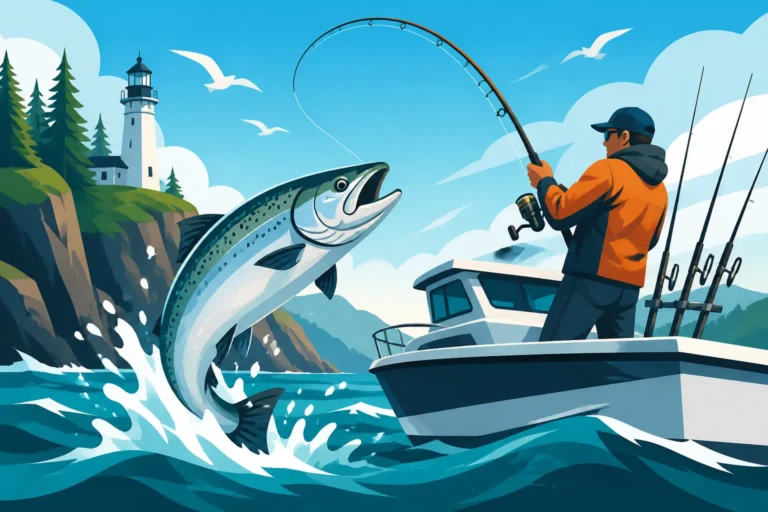
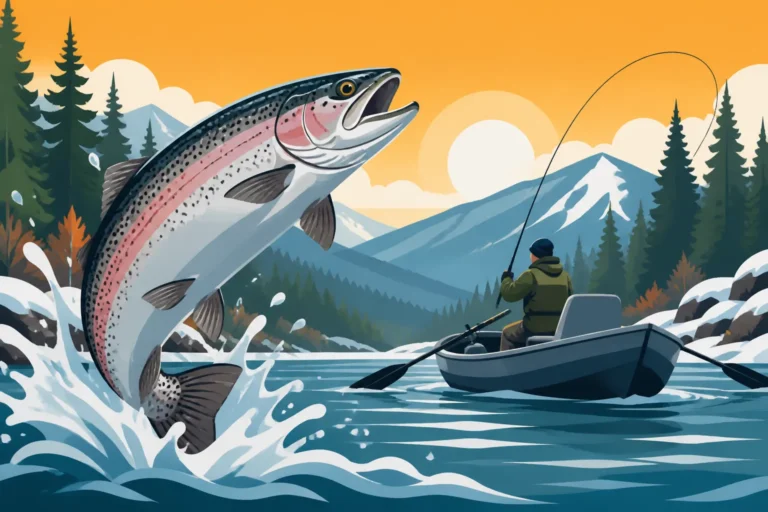
Salmon fishing is often the biggest draw for anglers visiting the Oregon Coast, and Winchester Bay is no exception. The Umpqua River is renowned for its Chinook and Coho salmon runs.
- Chinook Salmon (King Salmon): These mighty fish are the prize for many anglers. The main Chinook run typically occurs from late summer into early fall, usually peaking in August and September. During this time, the ocean just offshore and the lower Umpqua estuary become prime fishing grounds as these powerful fish stage before heading upstream to spawn. Trolling with bait like herring or anchovies, or with large artificial lures, is a popular and effective method. You'll want to check Chinook Salmon in Oregon regulations closely, as limits and open areas can change. A good charter here will have up-to-date knowledge on where the fish are holding and what tackle they're biting on.
- Coho Salmon (Silver Salmon): Coho typically follow the Chinook, with their run starting in late summer and extending into the fall, often overlapping with the Chinook season. Coho are known for their acrobatic fights and willingness to chase a trolled lure or fly. They might not be as large as Chinook, but their energy makes for an exciting battle. Both species provide excellent table fare, making them highly sought after. Finding a charter that understands the specific nuances of salmon behavior in the Umpqua bar area is key to success.
Bottom Fishing for Lingcod and Rockfish
If salmon aren't running strong or you're looking for a different kind of action, bottom fishing off Winchester Bay offers consistent excitement and delicious results. These trips usually head out to the reefs and rocky structures a few miles offshore.
- Lingcod: These aggressive predators are a blast to catch and are fantastic eating. They hide in rocky crevices, ambushing unsuspecting prey. Jigs, swimbaits, and baitfish are all effective for lingcod. They can grow quite large, offering a real tug-of-war. The season for lingcod is generally open for much of the year, though conditions dictate when charters can safely reach their habitats. Check out Lingcod off the Oregon Coast for more detailed information on seasons and limits.
- Rockfish (Sea Bass): Oregon's coastal waters are home to a vibrant array of rockfish species, including black rockfish, blue rockfish, and vermilion rockfish, among others. These fish are typically found over rocky reefs and structure, often in large schools. They're excellent table fish and provide steady action, making them a great option for family trips or when you want to ensure everyone gets a fish. Jigging with artificial lures or fishing with bait are common methods. Bottom fishing charters are a reliable choice when the ocean is calm enough to venture out, offering a different but equally rewarding experience compared to salmon fishing.
Dungeness Crabbing Opportunities
Beyond the thrill of fishing, Winchester Bay is a prime location for Dungeness crabbing, a quintessential Oregon Coast experience. Many charters offer dedicated crabbing trips or "combo" trips where you can fish and crab on the same outing.
- Dungeness Crab: These succulent crustaceans are a delicacy, and catching your own is incredibly satisfying. Crabbing in Winchester Bay is popular year-round, though the best catches often occur during the fall and winter months when crabs are fuller and meatier. Charters will typically drop pots in the bay, allowing them to soak while you're fishing or while you enjoy a scenic cruise. Later, you'll pull the pots to check your catch, keeping only legal-sized males. It's a fun, interactive activity that's perfect for families and adds a unique element to your coastal adventure. Learning about Dungeness Crab in Oregon regulations is important, as there are strict rules about size and sex.
| Species | Primary Season (General) | Common Fishing Methods | Typical Charter Type | Best For |
|---|---|---|---|---|
| Chinook Salmon | Late Summer – Early Fall | Trolling with bait/lures | Ocean/Estuary | Trophy fish, exciting fights, delicious eating |
| Coho Salmon | Late Summer – Fall | Trolling with bait/lures | Ocean/Estuary | Energetic fights, good eating, consistent action |
| Lingcod | Year-round (weather dep.) | Jigging, bait fishing | Ocean (bottom fishing) | Aggressive bites, excellent eating |
| Rockfish | Year-round (weather dep.) | Jigging, bait fishing | Ocean (bottom fishing) | Steady action, good eating, family-friendly |
| Dungeness Crab | Year-round (Fall/Winter Best) | Pot dropping | Estuary/Bay (Crab-only or combo) | Family fun, delicious seafood |
Preparing for Your Winchester Bay Charter Trip
Once you've picked the perfect charter, a little preparation goes a long way in ensuring your trip is smooth, safe, and enjoyable. Thinking ahead about logistics, what to bring, and local customs will allow you to relax and focus on the thrill of the catch.
Licensing and Endorsements
Before you even step foot on the boat, ensuring you have the correct Oregon fishing licenses and any necessary endorsements is paramount. This is a non-negotiable requirement for all anglers, regardless of whether you're fishing with a guide or on your own.
- Basic Angling License: Everyone 12 years and older needs a valid Oregon fishing license. For visitors, a daily or multi-day non-resident license might be the most cost-effective option, depending on the length of your stay. Residents have annual options.
- Combined Angling Tag: If you're targeting salmon, steelhead, or sturgeon, you'll also need a Oregon Combined Angling Tag Guide. This tag is essentially a catch record card, crucial for managing these important fisheries. It tracks your harvest and helps wildlife agencies monitor populations.
- Ocean Endorsement: For any ocean fishing, which includes most salmon, halibut, lingcod, and rockfish trips, you'll need an Oregon Ocean Endorsement in addition to your basic license. This small add-on helps fund vital marine resource management.
- Crabbing License: If your charter includes crabbing, a shellfish license is also required.
- Where to Buy: You can easily purchase these online through the Oregon Department of Fish and Wildlife (ODFW) website, or in person at many sporting goods stores and tackle shops in communities like Winchester Bay itself. It’s always best to buy them in advance to avoid any last-minute rush or delays on the morning of your trip. Don't assume your charter provides the license; they generally do not. For detailed information on costs, you might find Oregon Fishing License Costs helpful.
What to Bring Aboard
Packing smart can make your day on the water much more comfortable. While charters typically provide fishing gear, here's a general checklist of personal items you'll want to have:
- Layered Clothing: The Oregon Coast weather is notoriously unpredictable. Dress in layers, including a waterproof outer shell, even on sunny days. It can be significantly cooler on the water, and spray from waves can quickly soak you.
- Rain Gear: Even a light drizzle can feel miserable without proper protection. A good quality rain jacket and pants are highly recommended.
- Hat and Sunglasses: Protection from the sun and glare off the water is essential, even on cloudy days.
- Sunscreen: Don't underestimate the sun's power, especially when reflected off the water.
- Food and Drinks: Most charters don't provide meals, so pack plenty of snacks, lunch, and water or other non-alcoholic beverages.
- Cooler: Bring a cooler to take home your cleaned and filleted catch. Some charters have ice, but it's good to be prepared.
- Motion Sickness Medication: If you're prone to seasickness, take preventative medication well before the boat departs, following the product's instructions.
- Camera: To capture those memorable moments!
- Small Backpack: To keep your personal items organized and protected.
For a more comprehensive list of essentials, refer to guides like What should I bring on an Oregon fishing charter.
Understanding Tipping Etiquette
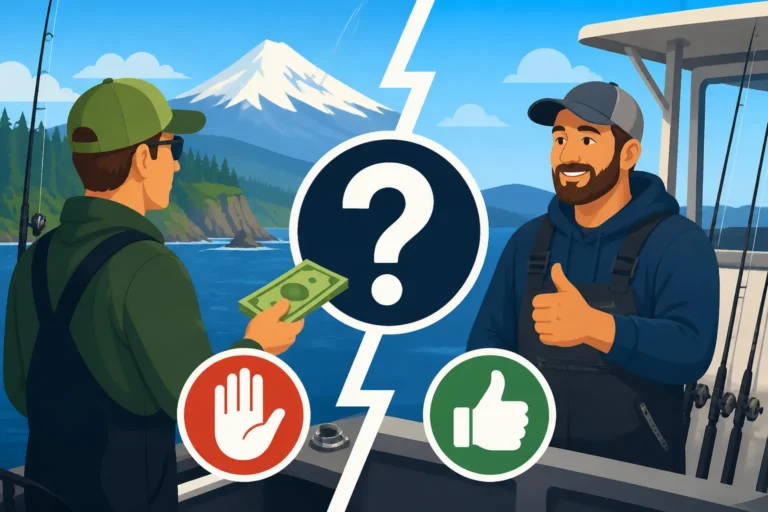
Tipping your deckhand and captain is a customary practice in the charter fishing industry, much like tipping in a restaurant. These hardworking individuals put in long hours to ensure your trip is safe, enjoyable, and productive.
- Deckhands: These crew members are typically on the deck, helping you with bait, untangling lines, netting fish, and cleaning your catch. A common gratuity for deckhands is 15-20% of the trip's cost, especially if they've been attentive and helpful.
- Captain: While some anglers tip the captain separately, often the tip is given to the deckhand to split, or you can present it to the captain directly. If the captain is also the sole deckhand, the 15-20% guideline still applies.
- When to Tip: It's generally given at the end of the trip, after the fish are cleaned. Tipping is a way to acknowledge excellent service and hard work, so if your crew went above and beyond, consider tipping towards the higher end of the scale. Don't feel awkward about asking the booking agent or captain directly if you're unsure about the local tipping customs, but generally, this range is widely accepted. For more insights on this topic, consider reading How much do you tip an Oregon fishing guide.
Winchester Bay offers a fantastic Oregon fishing experience for every kind of angler, from those seeking the thrill of a king salmon to families wanting a fun crabbing adventure. By considering the factors outlined here – from the captain's reputation to your personal preparation – you can confidently choose the best charter to make your trip truly unforgettable.
Disclaimer
This article is for general informational purposes only and does not constitute professional advice. Laws, prices and regulations vary by location and change over time. Consult a qualified professional for guidance on your specific situation.