Does the charter clean and fillet your fish?
There’s nothing quite like the thrill of a successful day out on the Oregon waters, reeling in a hefty Chinook salmon or pulling up a crab pot brimming with Dungeness. But then the boat docks, and you’re faced with a mountain of fresh catch. A common question that pops into every angler's mind, especially after a long day, is: what happens next? This guide will dive deep into the world of Oregon fishing charter services, specifically addressing whether they handle the messy, but necessary, task of cleaning and filleting your prized fish.
The Expectation vs. Reality of Post-Catch Services
It's a completely valid question to wonder what happens once you've landed your fish. You’ve spent hours battling the elements and the fish, and now you have a cooler full of potential meals, but also a lot of work ahead. For many, especially those visiting Oregon from out of state or new to the sport, the idea of processing a large catch can feel overwhelming. You might not have the right tools, the space, or even the energy after an exhilarating day on the water.
Why Anglers Wonder About Fish Cleaning
Let's be real, the joy of fishing often ends the moment the fish is on the deck for many people. Suddenly, the fun part is over, and the "work" begins. You're dreaming of fresh fillets on the grill, but first, there's gutting, gilling, scaling, and filleting – tasks that require a specific skill set, sharp knives, and a tolerance for mess. This concern is amplified for visitors who might be staying in a hotel or rental without proper cleaning facilities, or for those who simply want to maximize their relaxation time on vacation. It’s a natural frustration, and one that charters often anticipate.
General Practices Among Oregon Charters
The good news is that most reputable Oregon fishing charters understand this need. Generally speaking, the majority of charters do offer some form of fish cleaning and processing. However, the extent of the service and whether it's included in the initial charter price or comes with an additional fee can vary significantly from one operator to another. It's rarely a "no service at all" situation, but the specifics are where the details truly matter. Think of it as a spectrum: from basic gutting to full, ready-for-the-freezer filleting.
Diving Deeper into Charter Fish Cleaning Services
Understanding the different levels of service available will help you set your expectations and communicate clearly with your chosen charter. It’s not always a one-size-fits-all offering.
What "Fish Cleaning" Typically Entails
When a charter mentions "fish cleaning," it's crucial to clarify what they mean.
- Basic Cleaning (Gutting and Gilling): This is the most common and often a complimentary service, or included in a minimal fee. It involves removing the internal organs (gutting) and the gills. This significantly slows down spoilage and makes the fish much easier to transport, but it doesn't prepare the fish for immediate cooking in fillet form. If you prefer to cook whole fish, or if you plan to do your own filleting at home, this might be all you need. It’s a great first step for any fish, whether you're targeting Oregon Salmon Species Guide or bottom fish.
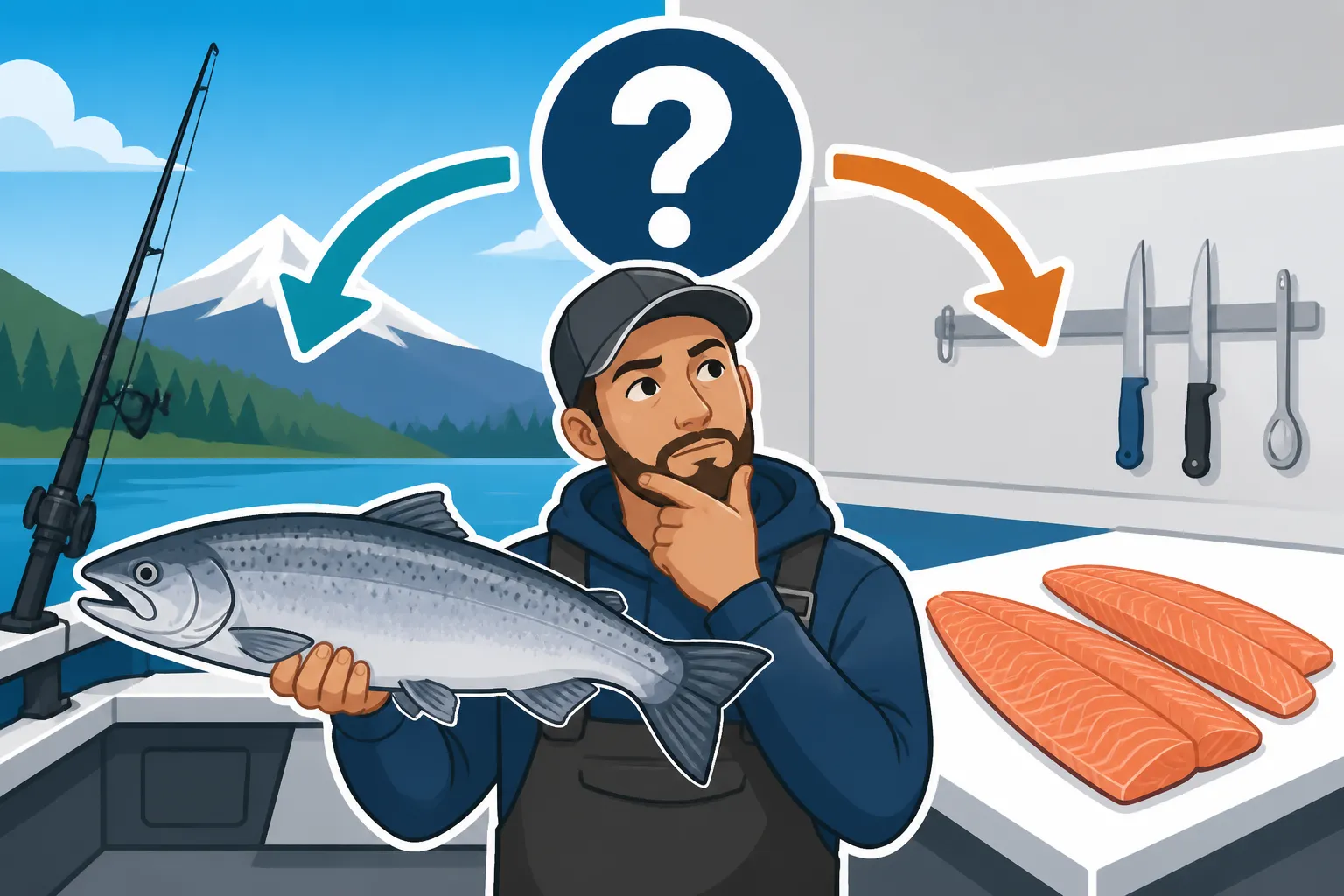
- Full Filleting: This is what most anglers hope for: the transformation of a whole fish into boneless, skin-on or skin-off fillets, ready for the pan or freezer. This service is almost always an additional charge. Filleting requires more skill, time, and specific tools, and the crew members providing this service are often highly efficient at it. They can process a day's worth of halibut or salmon into neat packages surprisingly quickly, often yielding more usable meat with less waste than an amateur might. The size of your catch, for example, a trophy Chinook salmon versus a smaller rockfish from Oregon Saltwater Fish Species Guide, will also influence the time and effort involved.
Costs and How They're Handled
The cost structure for fish cleaning is perhaps the most important detail to nail down before your trip.
- Included Services: Some high-end or specialty charters might include basic gutting and gilling as part of their standard package. This is usually more common on smaller, private trips where the crew has more time.
- Additional Fees for Filleting: This is the most common scenario for filleting. Charters typically charge an extra fee for this service, which can be calculated in several ways:
- Per Pound: Often seen for larger fish like salmon or halibut. They'll weigh your dressed fish (gutted) and charge a flat rate per pound for filleting.
- Per Fish: Some might charge a set fee per fish, especially for smaller, numerous species like rockfish or lingcod.
- Flat Fee: A rare option, where a single fee covers all fish filleted, regardless of quantity.
The reason for these additional charges is multifaceted. It covers the crew's extra time and labor, the cost of supplies like bags and ice (if provided), and the disposal of waste. When you're browsing options on platforms like FishingBooker, make sure to look for details about fish cleaning in the listing or contact the charter directly to understand their specific policy and How much does a salmon fishing charter cost in Newport. It’s also customary, and highly appreciated, to tip the crew for this extra service, especially if they do an excellent job.
Practicalities and Logistics
Where and when does this fish-cleaning magic happen?
- Onboard: For basic gutting, it's often done right on the boat, especially if the fish need to be iced down quickly. This keeps your cooler cleaner and helps preserve the quality of the fish.
- At the Dock: Filleting is almost universally done back at the dock. Charters often have dedicated cleaning stations with running water, proper disposal systems, and ample space. This prevents the boat from becoming too messy during the trip and ensures a more thorough cleaning process.
- Packaging and Transport: Most charters will provide plastic bags for your fillets. However, it is always your responsibility to bring adequate coolers to transport your catch home. Some charters might provide ice, but don't count on it as your sole source. Having plenty of ice is critical for maintaining fish quality, especially if you have a long drive ahead. Make sure to ask What should I bring on an Oregon fishing charter to be fully prepared.
- Timelines: Be prepared for a bit of a wait after your trip ends, especially if multiple boats are coming in with good catches. Filleting takes time, and the crew will be working through everyone's fish. Patience is a virtue here!
Preparing for Your Post-Catch Experience
Being proactive and prepared is key to a smooth and enjoyable post-fishing experience. Don't let the unknown of fish cleaning add any stress to your adventure.
Questions to Ask Before You Book
To avoid any surprises, arm yourself with information before you even step foot on the boat. These are crucial questions to ask:
- "Do you clean and fillet the fish caught on the trip, and what is the cost for these services?" This is the core question. Get a clear answer on the fees, whether it's per pound, per fish, or included.
- "Is there a maximum amount of fish you'll process, or a time limit for cleaning?" While rare, some charters might have limits during peak season or for extremely large catches.
- "Do I need to bring a cooler, and is ice provided for my catch?" Confirm exactly what you need to bring for safe transport.
- "How long does the cleaning process typically take after we dock, especially if we have a big catch?" This helps you plan your departure from the dock and manage expectations, particularly if you have other engagements.
- "What happens to the fish waste?" While this might seem minor, understanding their disposal method can hint at their professionalism and environmental responsibility. Many charters listed on FishingBooker provide these details upfront, but if not, a quick call or message can clarify everything you need to know about Oregon Fishing Charter Costs.
What to Bring for Your Catch
You've got your fishing gear, your rain jacket, and your snacks. Now, let’s talk about gear for your catch.
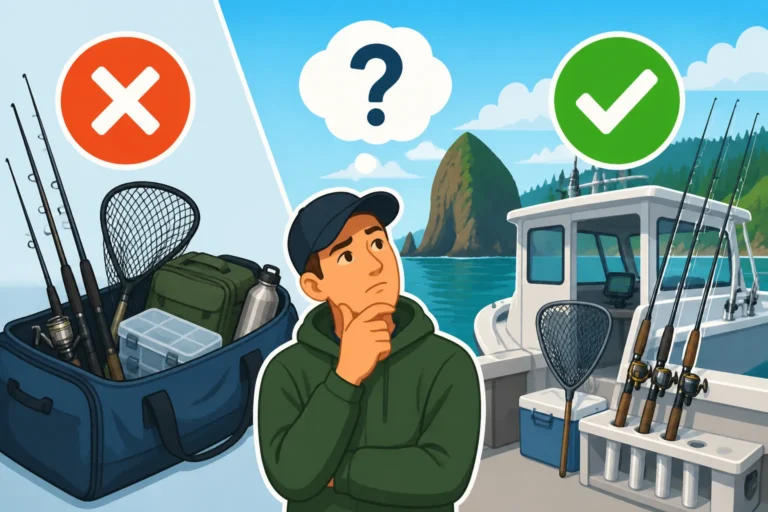
- Coolers, Coolers, Coolers: This cannot be stressed enough. Bring more cooler space than you think you’ll need. A good rule of thumb is one large cooler for every two anglers, or even more if you're targeting species like halibut or tuna. A separate, smaller cooler for drinks and snacks on the boat is also a great idea, keeping your fish cooler empty and ready.
- Ice: While some charters provide ice for your catch, always assume you might need more. Pick up a few bags on your way to the dock. The colder you keep your fish, the better the quality will be when you get it home.
- Heavy-Duty Zip-Top Bags: These are fantastic for organizing fillets. Even if the charter bags them, having extra allows you to separate portions for freezing or gifting.
- Towels or Rags: Handy for wiping down hands or surfaces, both on the boat and at the cleaning station.
Respecting the Resource and Regulations
Even with your fish being cleaned by a professional, you are ultimately responsible for adhering to all Oregon Fishing Regulations Explained.
- Daily Bag Limits: The number and size of fish you can keep are strictly enforced. Your charter captain will guide you on this, but it’s still your responsibility to be aware of Oregon Daily Bag Limits Explained for the species you're targeting.
- Protected Species: Some fish are catch-and-release only, or have specific seasons and zones. Your captain will ensure compliance, but a basic understanding adds to your responsible angling practice.
- Catch-and-Release Rules: For species like wild steelhead or certain sizes of sturgeon, releasing fish correctly is paramount. While your crew focuses on the keepers, understanding Oregon Catch-and-Release Rules is part of being a good angler. Even when your charter crew is handling the cleaning, it’s a good idea to understand Oregon Fishing Rules for Kids and Seniors if you have young ones along, or general Oregon Fishing Regulations Explained.
DIY vs. Charter Cleaning: Making the Right Choice
Deciding whether to pay for the cleaning service or tackle it yourself often comes down to personal preference, budget, and logistical considerations.
The Benefits of Professional Cleaning
For many, the added cost of professional cleaning is well worth it, turning a potentially arduous task into a seamless experience.
- Convenience: After a long day of fighting fish and enjoying the ocean, the last thing many people want to do is spend another hour or two cleaning fish. Letting the crew handle it allows you to relax and recount the day's adventures.
- Expertise and Efficiency: Charter crews are incredibly skilled at processing fish. They can fillet a large salmon in minutes, often with less waste than an inexperienced angler. They know how to handle different species efficiently, from delicate sole to large, bony sturgeon.
- Cleanliness: Cleaning fish can be messy. Professional cleaning stations at the dock are equipped to handle the waste and keep things tidy, saving your kitchen sink (and your spouse's patience) from a fishy aftermath.
- Time-Saving: If you're on a tight schedule or have a long drive home, having the fish processed quickly and efficiently is a huge benefit.
When You Might Consider DIY
There are certainly situations where cleaning your own catch makes sense.
- Cost Savings: If you're on a budget and have the skills, doing it yourself can save you a significant amount, especially if you have a large catch.
- Personal Preference: Some anglers genuinely enjoy the process of preparing their own catch, finding it a fulfilling part of the fishing experience. It’s also a great way to refine your knife skills.
- Small Catch: If you only caught one or two fish, it might not be worth paying for a service, especially if you have an appropriate cleaning station at your accommodation.
- Local Access: If you live near the coast or have access to a well-equipped cleaning station, it might be an easier decision to do it yourself. If you're new to fishing altogether, perhaps try Oregon Fishing Techniques for Beginners first before tackling a large salmon fillet job.
Maximizing Your Charter Experience
Ultimately, your fishing charter is an investment in an experience. Here’s how to make the most of it, especially regarding fish cleaning.
- Communicate Clearly: Don't be shy about asking questions about cleaning services when you book. Clarity upfront prevents disappointment later.
- Be Prepared: Show up with plenty of cooler space and ice. It shows respect for your catch and for the crew's efforts.
- Tip Generously: If the crew does a fantastic job with your fish, a good tip is always appreciated. They work hard!
- Focus on the Fun: By having the cleaning sorted, you can fully immerse yourself in the joy of fishing, knowing that the "work" after the fun is in capable hands. Using services like FishingBooker helps you find charters that align with your expectations for the entire trip, from the moment you cast off to when you're heading home with your cleaned catch.
Here’s a quick overview of what's typically handled on a charter:
| Service Aspect | Usually Included in Charter Price | Often an Extra Cost | Angler's Responsibility |
|---|---|---|---|
| Fishing gear (rods, reels) | Yes (unless specified) | ||
| Bait and Tackle | Yes (unless specified) | ||
| Fishing License/Tags | No | Yes | |
| Basic Gutting/Gilling | Sometimes | Less common | |
| Full Filleting | Rarely | Yes (per lb or per fish) | |
| Ice for transport | Sometimes | Bring your own cooler | |
| Packaging for fillets | Basic bags often provided | Extra bags if desired |
Disclaimer
This article is for general informational purposes only and does not constitute professional advice. Laws, prices and regulations vary by location and change over time. Consult a qualified professional for guidance on your specific situation.