What happens if an Oregon charter trip is weathered out
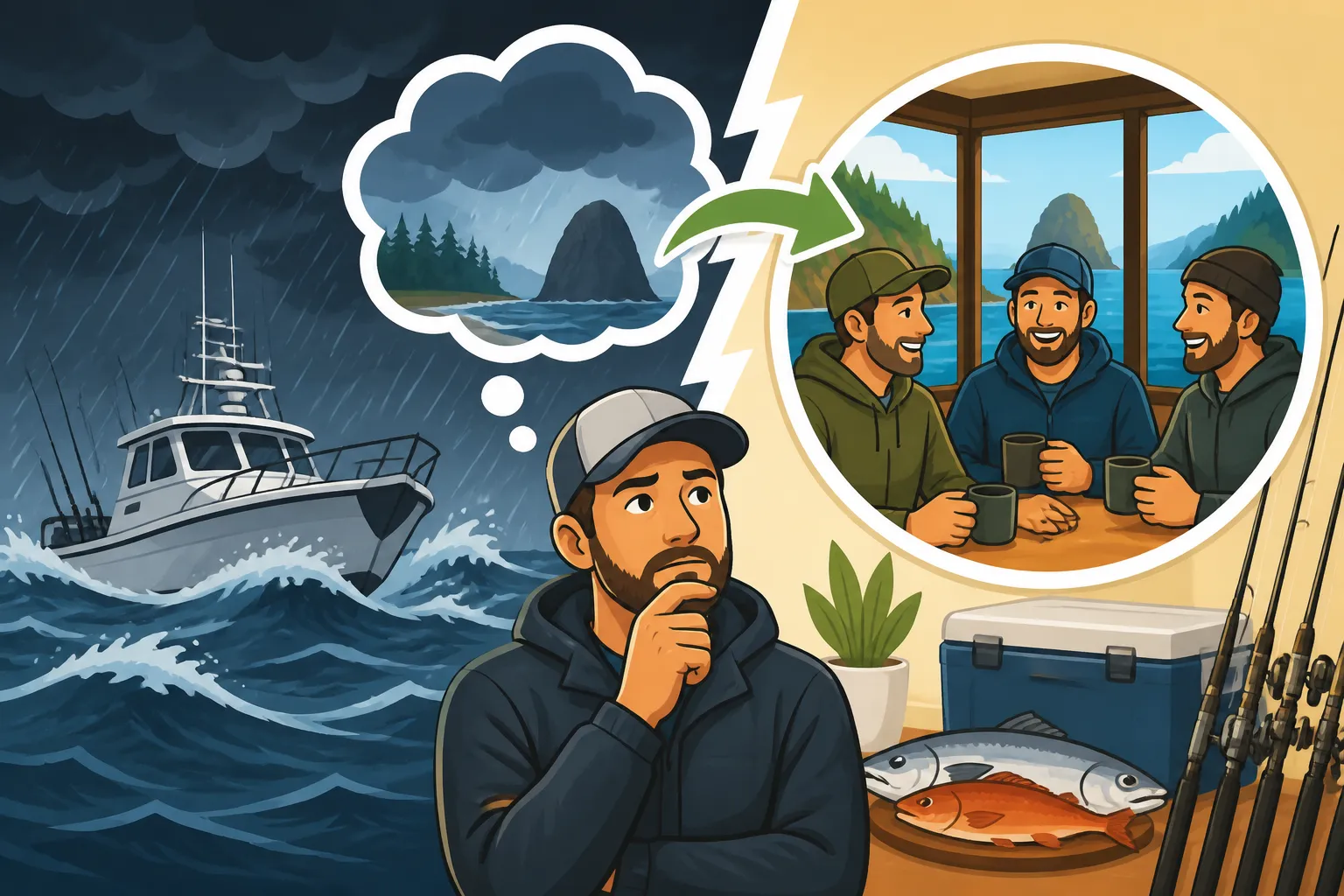
There’s almost nothing more frustrating for an angler than planning a much-anticipated fishing trip to the stunning waters of Oregon, only to have it snatched away by unpredictable weather. You've booked your charter, marked your calendar, maybe even arranged travel and lodging, and then that dreaded call or email comes: the trip is canceled due to conditions. It's a real bummer, and it leaves you wondering not just about your lost fishing day, but also about your money and what to do next. This guide will walk you through exactly what happens if an Oregon fishing charter trip is weathered out, what your options are, and how you can prepare for such an eventuality.
The Unpredictable Nature of Oregon Weather and Its Impact on Charters
Oregon's fishing opportunities are incredible, ranging from deep-sea adventures off the coast to serene river floats in the interior. However, this beautiful diversity also means a wide range of weather conditions that can impact a charter trip. Understanding why cancellations happen isn't just about knowing the rules; it's about appreciating the deep commitment captains have to safety and a quality experience.
Why Safety Comes First: Ocean vs. River Conditions
When you book an Oregon Fishing Charter Guide, especially one heading out to the ocean, safety is paramount. The Pacific Ocean off the Oregon coast can be notoriously fickle. A beautiful, calm morning at the dock can quickly turn into a rough, unsafe experience a few miles offshore. Charter captains are skilled mariners, but they're not miracle workers, and they operate under strict safety guidelines.
For ocean charters – think chasing halibut, salmon, or bottom fish – the main culprits for cancellations are often strong winds and large swells. Even a seemingly moderate wind can kick up significant chop and waves, making for an uncomfortable and potentially dangerous ride. Swells, which are essentially large, rolling waves originating from distant storms, can make a boat feel like a roller coaster, leading to severe seasickness for passengers and making it impossible to effectively fish. Is seasickness common on Oregon ocean charters? is a question many ask, and rough weather certainly exacerbates it. Dense fog can also be a major safety hazard for ocean excursions, severely limiting visibility and making navigation treacherous.
River conditions, while different, present their own set of challenges. High water levels, often due to heavy rainfall or rapid snowmelt, can make rivers like the Columbia or the Willamette incredibly swift and dangerous. Boats might struggle against currents, and debris can become a serious hazard. Turbidity, or muddy water, which often accompanies high flows, makes it nearly impossible for fish to see lures and for anglers to spot fish, leading to a poor fishing experience. River guides focusing on species like steelhead or sturgeon are constantly monitoring these conditions.
Understanding "Weathered Out": More Than Just a Little Rain
It's a common misconception that a little rain or an overcast sky means a trip will be canceled. In reality, most seasoned Oregon anglers and charter captains are well-equipped to handle typical Pacific Northwest drizzle. Being "weathered out" means conditions that are genuinely unsafe, unproductive, or both. It's not about comfort; it's about capability and safety.
For an Oregon Ocean Charter Fishing trip, "weathered out" typically refers to forecasts predicting sustained winds above 15-20 knots, wave heights exceeding 5-8 feet, or extreme fog. These are conditions that can lead to capsizing, passengers falling overboard, or severe damage to the vessel. No captain wants to put their passengers or crew at risk, nor do they want to take you out on a trip where catching fish is a near impossibility due to extreme movement.
For river guides, a "weathered out" scenario might mean a river is experiencing flood stage, with debris washing downstream, or water clarity is so poor that fishing becomes futile. These decisions are made by experienced professionals who prioritize your safety and the integrity of the fishing experience above all else. They understand your disappointment but must operate with a conservative approach when it comes to Mother Nature.
| Weather Condition | Typical Impact on Ocean Charters | Typical Impact on River Charters |
|---|---|---|
| Strong Winds | High waves, dangerous chop, seasickness, difficult boat control | Strong currents, difficult boat control, can affect casting |
| Large Swells | Intense pitching/rolling, severe seasickness, impossible fishing | Generally less impact unless combined with high winds creating chop |
| Dense Fog | Navigation hazard, reduced visibility, potential collisions | Minimal impact unless extremely thick and combined with high currents |
| Heavy Rain | Reduced visibility, discomfort, slippery decks (rarely cancels alone) | Can increase river flow/turbidity, discomfort |
| High Water/Flow | N/A | Strong currents, debris, poor water clarity, unsafe navigation |
| Extreme Cold | Discomfort, potential for hypothermia (rarely cancels alone) | Discomfort, icing on gear, can affect fish behavior |
Navigating a Canceled Trip: From Notification to Resolution
So, the unfortunate news arrives – your trip is off. What happens next? The process can vary slightly depending on your charter operator and how you booked, but there are some common steps and expectations. It's important to understand these to navigate the situation smoothly and ensure you get a fair resolution.
How and When You'll Hear the News
The decision to cancel a trip is almost always made by the charter captain. They are the expert on their vessel, the local waters, and the forecast. They're constantly monitoring marine weather reports, buoy data, and local river gauges. Typically, if a cancellation is necessary, the captain will try to notify you as soon as they have a clear picture of the forecast, usually 12 to 24 hours before your scheduled departure. Sometimes, especially with fast-changing Oregon weather, this notification might come closer to the departure time, even on the morning of the trip, if conditions take an unexpected turn.
Communication usually happens via phone call, text message, or email. Professional charter operators understand the inconvenience and will communicate clearly and directly. If you haven't heard from your charter within 24 hours of your trip and the forecast looks iffy, it’s perfectly acceptable to reach out to them. Don't assume anything; a quick call can often clear things up. Remember, they're often trying to balance making the safest call with minimizing disruption for their customers.
Decoding Refund and Rescheduling Policies
This is where understanding your Oregon Fishing Charter Costs upfront becomes crucial. Every charter operator will have a policy in place for weather-related cancellations. These policies are designed to protect both the customer and the business, as a canceled trip means lost revenue for the captain.
Most reputable charters offer one of two primary resolutions:
- Full Refund: If you can't reschedule or prefer not to, most charters will offer a full refund of any deposit or payment you've made. This is generally the most straightforward option.
- Rescheduling: The charter will often try to work with you to find an alternative date. This is often the preferred option for both parties, as you still get to experience your fishing trip, and the charter retains your business. Flexibility on your part can be a big help here.
Less common, but still possible, are policies that offer a credit for a future trip valid for a certain period, or in very rare cases, a partial refund with a credit. It's vital to check these policies before you book. A quick question about "what happens if the weather is bad?" can save a lot of headaches later. Many guides include their cancellation policies clearly on their websites or booking confirmations. If you're wondering, Do Oregon charters offer refunds for bad weather?, the answer is almost universally yes, as safety dictates that the captain makes the call, and you shouldn't be penalized for that.
The Role of Online Booking Platforms
Many anglers use online booking platforms, such as FishingBooker, to find and reserve their Oregon fishing charters. These platforms act as intermediaries between you and the charter operator, and they usually have their own set of terms and conditions regarding cancellations. If you booked through a site like FishingBooker, their platform often provides a structured way to handle weather-related cancellations.
When a captain cancels due to weather, they typically notify the platform, which then processes the refund or helps facilitate rescheduling according to their stated policies. Using a platform like FishingBooker can offer an extra layer of support and mediation if there's any confusion or dispute about a cancellation, as they have a vested interest in customer satisfaction and maintaining relationships with their charter partners. Always review the platform's specific cancellation policy in addition to any policy stated by the individual charter captain. This ensures you understand the process fully, from the moment you book your Oregon Salmon Charter Guide or Oregon Halibut Charter Guide trip.
Proactive Steps for Anglers: Planning for the Unexpected
While you can't control the weather, you can certainly control how well you prepare for its potential impact on your Oregon fishing adventure. A little forethought can make a world of difference, turning a potential disaster into a minor inconvenience.
Essential Questions to Ask Before You Book
Being an informed angler starts even before you commit to a trip. When you're in the process of choosing an Oregon Fishing Guide Service or a specific charter, don't hesitate to ask specific questions about their weather policy. A reputable operator will be transparent and happy to answer.
Here are some key questions to consider:
- "What are your specific cancellation policies for bad weather?"
- "How far in advance do you typically make a call on weather-related cancellations?"
- "If our trip is canceled, what are my options for a refund or rescheduling?"
- "Do you offer any alternative activities or trips if the ocean/river is too rough?"
Understanding these details upfront, ideally in writing, helps manage expectations and prevents surprises. It's part of knowing How to Choose an Oregon Fishing Guide wisely, ensuring they align with your expectations for service and flexibility. Remember that clear communication channels are a two-way street; ensure the charter has your best contact information.
Building in Flexibility and Crafting a Backup Plan
One of the smartest strategies for any angler visiting Oregon is to build flexibility into your travel plans. If your primary goal is a specific charter trip, consider booking an extra "buffer day" around your planned fishing day. This gives you an immediate option for rescheduling if the first day is weathered out, without having to completely rearrange your travel.
Beyond rescheduling, having a backup plan for what you'll do if the fishing trip is canceled can save your vacation. Oregon offers a wealth of other activities. If your ocean charter is canceled, perhaps consider a trip to a local lake for trout, like Diamond Lake, or a calmer bay for crabbing. Many rivers, even if too high for drift fishing, might still offer accessible bank fishing in certain sheltered areas. Exploring state parks, local museums, breweries, or coastal towns are also fantastic options. For instance, if you were planning a coastal Oregon Halibut Charter Guide trip, you might have a backup plan to explore the Oregon Coast Aquarium or go whale watching from shore. By planning for alternative local attractions, you ensure your time in Oregon isn't wasted, regardless of the weather.
Documenting Your Booking and Communications
It might seem like overkill, but keeping clear records of your booking is always a good idea. This means saving your booking confirmation emails, any text messages or emails exchanged with the charter operator, and a screenshot or printout of their published cancellation policy.
This documentation serves as a reference point should any misunderstandings arise regarding refunds or rescheduling. While most interactions with Oregon charter captains are professional and straightforward, having proof of agreements and policies can make a dispute resolution process much smoother. This is particularly useful if you need to involve a third-party booking platform like FishingBooker or your credit card company. Knowing How far in advance should you book an Oregon salmon charter might involve considering the booking platform's policies too.
When Things Go Sideways: Advocating for a Fair Resolution
Even with the best preparation, sometimes things don't go as smoothly as planned. If you find yourself in a situation where you feel a cancellation wasn't handled appropriately or you're struggling to get a fair resolution, there are steps you can take.
Effective Communication with Your Charter Operator
The first and most effective step is always direct and respectful communication with your charter operator. Approach the conversation calmly, present your understanding of the situation and their stated policy, and explain your desired resolution (e.g., a full refund, a specific reschedule date). Remember, cancellations are frustrating for captains too, as it means lost income and logistical headaches for them.
Try to understand their perspective. They are often making difficult decisions based on safety and their professional judgment. A polite, reasoned discussion is far more likely to yield a positive outcome than an aggressive or accusatory tone. If their policy allows for a refund and they are resistant, refer back to their policy and any written communications you have.
Leveraging Third-Party Support (If Applicable)
If you booked your trip through an online platform like FishingBooker and can't reach a satisfactory resolution directly with the charter, the platform is your next point of contact. These services typically have customer support teams dedicated to mediating such issues. Provide them with all your documentation, including booking confirmations, communication logs, and the charter's stated policies. They can often step in and help facilitate a refund or rescheduling based on their terms and the agreement they have with the charter operator.
In more extreme cases, if you paid by credit card and feel you have exhausted all other avenues without a fair resolution, you might consider initiating a chargeback with your credit card company. This should be a last resort, as it can be a lengthy process and should only be pursued if you genuinely believe you were denied a service you paid for, in contravention of clear cancellation policies. Be prepared to provide all your documentation to your credit card company as well.
Lessons Learned for Future Trips
Every experience, even a frustrating one, offers an opportunity to learn. If you've had a charter trip weathered out, take some time to reflect on what went well and what you might do differently next time. Did you ask enough questions upfront? Was the charter's communication clear? Was their policy fair?
This introspection can help you refine your approach for future Oregon Fishing Charter Guide bookings. Perhaps you'll prioritize charters with more flexible cancellation policies, or decide to only book during historically calmer weather windows. Maybe you'll opt for a Oregon Multi-Day Fishing License Options on a future trip to allow more flexibility. Learning from these experiences ensures that your next Oregon fishing adventure is even more successful, even if it means preparing for the unexpected.
Disclaimer
This article is for general informational purposes only and does not constitute professional advice. Laws, prices and regulations vary by location and change over time. Consult a qualified professional for guidance on your specific situation.