Do Oregon fishing charters provide bait and tackle?
One of the most common questions I hear from folks new to Oregon's incredible fishing scene, or even seasoned anglers trying a guided trip for the first time, is about the nitty-gritty details of what a charter actually provides. You're shelling out good money for an experience, and you don't want to show up on the dock only to realize you needed to bring your own specialized gear or a bucket of herring. So, let's dive deep into whether Oregon fishing charters typically provide the bait and tackle you'll need for a successful day on the water.
Understanding What's Included: The Standard Charter Package
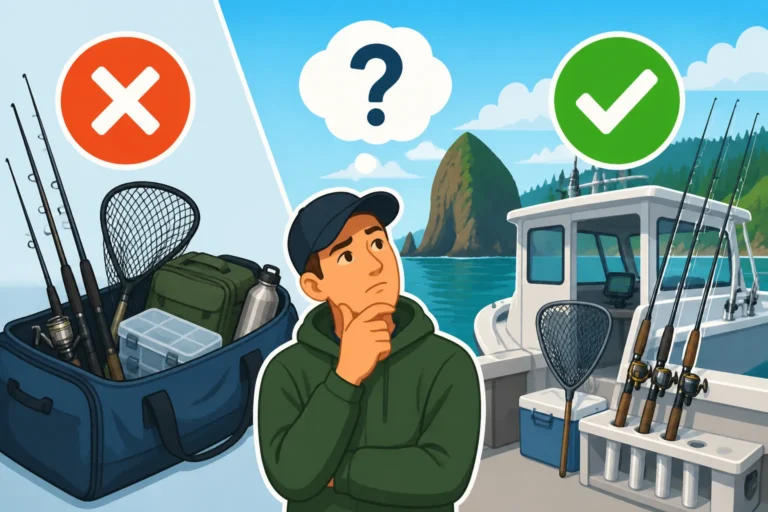
For the vast majority of guided fishing trips in Oregon, whether you're heading out into the Pacific for halibut and rockfish, or navigating a river for salmon and steelhead, your charter captain is going to supply all the necessary bait and tackle. This isn't just a courtesy; it's a fundamental part of their service and expertise. Think about it: these captains live and breathe fishing, and they know exactly what's biting, what gear works best for current conditions, and where to get the freshest, most effective bait.
The "All-Inclusive" Promise for Most Anglers
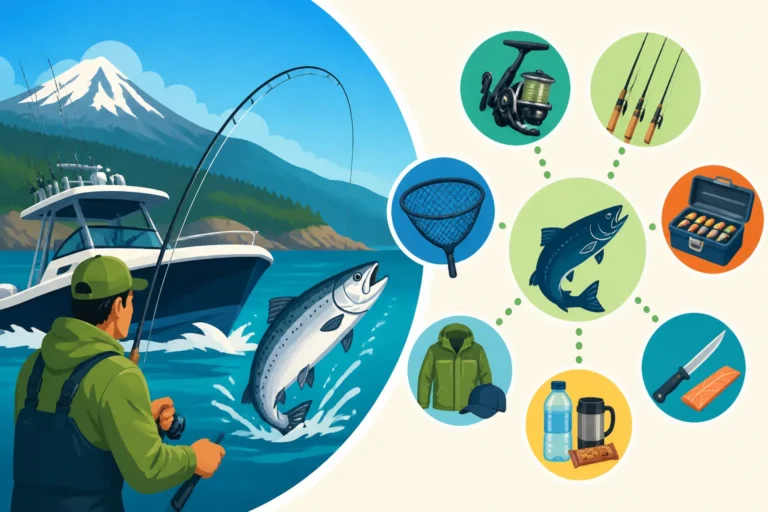
When you book a standard Oregon fishing charter, you can generally expect a pretty comprehensive package. This is especially fantastic for beginners or those visiting from out of state who don't want to invest in expensive gear they might only use once. You'll typically find high-quality rods and reels already set up for the target species, complete with the right line, leaders, weights, and hooks. The bait will be onboard, ready to go, and often kept in prime condition. This means less hassle for you; no need to fret over whether you have the right lure color or if your bait is fresh enough. You just show up, ready to fish, and let the professionals handle the technical stuff. This convenience is one of the major draws of booking a guided trip, as it removes many barriers to entry and ensures everyone has a fair shot at catching fish. It also streamlines the process on the boat, as the guide can quickly rig lines and adapt to changing conditions without waiting for everyone to fumble with their own setups.
Specialized Gear for Oregon's Diverse Fisheries
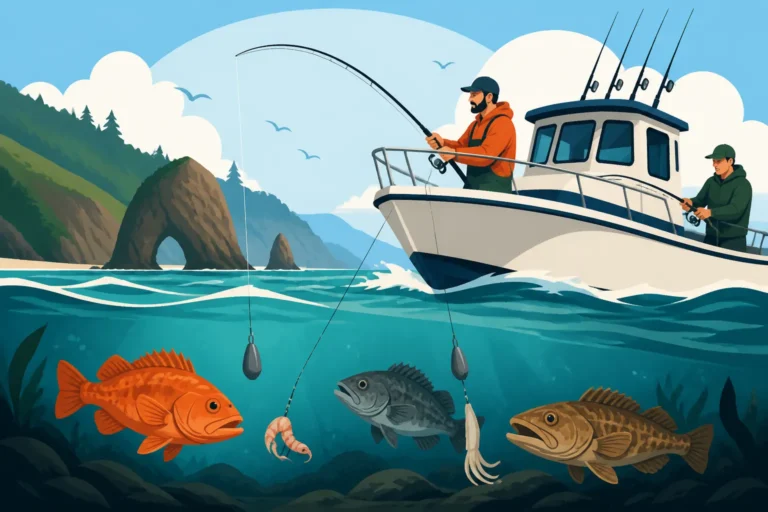
Oregon's fishing opportunities are incredibly diverse, from the vast Pacific Ocean to countless rivers and lakes. Each fishery, and each target species, demands specific gear. A halibut rod is a very different beast from a steelhead rod, and the terminal tackle for bottom fishing rockfish bears little resemblance to what you'd use for kokanee salmon. Charter operators have made significant investments in a full arsenal of gear, meticulously maintained and perfectly suited for the task at hand.
For example, a charter heading out of Newport for Pacific halibut will have heavy-duty rods and reels capable of handling deep water and large, powerful fish. They'll have specific bait rigs, often involving large chunks of squid, herring, or even artificial baits designed to entice these deep-water flatfish. On the other hand, a river guide chasing spring Chinook salmon on the Willamette will have lighter, more sensitive rods, often set up for techniques like bobber and jig, back-trolling, or drift fishing with cured eggs or plugs. These specialized setups are not just about catching fish; they're about maximizing your chances while adhering to local regulations and ethical angling practices. It’s their business to know what works, and they have the gear to prove it.
The Nuances: When Bait and Tackle Might Differ
While the general rule is that bait and tackle are included, there are always nuances and specific situations where this might not be the case, or where you might want to bring your own. Understanding these distinctions can help you set realistic expectations and ensure you're fully prepared for your chosen adventure.
Exceptions to the Rule: Specialized Trips and Personal Gear
Not all guided trips are "standard" ocean or river outings. Some niche fishing experiences might operate a bit differently when it comes to gear. For instance, if you book a dedicated fly-fishing trip on a river like the Metolius or Deschutes, the expectation might be that you, as an experienced fly angler, will bring your own rod, reel, and even your preferred fly box. While the guide will certainly have backup gear and can provide specific fly recommendations or patterns that are working, the personal connection to your own fly-fishing setup is a big part of the experience for many.
Similarly, if you're engaging in something truly specialized, like spearfishing (which has its own unique regulations and gear requirements), or if you're doing a highly specific type of carp bowfishing trip, the charter operator might expect you to bring your own specialized equipment. These are often less about traditional "bait and tackle" and more about personal skill and custom gear. Always confirm these details beforehand, especially for anything outside the typical salmon, steelhead, tuna, or bottom-fishing trips.
Personal Preferences and "Lucky" Gear
Even when a charter explicitly states they provide all necessary gear, some anglers simply prefer to use their own "lucky" rod or a favorite reel. There's a sentimental value to fishing with your own equipment, and sometimes a familiarity that can enhance the experience. If you have a specific rod and reel combo that you love, or a particular lure you swear by, it's always a good idea to communicate this with your guide before the trip.
Most guides are accommodating, within reason. They might not want you bringing a completely unsuitable setup for the target species (e.g., a lightweight trout rod for a 50-pound halibut), but if your gear is appropriate and doesn't interfere with their ability to manage the boat and other anglers, they'll often allow it. Just remember, their primary goal is for everyone to catch fish, and they've invested in gear that is proven to work in their specific waters. Don't be offended if they politely suggest using their equipment for a better chance at success.
The Role of Bait: Live vs. Cut Bait
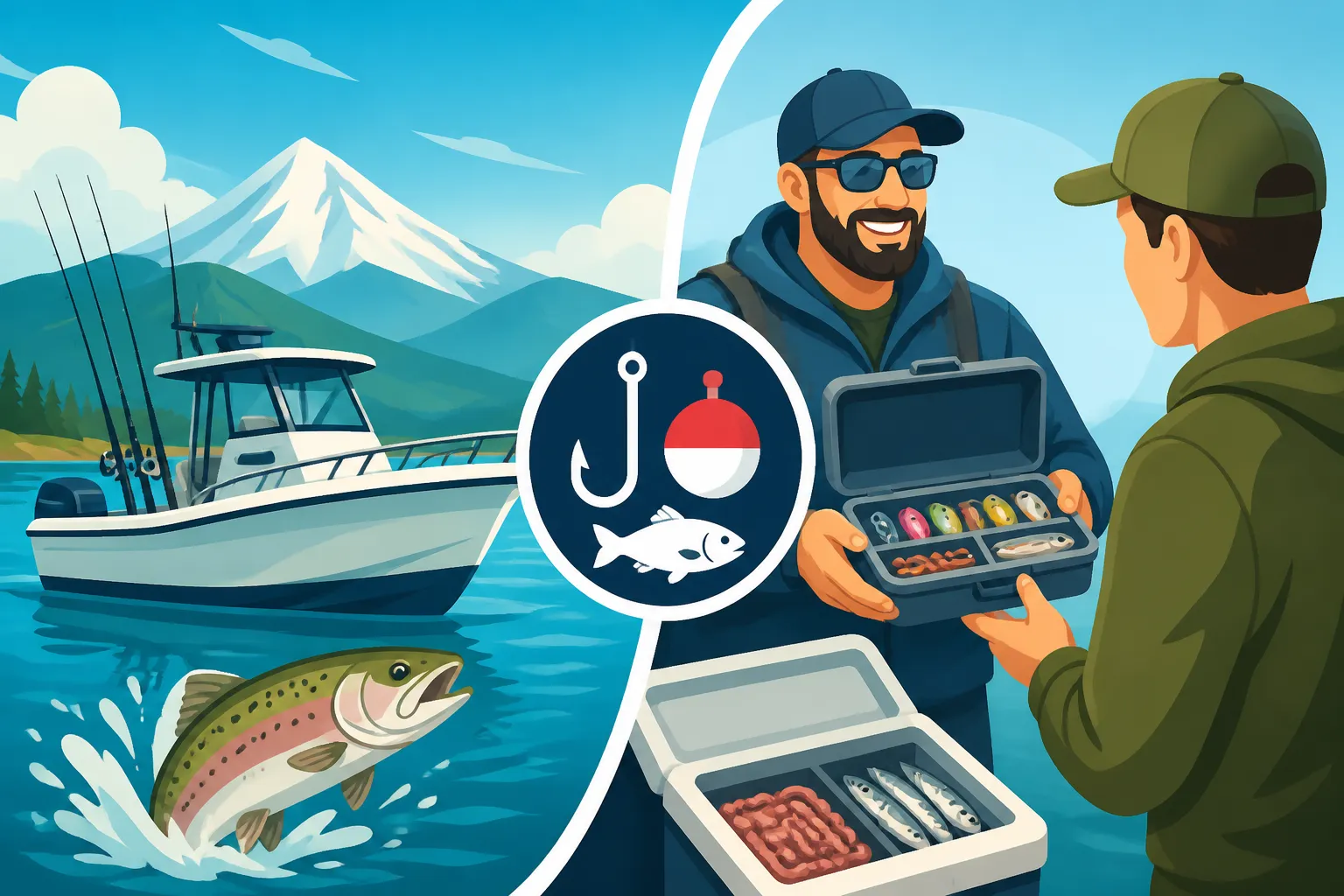
The type and freshness of bait can make all the difference, especially when targeting finicky fish like salmon or sturgeon. Oregon charter captains take bait seriously, and for good reason. For ocean trips, you'll often find them using fresh or brined herring, anchovies, squid, or sometimes artificial baits that mimic these natural food sources. River fishing might involve cured salmon eggs, sand shrimp, worms, or various scented soft plastics and plugs.
It's very rare that bait would be an extra cost on a standard charter trip. The cost of bait is typically factored into the overall charter fee. Captains will often wake up early to ensure they have the freshest bait available for your trip, sometimes even catching it themselves. They know that good bait equals good fishing, and they want to put you on the fish. You won't usually need to worry about sourcing or preparing bait; that's part of the guide's job.
What to Confirm Before You Book Your Trip
To avoid any surprises and ensure a smooth, enjoyable outing, the best approach is always proactive communication. Never assume anything when it comes to booking a fishing charter. A quick question or two upfront can save a lot of headaches later. This is particularly important if you have any special requirements or preferences.
Asking the Right Questions Before You Book
Before you commit to a charter, make it a point to ask specific questions about what's included. A simple call or email can clarify everything. Here are a few key questions you might pose:
- "Does the charter provide all the rods, reels, and terminal tackle?"
- "Is all the bait provided, or should I bring anything specific?"
- "Are there any additional costs for bait, lures, or special equipment?"
- "What if I want to bring my own rod and reel? Is that allowed?"
Most reputable charter operations will have this information readily available on their website or will be happy to answer your questions directly. When you're browsing options on platforms like FishingBooker, pay close attention to the "What's Included" section of each listing. It's usually quite detailed and will specify whether gear, bait, and other essentials are covered. Don't hesitate to use the messaging features on such platforms to ask follow-up questions directly to the captain. Always remember that a good guide wants you to be well-informed and comfortable.
Checking the Fine Print: What Your Booking Includes
Beyond just asking questions, it's wise to review any booking confirmations, emails, or contract details that the charter company sends you. Often, the terms and conditions or a dedicated "What to Bring" section will clearly outline everything that is and isn't provided. Look for details about:
- Fishing gear: This will typically specify rods, reels, and tackle.
- Bait: Confirm if live, cut, or artificial baits are included.
- Fish cleaning and filleting: Some charters include this, others offer it for an additional fee, and some might direct you to a local processor.
- Licenses and endorsements: This is a crucial one! While bait and tackle are usually covered, your Oregon Fishing License Guide and any necessary tags or endorsements (like an Oregon Ocean Endorsement for saltwater or Oregon Combined Angling Tag Guide for salmon and steelhead) are almost always your responsibility to purchase in advance. You can often buy these online or at local tackle shops.
- Food and drinks: Most charters don't provide meals, so plan to bring your own.
- Safety equipment: This is legally required and always provided by the charter (life vests, first aid, etc.).
By thoroughly checking these details, you'll arrive at the dock confident and ready to fish, knowing exactly what you need and what the charter has covered. Reputable booking sites, such as FishingBooker, often provide detailed descriptions of what each charter offers, making this pre-trip research much easier.
| Charter Type (Oregon) | Typical Bait & Tackle Inclusion | Notes |
|---|---|---|
| Ocean Salmon Charter | Yes (Rods, reels, lures, bait) | Standard. Often includes specialized downriggers and mooching gear. |
| Halibut/Bottom Fishing | Yes (Heavy rods, reels, bait) | Standard. Specific heavy tackle for deep-water fishing. |
| River Salmon/Steelhead | Yes (Rods, reels, bait, lures) | Standard. Gear customized for drift fishing, bobber & jig, or back-trolling. |
| Sturgeon Charter | Yes (Heavy rods, reels, bait) | Standard. Large baits and heavy weights are typical. |
| Tuna Charter (Offshore) | Yes (Trolling rods, jigs, bait) | Standard. Specialized gear for fast-paced tuna fishing. |
| Fly Fishing Guide | Usually No (or optional) | Often expected to bring your own fly rod/reel/flies. Guide will have backups and can suggest/supply flies for the day's conditions, but confirm beforehand. |
| Crabbing Charter | Yes (Pots, bait, measuring tools) | Standard. You might just need to bring a cooler for your catch. (See: Oregon Shellfish License) |
| Kayaking Fishing Trip | Often Varies | Some guides provide the kayak and all fishing gear; others expect you to bring your own fishing setup. ALWAYS confirm. |
Preparing for Your Oregon Fishing Adventure
Knowing that your bait and tackle are likely covered is a huge relief, but there's still a bit more to consider to ensure you have an absolutely fantastic day out on the water. A little extra preparation goes a long way towards maximizing your enjoyment and success.
Beyond Rods and Bait: Other Essential Gear
While the charter provides the fishing tools, remember to pack for yourself! Oregon weather can be famously unpredictable, so layers are your friend. Here’s a quick checklist of other essentials:
- Your Fishing License and Tags: I can't stress this enough! Make sure you have your Oregon Fishing License Guide and any required endorsements (like the Oregon Columbia River Basin Endorsement if you're fishing there) purchased and easily accessible. Many charters require you to show proof of license before you even step on the boat.
- Appropriate Clothing: Think layers, waterproof outer shells (jacket and pants), and non-slip shoes. Even on a sunny day, ocean spray or river mist can make things chilly.
- Food and Drinks: Pack snacks, a lunch, and plenty of water or other beverages. Most charters don't include this.
- Cooler: Bring a cooler with ice to take your catch home. Your guide will likely clean and fillet your fish, and you'll want a way to keep it fresh.
- Sun Protection: Sunscreen, a wide-brimmed hat, and polarized sunglasses are crucial, even on cloudy days. The glare off the water can be intense.
- Motion Sickness Medication: If you're prone to seasickness, take preventative measures before you board for an ocean trip.
- Camera: To capture those memorable moments (and big fish!).
- Small backpack or dry bag: To keep your personal items organized and dry.
- Gratuity: It’s customary to tip your guide for a good day's work.
Maximizing Your Charter Experience: Tips for a Great Day
Beyond the gear, there are a few things you can do to make your guided trip truly shine. After all, you're not just paying for fish; you're paying for an experience and the expertise of your captain.
- Communicate with Your Guide: Don't be shy! Let them know if you're a complete beginner or an experienced angler. Tell them your goals for the day (e.g., "I really want to catch a legal keeper," or "I just want to enjoy the scenery and maybe catch something"). The more they know, the better they can tailor the trip to your expectations. Many guides, especially those listed on platforms like FishingBooker, pride themselves on providing excellent customer service and want you to have a memorable trip.
- Listen Attentively: Your guide knows these waters intimately. Pay close attention to their instructions on how to bait your hook, drop your line, or fight a fish. Their advice is invaluable.
- Be Punctual: Show up on time (or even a few minutes early) for your scheduled departure. Guides often have tight schedules, and being late can cut into valuable fishing time.
- Be Patient: Fishing is fishing, and sometimes the bite is slow. Enjoy the scenery, the company, and the anticipation. A positive attitude always makes the day better.
- Ask Questions: If you're curious about a technique, a fish species, or a local landmark, ask! Most guides love sharing their knowledge and passion for Oregon Fishing Regulations Explained and the natural environment.
- Respect the Boat and Fellow Anglers: Be mindful of your surroundings, keep the boat tidy, and be considerate of others' space.
A guided fishing trip in Oregon is an incredible way to experience the state's natural beauty and incredible fisheries. By understanding what's provided, doing a little prep work, and bringing a great attitude, you're setting yourself up for an unforgettable adventure. Whether you're chasing Oregon Salmon Species Guide in the rivers or Pacific Halibut off Oregon in the ocean, rest assured that your guide will typically have the bait and tackle covered.
Disclaimer
This article is for general informational purposes only and does not constitute professional advice. Laws, prices and regulations vary by location and change over time. Consult a qualified professional for guidance on your specific situation.