Columbia River Salmon Guide Trips
There's nothing quite like the dream of hooking into a powerful salmon on the mighty Columbia River, but for many, the sheer size of the river, the complex regulations, and the specialized gear can feel incredibly daunting. You might wonder where to even start, how to navigate the ever-changing bite, or if you're even using the right techniques. This comprehensive guide is designed to demystify the experience of fishing for salmon on the Columbia, focusing specifically on how a professional guide trip can transform a bewildering quest into an unforgettable, successful adventure.
Why Consider a Guided Columbia River Salmon Trip?
Let's be real, the Columbia River isn't your local trout stream. It's a vast, powerful waterway, and tackling it for salmon can be overwhelming if you're not intimately familiar with its nuances. Many anglers try to go it alone, only to spend more time scratching their heads than feeling the thrilling tug of a Chinook. This is precisely where a guided trip shines, taking away the guesswork and replacing it with expert knowledge and a much higher chance of success.
Navigating the Mighty Columbia
Imagine trying to find a needle in a haystack, but the haystack is 1,243 miles long and incredibly wide in places. That's a bit like trying to find salmon on the Columbia without local knowledge. Fish move with tides, water temperature, river flow, and forage, and what was a hot spot yesterday might be barren today. A seasoned guide lives and breathes this river. They track fish movements, understand specific currents, and know exactly where the salmon are holding, biting, or transitioning.
They're not just guessing; they're leveraging years, sometimes decades, of firsthand experience and a network of fellow guides and local anglers. This intimate understanding means you'll spend less time searching and more time with your line in productive water, often in areas that are challenging for the average recreational boater to access safely or effectively. The river has its own moods, and a guide knows how to read them, ensuring your safety and optimizing your fishing time.
Expertise That Pays Off
Even if you find the fish, getting them to bite and then successfully landing them is another challenge entirely. Columbia River salmon fishing often involves specialized techniques that can take years to master. From precisely set downriggers for trolling to perfectly weighted and presented baits for drift fishing, there's a lot more to it than just casting a line. A professional guide isn't just a boat driver; they are an instructor, a strategist, and a deckhand all rolled into one.
They'll teach you the optimal trolling speeds, the correct depth for your presentation, how to identify a bite, and the best way to fight a powerful salmon without losing it. This hands-on learning can dramatically shorten your learning curve and significantly increase your chances of success. They can adapt tactics on the fly based on current conditions, something most casual anglers just can't do. For anyone looking to understand Oregon Salmon Fishing Techniques better, a day with a guide is an immersive classroom.
All the Gear, No the Fuss
Let's talk about the cost and hassle of gear. Outfitting yourself for serious Columbia River salmon fishing can be incredibly expensive. You're looking at specialized rods and reels designed to handle big fish, complex electronics like fish finders and GPS, downriggers, a vast array of lures, baits, weights, and all the safety equipment needed for a large river. Not to mention a boat capable of handling the Columbia's conditions and all the maintenance that entails.
With a guide, all of that is provided. You simply show up, and everything you need to catch fish is already on board, meticulously maintained and rigged for the day's conditions. This removes a huge financial barrier and a significant amount of prep work, making the experience accessible and enjoyable from the moment you step on the boat. It’s a fantastic way to try out the sport or target specific salmon runs without the upfront investment.
What a Columbia River Salmon Guide Trip Entails
So, you're convinced a guide trip is the way to go! But what does a typical day look like? It's more than just showing up and hoping for the best. A guided trip is a well-oiled machine designed to maximize your time on the water and your chances of success.
Typical Trip Logistics and Duration
Most Columbia River salmon guide trips start bright and early, often before dawn, to take advantage of the morning bite and specific tidal windows, especially during popular runs like the fall Chinook. Your guide will typically provide details on meeting locations, which could be a specific boat ramp along the Columbia, like those near Astoria, Kalama, or Portland, depending on where the fish are concentrated.
Trips usually last anywhere from 6 to 8 hours, though some guides offer longer full-day excursions or shorter half-day options. The duration often depends on regulations (like daily retention limits) and the intensity of the bite. You'll spend the majority of this time actively fishing, with your guide constantly monitoring sonar, adjusting boat position, and re-rigging lines. They're working tirelessly to keep you on the fish. You'll likely be on a comfortable, safe boat designed for big river fishing, usually a jet sled or a larger power boat, equipped with all the necessary amenities and safety gear.
Common Fishing Techniques Employed
Columbia River salmon fishing is diverse, and guides are masters of several techniques, adapting to what the fish are doing on any given day. You'll likely encounter one or more of these common methods:
- Trolling: This is probably the most prevalent technique, especially for Chinook and Coho. The boat moves slowly, pulling multiple lines rigged with various baits or lures at precise depths. Guides use downriggers or divers to get lures like spinners, wobblers, or Brad's Super Baits (often stuffed with herring) into the strike zone. The guide will handle the boat, maintain speed, and tell you when to grab a rod for a "takedown."
- Drift Fishing: This involves letting your bait or lure drift naturally with the current in a known salmon holding area. It's particularly effective in specific stretches of the river or when fish are less aggressive. This can involve anything from a bobber and prawn setup to using weighted jigs or roe. Your guide will position the boat strategically, allowing you to cast or drop your lines into prime drifts.
- "Plunking": While less common on a full-service guided trip, plunking can be very effective in certain spots, especially during strong current flows. This involves anchoring up and casting heavy weights to hold bait or lures directly in the path of migrating salmon. Your guide might suggest this if conditions align, but it's typically more of a bank fishing technique.
Your guide will provide all the appropriate tackle, hooks, and bait, often having specific colors or brands they know work best for that particular day and area.
Target Species and Their Seasons
The Columbia River is renowned for its incredible salmon runs, primarily Chinook and Coho. Understanding the seasons is key to knowing what you'll be targeting.
- Spring Chinook Salmon: These are often considered the most prized salmon. Known for their incredible fight and delicious, high-fat meat, "springers" typically enter the Columbia from late March through June. Early in the season, you'll often find them lower in the river, gradually moving upstream. Spring Chinook Season Timing in Oregon can vary year to year based on run forecasts, but these fish are highly sought after.
- Summer Chinook and Sockeye: While less numerous than other runs, some summer Chinook and sockeye salmon also pass through the Columbia. Sockeye, particularly, are unique and offer a different challenge.
- Fall Chinook Salmon: This is the largest and often most accessible salmon run on the Columbia. Starting in August and continuing through September and even into October, huge numbers of these powerful fish surge into the river. The famous "Buoy 10" fishery near Astoria marks the beginning of this epic migration. Fall Chinook Season Timing on the Columbia draws anglers from all over the country.
- Coho (Silver) Salmon: Coho often run concurrently with the fall Chinook, especially later in the season. These acrobatic fish are a blast to catch on lighter tackle and are excellent table fare. They are known for their spectacular jumps and aggressive strikes.
While salmon are the stars, the Columbia offers other incredible opportunities, and guides might combine trips or offer specialized outings. For a general overview, check out the Oregon Salmon Species Guide.
Selecting the Perfect Columbia River Salmon Guide
Choosing the right guide is paramount to a successful and enjoyable trip. Not all guides are created equal, and finding one that matches your expectations and fishing style can make all the difference.
Qualities of a Reputable Guide
When you're entrusting your precious fishing day (and often a significant investment) to someone, you want to be sure they're the real deal. Here are some key qualities to look for:
- Experience and Knowledge: Look for a guide with extensive experience specifically on the Columbia River. They should be intimately familiar with its various stretches, the seasonal runs, and different fishing techniques. Don't be afraid to ask how long they've been guiding on the Columbia and what their specialty is.
- Licensing and Insurance: This is non-negotiable. A legitimate guide will be fully licensed by the U.S. Coast Guard (for larger vessels and certain waters) and have all the necessary state guiding permits. They should also carry liability insurance. This protects both you and the guide in case of an unforeseen incident. Asking for proof of licensing isn't rude; it's smart. For more on what it takes, you can explore How to find a licensed fishing guide in Oregon.
- Safety First Mentality: Your guide should prioritize safety above all else. This means having all required safety equipment on board (life jackets, first aid, communication devices), operating the boat responsibly, and being prepared for changing weather conditions on a large river.
- Good Communication Skills: A great guide isn't just good at fishing; they're good at teaching, explaining, and interacting with their clients. They should be patient, encouraging, and willing to share their knowledge without being condescending.
- Positive Reputation and Reviews: In today's digital age, it's easy to check reviews. Look for consistent positive feedback on their professionalism, fish-catching ability, and overall client experience. Word-of-mouth recommendations are also golden.
Group Size and Trip Customization
Think about who you're fishing with and what kind of experience you're looking for.
- Private vs. Shared Charters: Do you want the boat to yourself with your family or friends, or are you comfortable sharing with other anglers? Private charters offer more flexibility and personalized attention but come at a higher cost per person. Shared charters are more budget-friendly but mean less individual attention and potentially less control over the trip's dynamics.
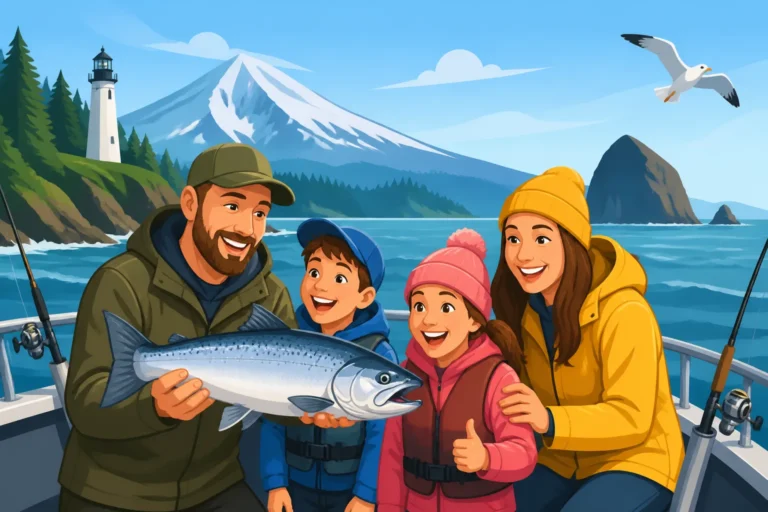
- Family-Friendly Options: If you're bringing kids, look for guides who specifically advertise family-friendly trips. They often have extra patience, kid-sized gear, and an understanding of how to keep younger anglers engaged.
- Specialty Trips: Some guides specialize. Maybe they focus heavily on trophy Chinook, or perhaps they offer combo trips that include crabbing or sturgeon fishing alongside salmon. If you have a specific goal, ask about it.
How to Find and Book Your Adventure
Finding a good guide is easier than ever with online resources.
- Online Booking Platforms: Websites like FishingBooker are excellent resources for finding guides. You can search by location (e.g., "Columbia River," "Astoria," "Portland"), read reviews, compare prices, and see what different guides offer. FishingBooker allows you to filter by species, boat type, and amenities, giving you a broad overview of options.
- Local Tackle Shops: Don't underestimate the power of local knowledge. Tackle shops near the Columbia River (like those in Longview, Vancouver, or Astoria) often have business cards or recommendations for reputable local guides. They know who's consistently putting clients on fish.
- Referrals: Ask fellow anglers, friends, or family who have had successful guided trips on the Columbia for their recommendations.
- Guide Websites and Social Media: Many guides have their own websites and active social media pages where they post recent catches, availability, and client testimonials.
Once you've narrowed down your choices, reach out to a few guides. Ask questions about their experience, what's included in the trip, their cancellation policy (especially important for weather), and any specific regulations you should be aware of. Remember to book well in advance, especially for peak salmon seasons, as the best guides fill up quickly!
Prime Seasons and Hotspots on the Columbia for Salmon
Understanding the rhythm of the Columbia River's salmon runs is like cracking a secret code. While a guide will always know the absolute best spots day-of, having a general idea of when and where to focus your efforts can enhance your anticipation. The Columbia River is a massive waterway, and salmon use different stretches at different times, often influenced by water levels, temperatures, and current regulations. For a broader perspective on the river, consult the Columbia River Fishing Guide.
Spring Chinook Opportunities
The Spring Chinook run is highly anticipated, often kicking off the salmon fishing season with a bang. These fish are making their way far upriver to spawn, and they are notoriously strong fighters.
- Timing: Generally, late March through June. The run usually peaks in April and May, but good fishing can extend into June depending on conditions and run strength.
- Locations: Early in the season, some of the best fishing can be found in the lower Columbia, especially near Astoria and throughout the mainstem below Bonneville Dam. As the season progresses, fish move upstream, and popular spots include the areas around Portland and into the Willamette River. Some anglers also target them further upriver, above the dam, but accessibility often changes.
- Techniques: Trolling with herring, Brad's Super Baits, or even larger prawn-tipped spinners are common methods. Guides will be using precision electronics to find concentrations of fish that are holding in specific depths and current seams. The key is often a slow, methodical presentation.
Fall Chinook Frenzy
If you're looking for sheer numbers and big, powerful fish, the Fall Chinook run is your ticket. This is the busiest time on the Columbia, and for good reason!
- Timing: Primarily August through September, sometimes extending into early October. The famous Buoy 10 fishery at the mouth of the Columbia usually kicks off in early August and can be incredibly productive for the first few weeks.
- Locations: The lower river, particularly the estuary around Astoria and into the mainstem Columbia up to Longview and Kalama, is incredibly active during the peak of the fall run. As fish move upstream, excellent fishing can be found in the Vancouver/Portland area, and even further upriver. The main Columbia between Washington and Oregon is a hotspot.
- Techniques: Trolling is king here. Guides will deploy multiple lines with various dodgers, flashers, and lures, often baited with herring or anchovies. The sheer volume of fish means a lot of action, but precise depth and speed control are still critical. Drift fishing with eggs or prawns can also be effective in certain areas, especially when fish are holding in distinct pockets.
Key Fishing Zones Explained
The Columbia River is vast, and regulations and fish behavior can differ greatly between zones. Your guide will operate within the legal parameters of the specific zone they're fishing, but here's a quick overview:
- Lower Columbia (Buoy 10 to Bonneville Dam): This is the most popular and productive stretch for salmon. The Buoy 10 fishery (from the river mouth up to a line near Tongue Point/Rocky Point) is world-renowned for fall Chinook. Further upstream, areas around Astoria, Cathlamet, Longview, Kalama, Woodland, Vancouver, and Portland all offer prime salmon opportunities depending on the season. This section is tidal, meaning currents and fish behavior are highly influenced by the ocean's ebb and flow.
- Above Bonneville Dam (Pools and Tributaries): While the lower river gets the most attention, salmon continue their journey upstream past Bonneville, The Dalles, and McNary Dams. Fishing here is often more specialized, focusing on specific pools or tributary mouths like the Deschutes River. Access and regulations above the dams can be more complex, and a guide specializing in these areas is invaluable.
- Willamette River: A major tributary to the Columbia, the Willamette gets strong runs of Spring Chinook. Many guides offer trips specifically on the Willamette, particularly in the Portland area. While not the Columbia itself, it's intrinsically linked to the Columbia system for salmon anglers.
Always remember that fishing zones and regulations can change, so having a guide who stays current on Oregon Fishing Regulations Explained is a massive advantage.
Essential Preparations for Your Guided Trip
A guided trip should be relaxing, but a little preparation on your part can make it even better. Thinking ahead about what to bring and understanding the etiquette will ensure you get the most out of your Columbia River salmon adventure.
What to Bring and What to Wear
Your guide provides the boat, the gear, and the expertise, but personal comfort is up to you. The weather on the Columbia can be unpredictable, even on a summer day, and conditions can change rapidly.
- Layered Clothing: This is the golden rule for Oregon outdoor adventures. Start with a base layer, add a fleece or wool mid-layer, and finish with a waterproof and windproof outer shell (jacket and pants). It's always better to have too many layers you can shed than not enough.
- Appropriate Footwear: Waterproof, non-slip boots or shoes are ideal. The deck of a boat can get wet and slippery, and you'll appreciate dry feet.
- Headwear: A warm beanie or stocking cap for chilly mornings, and a wide-brimmed hat or cap for sun protection once the day warms up.
- Sun Protection: Even on cloudy days, UV rays reflect off the water. Bring sunglasses (polarized are best for spotting fish), sunscreen, and lip balm with SPF.
- Food and Drink: Pack snacks, lunch, and plenty of water or other non-alcoholic beverages. While some guides may offer light refreshments, it's best to bring your own. Many guides have a cooler on board for your items.
- Cooler for Fish: If you plan on keeping your catch (and you likely will!), bring a cooler to transport your fish home. Your guide will typically clean and fillet your salmon for you, but you'll need a way to keep it fresh.
- Camera: You'll want to capture those memories, especially when you land a trophy salmon! Just ensure it's protected from water.
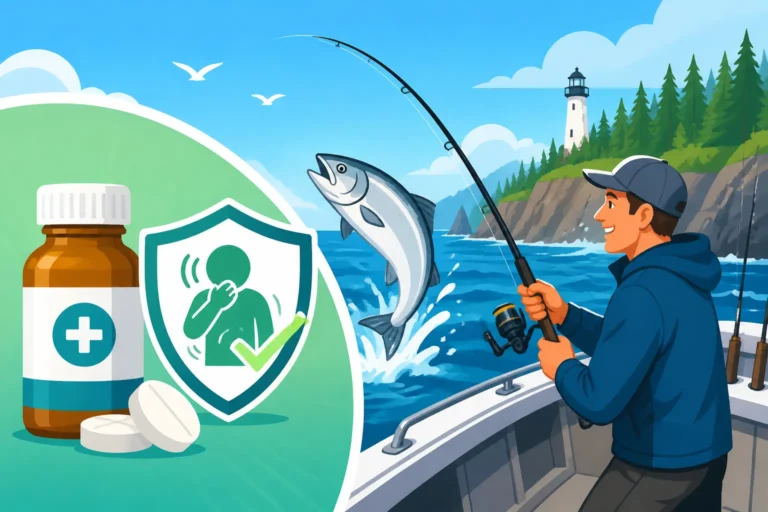
- Medication: If you take any personal medications, bring them. If you're prone to seasickness (even on a large river, the chop can get to some people), consider taking preventative medication before the trip.
Understanding Costs and Tipping Etiquette
While fishing with a guide removes the gear expense, there are still costs involved, and understanding them upfront prevents any awkward surprises.
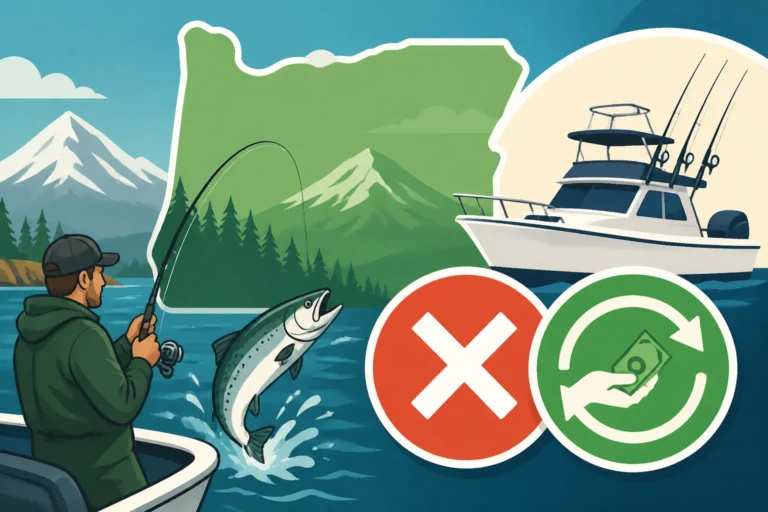
- Trip Cost: Guide trip prices vary based on duration, target species, and the number of anglers. This typically covers the guide's time, boat, fuel, tackle, and bait. Always confirm what is included when booking.
- Fishing License and Endorsements: You are responsible for having a valid Oregon Fishing License Guide. For salmon fishing on the Columbia, you will also need a Oregon Combined Angling Tag Guide and possibly a What is the Columbia River Basin Endorsement for Oregon anglers. Purchase these before your trip, as guides cannot sell them.
- Tipping: Tipping your fishing guide is customary and highly encouraged, similar to tipping service staff in other industries. A good rule of thumb is 15-20% of the trip's cost if you had a great experience. They work incredibly hard before, during, and after your trip, and tips are a significant part of their income. If they worked hard, were knowledgeable, and made your day enjoyable, show your appreciation!
- Fish Processing: While most guides will clean and fillet your fish, sometimes there's an additional charge for specialized processing or packaging. Clarify this when booking.
Respecting Regulations and Conservation
Part of being a responsible angler is understanding and adhering to regulations. Your guide will be the expert on current rules, but it’s good to have a basic understanding.
- Bag Limits and Size Restrictions: The Columbia River has specific daily and seasonal bag limits for salmon, and sometimes size restrictions. These can change frequently based on conservation efforts and run forecasts. Your guide will keep you informed.
- Marked vs. Unmarked Fish: Often, only "marked" (hatchery-origin, usually with an adipose fin clip) salmon can be retained. Wild, unmarked fish are typically catch-and-release only to protect natural spawning populations. Your guide will teach you how to identify these.
- Catch-and-Release Practices: If you catch a fish you can't keep, or choose to release, your guide will ensure it's handled properly to maximize its survival. This includes minimizing time out of water, using appropriate nets, and careful de-hooking.
- Columbia River Basin Endorsement: This endorsement is required for anyone fishing for salmon, steelhead, or sturgeon in the Columbia River and its tributaries. It's a critical component of conservation efforts.
Your guide isn't just there to help you catch fish; they're also your steward of the resource, ensuring that everyone follows the rules and contributes to the health of the fishery.
Beyond Salmon: Other Opportunities on a Columbia River Trip
While salmon are undoubtedly the main event for most guided trips on the Columbia, the river system is incredibly diverse. Many guides offer combo trips or specialize in other species, providing a broader taste of what this incredible waterway has to offer. Sometimes, when salmon fishing is slow, or when clients simply want to diversify, these other opportunities can save the day and provide just as much thrill.
Sturgeon Encounters
The Columbia River is home to some truly massive White Sturgeon, ancient fish that can grow to impressive sizes and offer an incredible fight. Catching a sturgeon is a completely different experience than salmon fishing, and many guides specialize in it.
- Catch and Release Giants: For the most part, sturgeon fishing on the Columbia is a catch-and-release affair, particularly for the large, protected "oversize" fish. There are often very limited retention seasons for certain size classes ("keeper" sturgeon) in specific areas, but the thrill comes from the battle, not necessarily the dinner plate.
- Powerful Fight: A sturgeon hookup is unforgettable. They are incredibly strong, often making long, powerful runs and even jumping clear out of the water. Fighting a large sturgeon can take considerable time and effort, making it a true test of strength and angling skill.
- Specific Techniques: Sturgeon guides use heavy-duty tackle, anchoring the boat in deep holes or channels and baiting up with smelly offerings like anchovies, lamprey, or sand shrimp. Your guide will know the prime sturgeon holes and how to rig your line to entice these bottom dwellers. If you're curious about a dedicated trip, look into How much does a Columbia River sturgeon guide trip cost.
Walleye and Smallmouth Bass
Away from the main salmon runs, the Columbia River and its tributaries also offer excellent warmwater fishing for species like walleye and smallmouth bass. These fish are feisty, fun to catch, and often delicious.
- Walleye: These toothy predators are a highly sought-after table fish known for their flaky, white meat. They prefer deeper, cooler water and are often found in the larger pools and slower stretches of the Columbia, especially above the dams. Guides specializing in walleye will use jigging techniques, trolling crankbaits, or drift fishing with bait. Finding them requires specific knowledge of their habits and preferred structures. For optimal timing, you might research Best time of day to fish for walleye.
- Smallmouth Bass: If you love a hard-fighting sportfish that jumps and pulls, smallmouth bass are a fantastic option. They are abundant in many stretches of the Columbia, particularly in rocky areas, current breaks, and around submerged structures. They're aggressive eaters, hitting a variety of lures, from crankbaits and spinnerbaits to soft plastics and topwater plugs. Some guides offer trips focused on bass, providing a different kind of angling challenge.
- Accessible Fun: These fisheries can be great alternatives during slower salmon periods or for those looking for consistent action. They're often less gear-intensive than salmon or sturgeon and can be a fantastic option for beginners or families.
The Full Outdoor Experience
A guided trip on the Columbia River isn't just about catching fish; it's about the entire experience. You'll be out on one of North America's most iconic rivers, surrounded by stunning scenery.
- Wildlife Viewing: Keep an eye out for bald eagles soaring overhead, ospreys diving for fish, seals and sea lions (especially in the lower river), and a variety of other waterfowl. The Columbia is a vibrant ecosystem.
- Learning Opportunity: A good guide will share not just fishing tips but also insights into the river's history, ecology, and current conservation efforts. It's a chance to connect with the environment on a deeper level.
- Making Memories: Whether you land a trophy salmon or just enjoy a day on the water with good company, a guided trip offers memorable moments, free from the stresses of navigating, troubleshooting gear, or constantly second-guessing your strategy. It’s an investment in a valuable experience.
So, while salmon may draw you in, the Columbia offers a rich tapestry of fishing and outdoor experiences, making a guided trip a truly comprehensive adventure.
Disclaimer
This article is for general informational purposes only and does not constitute professional advice. Laws, prices and regulations vary by location and change over time. Consult a qualified professional for guidance on your specific situation.