Oregon Halibut Charter Guide
There's nothing quite like the dream of battling a massive halibut, feeling that powerful tug at the end of your line as you pull it up from the deep, dark waters off the Oregon Coast. But let's be honest, trying to navigate the complexities of halibut fishing—from understanding the elusive seasons to finding the right charter and preparing for an offshore adventure—can feel like a monumental task. This comprehensive guide is here to demystify the process, helping you plan a successful and unforgettable Oregon halibut charter experience.
Why Oregon Halibut Fishing is So Exciting and Challenging
Halibut fishing off the Oregon coast isn't just a casual outing; it's an adventure into deep waters, targeting one of the ocean's most prized and formidable bottom dwellers. Many anglers dream of the day they hook into a "barn door" halibut, and for good reason—they're powerful, delicious, and represent a true trophy catch. Yet, the very nature of this fishery presents unique challenges that seasoned and novice anglers alike need to understand.
The Thrill of Landing a Bottom Dweller
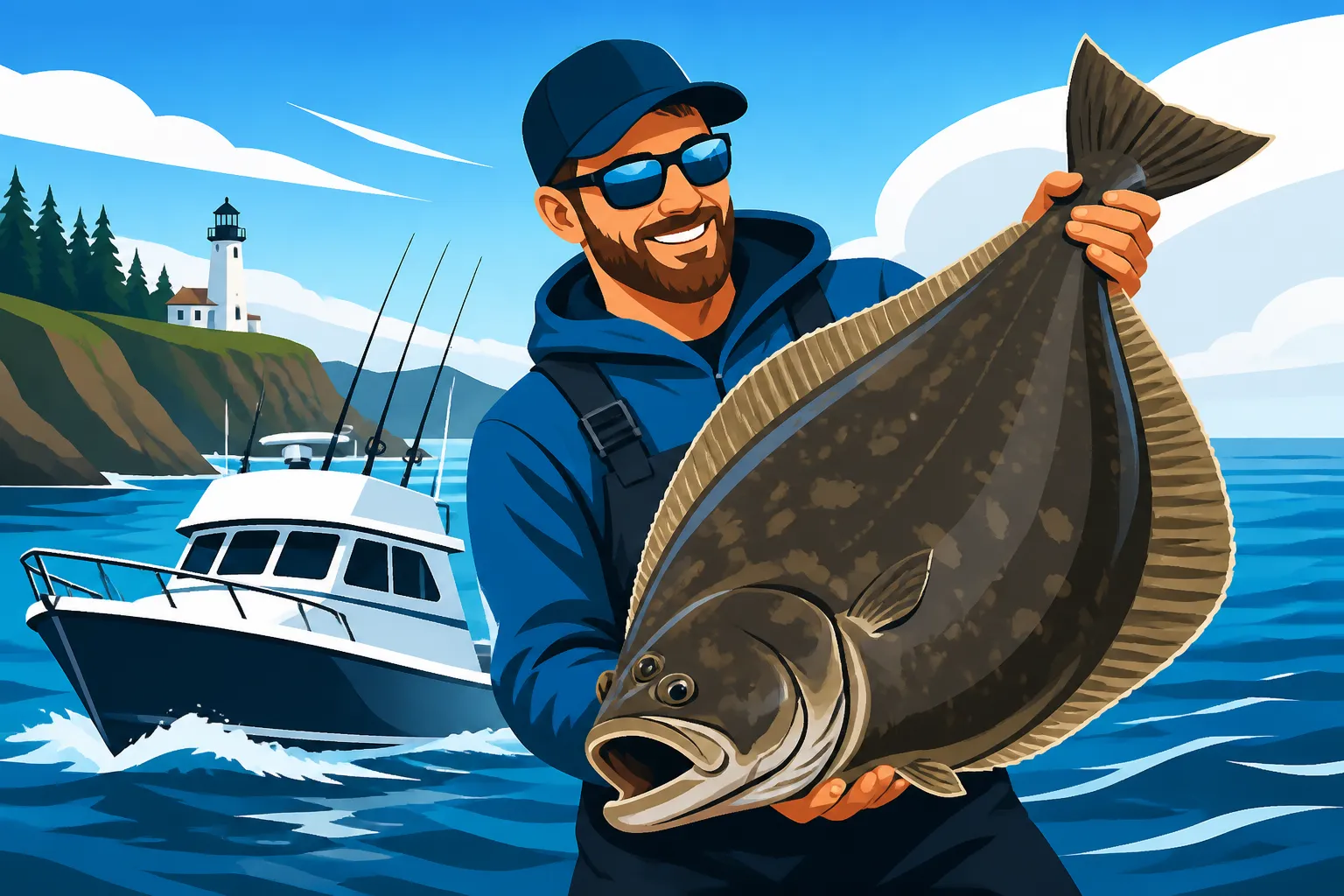
The Pacific halibut is an impressive fish, known for its flat, diamond-shaped body and incredible strength. When you hook one, especially a larger specimen weighing in at 50, 80, or even over 100 pounds, you're in for a serious fight. These fish don't give up easily; they use their broad bodies and powerful tails to resist, often making deep, stubborn runs back towards the seabed. This isn't a quick tug-and-reel scenario; it's a test of endurance, both for you and your gear. The satisfaction of finally seeing that huge, mottled brown shape emerge from the depths is unparalleled, making all the effort and anticipation worth it. It’s a primal thrill, connecting you directly to the raw power of the ocean.
Beyond the fight, there’s the sheer awe of these creatures. Halibut can live for decades and grow to immense sizes, and catching one feels like connecting with a true ancient of the deep. They are an apex predator in their ecosystem, and their presence speaks to the health of the vast Pacific waters. Many anglers return year after year, drawn by the challenge and the potential for a truly memorable catch.
Navigating Limited Seasons and Quotas
One of the biggest hurdles and sources of frustration for aspiring halibut anglers in Oregon is the highly regulated nature of the fishery. Unlike some other species that might have open seasons for months, Pacific halibut seasons are often very specific, short, and subject to in-season closures based on quotas. These regulations are put in place to ensure the sustainability of the halibut population, but for the angler planning a trip, it means meticulous timing and flexibility are crucial.
The season dates can vary slightly year to year and are typically announced by the Oregon Department of Fish and Wildlife (ODFW) well in advance. However, the "all-depth" season, which allows fishing in deeper waters where larger halibut are often found, can be especially short, sometimes only lasting a handful of days or weekends. Once the pre-set quota for a management area is met, the season closes, often with little notice. This creates a rush, as everyone wants to get out on the water before the window closes. It’s not uncommon for an angler to have a trip planned only to have the season close unexpectedly, leading to understandable disappointment. Staying informed through official ODFW channels and your chosen charter operator is absolutely essential. You'll also want to understand the Oregon Halibut Tag Requirements before you head out.
Understanding Oregon's Halibut Seasons and Regulations
Successfully planning an Oregon halibut charter hinges almost entirely on understanding the very specific and often dynamic seasons and regulations set forth by the Oregon Department of Fish and Wildlife (ODFW). These rules are designed to protect the halibut population, ensuring that this incredible fishery remains viable for future generations, but they require anglers to be diligent and adaptable.
The Importance of Specific Season Dates
Oregon's Pacific halibut fishery is meticulously managed, largely due to its high value and the need to maintain healthy stock levels. This means that the fishing season isn't a long, continuous stretch like some other fisheries. Instead, it's typically broken down into distinct periods, with different rules applying to different zones or depths. The "all-depth" season, which is often the most sought-after because it allows access to deeper waters where the largest halibut reside, usually consists of specific open days or weekends. These dates are critical, and missing them means missing your chance for the year in those prime areas.
For example, sometimes the all-depth season might only be open for three or four weekends in May and June, or even specific weekdays. The exact schedule is announced annually by ODFW, and it's not set in stone until those announcements are made. This requires anglers to plan ahead but also be prepared for potential adjustments. Charter operators are usually on top of these dates, and booking well in advance for these prime windows is highly recommended, as spots fill up incredibly fast. It's a race against the clock and the calendar, and being informed is your best weapon.
Quota Management and Emergency Closures
Beyond the set season dates, the Pacific halibut fishery operates under a quota system. This means that once a certain amount (by weight) of halibut has been caught in a particular management area, the season for that area can close early, regardless of whether the scheduled dates have passed. This is especially true for the all-depth season. The ODFW monitors catch rates closely throughout the season, and if it looks like the quota is nearing its limit, they can issue an emergency closure.
Imagine having your trip booked for the last planned weekend of the season, only to find out it closed unexpectedly mid-week because the quota was met. This happens, and it can be incredibly frustrating for anglers who've put time, money, and anticipation into their plans. While charter companies do their best to stay updated and inform clients, these closures can be sudden. This emphasizes the need to be flexible and to book trips earlier in the season if possible, to minimize the risk. Always have a backup plan or discuss contingency options with your charter provider. For more details, you can consult the Oregon Fishing Regulations Explained.
Understanding Daily Bag and Size Limits
Of course, season dates and quotas aren't the only regulations you'll encounter. Oregon also has strict daily bag limits and, sometimes, size restrictions for halibut. Typically, the daily bag limit is one Pacific halibut per angler, but it's crucial to verify this for the specific year and zone you plan to fish, as these can change. There might also be a minimum size limit, ensuring that younger, less mature fish are returned to the ocean to grow and reproduce.
These limits are in place to ensure that the individual angler’s impact is controlled, adding another layer of conservation to the fishery. When you're on a charter, your deckhand or captain will be well-versed in these rules and will help you measure any fish caught to ensure it's legal before it comes aboard permanently. It's also important to remember that these rules are per person, so even if you're on a boat with several anglers, each person is responsible for their own limit. Understanding these limits prevents any unpleasant surprises with enforcement and ensures you're fishing responsibly.
Choosing the Right Halibut Charter in Oregon
Selecting the right halibut charter is perhaps the most crucial decision you'll make when planning your trip. The quality of your experience, your chances of success, and your overall enjoyment largely depend on the boat, the crew, and the company you choose. With numerous options along the Oregon Coast, it can feel a bit overwhelming, but by focusing on a few key factors, you can find the perfect fit for your halibut adventure.
Researching Charter Companies and Captains
Not all charter companies are created equal, and certainly not all captains have the same experience or approach. When you're looking for a halibut charter, you want to find a company with a strong reputation for targeting halibut specifically. Some charters might specialize more in salmon or bottom fishing, while others are truly dedicated to the often challenging pursuit of halibut. Look for companies that consistently put their clients on halibut and prioritize the halibut season.
Start by checking online reviews on platforms like Google, Yelp, and specialized fishing sites. Pay attention to comments about the captain's expertise, the crew's helpfulness, the condition of the boat, and overall customer service. A good captain will be knowledgeable about the local waters, halibut behavior, and current fishing conditions. They should also be enthusiastic, patient, and good communicators, especially for beginners. Many anglers find platforms like FishingBooker incredibly useful for browsing different charter operators, reading detailed reviews, and comparing services and prices all in one place. You can see photos of boats, learn about the captain's experience, and get a feel for their specialties.
Considering Boat Size and Amenities
Halibut fishing often means venturing further offshore into the open Pacific, which can be subject to dynamic weather and sea conditions. Therefore, the size and type of boat are important considerations. Larger, more stable vessels will generally provide a more comfortable ride in choppier seas, which can be a significant factor in preventing seasickness. Ask about the boat's length, beam, and type (e.g., sportfisher, headboat, custom charter).
Beyond stability, consider the amenities onboard. Most reputable charters will have a marine head (restroom), which is essential for longer trips. Some might offer heated cabins, comfortable seating, or even a galley for food preparation. For a full-day halibut trip, having a comfortable and safe environment is key. If you're going with a group, ensure the boat has enough space for everyone to fish comfortably without constantly bumping elbows. Safety equipment is paramount; ensure the charter is licensed, insured, and has all required safety gear, including life rafts, vests, and communication equipment. Don't hesitate to ask about these details when booking.
Private Charters vs. Open Load (Headboat) Trips
When booking an Oregon halibut charter, you'll generally have two main options: a private charter or an "open load" (also known as a headboat or party boat) trip. Each has its pros and cons, and the best choice depends on your group size, budget, and desired experience.
A private charter means you book the entire boat for your group, usually up to 6 anglers. This offers the ultimate flexibility and personalization. You can often discuss your specific fishing goals with the captain, and the trip schedule might be slightly more adaptable. It's ideal for families, groups of friends, or corporate outings where you want an exclusive experience. The cost per person is typically higher for a private charter, but you get undivided attention from the crew and a more intimate atmosphere. It’s perfect if you're keen to try specific techniques or have a very particular type of experience in mind.
Open load trips, on the other hand, are where you pay for an individual spot on a larger boat, and you'll be fishing alongside other anglers you may not know. These are generally more budget-friendly per person and are a great option for solo anglers, couples, or smaller groups who don't want to fill an entire private boat. Headboats can accommodate more people, often ranging from 10 to 30+ anglers. While you might have less one-on-one interaction with the crew and less flexibility, they are often very efficient at finding fish and can be a lively social experience. Many popular ports like Newport and Depoe Bay offer excellent open load options for halibut, making the sport accessible to more people. Consider your group's dynamic and budget carefully before deciding.
What to Expect on Your Oregon Halibut Charter Trip
So, you've booked your halibut charter – congratulations! Now, what exactly happens on the day of your big ocean adventure? Understanding the typical flow of an Oregon halibut charter can help alleviate any pre-trip jitters and ensure you're fully prepared to enjoy the experience, from the early morning departure to the exciting moments of landing a fish.
Early Morning Departure and Scenic Journey
Halibut charters typically begin early, often before sunrise. This isn't just to catch the worm; it’s to maximize fishing time when halibut are often most active and to allow for the significant travel time out to the prime fishing grounds. You'll usually be asked to arrive at the dock well before departure time to check in, sign any necessary waivers, and get settled on the boat. The pre-dawn atmosphere at an Oregon coastal harbor, like Astoria or Garibaldi, is often bustling with activity, a truly invigorating start to the day.
Once everyone is aboard and the safety briefing is complete, the boat will depart, slowly navigating out of the harbor and into the open ocean. The journey itself can be a highlight. You'll often be treated to a stunning sunrise over the Pacific, and it’s common to see local wildlife—seabirds diving for breakfast, seals and sea lions curious about the passing vessel, and sometimes even whales breaching in the distance. This travel time, which can range from an hour to several hours depending on the fishing grounds, is also when the crew will typically prepare gear, explain fishing techniques, and answer any questions you might have about the day ahead. It’s a great opportunity to soak in the vastness of the Pacific.
Fishing Techniques and Gear Overview
Halibut fishing off Oregon primarily involves "bottom fishing" in deep waters, often hundreds of feet down. The techniques are designed to present bait or lures effectively near the seabed where halibut lie in wait. Your charter will provide all the necessary fishing gear, which typically includes heavy-duty rods and reels capable of handling large fish and significant depths. You’ll be using braided line, heavy weights (often over a pound, sometimes much more, to combat strong currents), and large hooks.
Common setups include a "spreader bar" rig or a simple dropper loop with a large baited hook (often using squid, herring, or octopus) or a substantial artificial lure (like a large jig or plastic paddle tail). The crew will demonstrate how to drop your line to the bottom, how to detect a bite (which can sometimes feel like a subtle tap or a sudden heavy weight), and how to properly set the hook. They'll also guide you on the winding technique – a steady, consistent retrieve is key, but be prepared for a strong pull when a halibut decides to make a run. Patience is absolutely essential; you might be dropping and reeling in that heavy weight many times throughout the day, so be ready for a workout! Many experienced guides will have their favorite baits and lures, which they'll provide as part of the trip. For more specific techniques, check out How to Fish for Halibut off the Oregon Coast.
What Happens When You Hook a Halibut
The moment you feel that distinct, heavy thud and the rod bends hard, your adrenaline will spike. The crew will immediately spring into action, offering guidance and encouragement. They'll often clear lines from other anglers to give you space and ensure your fish doesn’t tangle. If it’s a large halibut, they might suggest specific reeling techniques, like pumping the rod up and then reeling down, to conserve your energy and gain line effectively. It's a true test of strength and will.
Once the halibut is brought close to the boat, the crew will determine if it’s a legal fish (within size and bag limits) and then safely bring it aboard. This might involve using a harpoon or a large gaff for bigger fish to secure it quickly and humanely. Halibut are powerful, and even on the boat, they can thrash significantly, so safety is a top priority. The crew is expertly trained in handling these large fish, and you should always follow their instructions. After the fish is landed, it's often bled out immediately to ensure the best possible meat quality, then placed in a fish box or cooler with ice. Many charters even offer fish cleaning and filleting services once back at the dock, sometimes for an additional fee, so you can take home ready-to-cook portions. It's a fantastic perk that saves you a lot of work!
Preparing for Your Ocean Halibut Adventure
A successful and enjoyable halibut charter isn't just about what happens on the boat; it's also about how well you prepare beforehand. The open ocean off Oregon can be unpredictable, and being ready for a variety of conditions will make your trip much more comfortable and fun. Think of it as packing for a mini-expedition, where comfort, safety, and practicality are your guiding principles.
Dressing for Oregon's Coastal Weather
Oregon's coastal weather is famous for its variability. You can start the day with clear skies and calm seas, only for fog to roll in, winds to pick up, and temperatures to drop within a few hours. When fishing far offshore for halibut, these changes can be even more pronounced. Therefore, layering is absolutely critical, even in summer.
Start with a moisture-wicking base layer, add insulating layers like fleece or wool, and top it off with waterproof and windproof outerwear. A good quality rain jacket and pants are non-negotiable, as ocean spray is common, and unexpected showers can occur. Even if the forecast looks sunny, the air temperature offshore can be significantly cooler than on land, especially with the wind chill from the boat's speed. Don't forget a warm hat that covers your ears, gloves (waterproof if possible), and non-slip, waterproof shoes or boots. Sunglasses are also a must to protect your eyes from glare off the water, and sunscreen is essential, even on cloudy days, as UV rays reflect off the water. Being cold and wet can quickly turn an exciting trip into a miserable one, so over-dressing is always better than under-dressing.
Essential Items to Pack for Your Trip
Beyond appropriate clothing, a few other items will significantly enhance your comfort and readiness for an all-day halibut charter. Packing smart means you have everything you need without overdoing it.
Here’s a checklist of essentials:
- Food and Drink: Bring plenty of water, soft drinks, and snacks. Fishing is hungry work, and a full day on the ocean can leave you dehydrated and needing fuel. Pack items that are easy to eat on a moving boat, like sandwiches, granola bars, fruit, and chips.
- Motion Sickness Medication: If you are at all prone to seasickness, or even if you're not sure, take preventative measures. It’s always better to take motion sickness medication before you board the boat, giving it time to work. Once you're feeling sick, it's often too late. Options include over-the-counter pills, patches, or even wristbands. Discuss with your doctor if you have concerns.
- Camera/Phone: To capture those epic moments, but remember to keep them in a waterproof bag or case when not in use. You don't want an accidental splash to ruin your electronics.
- Small Backpack or Dry Bag: To keep all your personal items organized and protected from spray.
- Cooler with Ice (for your catch): While some charters have fish boxes, bringing your own cooler (labeled with your name!) for the drive home is a good idea, especially if you plan to have your fish filleted at the dock. This ensures your hard-won halibut stays fresh.
- A Valid Fishing License and Relevant Endorsements: This is non-negotiable! You will need an Oregon fishing license and likely an Oregon Ocean Endorsement to fish for halibut. Make sure these are purchased before your trip. The charter cannot issue these for you. Double-check expiration dates.
Understanding the Importance of Licenses and Endorsements
This point cannot be stressed enough: you must have a valid Oregon fishing license with the correct endorsements to fish for halibut. Fishing without the proper licensing can lead to significant fines and penalties, and it will definitely ruin your trip. For halibut, specifically, you’ll need a standard annual or daily Oregon angling license, along with the required Oregon Combined Angling Tag Guide and an Oregon Ocean Endorsement. The ocean endorsement is specifically for marine species, and it’s a separate purchase.
These licenses and tags are usually available online through the ODFW website, at authorized license agents (like sporting goods stores), or sometimes at the charter office (though it’s best to get them in advance). Purchase them several days before your trip to avoid any last-minute stress or technical issues. A physical copy of your license or a digital copy accessible on your phone (if ODFW regulations allow a digital display) should be carried at all times. The charter crew will likely verify your license before departure. It's your responsibility to have everything in order.
Top Oregon Ports for Halibut Charters
The Oregon Coast is dotted with charming port towns, many of which serve as launching points for incredible ocean fishing adventures. For halibut charters, certain ports stand out due to their proximity to prime fishing grounds, the number of experienced charter operators, and the amenities available to anglers. Choosing your departure port often depends on where you're staying or what other activities you plan to combine with your fishing trip.
Newport: A Halibut Hub
Newport is arguably one of Oregon's most popular and well-known fishing hubs, and for good reason. Located roughly in the middle of the coast, it offers excellent access to the Pacific Ocean and historically productive halibut fishing grounds. The harbor in Newport is bustling, home to a large fleet of charter boats, ranging from smaller, fast sportfishers to larger headboats capable of taking many anglers.
What makes Newport special is its infrastructure. You'll find numerous bait and tackle shops, fish processing facilities, restaurants ready to cook your catch, and plenty of accommodations. The sheer volume of charter operators here means more options, potentially more competitive pricing, and a higher likelihood of finding an open spot, even during peak halibut season. Many of the most experienced halibut captains in Oregon operate out of Newport, making it a reliable choice for targeting these deep-water giants. If you're looking for Newport Oregon Fishing Charters, you'll find a wealth of choices here.
Depoe Bay: The Whale Watching and Fishing Capital
Just a short drive north of Newport lies Depoe Bay, often dubbed the "Whale Watching Capital of the Oregon Coast." But don't let the whale-watching fame overshadow its excellent fishing opportunities. Depoe Bay boasts the world's smallest navigable harbor, which adds to its unique charm. While the fleet might be slightly smaller than Newport's, the captains operating out of Depoe Bay are seasoned veterans with deep knowledge of the local halibut grounds.
The quick access to offshore waters from Depoe Bay can sometimes mean a slightly shorter travel time to fishing spots, depending on where the fish are holding. Its quaint atmosphere, coupled with the dramatic coastline and the almost guaranteed sight of gray whales at certain times of the year, makes for a memorable trip even before you drop a line. If you're looking for a slightly less bustling but equally effective port, Depoe Bay is a fantastic option.
Astoria: Gateway to the Columbia and Ocean
At the very northern tip of the Oregon Coast, where the mighty Columbia River meets the Pacific, lies Astoria. While Astoria is renowned for its incredible salmon fishing, especially during the Fall Chinook Season Timing on the Columbia run, it also serves as a strong base for ocean charters targeting halibut. The journey out of the Columbia River Bar can be impressive, offering unique views of historical landmarks and the sheer power of the river meeting the sea.
Astoria's charters benefit from proximity to some prime offshore halibut grounds, and its position makes it a convenient option for those traveling from Portland or Washington. The port has a robust commercial and sportfishing fleet, ensuring experienced captains and well-equipped vessels. Choosing Astoria offers a blend of historical charm, diverse fishing opportunities, and access to the rich marine environment where the river and ocean converge. For those in the northern part of the state, Astoria Oregon Fishing Charters provides a convenient and productive option.
| Port | Primary Advantages | Typical Boat Types |
|---|---|---|
| Newport | Largest fleet, wide range of charters, excellent infrastructure (lodging, dining, fish processing), central location. | Large headboats, mid-size sportfishers. |
| Depoe Bay | Smaller, charming harbor, quick access to offshore grounds, known for experienced local captains, whale watching. | Smaller to mid-size sportfishers. |
| Astoria | Historical significance, unique Columbia River Bar transit, access for northern anglers, diverse fishery options. | Mid-size to large sportfishers, some headboats. |
| Garibaldi | Excellent access to Tillamook Bay and ocean, often a less crowded feel, good for combination trips. | Mostly mid-size sportfishers. |
| Winchester Bay | Gateway to the Umpqua River, strong salmon and halibut fishery, smaller town feel. | Mid-size sportfishers, focus on Umpqua River access. |
| Charleston | Near Coos Bay, good access to southern coast halibut grounds, often strong rockfish and lingcod opportunities. | Mid-size to large sportfishers, good for combo trips. |
Other Notable Ports: Garibaldi, Winchester Bay, and Charleston
Beyond the main three, other Oregon coastal towns also offer excellent halibut charter opportunities. Garibaldi, on Tillamook Bay, provides great access to both bay and ocean fishing, often allowing for combo trips that might include crabbing or salmon. Winchester Bay, near the mouth of the Umpqua River, is another strong contender, especially for those venturing to the central-southern coast, with a focus on both salmon and bottom fish. Further south, Charleston (part of the Coos Bay complex) also has a charter fleet known for targeting halibut, rockfish, and lingcod, offering access to some productive deep-water areas.
Each of these ports has its unique character and a dedicated group of charter operators. When looking for a charter, resources like FishingBooker can help you sort through options by location, boat type, and specific target species, allowing you to find the perfect fit wherever you decide to launch your adventure from.
Maximizing Your Halibut Catch and Experience
While a good charter captain and crew will do most of the heavy lifting in terms of finding the fish and providing the right gear, there are several things you can do as an angler to maximize your chances of success and ensure you have the best possible time on your Oregon halibut charter. It's about being prepared, being patient, and being an active participant in your fishing adventure.
Listening to Your Captain and Crew
This might seem obvious, but it's the single most important piece of advice for any charter trip. Your captain and deckhands are experts in their field. They know the local waters, understand halibut behavior, and are constantly monitoring conditions. They will instruct you on everything from how to drop your line, to the proper reeling technique, to what a bite feels like. Their advice is based on years of experience and is crucial for your success.
Pay close attention during the safety briefing and when they demonstrate fishing methods. Don't be afraid to ask questions if you're unsure, but always listen to their directions, especially when a fish is on the line or when navigating around other anglers. They are there to help you catch fish and ensure your safety. Disregarding their advice can not only reduce your chances of success but can also create safety hazards for yourself and others on board. A good working relationship with the crew enhances the experience for everyone.
Proper Angling Techniques for Deep Water
Halibut fishing is a physical activity, and deep-water techniques require a bit of finesse and endurance. When the captain gives the signal to drop your line, let it free-spool quickly until you feel the weight hit the bottom. It’s critical to keep your bait or lure on or very near the bottom, as that's where halibut feed. If you let out too much line, your rig will drag behind the boat and off the bottom. If you keep it too short, it won't be in the strike zone.
Once on the bottom, periodically lift your rod tip a few feet and let the weight settle back down. This movement can attract halibut and keeps your bait fresh in the zone. Bites can be subtle—sometimes just a slight increase in weight or a gentle tap. When you feel something, hesitate for a moment to let the fish take the bait, then reel down and set the hook with a firm, upward sweep of the rod. Then, the real work begins: a steady, strong retrieve. Avoid pumping the rod too aggressively with halibut unless instructed, as it can sometimes dislodge the hook. Keep a bend in the rod at all times to maintain pressure. For more general advice on Oregon Fishing Techniques for Beginners, you can find additional helpful information.
Responsible Fishing and Fish Care
Being a responsible angler extends beyond just following regulations; it also includes proper fish care to ensure your catch is of the highest quality, and ethical practices for any fish you might need to release. When you land a halibut, your crew will handle the measuring and, if it’s a keeper, will dispatch and bleed the fish quickly. This is crucial for flavor and texture, as bleeding removes metabolic wastes and helps preserve the meat.
If you happen to catch a non-legal fish (undersized or out of season, or a different species you're not targeting), the crew will instruct you on how to properly release it. Handle it gently, minimize its time out of water, and if possible, release it head-first into the water to help it swim down. Learning about Oregon Catch-and-Release Rules is a good idea. Also, be mindful of your waste; bring a trash bag for your personal items and don't discard anything overboard. Many charters offer fish cleaning services at the dock, which is a huge convenience. This ensures your halibut is expertly filleted and ready for you to enjoy. Don't forget to ask about these services when booking or once you're back on shore.
Beyond Halibut: Other Catches on Oregon Charters
While halibut are undoubtedly the star of the show for many ocean charters, the waters off the Oregon Coast are teeming with a variety of other desirable species. Many charters offer "combo trips" that combine halibut fishing with opportunities to target these other fish, providing a more diverse and often equally rewarding experience. This can be a great option if halibut seasons are short or if you simply want to expand your catch.
Combining Halibut with Rockfish and Lingcod
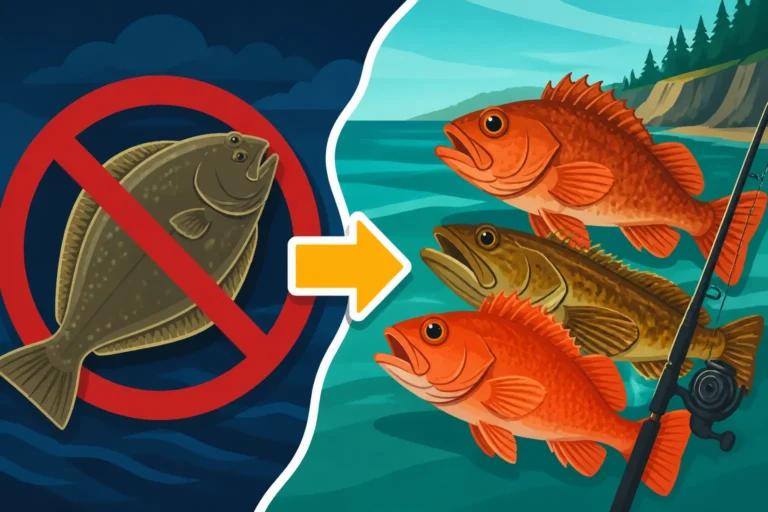
One of the most popular combinations with halibut fishing is targeting bottom fish, primarily rockfish and lingcod. These species inhabit rocky reefs and structures, often in shallower waters than halibut, making them accessible on the same trip. Rockfish, a diverse group including species like black rockfish, blue rockfish, and vermilion rockfish, are abundant, feisty, and make excellent table fare. Lingcod are true predators, known for their aggressive bites and impressive size, offering a thrilling fight on lighter tackle.
A typical combo trip might start with halibut fishing in the deeper grounds, and once halibut limits are met (or if the halibut bite is slow), the boat will move to shallower, rockier areas to target rockfish and lingcod. The techniques are similar – bottom fishing with jigs, swimbaits, or bait – but the gear might be a bit lighter, and the action can be fast and furious. This offers a fantastic way to fill your cooler and enjoy a broader range of ocean fishing. The Oregon Saltwater Fish Species Guide will give you more insight into what you might encounter.
Opportunities for Salmon and Crab
Depending on the time of year and specific regulations, some Oregon charters also offer combo trips that include salmon fishing or crabbing. Salmon fishing off the Oregon coast, particularly for Chinook and Coho, is legendary. These trips often occur in shallower, nearshore waters or at the mouth of the Columbia River during specific seasons like Fall Chinook Season Timing on the Columbia. If you're fortunate enough to hit both a good halibut and salmon bite on the same day, you've truly experienced an epic Oregon fishing adventure.
Crabbing is another popular activity, especially for Dungeness crab, which are abundant in Oregon's bays and nearshore ocean waters. While not typically done simultaneously with deep-water halibut fishing, some charters will drop crab pots before heading out for fish and then pull them on the way back in. This allows you to combine two fantastic culinary experiences in one trip. Imagine bringing home fresh halibut fillets and a pot full of delicious Dungeness crab for a seafood feast! Always check with your charter operator about specific combo trip options, as they are highly dependent on seasonal regulations and the charter's capabilities. Remember, you'll need an Oregon Shellfish License if crabbing is part of your plan.
Seasonal Overlaps and Considerations
The feasibility of combo trips is heavily influenced by the seasonal overlaps of different species. Halibut seasons are very specific and often limited, but they can coincide with good runs of rockfish or even early salmon seasons. For example, the spring and early summer halibut windows often line up with excellent bottom fishing. Later in the summer and fall, as halibut seasons wind down, salmon fishing can really heat up.
When booking, discuss your interests with the charter company. A good operator will be able to advise you on the best time to visit for specific combinations and what's realistically achievable within the regulated seasons. Flexibility is key here; sometimes the ocean dictates what's biting best on any given day. Regardless of what else you catch, an Oregon halibut charter promises the excitement of deep-sea angling and the potential for a truly magnificent fish.
Disclaimer
This article is for general informational purposes only and does not constitute professional advice. Laws, prices and regulations vary by location and change over time. Consult a qualified professional for guidance on your specific situation.