Oregon Resident Fishing License Cost
Trying to figure out the exact cost of an Oregon resident fishing license can feel like navigating a maze, especially with all the different tags and endorsements that pop up. It’s easy to get overwhelmed, wondering if you’ve truly got everything you need before hitting your favorite fishing hole. This guide is here to untangle all those pricing details for Oregon residents, breaking down the costs, explaining what each component covers, and helping you understand where your hard-earned money goes to support our state’s incredible fisheries.
Understanding the Baseline: Oregon's Resident Annual Angling License
Let's face it, the first thing most of us want to know is the base price. It’s the starting point for every fishing adventure here in Oregon, and without it, you're pretty much just spectating. The good news is that the core Oregon Resident Fishing License Cost for an annual angling license is quite straightforward. However, it's crucial to remember that this is just the foundational piece, much like buying the frame of a house before you add the walls and roof.
The Core Price Tag for Your Year of Adventure
For most adult Oregon residents, the annual angling license is your ticket to a full year of fishing opportunities, from the rushing rivers to serene lakes, and even some bays. As of the current regulations, a standard annual resident angling license generally costs around $44.00. This fee grants you the general privilege to fish throughout the state for a calendar year, typically from January 1st to December 31st, regardless of when you purchase it. So, if you buy your license in July, it still expires on December 31st of that same year. This can sometimes feel a little frustrating if you’re a late-season purchaser, but it’s how the system works to keep things consistent year-to-year.
It’s also important to note that these prices are subject to change, usually on an annual or biennial basis, so it's always a good idea to double-check the Oregon Department of Fish and Wildlife (ODFW) website for the absolute latest figures before you commit. Think of this base license as your general admission pass. It gets you in the door, but for certain specific attractions – like catching salmon or crab – you'll need additional "add-ons." We'll dive into those critical add-ons next, because trust me, you don't want to be caught without them when that big Chinook bites. Many new anglers often overlook these extra requirements, leading to potential headaches down the line. To get a broader picture of all the options, you might want to check out our comprehensive Oregon Fishing License Types Explained guide.
What Exactly Does This Basic License Cover?
So, you've shelled out your $44.00. What can you actually fish for with just this basic annual resident angling license? This license primarily covers what we call "general angling" for many common species across Oregon's vast array of freshwater and certain marine environments. This includes species like rainbow trout in stocked lakes, warmwater fish such as bass and crappie in reservoirs, and even many panfish. If you're planning a quiet day at a local pond with a simple bobber and worm, or casting for smallmouth bass on the John Day River, this is your core permit.
However, and this is a significant "however," it does not cover salmon, steelhead, sturgeon, or halibut. Nor does it cover shellfish like crab or clams, which require a separate shellfish license. These highly sought-after species and activities require additional validation tags or endorsements on top of your base license. It’s a common misconception that the annual license is a "one-and-done" deal, and many anglers have learned the hard way that they needed an extra tag when they successfully landed that prized salmon. This system is in place to help manage specific fisheries more carefully, with the additional funds generated often going directly to conservation and enhancement efforts for those particular species. For a complete understanding of what you can and cannot do, reading the Oregon Fishing Regulations Explained is absolutely paramount.
Beyond the Basics: Essential Endorsements and Tags for Oregon Residents
While the annual angling license is your foundational pass, Oregon's diverse fisheries mean that most anglers will need more than just the basics. This is where the world of endorsements and tags comes into play, and frankly, it's where many people get confused (and sometimes frustrated!). These additional purchases aren't just bureaucratic hurdles; they're essential for targeting specific, often highly migratory or sensitive, fish populations and activities.
The All-Important Combined Angling Tag
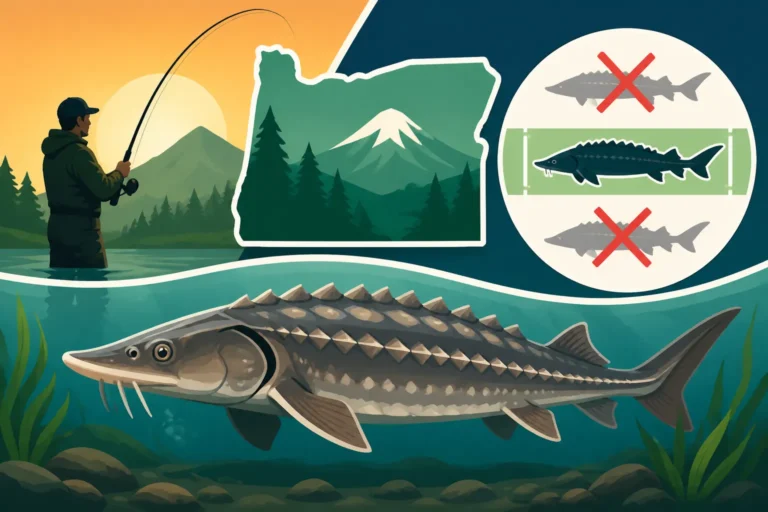
If you’re dreaming of hooking into a powerful salmon, a feisty steelhead, or even a prehistoric sturgeon, you must have an Oregon Combined Angling Tag. This isn't optional; it's absolutely critical. For Oregon residents, the Combined Angling Tag typically costs around $28.00. This single tag acts as your validation for retaining salmon, steelhead, and sturgeon. Without it, even if you have your annual angling license, you’re legally required to release any of these species you catch. Imagine fighting a beautiful Chinook for twenty minutes, finally landing it, only to realize you can’t keep it because you forgot the tag! It's a gut-wrenching moment no angler wants to experience.
The Combined Angling Tag is also where you'll record your catch information for these species. Oregon uses a catch record card system for salmon, steelhead, and sturgeon, which is incredibly important for fishery management. Every time you retain one of these fish, you need to "punch" or mark your tag immediately. This data helps ODFW monitor harvest rates and make informed decisions about seasons and bag limits for the following years. Think of it as your personal logbook that contributes to the larger scientific effort. Many anglers will purchase this tag automatically with their annual license, as it offers the most comprehensive fishing opportunities in the state. If you’re at all considering targeting these prized species, it's a non-negotiable expense. We dive much deeper into this specific requirement in our Oregon Combined Angling Tag Guide. You'll want to review that one for sure!
Specialized Endorsements: Ocean, Columbia River Basin, and Shellfish
Beyond the Combined Angling Tag, Oregon offers a few more specialized endorsements and a dedicated shellfish license that are crucial depending on where and what you plan to fish for. These additions reflect the unique management needs of different ecosystems and species.
-
Ocean Endorsement: If your angling adventures take you into the Pacific Ocean beyond the river mouths for species like rockfish, lingcod, or even tuna (though specific tuna species might have their own federal regulations), you'll need an Ocean Endorsement. This usually adds around $10.00 to your total. This endorsement helps fund the specific management efforts for Oregon's vast saltwater fisheries, which face different challenges than freshwater environments. It’s not just for big boat charters either; if you’re fishing from a kayak or even a jetty along the coast for certain marine species, this endorsement is often required. Remember, specific federal groundfish regulations can also apply, so always check the latest rules.
-
Columbia River Basin Endorsement: This is a bit more specific. If you plan to fish for salmon or steelhead in the Columbia River or its tributaries upstream from the river mouth (which generally includes rivers like the Willamette up to Willamette Falls), you’ll need the Columbia River Basin Endorsement. This usually costs around $10.00. This endorsement is designed to support the costs associated with wild salmon and steelhead recovery efforts in the Columbia River Basin, a massive and ecologically vital watershed. It’s an essential add-on if you're planning a trip to hotspots like Buoy 10 or targeting spring Chinook on the lower Columbia. Make sure you know if your fishing spot falls within this basin!
-
Oregon Shellfish License: This one is separate from your general angling license and endorsements. If your idea of a perfect day involves crabbing in Tillamook Bay or clamming on the coast, you'll need a dedicated Oregon Shellfish License. This typically costs about $10.00 for residents. It's a flat fee that covers all legal shellfish harvesting activities. Many people assume their fishing license covers crabbing or clamming, but that's incorrect. You need this specific license, and it too supports the management of these vital coastal resources. It's also important to remember specific seasons, catch limits, and regulations for different shellfish species, so always consult the ODFW regulations booklet.
As you can see, the "true" cost of fishing in Oregon for a resident can quickly add up from the baseline $44.00. If you want to pursue salmon/steelhead/sturgeon in the ocean and the Columbia Basin, plus go crabbing, your total could look something like this:
| Item | Resident Cost (Approx.) | Covers |
|---|---|---|
| Annual Angling License | $44.00 | General freshwater and some marine fishing (trout, bass, panfish, some rockfish) |
| Combined Angling Tag | $28.00 | Retention of salmon, steelhead, sturgeon (requires catch recording) |
| Ocean Endorsement | $10.00 | Fishing for marine species in the Pacific Ocean beyond river mouths |
| Columbia River Basin Endorsement | $10.00 | Fishing for salmon/steelhead in the Columbia River and tributaries above the river mouth |
| Shellfish License | $10.00 | Crabbing, clamming, and other legal shellfish harvesting |
| Total for Full Package | $102.00 | All-inclusive fishing and shellfish harvesting for a resident, excluding specific federal permits or vessel licenses |
This table should help illustrate how the costs accumulate. It's important to budget for these additions if you plan to fully experience Oregon’s diverse fishing opportunities. To get a better sense of specific tag costs, you can also read our Oregon Combined Angling Tag Cost article.
Special Considerations and Discounts for Oregon Residents
Oregon genuinely tries to make fishing accessible for everyone, and that includes offering various discounts and special considerations for certain resident groups. It’s not a one-size-fits-all model, which is fantastic, but it does mean you need to know where you fit in to ensure you're paying the correct (and often lower) fee.
Youth, Senior, and Disabled Veteran Pricing
These categories represent some of the most significant cost savings for Oregon residents, acknowledging different stages of life and service.
-
Youth Licenses: For our youngest anglers, Oregon makes it incredibly easy and affordable to get started. Children under 12 years of age generally do not need a fishing license to fish in Oregon. This is a huge win for families and helps introduce kids to the joys of angling without any financial barrier. For those aged 12 to 17, there is a Youth Angling License. The cost for this is significantly reduced, often around $10.00. This fee also includes the Youth Combined Angling Tag, which means they can fish for salmon, steelhead, and sturgeon without an additional purchase, making it a very economical option for aspiring young trophy anglers. This focus on youth participation is fantastic for fostering the next generation of conservationists and outdoors enthusiasts. You can learn more about this in our Oregon Fishing Rules for Kids and Seniors guide.
-
Senior Licenses: Oregon offers a reduced-cost annual angling license for residents aged 70 and over. This is a wonderful way to acknowledge the lifelong contributions of our senior citizens and ensure they can continue to enjoy the state's natural beauty. The resident senior angling license is often priced around $31.00. While this is a discount, it's important to remember that senior anglers still need to purchase the Combined Angling Tag and any specific endorsements (Ocean, Columbia River Basin, Shellfish) if they plan to target those species or areas. The discount applies only to the base angling license itself. For a full breakdown of the requirements and costs, check out Oregon Senior Fishing License age and cost.
-
Disabled Veterans and Individuals with Disabilities: Oregon has an admirable program that provides free or reduced-cost fishing and hunting licenses for qualified disabled veterans and individuals with certain disabilities.
- Disabled Veterans: If you are an Oregon resident veteran with a service-connected disability rating of 25% or more, you may be eligible for a free annual hunting and fishing license. This is a small token of gratitude for immense sacrifice. The application process typically involves providing documentation of your disability rating to ODFW. It's a fantastic benefit that many veterans might not even be aware of, so spread the word!
- Individuals with Disabilities: Oregon also offers a reduced-fee annual angling license for residents with a qualifying disability. The specific criteria usually involve meeting certain conditions outlined by ODFW, often requiring a physician's certification. These licenses are generally priced similarly to the senior license, around $31.00, and like the senior license, additional tags and endorsements are still required if you plan to pursue those specific fisheries. This ensures that everyone, regardless of physical challenges, has an opportunity to enjoy Oregon's natural resources.
These special considerations are incredibly important to understand. Always be prepared to provide proof of age, residency, or disability status when purchasing these specialized licenses.
Short-Term Options: Is a Multi-Day License Cheaper for a Quick Trip?
Sometimes, you're not planning a full year of fishing; maybe it's just a weekend getaway or a week-long vacation. Oregon offers short-term angling licenses for residents, which can be a more cost-effective choice than an annual license if your fishing time is limited.
-
1-Day and Multi-Day Licenses: For residents, a 1-day angling license is typically around $10.00. If you're looking for something a bit longer, multi-day options are available (e.g., 2-day, 7-day). These usually cost a bit more but offer better value than buying individual daily licenses for consecutive days. For instance, a 2-day resident license might be around $17.00, and a 7-day around $31.00. These options can be particularly appealing if you only plan one or two fishing trips per year.
-
Including Tags in Short-Term Licenses: The good news is that short-term licenses for residents usually have the option to include the Combined Angling Tag (for salmon/steelhead/sturgeon) and the Columbia River Basin Endorsement for a nominal additional fee, often just a dollar or two per day. The Ocean Endorsement is also available. This means you can get a fully validated short-term license for targeting specific species without having to buy a separate, expensive annual tag. This is a critical point for visitors or residents doing a quick trip for specific species, as it often makes the multi-day option much more attractive than a full annual purchase. However, the Shellfish License is typically an annual purchase and usually not included or offered as a short-term option.
Choosing between a short-term and an annual license boils down to how often you plan to fish. If you go out more than 3-4 times a year, the annual license usually pays for itself. If you're just dipping your toes in or have a very specific, limited trip planned, the multi-day options are likely your best bet. Always do the math based on your anticipated trips!
Where Does Your License Money Go? The Real Impact of Fees
It's natural to wonder, when you're shelling out your hard-earned money for licenses and tags, where it all actually goes. It’s easy to feel like it’s just another government fee, but in Oregon, these funds are critical to maintaining the vibrant fisheries we all enjoy. Your license purchase isn't just a permit; it's an investment in the future of fishing in our state.
Funding Oregon's Fisheries: Stocking, Conservation, and Enforcement
The revenue generated from the sale of fishing licenses, tags, and endorsements in Oregon is primarily dedicated to the Oregon Department of Fish and Wildlife (ODFW) and its extensive programs. This isn't just a general fund; it's largely earmarked for specific conservation and management activities that directly benefit anglers.
-
Fish Stocking Programs: A significant portion of your license fees supports ODFW's fish hatchery programs. These hatcheries raise and release millions of trout, salmon, and steelhead into Oregon's rivers and lakes each year. This means more opportunities for anglers, especially in heavily fished areas or lakes specifically managed for recreational fishing. When you catch a rainbow trout in a local reservoir, there's a good chance it was raised and released thanks to these programs, funded by your license dollars.
-
Habitat Restoration and Conservation: Beyond stocking, funds are used for crucial habitat restoration projects. This includes restoring riparian zones, improving fish passage at culverts and dams, and enhancing spawning and rearing grounds for wild fish populations. Protecting and improving these habitats is vital for the long-term health and sustainability of all species, ensuring future generations can enjoy the same (or even better!) fishing opportunities we have today.
-
Research and Monitoring: ODFW biologists are constantly conducting research, monitoring fish populations, and assessing environmental conditions. Your license fees fund these scientific efforts, which are essential for making informed decisions about fishing seasons, bag limits, and conservation strategies. This includes everything from tracking fish movements to analyzing water quality, all contributing to sound fishery management.
-
Enforcement: Game wardens and ODFW enforcement officers play a critical role in ensuring compliance with fishing regulations, protecting resources from poaching, and promoting ethical angling. A portion of license fees directly supports these enforcement efforts, which are vital for maintaining fair access to resources and deterring illegal activities that could harm fish populations. Without proper enforcement, regulations would be meaningless. If you're ever curious about what happens if you don't have a license, our Fishing Without a License Penalties in Oregon article details the serious consequences.
-
Public Access and Education: Funds also contribute to maintaining public access sites, boat ramps, and educational programs that teach responsible angling and conservation practices. It’s a comprehensive approach to managing a complex natural resource.
In essence, your license money is directly reinvested into the very resource you enjoy. It’s a classic "user pays, user benefits" model, and it’s a foundational aspect of wildlife management across North America.
Why License Prices Change: Factors Influencing Cost Adjustments
You might notice that license prices aren't static; they tend to increase periodically. This isn't arbitrary; it's a reflection of several factors that influence the cost of managing Oregon's fisheries.
-
Rising Operational Costs: Just like any other organization, ODFW faces rising operational costs. This includes everything from the price of fish food at hatcheries and fuel for enforcement vehicles to salaries for biologists and administrative staff. As inflation and other economic factors increase these costs, license fees often need to adjust to keep pace and maintain current service levels.
-
Increased Demand and Pressure on Resources: Oregon's population is growing, and with it, the number of anglers. More anglers can mean increased pressure on fish populations, requiring more intensive management, stocking, and enforcement efforts. In some cases, increased demand can necessitate higher fees to fund the expanded programs needed to support that demand without compromising the resource.
-
New Conservation Challenges: Our environment is constantly changing, bringing new conservation challenges. This might include battling invasive species, responding to impacts from climate change, or undertaking complex restoration projects. These unforeseen challenges often require significant funding, which can sometimes lead to license fee adjustments.
-
Legislative Mandates: Sometimes, fee changes are mandated or influenced by state legislative actions, reflecting broader public policy goals or budget priorities.
-
Comparison with Other States: ODFW also considers what other states charge for their fishing licenses. While Oregon aims to keep its licenses affordable, it also needs to ensure its funding levels are competitive enough to support robust programs compared to neighboring states with similar fisheries.
While price increases are never fun, understanding why they happen can help anglers appreciate the bigger picture of conservation and management. Your input through public comment periods, often announced by ODFW, can also play a role in these decisions.
Navigating the Purchase Process: Buying Your Oregon Resident License
Alright, you're convinced! You understand the costs, what they cover, and why it's all so important. Now, how do you actually get your hands on that coveted Oregon resident fishing license and those crucial tags? The process is quite user-friendly these days, offering both modern convenience and traditional options.
Online vs. In-Person: Convenience and What to Expect
Oregon provides multiple avenues for purchasing your fishing license, catering to different preferences and situations.
-
Online Purchase (The Easiest Way!): By far the most convenient method is purchasing your Oregon fishing license online through the ODFW's licensing system. You can do this from the comfort of your home, 24/7.
- Pros: Instant access! Once you complete the purchase, you can typically print your license immediately or save it to your smartphone. This means no last-minute scrambling to find an open vendor. The ODFW system is generally intuitive, allowing you to select your base license, add the Combined Angling Tag, and any necessary endorsements like the Ocean Endorsement or Columbia River Basin Endorsement, all in one go. If you need to know how to renew your license, our guide on How to Renew an Oregon Fishing License Online can walk you through it.
- Cons: You need internet access and a printer (if you prefer a physical copy). Sometimes, the system can be slow during peak season. Make sure your printer has ink!
- What to Expect: You'll create an account (or log in to an existing one), provide your personal information (name, address, date of birth, driver's license number), select your desired licenses and tags, and pay with a credit or debit card. The system will generate a printable document, which serves as your official license.
-
In-Person Purchase (For When You're Out and About): For those who prefer a face-to-face transaction or need to grab a license on the way to the water, numerous authorized license agents across the state sell Oregon fishing licenses.
- Where to Go: You'll find these agents at many sporting goods stores (like Bi-Mart or some larger retailers), bait and tackle shops, and even some smaller general stores. These locations are often strategically placed near popular fishing areas. To find a location near you, check out Where to Buy an Oregon Fishing License.
- Pros: Immediate physical license in hand, opportunity to ask questions from knowledgeable staff (especially at dedicated tackle shops), and you can sometimes pick up last-minute gear or bait. You might even find some useful fishing accessories or tackle on Amazon beforehand, like a new fishing line or specific lures, so you're ready to hit the local shop just for your license.
- Cons: Limited to business hours, potential for lines during peak seasons, and you might need to drive out of your way.
- What to Expect: You’ll need to provide the same personal information as you would online. The agent will process your purchase through their ODFW terminal and print your license and tags for you. They can also usually look up your previous license history. Our article on Buying an Oregon Fishing License Online vs In Person offers a detailed comparison to help you decide.
No matter how you purchase, ensure your license is always accessible while fishing. While you can often use your phone as proof, a printed copy (laminated, perhaps!) is always a good backup, especially in areas with spotty cell service.
What You Need to Prove Residency and Age
To qualify for Oregon resident fishing license costs, you'll need to demonstrate that you are indeed a resident of the state. This isn't just a simple declaration; ODFW has specific criteria, and you'll typically need to provide official documentation.
- Establishing Residency: For most adults, proving residency means you've lived in Oregon for at least six consecutive months immediately prior to purchasing a license. You must also not claim residency in any other state or country. Common acceptable forms of proof include:
- An Oregon driver's license or state ID card issued at least six months prior.
- Oregon vehicle registration.
- Oregon voter registration.
- Proof of owning or renting property in Oregon for the required duration.
- For college students, specific rules apply, often requiring proof of enrollment and physical presence.
It’s crucial to understand these requirements, as purchasing a resident license when you don't qualify is a serious violation and could lead to fines and penalties. ODFW takes residency fraud seriously to ensure fair access and proper funding.
- Proving Age for Youth and Senior Discounts:
- Youth (12-17): For youth licenses, simply stating their date of birth is usually sufficient. A parent or guardian will often be making the purchase and can vouch for their age.
- Seniors (70+): For senior discounts, you'll need to provide proof of age, typically an Oregon driver's license or state ID card that clearly shows your date of birth, confirming you are 70 years or older.
Always have your identification ready, especially your Oregon driver's license, as it’s the most common and widely accepted form of ID for both residency and age verification during the license purchase process. Don’t let a forgotten ID derail your fishing trip!
Maximizing Your Investment: Getting the Most Out of Your Oregon License
You've made the investment, secured your Oregon resident fishing license and all the necessary tags. Now, it's time to make sure you get the absolute most out of it! This isn't just about catching fish; it's about understanding the rules, planning smart, and truly enjoying the experience responsibly.
Understanding Oregon Fishing Regulations Explained to Avoid Penalties
Having a license is only half the battle; knowing the rules is the other, equally critical, half. Oregon's fishing regulations can be complex, varying by water body, species, and even time of year. Misunderstanding them can lead to costly fines, forfeiture of gear, and even loss of fishing privileges.
- The Regulations Booklet is Your Bible: Every year, ODFW publishes a comprehensive regulations booklet. This is not optional reading. It details statewide rules, specific zone regulations (Oregon is divided into several fishing zones, each with unique rules), bag limits, size restrictions, open seasons, and gear restrictions (e.g., barbless hooks, bait restrictions). Get a physical copy from a license agent or download the PDF from the ODFW website and keep it accessible on your phone or tablet.
- Checking for Emergency Updates: Regulations can change throughout the year due to unforeseen circumstances like low water levels, specific fish runs, or conservation concerns. Always check the ODFW website or call their local offices for emergency regulation updates before heading out. A river that was open last week might be closed today, or a bag limit might have changed. Being caught unaware is not a valid excuse for a violation.
- Common Mistakes to Avoid:
- Forgetting your Combined Angling Tag: As mentioned, if you're targeting salmon, steelhead, or sturgeon, you must have this.
- Not Recording Your Catch Immediately: For salmon, steelhead, and sturgeon, you are required to record your catch on your tag as soon as the fish is retained. Don't wait until you get home!
- Exceeding Bag Limits: Be mindful of daily and seasonal bag limits for different species.
- Misidentifying Fish: Some regulations depend on correctly identifying a species (e.g., wild vs. hatchery steelhead), which can be tricky. Study up!
- Fishing in Closed Areas or Seasons: Always confirm the water you're fishing is open for the species you're targeting.
Taking the time to understand the Oregon Fishing Regulations Explained can save you a lot of grief and ensure you have a legal and enjoyable experience. Ignorance of the law is never a defense when a game warden checks your catch.
Planning Your Trips: When and Where to Fish for Specific Species
With your license and regulations understood, it's time for the fun part: planning your fishing adventures! Oregon offers an incredible diversity of fishing opportunities, from coastal rivers to high mountain lakes.
- Match Species to Season and Location: Different fish species are active and available at different times of the year and in specific locations.
- Spring Chinook Salmon: Often targeted in the lower Columbia and Willamette Rivers in spring.
- Summer Steelhead: Popular on rivers like the Deschutes during the warmer months.
- Trout: Many lakes and rivers are stocked with trout throughout spring and summer, with high mountain lakes offering excellent fishing in late summer and early fall after the snow melts.
- Shellfish: Crabbing and clamming seasons typically vary by location and species, but often involve specific tides.
- Utilize ODFW Resources: ODFW provides weekly fishing reports, stocking schedules, and guides to popular fishing spots. These are invaluable tools for planning your trips. You can even find specific recommendations for places like Best Places to Fish in Oregon or Oregon Coast Fishing Spots.
- Consider Equipment: Your license allows you to fish, but you still need the right gear! Whether you're buying a simple spin rod and reel from a local shop or stocking up on specialized fly-fishing tackle from Amazon, ensure you have appropriate equipment for the species and conditions you're targeting. Don't show up with ultralight gear for a Columbia River sturgeon!
- Embrace the Journey: Even if the fish aren't biting, being out on the water in Oregon is an experience in itself. From the rugged coastlines to the dense forests and high desert landscapes, the scenery is unparalleled. Your license allows you access to these natural wonders, so make sure to soak it all in.
By taking the time to understand the costs, regulations, and opportunities, you're not just buying a piece of paper; you're investing in countless potential memories and contributing to the conservation of Oregon's invaluable natural resources. Get out there and enjoy!
Disclaimer
Please note that fishing license costs and regulations are subject to change by the Oregon Department of Fish and Wildlife (ODFW). The information provided here is for general guidance and is accurate to the best of our knowledge at the time of writing. Always verify current prices and specific regulations directly with the ODFW or by consulting their official website and regulations pamphlet before engaging in any fishing activities. This guide does not constitute legal advice.