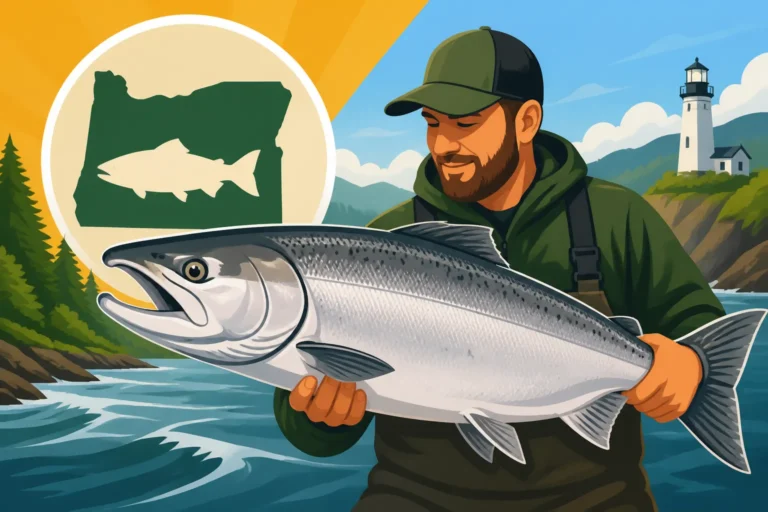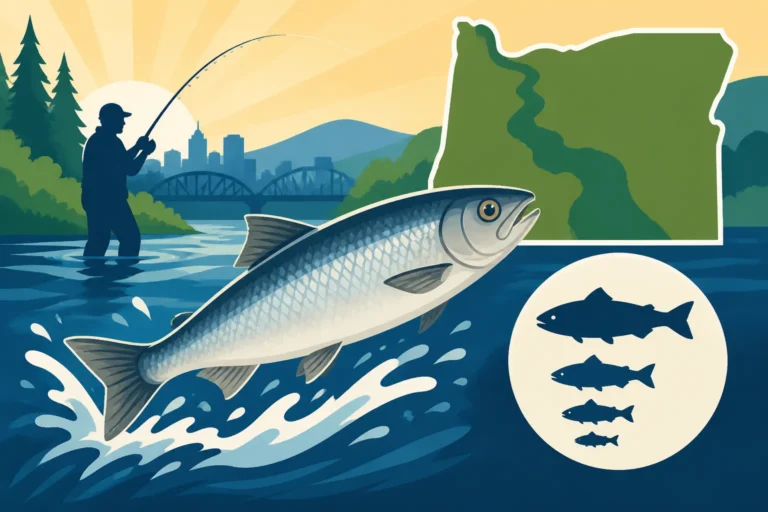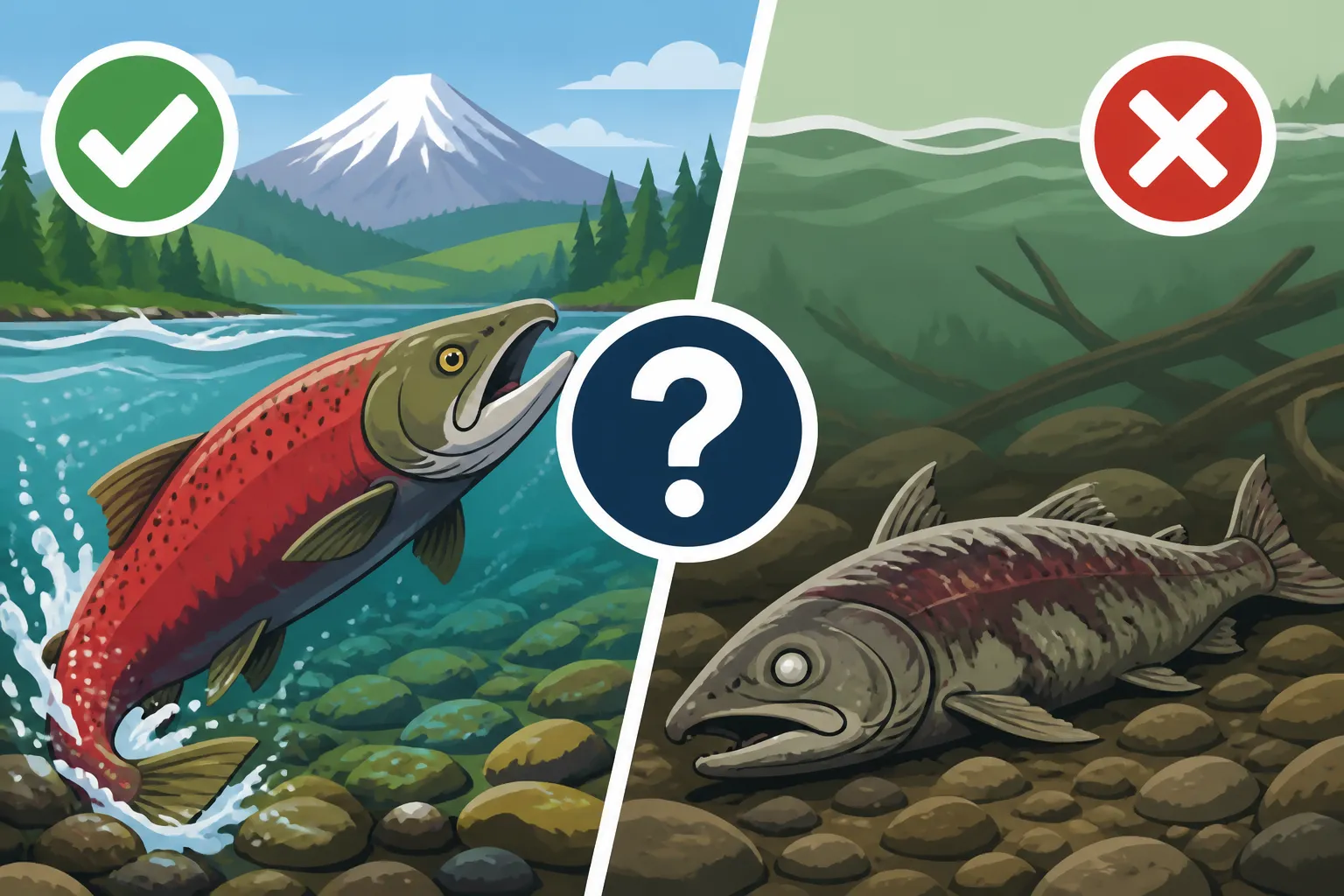
Do salmon die after spawning in Oregon rivers?
It's a question many curious anglers and nature enthusiasts ponder when they see those magnificent, often battle-scarred fish making their way upstream: do salmon truly die after spawning in Oregon rivers? The sight of decaying salmon carcasses along riverbanks can be a bit grim, but it’s a powerful testament to one of nature's most incredible and vital life cycles. This guide will dive deep into the fascinating reproductive strategies of Oregon's salmon and steelhead, explaining why some make the ultimate sacrifice and what it means for the health of our precious waterways.
The Incredible Salmon Life Cycle in Oregon Rivers
The journey of an Oregon salmon is nothing short of epic, a testament to endurance and instinct. From tiny eggs nestled in a gravel redd to powerful adults returning from the vast ocean, their lives are a series of transformations, challenges, and an unyielding drive to perpetuate their species. Understanding this cycle is key to appreciating the role their final act plays in the ecosystem.
Anadromy: The Journey from Freshwater to Saltwater and Back
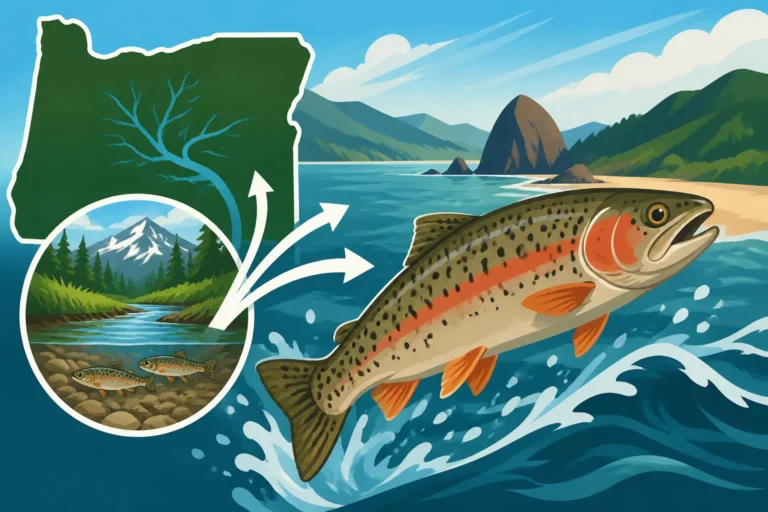
Oregon's salmon and steelhead are anadromous fish, meaning they are born in freshwater, migrate to the ocean to grow and mature, and then return to freshwater to spawn. It's a grueling round trip that demands immense energy and leaves little room for error. Imagine being born in a small tributary, spending a year or two there growing from a tiny alevin (a sac-fry living off its yolk sac) into a larger fry, then gradually becoming a smolt. This smolt undergoes physiological changes, called smoltification, that allow it to adapt from freshwater to saltwater.
These young smolts then embark on their incredible journey downstream, often facing predators and obstacles, until they reach the vast Pacific Ocean. Here, they spend years feeding, growing large, and gaining strength. Oregon Salmon Species Guide and Oregon Steelhead Guide can give you more details on the different types that undertake this journey. Depending on the species, they might spend one to five years in the ocean, traveling thousands of miles. Eventually, a primal urge compels them to turn back, using an astonishing sense of smell (olfaction) and the Earth's magnetic field to navigate back to the very stream where they were born. It’s an almost miraculous feat, guiding them past countless other waterways until they pinpoint their natal stream.
The Urge to Spawn: Why Salmon Return
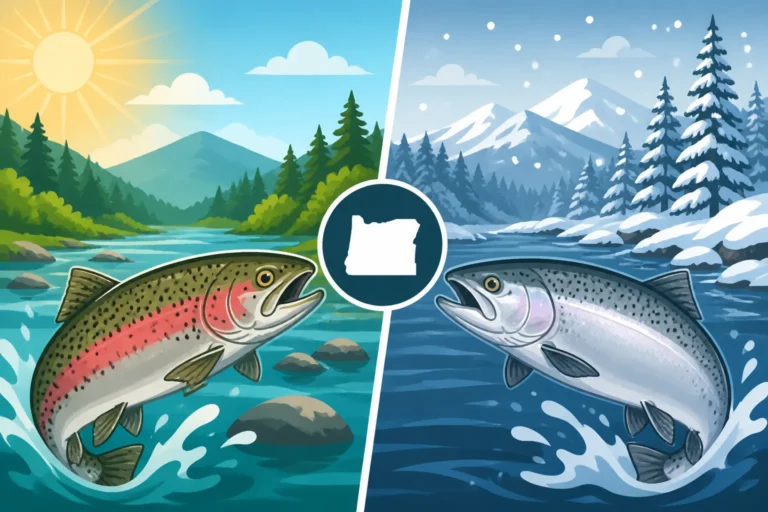
This powerful, instinctual drive to return to freshwater is genetically coded. Once they re-enter freshwater, salmon cease feeding. Their entire focus shifts to their reproductive mission. They navigate rapids, leap waterfalls, and battle strong currents, all while their bodies undergo dramatic transformations. Many develop vibrant spawning colors—bright reds, greens, and browns—and males often develop a pronounced hooked jaw, known as a "kype," used in competition for mates. Their flesh, once rich with omega-3 fats, begins to break down, fueling their journey.
Upon reaching their spawning grounds, females will use their tails to dig depressions in the gravel beds, called "redds," where they deposit their eggs. Males then fertilize these eggs. This process, often repeated multiple times over several days, is the culmination of their entire life's purpose. It’s a spectacular, albeit exhausting, display of nature's raw power and design. For a glimpse into how these incredible fish reproduce, checking out information like How can you tell male and female salmon apart can be really insightful.
Semelparity vs. Iteroparity: The Big Divide in Salmon Reproduction
When we talk about salmon dying after spawning, we're really getting into the core of their reproductive strategies. Not all fish approach reproduction the same way, and this is where the terms "semelparous" and "iteroparous" come into play.
Semelparous Salmon: The Ultimate Sacrifice
Most of the Pacific salmon species found in Oregon—Chinook (King), Coho (Silver), Sockeye (Red), Chum (Dog), and Pink (Humpy) salmon—are semelparous. This means they undertake a single, massive reproductive effort and then die shortly after spawning. It's a one-and-done deal, a final, monumental push to ensure the next generation.
Once these salmon enter freshwater, their bodies rapidly deteriorate. They stop eating, relying entirely on stored energy. The physical changes they undergo, like the development of the kype and vibrant colors, are temporary and designed solely for spawning. After they successfully lay and fertilize eggs, their immune systems weaken significantly, their organs begin to fail, and they become highly susceptible to fungal infections and disease. Within days or weeks of completing their spawning duties, these magnificent fish will die. You’ll often see their carcasses strewn along riverbanks or floating in eddies, becoming part of the very ecosystem they helped to create. While it might seem sad to witness, this death isn't a failure; it's a critical component of their life strategy and a massive nutrient boost for the river system.
For anglers, it's important to recognize these post-spawn fish. Their flesh is typically pale, soft, and unappetizing due to the rapid breakdown of their body tissues. Catching and releasing them at this stage is generally encouraged, as they’ve already fulfilled their purpose, and their meat isn’t suitable for consumption anyway. Remember to always consult Oregon Fishing Regulations Explained for specific rules regarding catch and release.
Iteroparous Salmon: A Second Chance at Life
In contrast to their semelparous cousins, some salmonids are iteroparous, meaning they have the ability to spawn multiple times throughout their lives. The prime example of an iteroparous anadromous fish in Oregon is the steelhead, which is essentially a sea-run rainbow trout.
Steelhead, unlike Pacific salmon, often survive their first spawning journey. After depositing their eggs and milt, they may recover and return to the ocean to feed and regain their strength, a process that can take a year or more. These "kelts" or "spent fish," as they are called, are often emaciated and weak immediately after spawning, but their bodies retain the capacity for recovery. Some steelhead may make two, three, or even more spawning runs over their lifetime.
This difference in reproductive strategy highlights a fascinating evolutionary divergence. While semelparous Pacific salmon invest all their energy into one massive reproductive event, steelhead spread their reproductive efforts over several years, potentially increasing their chances of successful reproduction if conditions are poor in any given year. Spotting a kelt can be a unique experience, and while they are often not targeted by anglers for food, their resilience is truly remarkable.
| Feature | Semelparous (Pacific Salmon) | Iteroparous (Steelhead) |
|---|---|---|
| Reproductive Cycle | Spawns once, then dies | Can spawn multiple times over its lifespan |
| Post-Spawn Fate | Death, body decays, provides nutrients to ecosystem | May return to ocean to recover and spawn again |
| Energy Allocation | Massive, single investment in reproduction | Spreads reproductive effort over multiple years |
| Examples in Oregon | Chinook, Coho, Sockeye, Chum, Pink Salmon | Steelhead (sea-run Rainbow Trout) |
| Body Condition Post-Spawn | Rapid deterioration, pale flesh, fungal infections | Emaciated but capable of recovery, may regain health |
| Angling Considerations | Not typically targeted for consumption post-spawn | Can be targeted, often for catch-and-release, post-spawn |
The Ecological Role of Dying Salmon in Oregon's Ecosystems
While the death of salmon after spawning might seem like an end, it is, in fact, a crucial new beginning for countless other species and the entire river ecosystem. Their sacrifice isn't in vain; it's a biological imperative that fuels a vibrant and interconnected web of life.
Nutrient Cycling and Food Webs
When semelparous salmon die, their carcasses become an incredibly rich source of marine-derived nutrients for the freshwater and riparian (riverbank) environments. Think about it: these fish have spent years feeding and growing in the ocean, accumulating essential nutrients like nitrogen, phosphorus, and carbon that are scarce in many freshwater systems. When they return and die, they bring these vital marine nutrients inland.
These decomposing bodies are quickly consumed by a host of scavengers. Insects, bacteria, and fungi break down the flesh, making these nutrients available to the entire food web. Aquatic invertebrates thrive, providing food for juvenile salmon and other fish. Even the plants along the riverbanks, their roots soaking up the enriched soil, benefit immensely. Bears, eagles, osprey, coyotes, otters, and countless other wildlife species directly rely on the abundance of salmon carcasses as a critical food source, especially during the lean months of fall and winter. You can even find specialized fishing gear and books on Amazon that delve into the fascinating ecology of salmon and their rivers, truly showcasing the depth of this interconnectedness. This annual influx of nutrients literally fertilizes the forest, connecting the ocean, river, and terrestrial environments in a profound ecological cycle.
Habitat Improvement and Future Generations
Beyond providing direct sustenance, the dying salmon contribute to habitat improvement. As females dig their redds, they inadvertently loosen and clean the gravel, which helps create better conditions for the eggs of future generations. The decomposition process itself can alter water chemistry and provide microhabitats.
The sheer volume of returning salmon, and their subsequent death, is a sign of a healthy river system. It’s a powerful indicator that the ecosystem is functioning as it should, with all its parts intertwined. By fueling the food web, these dying salmon indirectly support the very survival and growth of the next generation of salmon and steelhead. Without this incredible cycle, many of Oregon's iconic rivers and the diverse wildlife that depend on them would be significantly poorer. Anglers following Oregon Fishing Season Dates and Limits often witness this cycle firsthand, understanding that healthy runs mean a healthy ecosystem for years to come.
What Anglers See and Do: Respecting the Cycle
As anglers, we often spend a lot of time on or near the water, and witnessing the salmon's final journey is a common experience. Understanding what you're seeing and how to react ethically is a vital part of being a responsible steward of Oregon's fisheries.
Spotting Spawning Salmon and Post-Spawn Fish
When you're out on an Oregon river, especially during the fall and winter months, you might encounter actively spawning salmon. These fish are typically vibrant in color, actively defending their redds, and often seen in pairs. The females will be digging, and the males will be close by, sometimes battling other males for access. It’s a spectacular sight, and often easily identifiable.
In contrast, post-spawn or "spent" fish are quite different. These are the salmon, especially the semelparous Pacific salmon, that have completed their spawning duties and are now in the process of dying. They often appear emaciated, with pale, dull, or blotchy skin, sometimes with visible fungal patches. Their fins might be tattered, and their movements sluggish. They might be floating listlessly or lying on the bottom, barely reacting to your presence. Recognizing these differences is important for ethical angling. Many anglers who are serious about their craft will carry polarized sunglasses (which you can easily find on Amazon) to help them see through the glare and observe these important behaviors without disturbing the fish.
Handling Post-Spawn Salmon
The general consensus among ethical anglers and conservationists is to avoid targeting actively spawning salmon. These fish are solely focused on reproduction, and disturbing them can jeopardize the success of their efforts. Give them space and appreciate the natural spectacle from a distance.
When it comes to post-spawn, dying salmon, especially the semelparous species, most anglers will also leave them alone. As mentioned, their flesh is no longer suitable for consumption; it’s soft, mushy, and has lost all its desirable qualities. If you accidentally hook one, release it as gently and quickly as possible without taking it out of the water if you can help it. The goal is to minimize any further stress to a fish that is already at the end of its life cycle. Steelhead kelts, on the other hand, can be legally targeted for catch-and-release, as they have the potential to recover and spawn again. However, their condition will be poor, and they should also be handled with extreme care to give them the best chance of survival. Always double-check the Oregon Catch-and-Release Rules to ensure you're compliant with regulations. It’s all about respecting the fish and the crucial role they play in the river's ecosystem, regardless of their immediate condition.
Disclaimer
This article is for general informational purposes only and does not constitute professional advice. Laws, prices and regulations vary by location and change over time. Consult a qualified professional for guidance on your specific situation.