What is the minimum length to keep a tiger muskie in Oregon
One common source of confusion for anglers, especially when targeting unique or less common species, is understanding the specific regulations that apply. You might be gearing up for a trip to a lake known for its tiger muskie and wonder if you can actually keep one if you're lucky enough to hook into a legal-sized fish. This guide will walk you through the precise minimum length requirements for keeping a tiger muskie in Oregon, explain why these rules are in place, and offer practical advice for responsible angling.
Understanding Oregon's Approach to Tiger Muskie Regulations
Tiger muskie are a fascinating hybrid species, a cross between a northern pike and a muskellunge, known for their aggressive strikes and impressive size. In Oregon, these fish are not native; they were introduced in specific waters to help manage populations of nuisance fish like northern pikeminnow and to offer a unique, trophy-level fishing opportunity. Because they are not native to Oregon, the regulations surrounding tiger muskie are often quite distinct from those for native salmon, steelhead, or trout. These rules are carefully crafted to balance recreational fishing opportunities with broader ecological management goals, ensuring that while you can enjoy the thrill of the catch, you're also contributing to the health of Oregon's aquatic environments. It's crucial for every angler to understand the nuances of these regulations before heading out, especially for a species like tiger muskie that plays a particular role in the ecosystem where it resides.
The Specific Regulation: Minimum Length for Keeping Tiger Muskie
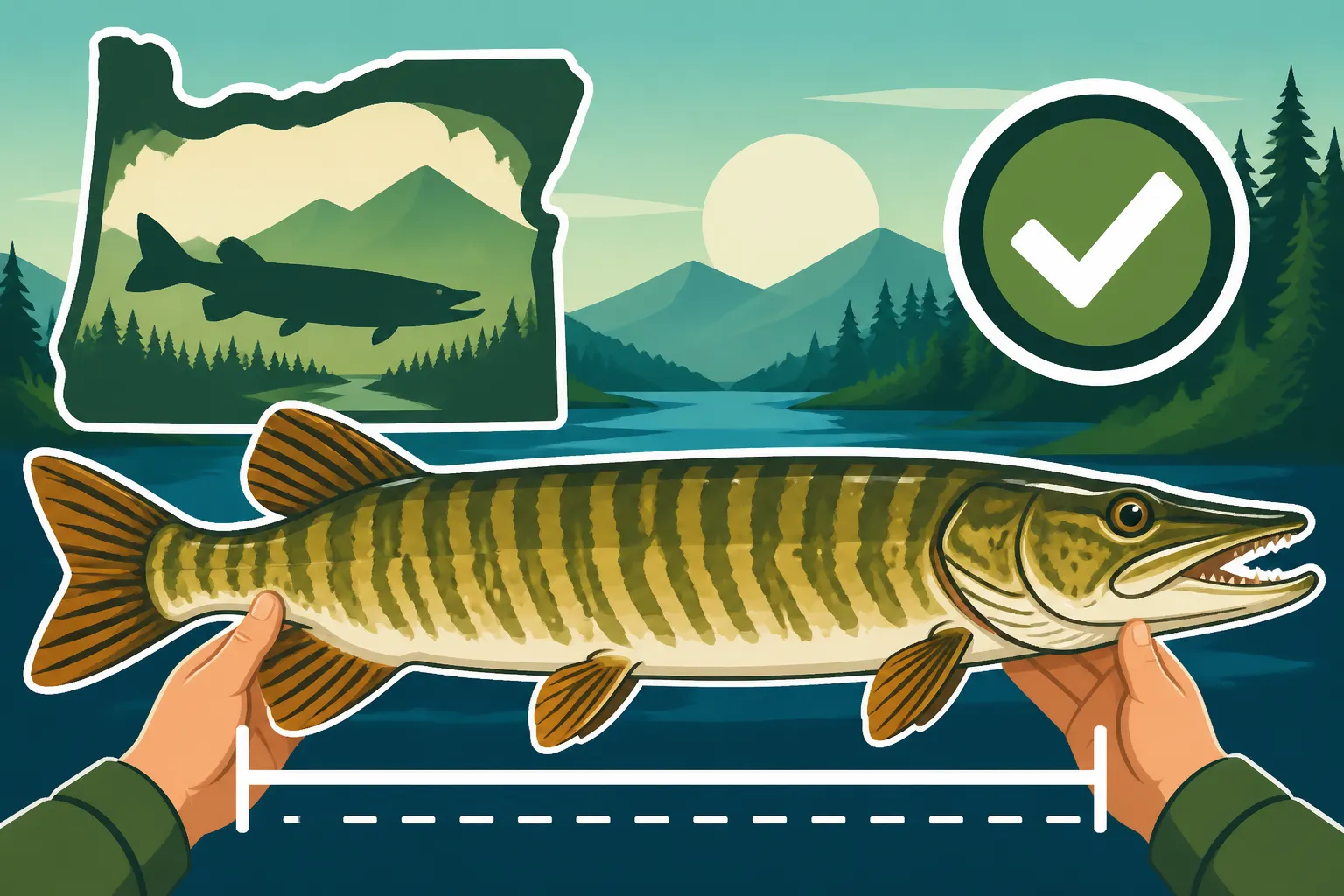
When it comes to keeping a tiger muskie in Oregon, there's a very clear rule you need to commit to memory, particularly if you're fishing in places like Lake Billy Chinook where they've been successfully established. The minimum length to retain a tiger muskie in Oregon is 24 inches. This isn't just a suggestion; it's a hard and fast rule. If you catch a tiger muskie that measures less than 24 inches from the tip of its nose to the tip of its tail, it must be immediately released unharmed.
This specific length isn't arbitrary. It's designed to allow these fish to grow to a substantial size, contributing to the trophy fishery aspect that makes them so popular. It also gives them time to mature and fulfill their role in the lake's ecosystem, particularly in controlling other fish populations. Remember, measuring precisely is key, and it's always best to err on the side of caution. If there's any doubt about whether your catch meets the 24-inch mark, the safest and most responsible action is to release it.
Beyond Length: Daily Bag Limits and Possession
While the minimum length is a critical piece of the puzzle, it's not the only regulation you need to be aware of when fishing for tiger muskie in Oregon. Anglers are also subject to daily bag limits and possession limits. For tiger muskie, the daily bag limit in Oregon is two fish. This means that within a single day of fishing, you can only keep a maximum of two tiger muskie that meet the 24-inch minimum length requirement.
The possession limit typically mirrors the daily bag limit, meaning you can't have more than two tiger muskie in your possession at any given time, whether that's in your cooler, at your campsite, or in your vehicle, unless those fish are properly processed (e.g., filleted and frozen) and clearly labeled from a previous day's catch, and you are not actively fishing. These limits are in place to prevent overharvesting and to distribute the fishing pressure across the population, ensuring sustainable angling for everyone. Always check the most current Oregon Fishing Regulations Explained booklet or the Oregon Department of Fish and Wildlife (ODFW) website for any updates, as regulations can sometimes change. Also, don't forget that an Oregon Combined Angling Tag Guide is often required in addition to your standard fishing license to pursue certain species, including tiger muskie in specific locations.
Why These Specific Regulations are in Place
Understanding the "why" behind fishing regulations can make them much easier to follow and appreciate. For tiger muskie in Oregon, the regulations aren't just about controlling angler behavior; they're deeply rooted in ecological management and the creation of a unique recreational fishery. These hybrid predators serve a specific purpose in the waters where they've been introduced, and their regulations are designed to help them achieve that purpose while providing an exciting challenge for anglers.
Management Goals for Non-Native Species
Tiger muskie were introduced into Oregon's Lake Billy Chinook with a very clear management objective: to control burgeoning populations of certain warmwater fish, particularly the northern pikeminnow, which can prey heavily on juvenile salmon and steelhead. By establishing a healthy, self-sustaining population of a top-tier predator like the tiger muskie, ODFW aimed to create a biological control mechanism. The 24-inch minimum length regulation supports this goal by allowing the muskie to grow large enough to be effective predators. Larger muskie consume more prey, and by protecting the smaller fish, the regulation ensures a robust population of these piscivores can mature and perform their ecological function. It's a prime example of how carefully planned introductions of non-native species can sometimes benefit a specific ecosystem when managed correctly. You can learn more about general fish species management in the Oregon Fish Species Guide.
Preventing Unintended Ecological Impact
While tiger muskie serve a beneficial purpose in certain Oregon waters, there's always a careful balance to strike when introducing a non-native species. Regulations like the minimum length and bag limits also serve to prevent any unintended negative ecological impacts. By controlling the number of fish that can be kept, and ensuring they reach a certain size, the state can monitor their population dynamics. This prevents them from becoming too dominant or spreading into areas where they might negatively impact native fish populations that are not targeted for reduction.
The regulations also help manage the overall health and size structure of the muskie population itself. Allowing fish to grow large supports a trophy fishery, which attracts anglers, but it also means those larger fish are more effective predators. If anglers were allowed to keep any size or an unlimited number, it could deplete the stock of effective predators, undermining the initial management goal. Therefore, these rules are a delicate act of environmental stewardship, aiming for the perfect equilibrium between angler enjoyment and ecosystem health.
Practical Application and What to Do on the Water
Knowing the rules is one thing, but applying them accurately and responsibly when you're out on the water, especially when dealing with a powerful and toothy fish like a tiger muskie, is another challenge entirely. Proper handling and measurement are crucial not only for compliance but also for the health of the fish you intend to release.
Measuring Your Catch Accurately
When you land a tiger muskie, the first step, after safely unhooking it, is to measure it to determine if it meets the 24-inch minimum length. Here’s how to do it correctly:
- Use a Reliable Measuring Device: A sturdy, flat measuring board is ideal, often available at tackle shops or online at retailers like Amazon. Soft, flexible tape measures can be inaccurate if the fish isn't perfectly straight.
- Handle the Fish Gently: Muskie are powerful. If possible, keep the fish in the water while measuring. If you must bring it aboard, use a large, rubberized landing net or a cradle to support its entire body. Avoid holding it vertically by the jaw for extended periods, as this can cause internal damage.
- Lay it Flat: Place the fish flat on the measuring device. Ensure its mouth is closed and pressed against the start of the ruler or against the bumper on the measuring board.
- Pinch the Tail: Gently pinch the tail lobes together to get the maximum length. The measurement is taken to the end of the longest tail fin ray.
- Read the Measurement: Clearly read the measurement. If it's 24 inches or greater, and you wish to keep it, you may. If it's even a hair under, it's a release.
Always prioritize the fish's safety. If the measurement process is causing undue stress or injury, it’s best to quickly assess, and if in doubt, release it. You can find more tips on safe handling in our guide on Oregon Catch-and-Release Rules.
The Importance of a Fish Handling Plan
Whether you plan to keep a legal-sized tiger muskie or release an undersized one, having a handling plan is paramount. These fish have sharp teeth and can be quite feisty, so safety for both angler and fish is key.
- Tools Ready: Have long-nosed pliers, jaw spreaders, and bolt cutters (for stubborn hooks) easily accessible. A large, knotless, rubberized net is also invaluable for landing and containing the fish safely.
- Minimize Out-of-Water Time: Every second a fish spends out of water adds stress. Measure, photograph (if desired), and release as quickly as possible.
- Proper Release Technique: For fish that need to be released, gently place them back in the water, supporting their belly. Allow them to regain strength before letting them swim off on their own. Sometimes gently moving them back and forth (while still in the water) can help circulate water over their gills, aiding recovery.
A well-executed handling plan minimizes stress and injury, giving released fish the best chance of survival, and ensures you're fishing ethically and within the spirit of conservation.
Related Regulations and Practical Considerations for Muskie Anglers
Fishing for tiger muskie isn't just about the length and bag limits; it also involves understanding where you can find them, what gear works best, and how your efforts contribute to broader conservation goals. These additional considerations are vital for a successful and compliant fishing trip in Oregon.
Specific Waters Where Tiger Muskie are Found
In Oregon, tiger muskie are primarily found in Lake Billy Chinook, located in Central Oregon. This reservoir, formed by the confluence of the Deschutes, Crooked, and Metolius rivers, is the stronghold for these introduced predators. Their presence here is a success story in balancing ecological management with recreational opportunities. While they are a non-native species, their introduction was strategic to help control invasive species like the northern pikeminnow, which can negatively impact native salmon and steelhead populations.
Anglers specifically target Lake Billy Chinook for tiger muskie, and it’s become a destination for those seeking the thrill of catching these large, aggressive fish. It's important to understand that you won't find significant populations of tiger muskie in other Oregon waters, so planning your trip around Lake Billy Chinook is essential if this is your target species. You can find more detailed information on this specific location in our Lake Billy Chinook Fishing Guide. Always confirm local regulations for any particular arm or section of the lake, as rules can sometimes vary slightly.
Recommended Gear for Muskie Fishing
Tiger muskie are powerful fish, so your gear needs to be up to the task. Using undersized or flimsy equipment can lead to lost fish, broken tackle, and even harm to the fish if a prolonged fight exhausts them. Here’s a breakdown of essential gear:
- Rods and Reels: A heavy-action casting rod (7-9 feet) paired with a robust baitcasting reel is typically recommended. Look for reels with strong drag systems and high line capacity. Many reputable brands offer specialized muskie gear.
- Line: You'll want strong braided line, often 60-100 lb test, for its abrasion resistance and no-stretch properties.
- Leaders: A heavy fluorocarbon or wire leader is absolutely essential. Muskie have incredibly sharp teeth that can easily slice through standard monofilament or fluorocarbon line. Leaders should be at least 100 lb test.
- Lures: Muskie are known for chasing large baits. Popular choices include large bucktail spinners, jerkbaits, glide baits, and swimbaits. Brands like Joe Bucher Outdoors, Musky Mania, and Rapala make excellent muskie lures. You can find a wide variety of these specialized lures and tackle on platforms like Amazon. Having a variety of lure types and colors can make a big difference, so it’s wise to explore options on Amazon before your trip.
- Landing Net: A large, rubberized landing net designed for muskie or large pike is critical for safely landing and handling these fish. This prevents injury to the fish (and yourself) and makes measuring and unhooking much easier. A good quality net is an investment you won’t regret, and many anglers source these from Amazon for convenience.
- Tools: As mentioned before, long-nosed pliers, jaw spreaders, and bolt cutters are indispensable for safe hook removal.
Investing in the right gear not only increases your chances of success but also ensures you can handle these magnificent fish responsibly, whether you keep them or release them. For more general advice on fishing tackle, check out Oregon Bait and Lure Guide.
Reporting Your Catch and Why it Matters
While not always a mandatory requirement for every species, voluntarily reporting your tiger muskie catches, especially the larger ones, can be incredibly valuable for fisheries managers. When you share details about the size, location, and even the method of your catch, you provide ODFW with crucial data points. This information helps them:
- Monitor Population Health: Tracking catch rates and the size distribution of fish helps assess the health and abundance of the tiger muskie population.
- Evaluate Management Strategies: Data from anglers can indicate whether current regulations, like the 24-inch minimum length, are effectively achieving management goals (e.g., controlling pikeminnow or creating a trophy fishery).
- Inform Future Decisions: Long-term data trends can inform future regulation changes, stocking programs, or habitat enhancement efforts, ensuring sustainable fishing opportunities for years to come.
Many anglers are active on online forums and local fishing groups where they share their experiences. While informal, these communities also contribute to a collective knowledge base that benefits everyone. Consider sharing your success stories (and photos!) with ODFW through their official channels or by participating in any angler surveys they might conduct. Your contribution helps ensure the continued health and enjoyment of Oregon's unique tiger muskie fishery.
Key Regulations for Tiger Muskie in Oregon
To help you keep track of the most important regulations for tiger muskie fishing in Oregon, here's a quick summary. Remember, always consult the official ODFW regulations for the most current and specific information, as rules can change.
| Regulation Category | Specific Rule for Tiger Muskie in Oregon (Lake Billy Chinook) | Notes |
|---|---|---|
| Minimum Length | 24 inches | Fish under 24 inches must be immediately released unharmed. Measure from tip of nose to tip of tail, pinching tail lobes together. |
| Daily Bag Limit | 2 fish | You may keep up to two legal-sized tiger muskie per day. |
| Possession Limit | 2 fish | You may not possess more than two legal-sized tiger muskie, unless properly processed and labeled from a previous day's catch and you are not actively fishing. |
| Location | Primarily Lake Billy Chinook | This is the main water body where tiger muskie are found and targeted in Oregon. Ensure you're familiar with Best Lakes to Fish in Oregon for more details. |
| License Required | Valid Oregon Angling License | Anglers must possess a valid Oregon fishing license for their age and residency status. See Oregon Fishing License Guide or Oregon Fishing License Types Explained. |
| Additional Tags | Combined Angling Tag | Often required in addition to your license for certain species, including tiger muskie in specific designated waters. Check Oregon Combined Angling Tag Cost for current pricing. |
| Fishing Method | Check local regulations | While general angling methods apply, always verify specific gear restrictions or bait limitations for Lake Billy Chinook in the current year's sport fishing regulations. |
This table provides a snapshot, but it's no substitute for reading the full regulatory document. Consider it a handy reminder of the core rules for responsible and legal tiger muskie fishing in Oregon.
Conclusion
Navigating the regulations for specific fish species, especially unique ones like the tiger muskie, can feel a bit daunting at first. But by understanding that the minimum length of 24 inches and a daily bag limit of two fish are in place for sound ecological reasons and to support a fantastic trophy fishery in Lake Billy Chinook, it all starts to make sense. Being a responsible angler means not only respecting these rules but also understanding the careful balance they maintain within Oregon's diverse aquatic environments.
Always remember to obtain the correct Oregon Fishing License Costs and any necessary tags, measure your catches accurately, handle fish with care, and stay informed by checking the latest regulations. Your diligence ensures that future generations of anglers can also experience the thrill of battling a magnificent tiger muskie in Oregon's beautiful waters. Tight lines!
Disclaimer
This article is for general informational purposes only and does not constitute professional advice. Laws, prices and regulations vary by location and change over time. Consult a qualified professional for guidance on your specific situation.