Are Oregon sturgeon dangerous to handle?
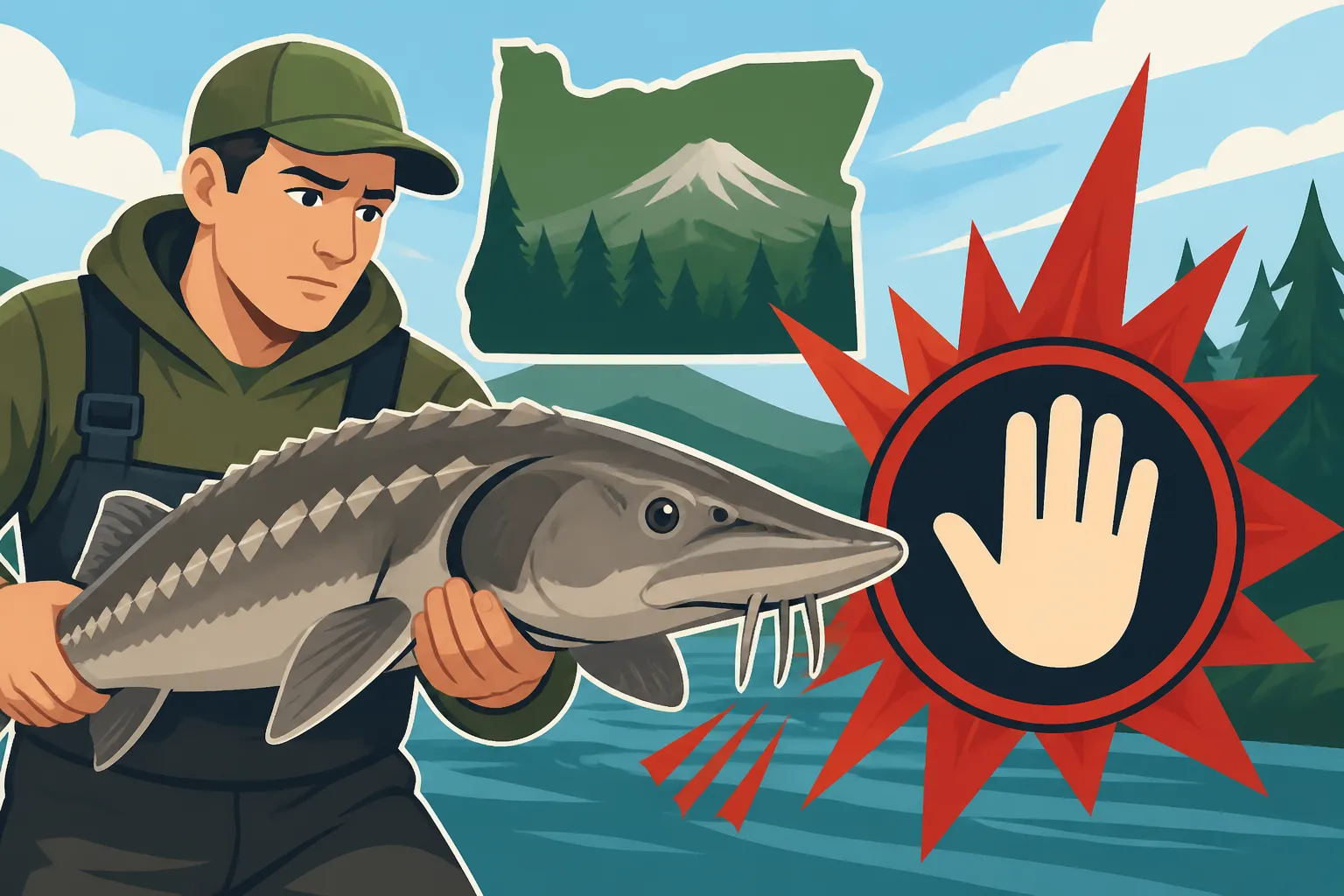
It’s completely understandable to feel a pang of apprehension, maybe even a little fear, when you hook into an Oregon sturgeon. These magnificent fish are truly ancient and can reach jaw-dropping sizes, making even experienced anglers wonder if they’re getting into something dangerous. But let me tell you, while their sheer power demands respect, Oregon sturgeon aren’t inherently dangerous creatures looking to cause harm. This guide will help you understand these gentle giants, what precautions to take, and how to safely handle and release them, ensuring a great experience for both you and the fish.
Understanding Oregon Sturgeon: Gentle Giants or River Monsters?
When you talk about sturgeon, especially the White Sturgeon that graces many of Oregon's waters, people's imaginations often run wild. And honestly, it's not hard to see why. These fish look like they swam straight out of the Jurassic period, all armor-plated and massive. The thought of bringing something so large and powerful into your boat or up to the shore can certainly be intimidating.
The Sheer Size and Power of White Sturgeon
Let's just get this out of the way: White Sturgeon are big. We're talking about fish that can easily stretch over six feet long, and some true giants can exceed ten feet and weigh hundreds of pounds. When you've got a fish like that on the end of your line, you're not just reeling in a trout. These are powerful, muscle-bound creatures capable of incredible bursts of speed and long, stubborn fights. They'll peel line off your reel with a vengeance, and when they thrash and leap, it's a sight to behold—and a good reminder of the raw power you're dealing with.
Many anglers have stories of being pulled around the boat or nearly losing their rod when a big sturgeon decides to make a run. This immense strength, combined with their size, is what often leads people to believe they might be dangerous. It's not about aggression, though; it's simply the natural power of a large, wild animal fighting for its freedom. It's a primal force, and respecting that force is the first step in safe handling. You can learn more about these incredible creatures in our White Sturgeon in Oregon guide.
Anatomy That Gives Pause: Scutes, Barbels, and Tail
Part of the reason sturgeon look so formidable comes down to their unique anatomy. They don't have scales like most fish; instead, their bodies are covered in rows of bony plates called scutes. These scutes run along their back and sides, giving them an armored appearance. While not razor-sharp, they can feel rough and pointy, especially on smaller fish, and could certainly scrape you if you're not careful. Think of them as nature's protective plating.
Then there are the barbels, four whisker-like protrusions that hang from their snout. These aren't for defense; they're sensory organs that help the sturgeon find food along the river bottom, sifting through mud and gravel. They're soft and harmless, but seeing them for the first time might add to the "alien" perception.
Finally, and perhaps most importantly when considering safety, there's the tail. A sturgeon's tail is incredibly powerful, designed to propel its massive body through strong currents. When a large sturgeon decides to give a mighty kick, that tail can deliver a significant blow. If you're too close or not paying attention, getting hit by a thrashing tail could definitely leave a bruise or worse. It’s not an attack, but a powerful defensive reflex. Knowing these features helps you anticipate potential contact points and approach the fish with appropriate caution.
Debunking the "Dangerous" Myth: Why Sturgeon Aren't Aggressive
Despite their intimidating appearance and impressive strength, sturgeon are far from being aggressive predators that will intentionally harm humans. The fear surrounding them often stems from misunderstanding their natural behavior and mistaking defensive actions for malicious intent. Let's clear up some common misconceptions.
Sturgeon Temperament: More Curious Than Combative
When you look at how sturgeon live and feed, you quickly realize they're not built for aggression. They are primarily bottom feeders, using those sensitive barbels to root around for invertebrates, small fish, and other tasty morsels in the mud and gravel. Their mouths are soft and protrusible, like a vacuum cleaner nozzle, designed for sucking up food rather than biting or tearing. They don't have sharp teeth; rather, they have bony plates in their jaws for crushing shells.
Their nature is generally docile. They aren't going to chase you down or try to bite you. Any perceived "danger" comes from their immense size and power when they're stressed, like when they're hooked or being handled. A sturgeon's thrashing is a pure instinctual reaction to being caught, a desperate attempt to escape, not an act of hostility. Compare that to some saltwater fish with venomous spines or freshwater species with razor-sharp teeth—sturgeon just don't fit that profile. They're more like big, bottom-dwelling puppies than river sharks.
The Real Risks: Accidental Injuries, Not Attacks
So, if sturgeon aren't out to get you, what's the fuss about? The "danger" lies in accidental injuries that can occur if you're unprepared or careless. The biggest risk, as mentioned, is getting hit by that powerful tail when the fish thrashes. This can happen particularly when you're trying to land, unhook, or measure a fish that's still got a lot of fight left. A tail whip can knock you off balance, especially in a boat, or give you a painful smack.
Other potential issues include scrapes from those rough scutes, especially if you're wrestling a fish bare-handed or dragging it awkwardly. Slipping on wet surfaces in a boat or on muddy riverbanks while handling a large, struggling fish is also a genuine concern. These aren't "sturgeon attacks"; they're common fishing accidents amplified by the size and strength of the fish. Think of it like wrestling a giant, slippery, muscular sack of potatoes—the risk is in the clumsy handling, not the potato's malice. With proper technique and a bit of respect for their power, these risks are greatly minimized.
Essential Safety Measures for Handling Oregon Sturgeon
Now that we've debunked the myth of the aggressive sturgeon, let's talk about how to approach these magnificent fish safely and responsibly. The key is preparation, the right gear, and understanding best practices that protect both you and the fish.
Gear Up for Safety: Gloves, Pliers, and Measuring Tape
Before you even cast a line for sturgeon, make sure you've got the right tools on hand. This isn't just about making the job easier; it's about minimizing risks for everyone involved.
First up, gloves. Heavy-duty fishing gloves are a must. Look for something that offers a good grip, puncture resistance (for those occasional hook mishaps, not sturgeon teeth!), and protection against scrapes from scutes. You can find excellent options, often featuring reinforced palms and fingers, on Amazon. A good pair of gloves gives you confidence and control when handling a slippery fish.
Next, long-nose pliers or hook removers. Sturgeon often swallow hooks deep, and trying to get a hook out with your bare fingers is a recipe for a poked digit—and unnecessary stress for the fish. Long pliers allow you to reach in, grasp the hook, and twist it free quickly and safely. Some anglers prefer specific hook removers designed for larger, tougher hooks.
Finally, a flexible measuring tape. Since many sturgeon regulations involve slot limits (meaning you can only keep fish within a certain size range, and most fishing is catch-and-release anyway), you'll need to measure your catch. A soft, flexible tape measure is ideal for getting an accurate reading on a large, potentially wriggling fish without causing injury. It's often helpful to mark increments on your boat or a designated measuring board to make this process even faster. Having all this gear readily accessible helps you handle the situation efficiently once you've landed your fish.
Best Practices for Landing and Unhooking
Bringing a large sturgeon to the boat or shore requires strategy and patience. Rushing the process increases the risk of injury to both you and the fish.
- Tire the Fish: Don't try to horse a green (untired) sturgeon to you. Let it run, let it fight, and use your rod and reel to slowly wear it out. A tired fish is a much safer fish to handle.
- Keep it in the Water: Whenever possible, especially with larger fish, keep the sturgeon in the water while unhooking and measuring. This is the absolute safest approach for the fish, and it drastically reduces the chances of you getting hit by a tail or slipping. If you're in a boat, try to guide the fish alongside. From the bank, bring it into shallow water.
- Use a Cradle or Sling: For bigger sturgeon, a specialized sturgeon cradle or heavy-duty sling is an invaluable tool. These allow you to gently lift the fish partially out of the water for quick measurement or a photo, providing full body support and keeping the fish calm. Many experienced guides on the Columbia River Salmon Guide Trips use these religiously.
- Unhook Quickly: Once the fish is secure (either in the water or a cradle), use your long-nose pliers to remove the hook. If the hook is deeply embedded and you can't remove it without causing significant trauma, it's often better to cut the line as close to the hook as possible. Hooks will eventually corrode and fall out, and attempting a prolonged, forceful removal can be more damaging.
- Stay Clear of the Tail: Even when the fish seems tired, maintain awareness of its tail. Keep your body positioned so that if it does thrash, you're not in the line of fire. Sometimes it helps to have one person gently hold the tail while another unhooks, but only if you're both experienced and confident.
Safe Photography and Release Techniques
Everyone wants that trophy shot, but it's crucial to prioritize the sturgeon's well-being. These are long-lived fish, and a proper release ensures they continue to thrive.
If you absolutely must take the fish out of the water for a photo, keep it brief—think seconds, not minutes. Use a cradle or sling if available. For smaller sturgeon, you can lift them horizontally, supporting their entire body with both hands (one under the head, one under the tail). Never lift a sturgeon vertically by the head or tail, as this can severely damage its internal organs and spine.
When it's time to release, gently guide the sturgeon back into the water. If it seems sluggish, hold it upright in the current, facing upstream, allowing water to flow over its gills. You'll feel it regain strength and eventually give a strong kick to swim away. A successful release is just as rewarding as the catch itself. Don't forget that many of Oregon’s fishing regulations and conservation efforts are designed to protect these incredible species. Consult the Oregon Fishing Regulations Explained for detailed information on slot limits and handling requirements.
Legality and Conservation: Protecting Oregon's Sturgeon
Handling sturgeon safely isn't just about protecting yourself; it's profoundly about protecting these ancient and vulnerable fish. Oregon has specific rules in place to ensure their populations remain healthy for future generations. Understanding these regulations is a crucial part of responsible angling.
Catch-and-Release Regulations and Protected Status
For the vast majority of sturgeon fishing in Oregon, especially for the larger White Sturgeon, it's strictly catch-and-release. This isn't just a suggestion; it's a legal requirement. Why? Because sturgeon are incredibly slow-growing and long-lived, taking many years to reach maturity. Overfishing in the past led to significant population declines, and strict catch-and-release rules are vital for their recovery.
You'll often hear about "slot limits," which dictate that if retention is allowed at all (which is rare and highly regulated for White Sturgeon, typically for smaller "keeper" size fish in specific areas or seasons), it's only for fish within a very narrow size range. Fish that are too small or, more importantly, too large must be released immediately and unharmed. Those massive, ancient "oversize" sturgeon are the prime breeders, the backbone of the population, and their protection is paramount. Always double-check the current Oregon Fishing Regulations Explained before heading out, as these rules can change based on scientific assessments of the fish populations.
Ethical handling is not just a courtesy; it's a conservation imperative. Every released fish needs to swim away healthy to ensure the species thrives. This means minimizing their time out of water, gentle unhooking, and proper revival before release.
Reporting and Resources for Responsible Anglers
Being a responsible angler means staying informed. The Oregon Department of Fish and Wildlife (ODFW) is your go-to resource for all current regulations, seasons, and any emergency closures. Their website is regularly updated, and you can often find a physical copy of the regulations booklet at bait shops, sporting goods stores, and sometimes even local Amazon lock-up locations for order pickup.
It's a good habit to review the ODFW regulations before each fishing trip, as specific rules for certain rivers or bodies of water can change throughout the year. For instance, the regulations on the Columbia River might differ significantly from those on a smaller tributary. Pay close attention to any special endorsements you might need, such as the Oregon Columbia River Basin Endorsement, if you plan to fish those waters.
If you observe any suspicious activity or potential violations of fishing regulations, reporting them to ODFW is part of protecting our fisheries. They rely on the public's help to monitor and enforce conservation efforts. Responsible anglers are the best stewards of Oregon's natural resources.
Here's a quick comparison of potential risks and how to manage them:
| Potential Risk from Sturgeon | Why it Happens | Safety Measure / Prevention | Relevant Gear |
|---|---|---|---|
| Tail Whip | Fish thrashing instinctively when stressed or landed | Maintain awareness, keep clear of tail arc, tire fish thoroughly, keep in water if possible | Sturdy gloves |
| Scrapes from Scutes | Rough bony plates on body brushing against skin during handling | Use gloves, avoid dragging fish, lift with full body support | Heavy-duty fishing gloves (e.g., from Amazon) |
| Hook Puncture | Fish swallowing hook deeply, struggling during unhooking | Use appropriate tools, avoid bare-hand hook removal, cut line if necessary | Long-nose pliers, hook removers |
| Slipping/Falling | Wet deck/bank, struggling fish causing imbalance | Wear non-slip footwear, maintain stable footing, work slowly | Non-slip boots, secure boat footing |
| Fish Stress/Injury | Improper handling, prolonged time out of water | Keep fish in water, use cradles, support entire body, unhook quickly | Sturgeon cradle/sling, measuring tape |
In conclusion, the idea that Oregon sturgeon are dangerous to handle is largely a myth born from their impressive size and power. These are not aggressive fish; their "danger" stems from the potential for accidental injury if you're not prepared or don't know how to handle them correctly. By understanding their behavior, using the right gear (a good pair of gloves is always a wise purchase, perhaps from Amazon!), and following responsible handling techniques, you can enjoy the incredible experience of catching and safely releasing these magnificent living fossils without worry. Respect the fish, respect the regulations, and you'll have a memorable and safe time on Oregon's waters.
Disclaimer
This article is for general informational purposes only and does not constitute professional advice. Laws, prices and regulations vary by location and change over time. Consult a qualified professional for guidance on your specific situation.