How to identify a hatchery Chinook versus wild Chinook
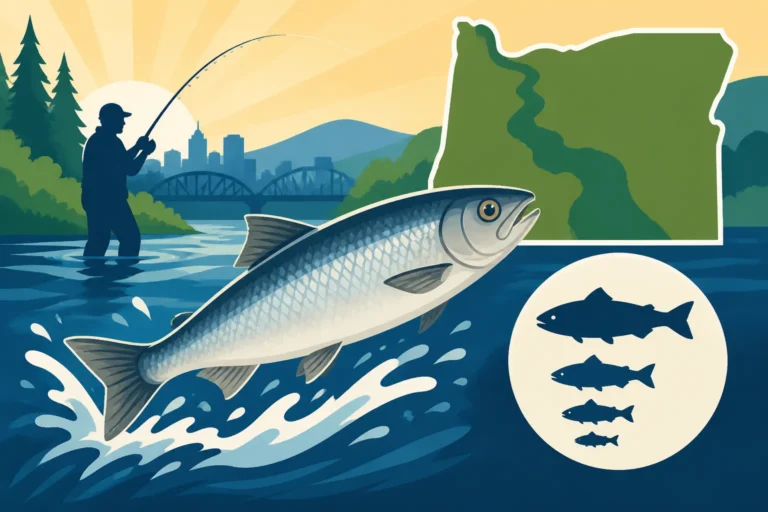
There's nothing quite like the thrill of a powerful Chinook salmon hitting your line in an Oregon river, but once you've successfully brought that magnificent fish to hand, a crucial question immediately arises: is it a hatchery fish or a wild one? Knowing the difference isn't just a matter of curiosity; it's absolutely fundamental to adhering to fishing regulations, contributing to conservation efforts, and ensuring the health of our precious salmon populations. This guide will walk you through the clear visual cues that distinguish hatchery Chinook from their wild counterparts, helping you make informed decisions on the water and fish responsibly.
The Critical Difference: Why Identification Matters
The distinction between a hatchery-reared Chinook and a wild-spawned Chinook salmon is far more than just academic; it has profound implications for both the fish and for you as an angler. Oregon's fisheries management relies heavily on these distinctions to protect vulnerable wild runs while allowing for sustainable harvest opportunities for hatchery-produced fish. Getting it wrong can lead to unintended consequences, both for conservation and potentially for your fishing trip.
Conservation Efforts and Wild Fish Protection
Imagine these incredible wild Chinook, battling their way upstream, sometimes hundreds of miles, to return to the very gravel beds where they hatched years ago. These fish are the genetic backbone of future generations, carrying adaptations crucial for survival in their specific river systems. When we protect wild salmon, we're not just protecting a species; we're safeguarding an entire ecosystem and a natural legacy that stretches back millennia. That's why strict regulations are in place to ensure that these wild populations can reproduce successfully without undue pressure from fishing.
Hatcheries, while invaluable for supplementing fish populations and providing harvest opportunities, can sometimes unintentionally impact wild stocks. For instance, hatchery fish might compete with wild fish for resources, or interbreed, potentially diluting the genetic fitness of wild populations. Therefore, management strategies often aim to minimize interaction and protect wild fish as much as possible, making accurate identification on the river essential. Understanding What is the difference between hatchery and wild fish in Oregon is a key step for any angler committed to responsible fishing.
Fishing Regulations and Bag Limits
This is where the rubber meets the road for anglers. In many Oregon waterways, specific regulations dictate whether you can retain a Chinook salmon based on whether it's a hatchery or a wild fish. You might find zones where only hatchery fish can be kept, or where wild fish must be immediately released. These rules are designed to give wild populations the best chance to spawn and thrive, while allowing anglers to enjoy the sport and take home hatchery fish.
For example, you might be fishing a river where the daily bag limit allows for two hatchery Chinook, but all wild Chinook must be released unharmed. If you mistakenly keep a wild fish, even by accident, you could face significant penalties. This isn't about being punitive; it's about protecting a resource that is already facing numerous challenges. Having a clear understanding of these regulations, often found in the Oregon Fishing Regulations Explained booklet, is your responsibility before you even cast a line. This awareness ensures you're fishing legally and ethically, contributing positively to the resource rather than inadvertently harming it.
Visual Cues: How to Spot a Hatchery Chinook
The most reliable way to tell a hatchery Chinook from a wild one is to look for a specific fin clip. While other characteristics can offer clues, the clipped fin is the definitive marker. This is a practice widely used by fisheries managers to identify fish that originated from a hatchery.
The Adipose Fin: The Primary Identifier
The adipose fin is a small, fleshy fin located on the back of the fish, between the dorsal fin and the tail fin. It looks a bit like a small, soft stub, and unlike the other fins, it doesn't contain any rays. For Chinook salmon released from most Oregon hatcheries, this adipose fin is removed shortly after they hatch, usually when they are very small. This procedure is painless for the young fish and is a universal marking technique.
When you land a Chinook, your first move (after ensuring the fish is handled carefully) should be to check for this fin.
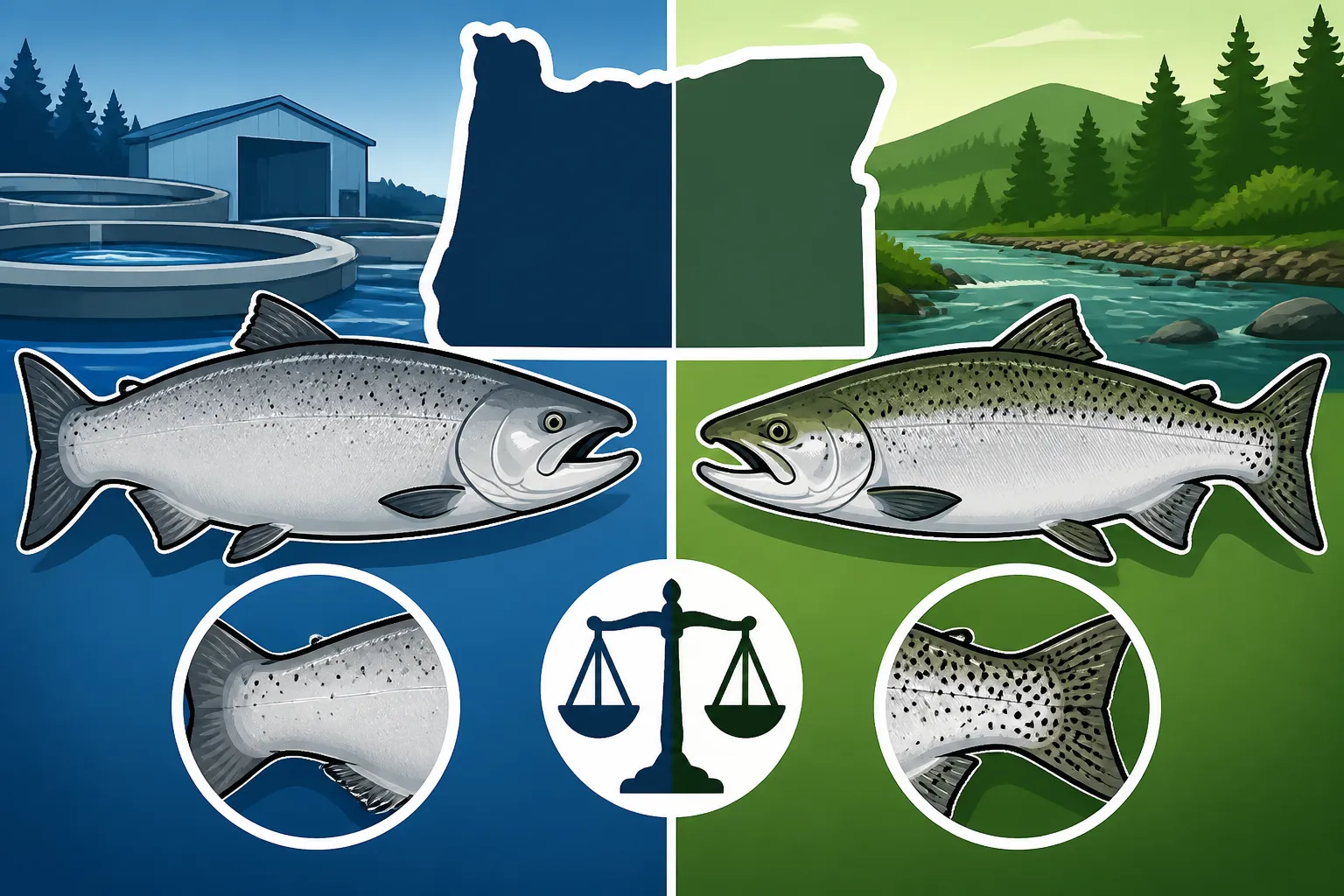
- Hatchery Chinook: A hatchery fish will have a cleanly clipped adipose fin. What you'll see isn't just a torn fin, but a smooth, healed scar or a complete absence of the fin where it should be. It will be very obvious. Sometimes, especially with older fish, the skin may have grown over slightly, but the clear absence of the fin will still be unmistakable. It's a precise cut, not a jagged tear from an injury.
- Wild Chinook: A wild Chinook will have a fully intact adipose fin. It will be present and look natural, just like all its other fins. No scarring, no missing stub. It's truly that simple. This is the single most important visual cue to remember when you're on the water. This method of identification is critical for following Oregon Catch-and-Release Rules for wild fish. You might even find it helpful to have a laminated fish identification guide on hand, perhaps one you ordered from Amazon, for quick reference.
Other Subtle Physical Indicators
While the adipose fin clip is the go-to, there are a few other, more subtle clues that can sometimes suggest whether a Chinook is of hatchery or wild origin. These are not definitive on their own and should always be secondary to checking the adipose fin, but they can contribute to your overall assessment.
- Fin Condition: Hatchery fish often grow up in crowded raceways and concrete ponds. This environment can sometimes lead to more frayed or worn fins (other than the clipped adipose) compared to wild fish that develop in natural river conditions. Their fins might appear a bit duller or less perfectly formed than the sharp, pristine fins of a wild fish. However, a wild fish can also get injured, so this is just a hint, not a rule.
- Body Shape and Coloration: This is much less reliable, as it can vary greatly depending on diet, age, and individual genetics, but sometimes hatchery fish might appear slightly more "bulky" or uniform in shape due to their consistent, high-protein diet in a controlled environment. Wild fish, constantly navigating currents and foraging in diverse conditions, might sometimes appear sleeker and more streamlined. Their coloration can also vary; wild fish often exhibit more vibrant and natural camouflage patterns, while hatchery fish might have slightly duller or more uniform tones. However, this is highly subjective and depends heavily on the specific hatchery and the natural environment. These differences are often more apparent to experienced anglers or biologists who handle many fish from a specific area.
The Look of a Wild Chinook: Untouched Beauty
Catching a wild Chinook salmon is a truly special experience, a testament to the enduring wildness of Oregon's rivers and coastline. These fish are magnificent creatures, perfectly adapted to their environment, and their appearance often reflects their natural journey.
Pristine Fins and Robust Appearance
A wild Chinook will boast a full set of fins, every single one of them, including that small, soft adipose fin, completely intact and often looking quite sharp and well-formed. There will be no signs of clipping, no healed scars. Their fins will likely show minimal wear, unless they've recently been battling their way through particularly rocky stretches or avoiding predators.
Beyond the fins, wild Chinook often exude a sense of raw power and natural beauty. Their scales might appear more iridescent, reflecting the specific minerals and light conditions of their natural habitat. Their bodies tend to be more torpedo-shaped, honed by years of navigating swift currents and migrating vast distances. They are truly athletes of the river. When you're holding a wild Chinook, you're holding a fish that has beaten incredible odds just to reach your line, and its appearance often tells that story of resilience and strength. This is why when you hook a wild fish, it's so important to practice Oregon Catch-and-Release Rules to ensure its survival.
Behavioral Differences and Habitat
While you can't see behavior in a still fish, understanding where and how fish behave can sometimes give you a preliminary hint, especially if you're very familiar with a specific fishing spot. Wild Chinook often favor particular types of holding water – deep pools with complex structure, swift current seams, or areas with natural cover. They are masters of their environment, using every advantage the river provides. Hatchery fish, on the other hand, especially those recently released, might sometimes be found in slightly different areas as they adjust to the wild.
When hooked, a wild Chinook often fights with an incredible, unyielding spirit. They might make powerful, prolonged runs, jump spectacularly, and use the current to their advantage, showcasing the strength they've developed in the wild. This isn't to say hatchery fish don't fight hard – they certainly do! – but many experienced anglers describe a discernible difference in the tenacity and calculated resistance of a truly wild fish. Understanding these nuances can enhance your Oregon Salmon Fishing Techniques and help you appreciate the incredible resilience of these fish.
What to Do When You Catch One: Handling and Compliance
So, you've landed a beautiful Chinook. You've checked the adipose fin, and you've determined whether it's a hatchery or a wild fish. Now what? Your actions in the next moments are critical, not just for compliance but for the welfare of the fish, especially if it's a wild one you must release.
Catch-and-Release Best Practices
If you've identified a wild Chinook in an area where only hatchery fish can be retained, or if you simply choose to release your catch, practicing proper catch-and-release techniques is paramount. The goal is to minimize stress and injury to the fish, giving it the best possible chance of survival.
Here's how to do it right:
- Be Prepared: Have your landing net ready, and ideally, use a net with rubberized, knotless mesh to protect the fish's slime coat and fins. Have your hook removal tool (like a pair of long-nosed pliers or hemostats) easily accessible. Consider having a pair of fish grippers, which you can find on Amazon, to handle the fish securely without touching its body.
- Minimize Fight Time: Bring the fish to hand or to the net as quickly as possible without over-stressing your gear. A prolonged fight can exhaust the fish, making it less likely to survive release.
- Keep it Wet: Whenever possible, keep the fish in the water. If you must remove it for a quick photo or fin check, do so for only a few seconds. Do not let it flop around on rocks or dry ground.
- Gentle Handling: Support the fish horizontally. Avoid holding it vertically by the tail or jaw, as this can damage internal organs and its spine. If using a net, keep it submerged as you remove the hook.
- Quick Hook Removal: Use your pliers or hemostats to quickly and carefully remove the hook. Barbless hooks make this process much easier and less damaging. If the hook is deeply swallowed, it's often best to cut the line as close to the hook as possible rather than tearing at the fish's throat.
- Revive if Necessary: If the fish seems sluggish, hold it gently in the current, facing upstream, allowing water to flow over its gills. Don't push it back and forth. Wait until it can swim strongly away on its own before releasing your grip. You'll feel a powerful kick as it's ready.
By following these steps, you ensure that if you're releasing a wild fish, it has the best chance to recover and continue its journey upstream. It's a small effort that makes a huge difference in conservation. Remember, a quick snap of a photo is fine, but the fish's well-being always comes first. This practice is part of a broader commitment to sustainable fishing, aligning with guidelines for Oregon Salmon Fishing Techniques.
Double-Checking and Reporting
Even experienced anglers can sometimes have a moment of doubt, especially if a fish has an unusual tear or injury that mimics a fin clip. If you are ever unsure, the safest and most responsible course of action is to treat the fish as wild and release it unharmed, especially if regulations require the release of wild Chinook. It's better to err on the side of caution than to inadvertently violate regulations or harm a wild fish.
You should also be aware of Oregon Catch Record Card Requirements. For species like Chinook salmon, you'll need to accurately record your catch, including whether it was a hatchery or wild fish, even if you release it. This data is vital for fisheries managers to track populations and assess the effectiveness of conservation strategies. Your diligent reporting contributes directly to the science that guides future fishing regulations and helps protect these incredible fish for generations to come.
In summary, distinguishing between hatchery and wild Chinook salmon is a fundamental skill for any responsible angler in Oregon. The adipose fin clip is your clearest indicator. By understanding the rules, practicing ethical handling, and respecting these magnificent creatures, you play a vital role in ensuring the future of Oregon's diverse and vibrant fisheries.
| Feature | Hatchery Chinook (Adipose Clipped) | Wild Chinook (Adipose Intact) |
|---|---|---|
| Adipose Fin | Missing, with a clean, healed scar where it should be. | Fully present, healthy, and intact. |
| Other Fins | May show some wear or fraying from hatchery rearing. | Typically pristine, sharp, and well-formed. |
| Body Shape | Can sometimes appear slightly more uniform or "bulky." | Often sleek, streamlined, and powerfully muscled. |
| Coloration | May be slightly duller or more uniform, depending on diet. | Often more vibrant, iridescent, and naturally camouflaged. |
| Genetic Origin | Offspring of hatchery-bred fish, raised in controlled environment. | Offspring of naturally spawning fish, adapted to wild rivers. |
| Regulatory Status | Often eligible for retention, depending on specific rules. | Often required to be released, with strict catch-and-release rules. |
Disclaimer
This article is for general informational purposes only and does not constitute professional advice. Laws, prices and regulations vary by location and change over time. Consult a qualified professional for guidance on your specific situation.