Pacific Halibut off Oregon
For many anglers, the dream of hooking into a powerful Pacific Halibut off the Oregon coast feels like a distant, almost mythical quest. The reality, though, is that while challenging, this incredibly rewarding fishery is absolutely within reach for dedicated individuals willing to learn the ropes. This guide is designed to demystify the process, walking you through everything you need to know to pursue these magnificent flatfish, from understanding their habits to mastering the techniques and navigating the all-important regulations.
The Allure of Pacific Halibut in Oregon Waters
There’s just something special about Pacific Halibut. They’re not only one of the largest and most sought-after bottom fish in the ocean, but they also represent a true angling challenge and a delicious reward. For many, a successful halibut trip is the highlight of their fishing year.
Why Halibut Hold a Special Place for Anglers
It's not just their size or their reputation as fierce fighters that draws people to halibut fishing; it’s the entire experience. Picture yourself on the vast Pacific, sometimes miles offshore, feeling the incredible power of a large halibut as it peels line off your reel in the deep. It’s a primal battle of strength and endurance, and when you finally see that massive, flat form emerge from the depths, it’s an unforgettable moment. These fish are known for their firm, white, flaky meat, making them one of the most prized catches for the dinner table. There’s a sense of accomplishment that comes with bringing home a halibut, knowing the effort and skill it took to land such a magnificent creature. The sheer anticipation of that first bite, the slow, deliberate tug that often precedes the true fight, is enough to get any angler's heart racing.
Beyond the fight and the table fare, halibut fishing often means spending a day on the beautiful open ocean, surrounded by incredible scenery and marine wildlife. It's a chance to disconnect from the hustle and bustle, breathe in the salty air, and truly appreciate the natural world. Many anglers find the peace and solitude, even on a busy charter, to be as fulfilling as the catch itself. It's an opportunity to create lasting memories with friends or family, sharing stories and laughs while waiting for that tell-tale thump on the line. The Pacific Halibut embodies everything that makes saltwater fishing in Oregon so captivating.
Understanding the Halibut's Habitat and Behavior
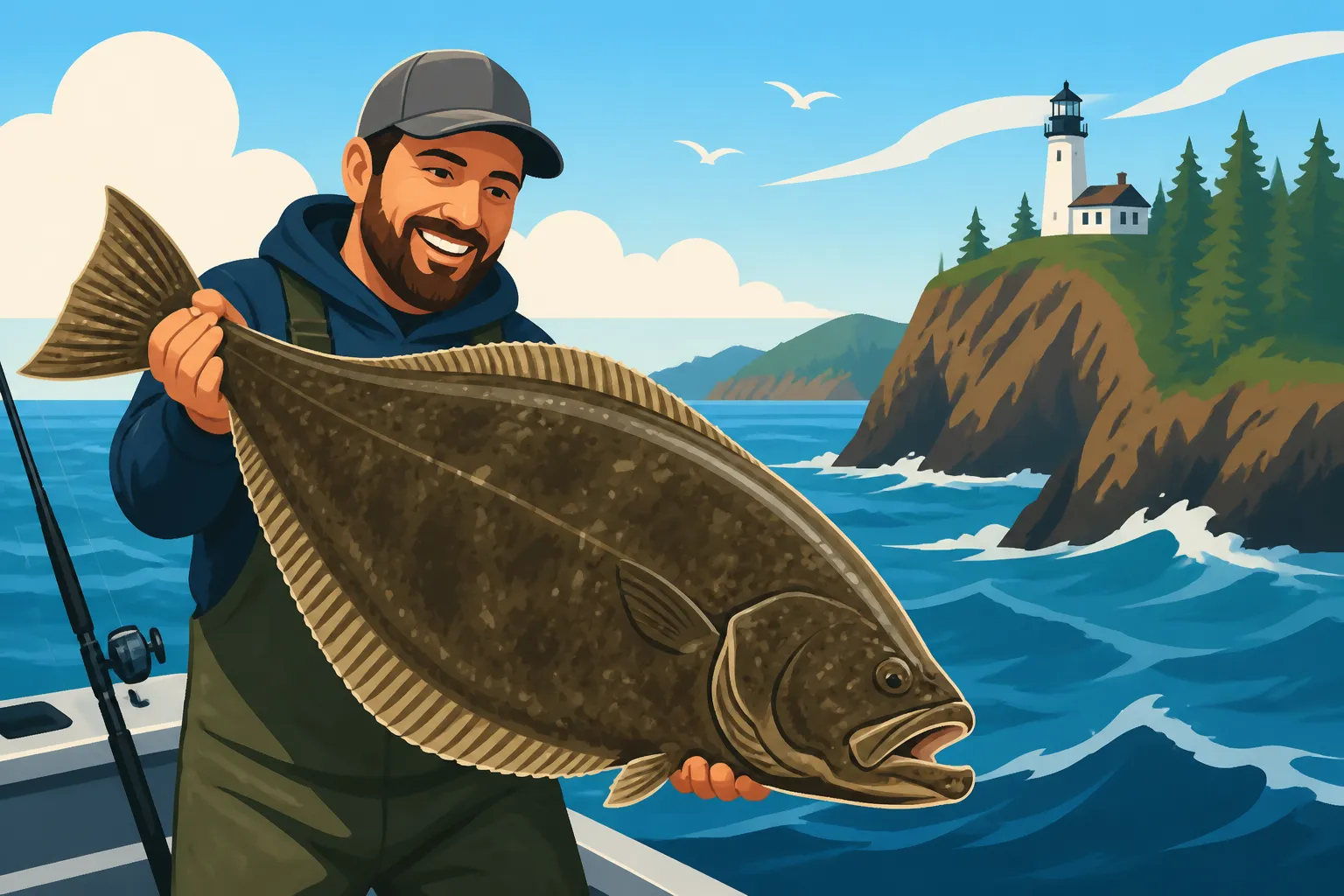
Pacific Halibut are true flatfish, meaning they lie on one side (usually their right) and have both eyes migrated to their upper, left side. This unique adaptation allows them to blend in perfectly with the ocean floor, where they spend most of their lives. They are ambush predators, often burying themselves partially in sand or gravel, waiting to pounce on unsuspecting prey. Their diet is varied, including smaller fish like cod, herring, rockfish, and even crabs and octopus. They are typically found in deeper, colder waters, ranging from 100 to over 1,000 feet, though they will move into shallower depths to feed.
Understanding their behavior is key to finding them. Halibut are migratory, moving seasonally between shallower feeding grounds and deeper spawning grounds. In Oregon, they tend to move into more accessible depths during the spring and summer months, which aligns with the recreational fishing season. They prefer areas with structural changes on the seabed, such as drop-offs, underwater pinnacles, or rocky ledges, where prey might concentrate. These structures provide current breaks and ambush points. Knowing these preferences helps anglers target the most productive areas. For more details on where these fish typically reside, you might find our guide on Pacific Halibut off Oregon helpful. Their keen eyesight, even in low light, combined with their ability to detect vibrations, makes them formidable predators.
Essential Gear for Oregon Halibut Fishing
Tackling Pacific Halibut requires specialized gear that can withstand the deep water, heavy weights, and immense power of these fish. You can’t just show up with your trout rod and expect success; you’ll need robust equipment designed for the task.
Rods, Reels, and Line: The Backbone of Your Setup
When targeting halibut, your rod needs to be stout, capable of handling heavy weights (often 1 to 3 pounds or more for sinkers) and powerful fish. Look for a heavy-action rod, typically 6 to 7 feet long, with a strong backbone but enough tip sensitivity to detect those subtle bites in deep water. Fiberglass or composite rods are popular for their durability and forgiveness. For reels, a conventional lever-drag or star-drag reel is almost universally preferred over spinning reels for deepwater bottom fishing. These reels offer superior cranking power and line capacity, which are crucial when fighting a fish from hundreds of feet down. Think about reels that can hold at least 300-400 yards of line. Popular choices often feature high-quality drag systems that can be smoothly adjusted during a fight.
As for line, braided line is the undisputed champion for halibut fishing. Its thin diameter for its strength (allowing for less drag in the water), minimal stretch (which vastly improves bite detection and hook sets in deep water), and incredible strength are invaluable. Most anglers opt for 65-pound to 100-pound braided line. While expensive, it lasts a long time and significantly improves your chances. A good quality braided line will make all the difference, and you can find excellent options on platforms like Amazon if you're looking to gear up. Remember to tie a monofilament or fluorocarbon leader to your braid to provide some stretch and make the presentation more natural to the fish.
Bait and Lures: What Gets Their Attention
Halibut are opportunistic feeders, so a variety of baits and lures can be effective. The most common and often most successful bait is fresh or frozen salmon bellies, herring, octopus, or squid. These baits are oily, emit a strong scent trail, and have a tough texture that stays on the hook well. Many anglers will "super-charge" their bait by brining it or adding scent attractants to give it an extra edge, especially in the dark depths. It’s not uncommon to fish a large piece of bait, sometimes 6-8 inches long, to appeal to a halibut’s preference for a substantial meal.
Beyond natural bait, a range of artificial lures can also be highly effective. Large lead jigs, often weighing 8 to 24 ounces (or even more in strong currents), are a staple. These jigs can be tipped with a strip of bait or a plastic grub for added appeal. Swimbaits, large soft plastics, and even metal flutter jigs can also entice a strike. The key with artificials is to fish them actively – jigging, lifting, and dropping them to imitate a wounded baitfish. Sometimes a combination rig, featuring a large lead jig with a bait-tipped hook above it, can be incredibly effective, offering both visual attraction and natural scent. Make sure your lures are robust enough to withstand powerful bites and fights.
Terminal Tackle: Keeping Everything Connected
Your terminal tackle is arguably as important as your rod and reel, as it's the direct connection to the fish. Heavy-duty circle hooks, typically sizes 14/0 to 20/0, are standard for halibut. Circle hooks are preferred because they almost always hook the fish in the corner of the mouth, making for a solid hookset and easier release if necessary. You'll need stout swivels, rated for at least 100 pounds, to prevent line twist and connect your main line to your leader. Look for quality ball-bearing swivels for maximum effectiveness.
Leaders are generally made of 100-pound to 200-pound monofilament or fluorocarbon, about 6 to 10 feet long. This heavy leader protects your mainline from the halibut's abrasive mouth and provides some shock absorption during the fight. Sinkers, often called cannonballs or pyramid sinkers, are critical for getting your bait down to the bottom in deep water and strong currents. You'll need a range of weights, from 16 ounces up to 48 ounces or more, depending on depth and current conditions. It’s always a good idea to carry an assortment, as conditions can change rapidly. Many anglers also use spreader bars or "sliding sinker rigs" to keep the bait clear of the main line and the sinker, enhancing presentation. Getting a bulk pack of swivels and sinkers on Amazon before your trip is a smart way to be prepared.
Prime Locations and Best Times to Hunt Halibut
Oregon's coast offers some fantastic opportunities for halibut, but knowing where and when to go significantly increases your chances of success. It's not just about getting out on the water; it's about strategic planning.
Top Oregon Ports for Halibut Adventures
The Oregon coast is dotted with vibrant fishing ports, and several stand out as prime launching points for halibut excursions. Newport is arguably one of the most popular, known for its extensive charter fleet and proximity to productive halibut grounds. Many a Halibut Charter Trips off Newport departs from this bustling harbor, offering anglers both shared and private trips. Depoe Bay, the smallest navigable harbor in the world, also boasts excellent access to offshore fisheries and a dedicated charter community. Its compact nature often means quick access to the fishing grounds.
Farther north, Astoria, at the mouth of the Columbia River, provides access to rich grounds, particularly during the late spring and early summer when halibut are more prevalent in the area. And to the south, ports like Winchester Bay and Charleston also offer their own unique advantages, depending on the specific halibut movements and local conditions. Each port has its own fleet of experienced captains who know the local waters and halibut hot spots intimately. Talking to local bait shops or charter operators can often give you the most current information on where the fish are biting. Regardless of your chosen port, always check local conditions and forecasts before heading out.
Decoding the Halibut Season: When to Go
The Pacific Halibut recreational season in Oregon is one of the most highly anticipated and tightly regulated fisheries. It's not a year-round affair, but rather a series of "all-depth" and "nearshore" seasons, which are set annually by regulatory bodies based on quotas and stock assessments. Generally, the season typically opens in May or June and runs through the summer, sometimes into early fall, but the exact dates and number of fishing days can vary significantly year to year. These dates are crucial, and they can sometimes be quite limited, often only open on specific days of the week.
Anglers need to pay very close attention to the Oregon Department of Fish and Wildlife (ODFW) announcements for the most up-to-date season information. Missing a critical announcement could mean missing your chance entirely. The early part of the season, often May and June, is frequently considered prime time, as halibut are moving into shallower feeding areas and are more accessible. However, good fishing can be found throughout the open periods. Our guide on Best time of year for halibut fishing off Oregon has more specific details. It's a fishery where being prepared and informed well in advance is paramount to success.
Understanding Tides and Weather for Success
Halibut fishing, especially in the deep waters of the Pacific, is heavily influenced by both weather and tidal conditions. While halibut are bottom dwellers, strong currents associated with big tides can make fishing incredibly difficult, requiring exceptionally heavy sinkers to reach the bottom. Conversely, too little current can sometimes mean less active fish or less bait movement to attract them. Many experienced captains prefer to fish during periods of moderate tidal exchange, avoiding the extreme highs and lows that generate the most turbulent currents. This allows for better bait presentation and less effort in keeping your gear on the seabed.
Weather, of course, plays an enormous role in ocean fishing. The Pacific Ocean can be unforgiving, and safety is always the top priority. Calm seas are not just about comfort; they allow for more precise boat positioning, better bite detection, and overall a more enjoyable and safer experience. A strong wind can create choppy conditions, making it difficult to hold your position, deploy gear, and even cause severe seasickness. Always check the marine forecast before planning a trip, looking at swell height, wind speed, and direction. If you're prone to seasickness, remember to take your Best seasickness medicine for an ocean fishing charter well in advance. Charters often cancel trips if the weather is deemed unsafe or too uncomfortable, which is always for the best.
Mastering Halibut Fishing Techniques
Catching halibut isn't just about dropping a line; it involves specific techniques tailored to their habits and habitat. Knowing these methods will give you a significant advantage out on the water.
Bottom Fishing: The Most Common Approach
Bottom fishing is the most prevalent and effective technique for Pacific Halibut. This involves getting your bait or lure directly on or very near the ocean floor, where halibut typically lie in wait. The core principle is simple: use enough weight to quickly get your tackle down to the desired depth and keep it there, even with current. Once on the bottom, the trick is to subtly present your bait. This isn't usually a super active jigging motion; often, just letting your bait sit, occasionally lifting it a foot or two and letting it settle back down, is all that's needed. You want to make it look like an easy meal.
When a halibut bites, it often starts with a subtle "thump" or a feeling of added weight, rather than an aggressive strike. It can sometimes feel like you've hooked the bottom. The key is not to immediately try to set the hook with a violent jerk, especially with circle hooks. Instead, slowly lift the rod tip, reeling in any slack, and let the fish pull until the hook seats itself firmly in the corner of its mouth. This takes patience and a delicate touch. Maintain steady pressure during the fight, pumping the rod to gain line and reeling down smoothly. A long, strenuous fight can lead to the fish "washing out" or dying before it reaches the surface, so efficiency is important.
Drifting and Jigging: Active Strategies
While static bottom fishing is effective, drifting and active jigging can also be highly productive, especially when searching for fish or when they are more aggressive. Drifting involves allowing your boat to move slowly with the current or wind, covering more ground and presenting your bait or lure to a wider area of the seabed. This is particularly effective over large, relatively flat areas of good habitat. When drifting, you'll still need enough weight to keep your gear on the bottom, but you might need to adjust your weight or line length as the boat moves over varying depths. This active search can help locate schools of halibut that might be spread out.
Jigging, on the other hand, involves a more pronounced, rhythmic motion of lifting and dropping your lure. Large metal jigs or swimbaits are excellent for this. The idea is to mimic a wounded baitfish, attracting attention with flash and vibration. This technique requires constant engagement and can be physically demanding, but it can trigger reaction strikes from halibut that might not respond to a stationary bait. When jigging, pay close attention to the sounder to identify structure or baitfish schools, then work your jig through those areas. Sometimes, a halibut will hit the jig on the drop, so it's important to keep tension in your line and be ready for a strike at any point during the retrieve.
Safe Handling and Release Practices
Handling large Pacific Halibut, especially those destined for release, requires care and knowledge to ensure the well-being of both the fish and the angler. These fish can be surprisingly powerful and have sharp gill plates, so caution is advised. If you intend to keep the fish, bring it aboard quickly and dispatch it humanely. A strong gaff or a harpoon can be used for larger fish, aiming for the head or body to secure it without damaging the fillets. Smaller fish might be brought in with a large net.
For fish that are undersized or that you choose to release, minimizing their time out of water is critical. Use a dehooker or needle-nose pliers to remove the hook while the fish is still in the water, or alongside the boat. Avoid dragging it onto the deck. If it must come aboard for a quick photo or measurement, use wet gloves and support its body horizontally to avoid organ damage. Halibut are robust fish, but deep-water decompression can still be an issue. If a fish is struggling to swim down, a descending device can be used to return it to depth, significantly increasing its survival chances. Respecting the resource through proper handling ensures the fishery remains healthy for future generations.
Navigating Oregon's Halibut Regulations
Fishing for Pacific Halibut in Oregon isn't just about catching them; it's also about understanding and strictly adhering to the complex regulations. These rules are in place to manage a sustainable fishery, and violations can lead to significant penalties.
License and Endorsement Requirements
Before you even think about dropping a line for halibut, you absolutely need the right licenses. First and foremost, any angler aged 12 and older needs a valid Oregon Fishing License Guide. This is the basic requirement for all recreational fishing in the state. However, for fishing in the ocean for species like halibut, you'll also need to purchase an Oregon Ocean Endorsement. This endorsement is a separate purchase that signifies you're authorized to fish in Oregon's marine waters, which extends beyond the immediate shoreline into the Pacific.
It's crucial to purchase both your angling license and the ocean endorsement before you head out. Don't wait until you're on the boat or at the dock, as options might be limited, and you could accidentally be fishing illegally. Licenses and endorsements can typically be purchased online through the ODFW website, at authorized license agents, or many sporting goods stores. Make sure to keep your license and endorsement easily accessible while fishing, as ODFW enforcement officers can and will ask to see them at any time. Fishing without the proper credentials is a serious offense and can result in fines and equipment forfeiture.
Size and Bag Limits: Knowing What You Can Keep
This is perhaps the most critical aspect of halibut regulations and often where anglers can get into trouble if they're not careful. Pacific Halibut have very specific size limits and daily bag limits, which are strictly enforced. The minimum size limit for halibut usually means the fish must be a certain length, measured from the tip of the snout to the tip of the tail, to be legally retained. This measurement can change, but it’s often around 42 or 46 inches. It's imperative to consult the current ODFW regulations, as these numbers are subject to annual changes based on quota allocation and stock health. Our guide on What is the daily limit for halibut off Oregon provides a general overview, but always double-check the official ODFW regulations.
Beyond size, there's a daily bag limit, which typically allows for one Pacific Halibut per person per day. There might also be possession limits, meaning the total number of halibut you can have in your possession (including those at home) is capped. Furthermore, in some years, there are annual limits per angler. These regulations are in place to ensure fair access and to prevent overharvesting of this valuable resource. Misinterpreting or ignoring these limits can lead to hefty fines and confiscation of your catch. Always carry a current regulation booklet or have the ODFW website handy on your phone to reference the most up-to-date rules.
Reporting and Catch Cards: Your Responsibility
One unique aspect of many Oregon fisheries, including halibut, is the requirement for catch reporting or the use of catch record cards. While Pacific Halibut themselves might not always require a dedicated catch record card like salmon or steelhead, the general process of tracking harvests is vital for ODFW to manage the fishery effectively. In some cases, if you catch and retain a halibut, you might be required to record it on a specific catch card or report it electronically, especially if it's a part of a limited quota season. This helps biologists monitor catch rates and ensure the total quota isn't exceeded, which could lead to early season closures.
It is your responsibility as an angler to understand if a catch record card or other reporting mechanism is required for halibut in the current season. These details are always published in the annual Oregon Fishing Regulations Explained booklet or on the ODFW website. Failure to accurately report your catch, or failure to turn in a required catch card by the deadline, can lead to penalties, even if you lawfully caught the fish. Think of it as your part in contributing to the health and longevity of the fishery. Always take the time to read through the regulations carefully before your trip and familiarize yourself with any reporting obligations.
Preparing Your Catch: From Ocean to Table
Landing a Pacific Halibut is a triumph, but the journey isn't over until that magnificent fish is properly prepared for the table. Halibut is renowned for its delicate flavor and firm texture, making it a favorite among seafood lovers. Proper handling from boat to plate ensures you get the most out of your hard-earned catch.
Field Dressing Your Halibut
The moment your halibut comes aboard and is safely secured, the clock starts ticking to preserve its quality. Field dressing, which is essentially gutting the fish, should be done as soon as possible, ideally while still at sea. This process removes the internal organs that can rapidly spoil the meat, especially in warmer temperatures. To field dress, make a cut from the vent (anus) forward to the gills, being careful not to puncture the intestines. Then, reach in and remove all the internal organs, including the gills and kidney line (a dark red line along the backbone). Some anglers also choose to remove the entire head at this point, but it's not strictly necessary for quality preservation.
Once gutted, the body cavity should be thoroughly rinsed with seawater to remove any blood and remaining gut matter. This step is critical for preventing bacteria growth. After rinsing, pack the cavity with ice. The goal is to rapidly chill the fish down to near-freezing temperatures. If you're on a charter, they usually have large ice holds for this purpose. If on your own boat, ensure you have plenty of crushed ice or ice packs. Keeping the fish cold is the single most important factor in maintaining its freshness and flavor. Don't let your trophy bake on the deck in the sun!
Filleting and Storage Tips
Once you're back on shore and your halibut is chilled, it's time for filleting. Halibut are relatively easy to fillet due to their flat shape. They have four distinct fillets: two on the top side and two on the bottom side. Start by making a cut down the middle of the fish, along the backbone, from head to tail. Then, working from that center cut, slide your knife flat against the rib bones and skin, carefully removing each of the four fillets. A sharp, flexible fillet knife is essential for this task. Many anglers also remove the "cheeks" from the head, which are considered a delicacy.
After filleting, rinse the fillets with fresh, cold water, pat them dry, and prepare them for storage. For immediate consumption, they can be stored in the refrigerator for a day or two. For longer storage, vacuum sealing and freezing is the best option. Vacuum sealing removes air, which is the enemy of frozen fish, preventing freezer burn and preserving quality for several months. If you don't have a vacuum sealer, wrap individual fillets tightly in plastic wrap, then in aluminum foil, and place them in freezer bags. Clearly label each package with the date to keep track of freshness. Properly filleted and stored halibut can provide delicious meals for a long time, extending the joy of your catch.
| Aspect | Detail |
|---|---|
| Average Weight | 15-50 lbs (can exceed 100 lbs regularly) |
| Average Length | 35-60 inches (minimum size limits apply, often 42-46 inches) |
| Lifespan | Up to 55 years (females grow larger and live longer) |
| Habitat | Sandy, gravelly, or muddy bottoms; 100-1000+ feet deep |
| Diet | Fish (cod, herring, rockfish), octopus, crabs |
| Peak Season (Rec) | Typically May-August (highly regulated, check ODFW for specific dates) |
| Daily Bag Limit | One Pacific Halibut per person per day (subject to annual changes) |
| Key Gear | Heavy action rod, conventional reel, 65-100lb braid, 14/0-20/0 circle hooks, 1-3lb sinkers |
Disclaimer
This article is for general informational purposes only and does not constitute professional advice. Laws, prices and regulations vary by location and change over time. Consult a qualified professional for guidance on your specific situation.