Who qualifies for the Oregon disabilities fishing permit
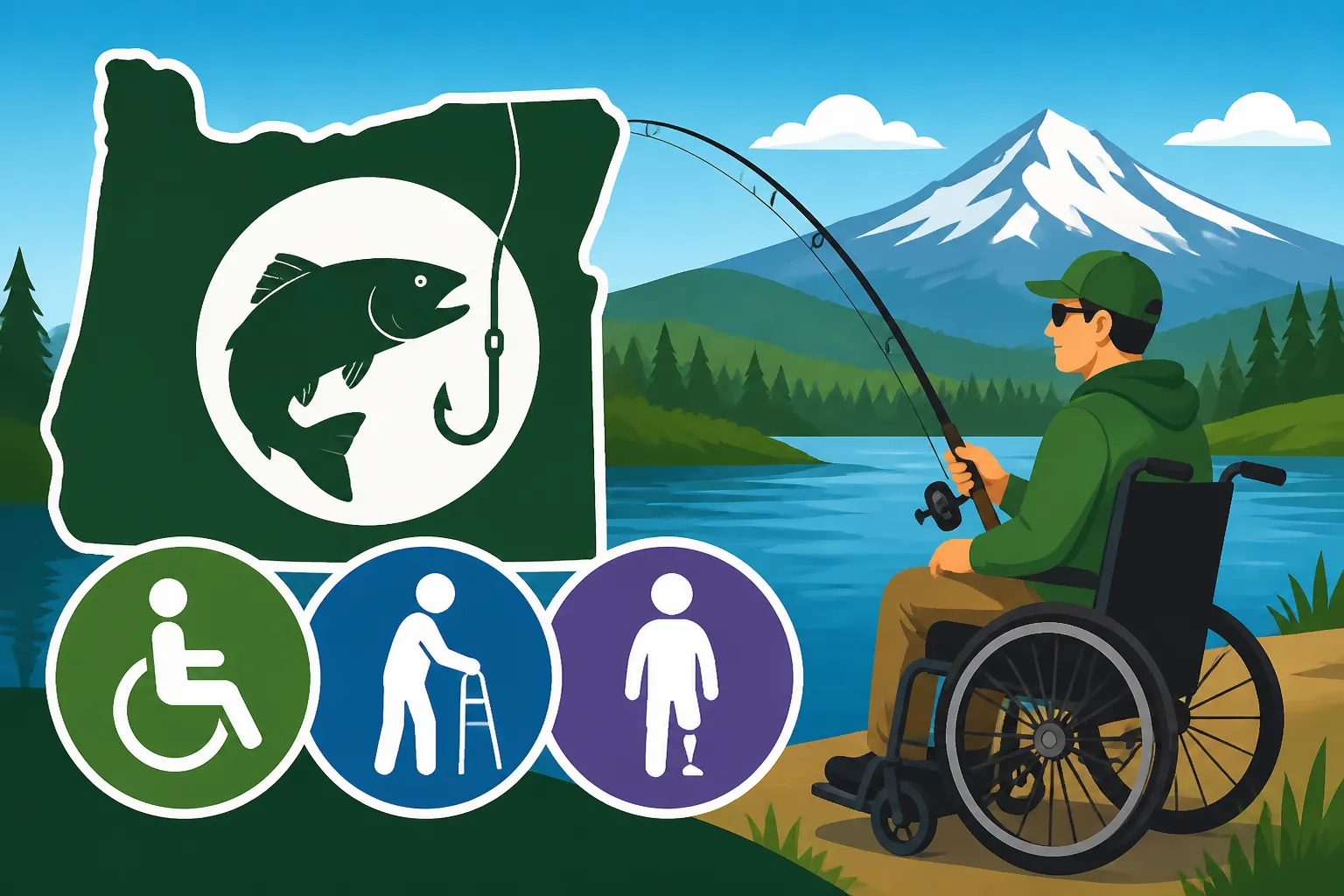
It's incredibly frustrating when you're passionate about getting out on the water, but navigating the specific rules and regulations around accessibility for anglers with disabilities feels like trying to untangle a particularly stubborn knot in your fishing line. Many folks wonder if their specific condition qualifies for a special permit, what paperwork they'll need, and if it's even worth the hassle. This guide is here to cut through the confusion and explain exactly who qualifies for the Oregon Disabilities Hunting and Fishing Permit, making sure you have all the information you need to enjoy Oregon's incredible fisheries.
Understanding Oregon's Commitment to Accessible Fishing
Oregon has a rich tradition of outdoor recreation, and that commitment extends to ensuring that everyone, regardless of physical ability, has the chance to experience the peace and thrill of fishing. It's not just about providing a license; it's about acknowledging the unique challenges some anglers face and trying to level the playing field.
Why Disability Permits Matter
For many, fishing is more than just a hobby; it's a vital connection to nature, a source of solace, and a way to create cherished memories with family and friends. However, for individuals with disabilities, simple tasks like navigating uneven terrain to reach a prime fishing spot, casting a line, or even safely handling a fish can present significant hurdles. Acknowledging these challenges, the state of Oregon offers a dedicated permit designed to ease some of the financial and logistical burdens. This isn't a handout; it's a recognition of the extra effort and planning often required for disabled individuals to participate, and an attempt to foster greater inclusion in our beloved outdoor traditions. It can make a tangible difference in getting more people out enjoying the state's beautiful rivers and lakes.
The Oregon Department of Fish and Wildlife ODFW Role
The Oregon Department of Fish and Wildlife (ODFW) is the agency tasked with managing Oregon's fish and wildlife resources, and a crucial part of their mission is promoting equitable access. They're the ones who administer the Oregon Disabilities Hunting and Fishing Permit program. The ODFW isn't just setting rules; they're actively working to create opportunities and remove barriers. This includes maintaining accessible fishing piers, promoting programs for disabled veterans, and continually evaluating their permit requirements to ensure they truly serve those in need. Their goal is to ensure that the wonders of Oregon's outdoors are within reach for all residents, recognizing that a diverse angling community enriches everyone's experience. You can often find information about these initiatives and more detailed explanations of various licenses, like the "Oregon Fishing License Types Explained", directly on their website or by reaching out to local offices.
Specific Qualifications for the Oregon Disabilities Hunting and Fishing Permit
So, let's get down to the nitty-gritty: who actually qualifies for this permit? Oregon has clear definitions, but sometimes the wording can be a little intimidating. We're going to break it down into easy-to-understand categories so you can see if your situation fits the criteria. Remember, this permit is specifically for permanent disabilities that significantly impact your ability to hunt or fish.
Defining "Disabled" for Fishing Permit Purposes
When ODFW talks about "disabled" for this permit, they're not just referring to general difficulty. They're looking for specific, long-term conditions that permanently restrict your physical capacity to engage in activities necessary for hunting or fishing. This isn't about a temporary injury or a minor inconvenience; it's about a foundational, lasting impairment that affects your ability to move, interact, and participate in these activities without substantial limitation. The key word here is "permanent." If your condition is expected to improve significantly or resolve, it likely won't meet this specific criteria.
It's crucial to understand that while many conditions can be challenging, the ODFW permit focuses on specific types of physical and visual impairments. They are looking for verifiable medical conditions that have a direct and lasting impact on your ability to actively fish, rather than just having a general health issue. This permit is designed to provide genuine support to those whose physical capabilities are permanently altered, ensuring the benefits are directed where they are most needed.
Key Eligibility Criteria for Physical Disabilities
For a permanent physical disability to qualify you for the Oregon Disabilities Hunting and Fishing Permit, it must profoundly limit your physical capacity. This means your condition must restrict your ability to perform essential functions like walking, standing, grasping, or climbing, which are often integral to angling. Think about situations such as:
- Permanent loss of use of one or both legs: This could be due to paralysis, amputation, or severe nerve damage that prevents weight-bearing or stable movement required for bank fishing, wading, or even moving around a boat.
- Permanent loss of use of one or both arms/hands: If you have a condition that permanently impairs your ability to hold a rod, reel in a fish, tie a knot, or safely handle equipment, you might qualify. This could stem from severe trauma, congenital conditions, or neurological disorders that cause lasting loss of motor function.
- Other significant physical limitations: This category is broader but still requires a permanent condition that severely impairs your mobility or motor skills. Examples might include severe debilitating arthritis that has permanently fused joints, advanced multiple sclerosis, severe cerebral palsy, or other neuromuscular conditions that permanently restrict movement and coordination essential for fishing. The key is that the disability must be chronic and substantially limit major life activities, specifically those involved in outdoor recreational pursuits like fishing. Your doctor will need to attest to the permanence and impact of these limitations on the ODFW application form.
Eligibility for Visual Impairment Legally Blind
For those with visual impairments, Oregon has a specific definition of "legally blind" that qualifies you for this permit. It's not simply having poor eyesight; it's a clinical definition that significantly impacts your ability to see and navigate the world, including the intricacies of fishing. To be considered legally blind for the purposes of this permit, one of the following must apply:
- Visual acuity that does not exceed 20/200 in the better eye with corrective lenses: This means that even with the best possible correction (glasses or contacts), you would need to be 20 feet away to see something that a person with normal vision could see from 200 feet away. It's a very significant level of diminished vision.
- A visual field that is restricted to 20 degrees or less: This refers to your peripheral vision. Even if your central vision is somewhat clear, if your field of vision is severely narrowed to a "tunnel" of 20 degrees or less, it greatly impacts your ability to perceive your surroundings and safely engage in activities like fishing, where broad situational awareness is key.
If you meet either of these criteria, and your condition is permanent, you would likely qualify for the permit based on legal blindness. Your eye care professional would need to certify your visual status on the ODFW application.
Eligibility for Disabled Veterans
Oregon deeply values the service and sacrifice of its veterans. Recognizing the challenges many face due to service-connected disabilities, the state offers specific provisions for resident disabled veterans. If you are an Oregon resident who has served in the U.S. armed forces and have a service-connected disability, you may qualify for a free Oregon Disabilities Hunting and Fishing Permit. The key requirement here is a specific disability rating:
- Service-connected disability rating of at least 25 percent by the U.S. Department of Veterans Affairs (VA): You'll need official documentation from the VA confirming your disability rating is 25% or higher. This rating signifies that your disability is a direct result of your military service.
This benefit is a small token of gratitude, aiming to provide easier access to recreational opportunities that can be therapeutic and fulfilling. It's important to remember that this is specifically for Oregon resident veterans. If you're looking for more detailed information on this specific benefit, you might find our guide on "Free Fishing License for Disabled Veterans in Oregon" particularly helpful, as it delves deeper into the application process for veterans. The permit still requires you to follow all other state fishing regulations, such as "Oregon Fishing Regulations Explained" and "Oregon Daily Bag Limits Explained", but it removes the cost barrier for those who have sacrificed so much.
Applying for Your Oregon Disabilities Fishing Permit
The thought of filling out forms and gathering documents can feel like a chore, but ODFW has made the application process for the Oregon Disabilities Hunting and Fishing Permit as straightforward as possible. It's just a few steps to get you closer to the water.
The Application Process, Step-by-Step
Getting your Oregon Disabilities Hunting and Fishing Permit involves a few key steps to ensure everything is processed smoothly. It's not overly complicated, but paying attention to the details will save you time and potential headaches.
- Obtain the Application Form: Your first step is to get the official "Oregon Disabilities Hunting and Fishing Permit Application" form. You can usually download this directly from the ODFW website, or pick one up at an ODFW office.
- Complete Your Section: Fill out the personal information section completely and accurately. This will include your name, address, date of birth, and contact information. Make sure everything matches your official identification.
- Medical Certification (Non-Veterans): This is a critical part for applicants qualifying based on physical disability or legal blindness. You'll need to have your physician (MD or DO) or optometrist (OD) complete and sign the medical certification portion of the application. They must attest to the permanence of your disability and how it limits your ability to hunt or fish, or certify your legal blindness according to the specified criteria. Make sure your medical professional provides all requested information clearly.
- Veterans' Documentation: If you're applying as a disabled veteran, instead of the medical certification, you'll need to provide official documentation from the U.S. Department of Veterans Affairs (VA) that clearly states your service-connected disability rating is 25% or greater. A letter from the VA confirming your rating is usually sufficient.
- Submit the Application: Once all sections are filled out and necessary documentation is attached, you're ready to submit.
It’s always a good idea to make a copy of your completed application and all supporting documents for your own records before sending it in. This way, if there are any questions later, you have your own reference point.
Where to Submit Your Application
ODFW provides several convenient ways to submit your completed application, giving you options that best suit your situation:
- Mail: The most common method is to mail your application along with any required documentation to the ODFW Headquarters. The address for permit applications is clearly listed on the application form itself. Double-check that address before you send it to ensure it goes to the correct department.
- In-Person: If you live near an ODFW district office, you might be able to submit your application in person. This can be helpful if you have questions or want to ensure your documents are received directly. It’s always a good idea to call ahead to your local office to confirm their hours and if they process disability permits directly, as some offices might only handle general "Oregon Fishing License Guide" sales.
- Online (Limited for Initial Application): While you can often renew other licenses, like an "Oregon Annual Angling License", online, the initial application for a disabilities permit often requires mailing in the physical form with original signatures from your medical professional or VA documentation. However, it's worth checking the most current ODFW website, as processes can evolve. They do have an online licensing system where once you're approved, future renewals might be simpler.
Always refer to the most current instructions on the ODFW application form itself for the precise submission methods available.
What to Expect After Applying
Once you've submitted your application, it's natural to wonder what happens next and how long it will take. The processing time can vary depending on the volume of applications ODFW is receiving, but generally, here's what you can expect:
- Processing Time: ODFW aims to process applications as efficiently as possible. It might take a few weeks for them to review your submission, especially if it requires verification of medical or veteran status. Be patient during this period.
- Confirmation or Follow-Up: If your application is complete and approved, you'll typically receive your permit in the mail. If there are any issues – perhaps a missing signature, unclear documentation, or further information needed – ODFW will usually contact you. They might send a letter or call you to clarify. This is why providing accurate contact information on your application is crucial.
- Receiving the Permit: Your permit will typically be a physical card or document that you must carry with you when hunting or fishing. This serves as proof of your eligibility.
- Renewal Information: Disability permits often have an expiration date, usually aligned with the calendar year, similar to a standard "Oregon Fishing License Expiration Date". When it's time to renew, ODFW will typically send you a reminder. Renewals are often simpler than the initial application, especially if your disability is permanent and doesn't require re-certification each year. You can often handle renewals through the online system, similar to how you would "How to Renew an Oregon Fishing License Online".
If you haven't heard back within a reasonable timeframe (e.g., 4-6 weeks), don't hesitate to reach out to ODFW customer service. They can check the status of your application and provide updates.
Benefits and Responsibilities of the Permit
Having the Oregon Disabilities Hunting and Fishing Permit certainly opens doors, but it also comes with its own set of guidelines. It’s important to understand both the advantages and your obligations as a permit holder.
Perks of the Disabilities Permit
The primary benefit of the Oregon Disabilities Hunting and Fishing Permit is increased accessibility, often with financial relief. For many qualifying individuals, particularly disabled veterans, the permit is free. This completely removes the cost barrier that can sometimes deter participation, especially when you factor in the additional expenses of gear, travel, and other essentials. For those with other qualifying permanent disabilities, the permit is typically offered at a significantly reduced fee compared to a standard annual angling license. This makes fishing more affordable year after year.
Beyond the cost, the permit acknowledges your unique situation, promoting a sense of inclusion within the angling community. It signifies that the state supports your right to participate in outdoor recreation despite physical challenges. This can be incredibly validating and empowering. While the permit itself doesn't grant special exceptions to fishing rules, it does provide a foundation for further accessibility, encouraging the use of accessible fishing sites and adaptive gear. It allows you to focus more on the joy of fishing and less on the financial burden of a license.
Understanding Permit Limitations and Rules
While the Oregon Disabilities Hunting and Fishing Permit offers fantastic benefits, it's absolutely vital to understand that it does not exempt you from all other fishing laws and regulations. Think of it as your entry ticket; once you're in, everyone plays by the same rules for conservation and fair chase. This means:
- All other regulations apply: You must still adhere to all statewide and zone-specific rules, including "Oregon Fishing Regulations Explained", "Oregon Fishing Season Dates and Limits", and daily bag limits like the "Oregon Daily Bag Limit for Trout".
- Tags and Endorsements: The disabilities permit generally covers your basic angling license fee. However, you will still need to purchase any required tags or endorsements for specific species or areas. For instance, if you plan to fish for salmon or steelhead, you will still need an "Oregon Combined Angling Tag Guide" (and pay for it, unless otherwise specified for specific veteran programs). Similarly, if you're fishing in the Columbia River Basin, you'll likely need a "Oregon Columbia River Basin Endorsement", and for ocean fishing, an "Oregon Ocean Endorsement". These are separate from your basic angling license and are crucial for species management.
- Catch Record Cards: Even with a disabilities permit, you are still required to possess and accurately fill out any necessary catch record cards, such as the "Oregon Catch Record Card Requirements" for salmon and steelhead. These are vital for ODFW to monitor fish populations.
- Zone Rules: You must understand and abide by the specific rules for the area you're fishing, as outlined in "Oregon Fishing Zones Explained". Different rivers, lakes, and coastal areas have distinct regulations.
Failing to follow these rules, even with a disabilities permit, can lead to fines and penalties, similar to "Fishing Without a License Penalties in Oregon". It’s always your responsibility as an angler to know and follow the current regulations.
Carrying and Presenting Your Permit
Just like any other angler, when you're out on the water in Oregon, it's absolutely crucial to have your Oregon Disabilities Hunting and Fishing Permit on your person. This isn't just a suggestion; it's a requirement by law. Fish and Wildlife troopers or other authorized personnel have the right to ask you to present your license at any time, to ensure you're fishing legally.
Your physical permit, whether it's a card or printed document, serves as your proof of eligibility. While technology has advanced, and many agencies allow you to use a digital copy on your phone as proof for standard licenses, it's always best practice, especially with a specialized permit, to carry a physical copy if possible. Sometimes, in remote areas, cell service might be spotty, making digital access unreliable. Make sure the permit is protected from water and wear; consider a small, clear waterproof pouch, easily found on sites like Amazon, to keep it safe and legible. Being prepared means you can focus on fishing, not on potential hassles if a game warden asks to see your credentials.
Beyond the Permit: Making Fishing More Accessible in Oregon
The permit is a fantastic start, but true accessibility goes beyond just the paperwork. Oregon is continuously working to make its incredible fishing opportunities available to everyone.
Accessible Fishing Spots
Oregon boasts a growing number of accessible fishing locations designed to accommodate anglers with diverse needs. These spots often feature paved paths, accessible docks or platforms, and restrooms that meet ADA standards. It takes the stress out of navigating uneven terrain and allows anglers to focus on the joy of fishing.
- Accessible Docks and Piers: Many state parks and popular fishing areas, like parts of the Willamette River or certain lakes in the Willamette Valley, have specially designed docks that are wheelchair-friendly. Henry Hagg Lake near Forest Grove, for example, has some great accessible spots.
- Paved Paths and Shoreline Access: Some rivers, like sections of the Deschutes River or the lower Columbia River, offer paved or well-maintained gravel paths that provide easy access to the shoreline for bank fishing.
- ODFW Resources: The ODFW website is an excellent resource for finding these locations. They often have maps and descriptions of accessible features. Looking for places near major cities? You might find options listed under "Best Places to Fish Near Portland" or "Best Fishing Spots Near Bend" that include accessible features.
When planning a trip, always double-check the current conditions of access points, as weather or maintenance can sometimes affect usability.
Adaptive Gear and Resources
Beyond accessible locations, the right gear can make an enormous difference for anglers with disabilities, transforming what might seem impossible into an enjoyable reality. The world of adaptive fishing equipment has expanded significantly, offering innovative solutions for various needs.
- Rod Holders and Rests: For those with limited grip or upper body strength, specialized rod holders can attach to wheelchairs, boat railings, or even chest harnesses, allowing anglers to keep their rod steady and hands-free until a fish bites. These can range from simple clamp-on designs to more sophisticated spring-loaded models.
- Electric Reels: For individuals who struggle with the repetitive motion of reeling, electric reels are a game-changer. They handle the retrieve at the push of a button, making deep-sea fishing or battling larger fish much more manageable. While they can be an investment, the freedom they offer is invaluable.
- Casting Aids: Various devices assist with casting, from simple slings that provide extra leverage to more complex mechanical aids that can launch a lure with minimal effort. These can be particularly helpful for anglers with limited arm mobility or strength.
- Specialized Grips and Handles: Many companies offer ergonomic grips, extended handles, or custom adaptations for fishing rods and reels, making them easier to hold and operate for hands with limited dexterity or strength.
- Online Retailers: Stores like Amazon offer a wide array of adaptive fishing equipment. A quick search for "adaptive fishing gear" or "wheelchair fishing rod holder" will often yield numerous options that can be delivered right to your door, allowing you to customize your setup to your specific needs.
- Community Groups: Beyond purchasing gear, connecting with local disability fishing groups or organizations can provide invaluable insights, advice, and even access to loaner equipment. These communities often share tips on accessible spots and modifications that have worked for them, creating a supportive network for all anglers.
With the right permit, accessible locations, and adaptive gear, the joy of fishing in Oregon truly can be for everyone.
Disclaimer
Please note that the information provided in this guide is for general informational purposes only and is subject to change. While we strive to provide accurate and up-to-date content, fishing regulations, permit requirements, and accessibility features can be updated by the Oregon Department of Fish and Wildlife (ODFW) at any time. It is always the angler's responsibility to consult the most current official ODFW regulations and publications before engaging in any fishing activities. This guide should not be considered legal advice or a substitute for official ODFW documentation.