Can a game warden check your fishing license in Oregon?
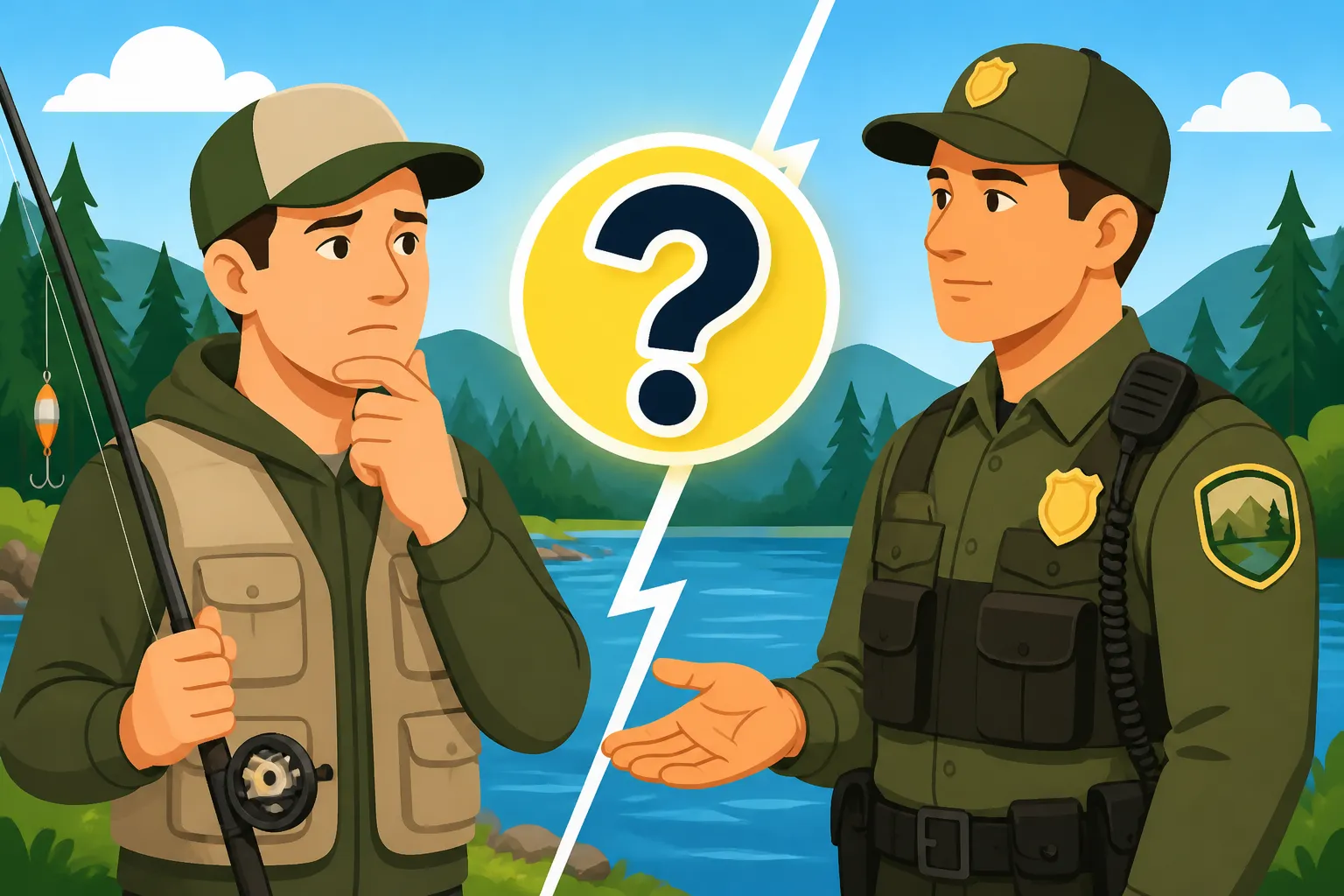
It’s a scenario many of us anglers have played out in our heads: you’re enjoying a peaceful day on the water, rod in hand, when a boat pulls up or someone approaches you on the bank, badge glinting. The question that often pops into mind is, "Can a game warden really just check my fishing license?" The short answer is a resounding yes, and understanding why and how this happens can turn a moment of potential anxiety into a straightforward, even pleasant, interaction. This guide will walk you through the specifics of a game warden's authority in Oregon, what to expect during an encounter, and why these checks are an essential part of responsible angling and conservation.
The Authority of Oregon Game Wardens to Check Licenses
Let's clear the air right away: Oregon State Police Fish and Wildlife Troopers, often simply called game wardens, absolutely have the legal authority to check your fishing license, along with your catch and gear, at any time while you are engaged in fishing activities. This isn’t a random act of inconvenience; it's a fundamental part of their job to protect Oregon's incredible natural resources.
Understanding the Role of an Oregon State Police Fish and Wildlife Trooper
Imagine a police officer, but their beat is the vast outdoors – Oregon's rivers, lakes, coastlines, and forests. That's essentially the role of an Oregon State Police Fish and Wildlife Trooper. These dedicated professionals are fully commissioned law enforcement officers with statewide jurisdiction, just like any other OSP trooper. Their primary mission, however, is focused on enforcing state and federal laws pertaining to fish, wildlife, and habitat.
This means they're not just looking for license compliance; they're safeguarding the future of Oregon's fisheries. They patrol remote wilderness areas, coastal estuaries, and popular fishing holes alike, ensuring that everyone plays by the rules. From preventing poaching and illegal harvesting to investigating environmental crimes and educating the public, their duties are broad and crucial. Their presence isn't meant to intimidate, but to serve as a visible reminder that our shared natural resources are valued and protected. They are often the first line of defense against practices that could severely deplete fish populations or damage critical ecosystems.
Legal Basis for License Checks in Oregon
The power to check licenses isn't something wardens just assume; it's firmly rooted in Oregon law. Specifically, the Oregon Revised Statutes (ORS) and Oregon Administrative Rules (OARs) grant these officers explicit authority to enforce fishing and hunting regulations. For anglers, ORS 496.610 is a key one, essentially stating that any person authorized to enforce wildlife laws can inspect licenses, tags, permits, and any fish or wildlife in possession.
This legal framework is vital for several reasons. Firstly, it allows for effective resource management. Without the ability to verify who is fishing and what they're catching, it would be impossible to gather accurate data on fishing pressure or ensure that harvest limits are respected. This data directly influences future fishing seasons and regulations, helping to maintain healthy fish stocks for generations to come. Secondly, it creates a level playing field. Everyone contributes to conservation through license fees, and everyone must adhere to the same rules. These checks help prevent unfair advantages gained by those who might try to circumvent the system, ensuring that ethical angling practices are upheld across the state.
What Happens During a Fishing License Check in Oregon
So, a game warden approaches. What should you expect, and how can you make the interaction smooth and efficient? Knowing the typical procedure can make all the difference, transforming a potentially stressful situation into a quick verification.
The Standard Procedure for an Encounter
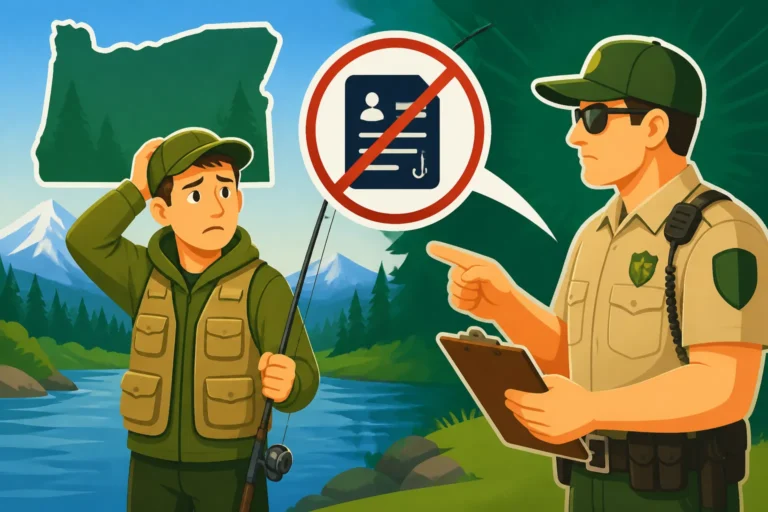
Most interactions with a game warden during a license check are straightforward and professional. Typically, a warden will approach you, identify themselves as an Oregon State Police Fish and Wildlife Trooper, and politely state the purpose of their contact – usually, a routine license and catch inspection. They might be in uniform, driving a marked vehicle or boat, and will present their badge if not immediately visible.
At this point, your best course of action is to be cooperative and respectful. The warden will ask to see your valid Oregon Fishing License Guide, any required tags (like a Oregon Combined Angling Tag Guide if you're targeting salmon or steelhead), and photo identification. If you're using a digital license on your phone, rest assured that Can I use my phone as proof of an Oregon fishing license? is generally accepted, but always make sure your device has enough battery life! They may also ask to inspect any fish you’ve caught, including those in your cooler or livewell. Answer their questions honestly and directly. Remember, their goal isn't to ruin your day, but to ensure compliance with the Oregon Fishing Regulations Explained.
What Else a Warden Might Ask To See
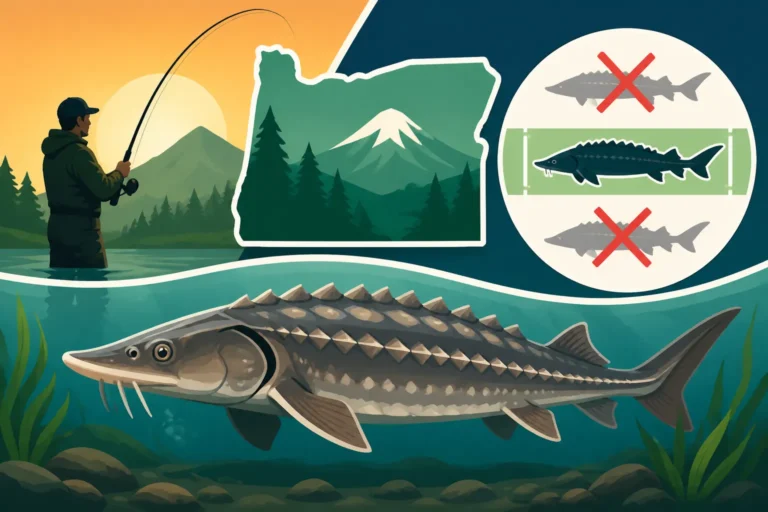
Beyond just the license, game wardens are tasked with verifying a range of compliance factors to ensure the integrity of Oregon's fisheries. This means they might inquire about or inspect several other aspects of your fishing trip. For instance, they'll likely want to see your actual catch to ensure you haven't exceeded Oregon Daily Bag Limits Explained for specific species, or that you're adhering to size restrictions. This is especially true if you’re fishing for salmon, steelhead, or sturgeon, where catch record cards are mandatory.
They might also examine your fishing gear and bait. This is important for areas with specific regulations, such as fly-fishing-only waters, or zones requiring Oregon Barbless Hook Requirements. If you're fishing from a boat, they could also conduct a safety inspection, checking for required safety equipment like life jackets, fire extinguishers, and registration. It’s all part of ensuring safe and lawful enjoyment of the outdoors. Staying organized, perhaps with a waterproof tackle box or a durable bag you could find on Amazon, can make it easier to present your documents and gear quickly when asked. A good practice is to have all necessary documents easily accessible, perhaps in a clear, sealed pouch.
Here's a quick overview of what a game warden might typically check during an encounter:
| Item | Purpose | Key Information |
|---|---|---|
| Fishing License | Verify legal right to fish. | Must be valid for the current season, appropriate type (resident/non-resident, annual/daily), and match your ID. |
| Photo Identification | Confirm identity of the license holder. | Driver's license, state ID, or other government-issued ID. |
| Required Tags/Endorsements | For specific species (e.g., Salmon/Steelhead, Sturgeon). | Must be properly filled out and validated immediately upon retention of a fish, as per Oregon Catch Record Card Requirements. |
| Catch in Possession | Check against daily bag limits, size restrictions, and species regulations. | May include fish in a cooler, livewell, or on a stringer. Be prepared to show all fish. |
| Fishing Gear | Verify compliance with gear restrictions. | E.g., number of rods, use of barbless hooks, bait restrictions in certain areas. |
| Boat/Vessel | Safety check for required equipment (life jackets, horn, fire extinguisher). | If fishing from a boat, wardens ensure vessel safety and registration. |
| Bait | Ensure compliance with bait restrictions in specific waters. | Some rivers or sections are artificial fly or lure only. |
The Importance of Compliance and Potential Consequences of Non-Compliance
It's easy to view a license check as just another hurdle, but it's truly a cornerstone of sustainable angling. Understanding its importance helps us appreciate the work of wardens and the system they uphold. And, of course, knowing the consequences of cutting corners can be a powerful motivator for staying compliant.
Why License Checks Benefit Everyone
Every time a game warden checks a license, they’re contributing to the health and longevity of Oregon's fisheries. The funds generated from Oregon Fishing License Costs and sales are critical, directly fueling conservation efforts across the state. These revenues support fish stocking programs, habitat restoration projects, research into fish populations, and, of course, the enforcement activities that deter illegal fishing. Without these funds, the vibrant fishing opportunities we enjoy in Oregon would quickly diminish.
Furthermore, these checks ensure that everyone is abiding by the rules, which promotes a sense of fairness among anglers. When someone fishes without a license or exceeds limits, they're essentially taking more than their share and undermining the collective effort to manage fish stocks responsibly. Warden checks are a vital tool in maintaining ecological balance and gathering data that informs future Oregon Fishing Season Dates and Limits and management decisions, ensuring that there are plenty of fish for us to catch today and for future generations. It’s an investment in our shared passion for fishing.
Penalties for Fishing Without a License or Other Violations
Skipping out on buying a license or ignoring regulations might seem like a minor infraction, but the consequences in Oregon can be quite severe. What happens if you get caught fishing without a license in Oregon? can range from significant fines to loss of fishing privileges, and in some cases, even more serious legal repercussions. Fishing without a valid license is a Class A violation, and the Oregon fishing without a license fine amount can be substantial, often hundreds of dollars, plus court fees. This fine can quickly overshadow the cost of an annual license, making it a very expensive shortcut.
But it’s not just about the license. Wardens also enforce rules regarding daily and seasonal bag limits, legal methods of take, and protecting endangered species. For example, if you're caught fishing during a closed season or retaining an undersized or oversized fish, the penalties can be even steeper, sometimes escalating to a misdemeanor with potential jail time, especially for repeat offenders or egregious violations. Additionally, individuals convicted of wildlife violations may have their fishing and hunting privileges suspended for a period of time, not just in Oregon but potentially in other states through interstate compacts. It's a stark reminder that responsible angling includes strict adherence to all regulations.
Common Misconceptions and Best Practices
There are often a few lingering questions or myths about game warden authority, and clarifying these can help anglers feel more comfortable and confident when they're out on the water. Knowing what to do and what not to do can make your fishing experience much more enjoyable.
Addressing Myths About Warden Authority
One common misconception is that a game warden needs "probable cause" to check your license or inspect your catch, similar to a police officer needing cause to search a vehicle for criminal activity. In most cases, this isn't true for routine license and catch checks. Fish and wildlife laws in Oregon, like in many states, operate under an administrative search exception. This means that by choosing to engage in a regulated activity like fishing, you are implicitly consenting to inspections designed to ensure compliance with those regulations.
Wardens don't typically need to suspect you of a crime to perform a routine check; it's considered a regulatory enforcement action, not necessarily a criminal investigation at the outset. They are simply ensuring that participants in a regulated activity are following the established rules. This helps them monitor fish populations and deter widespread violations that could harm natural resources. It's also important to remember that their authority extends to checking what you've harvested, ensuring you haven't exceeded any limits or taken prohibited species.
Tips for a Smooth Warden Encounter
Having a smooth interaction with a game warden is all about preparation and a respectful attitude. First and foremost, always ensure you have a valid Oregon fishing license and any necessary tags on your person or easily accessible on your phone. It's a good idea to keep them in a waterproof holder or pouch, easily retrieved from your tackle box or vest.
Secondly, familiarize yourself with the Oregon Fishing Regulations Explained for the specific body of water you're fishing. Regulations, and even the How often do Oregon fishing regulations change, can vary wildly from one river to another, or even by specific sections of the same river, and depending on the species you're targeting. A quick check of the Oregon Department of Fish and Wildlife (ODFW) website or their physical regulation booklet before you head out can save you a lot of trouble. Always keep your catch visible and readily available for inspection, and if you're unsure about a rule, it's always better to ask the warden than to assume. A cooperative and polite demeanor goes a long way in making the check efficient and pleasant for everyone involved.
Disclaimer
This article is for general informational purposes only and does not constitute professional advice. Laws, prices and regulations vary by location and change over time. Consult a qualified professional for guidance on your specific situation.