Best time to fish before a cold front
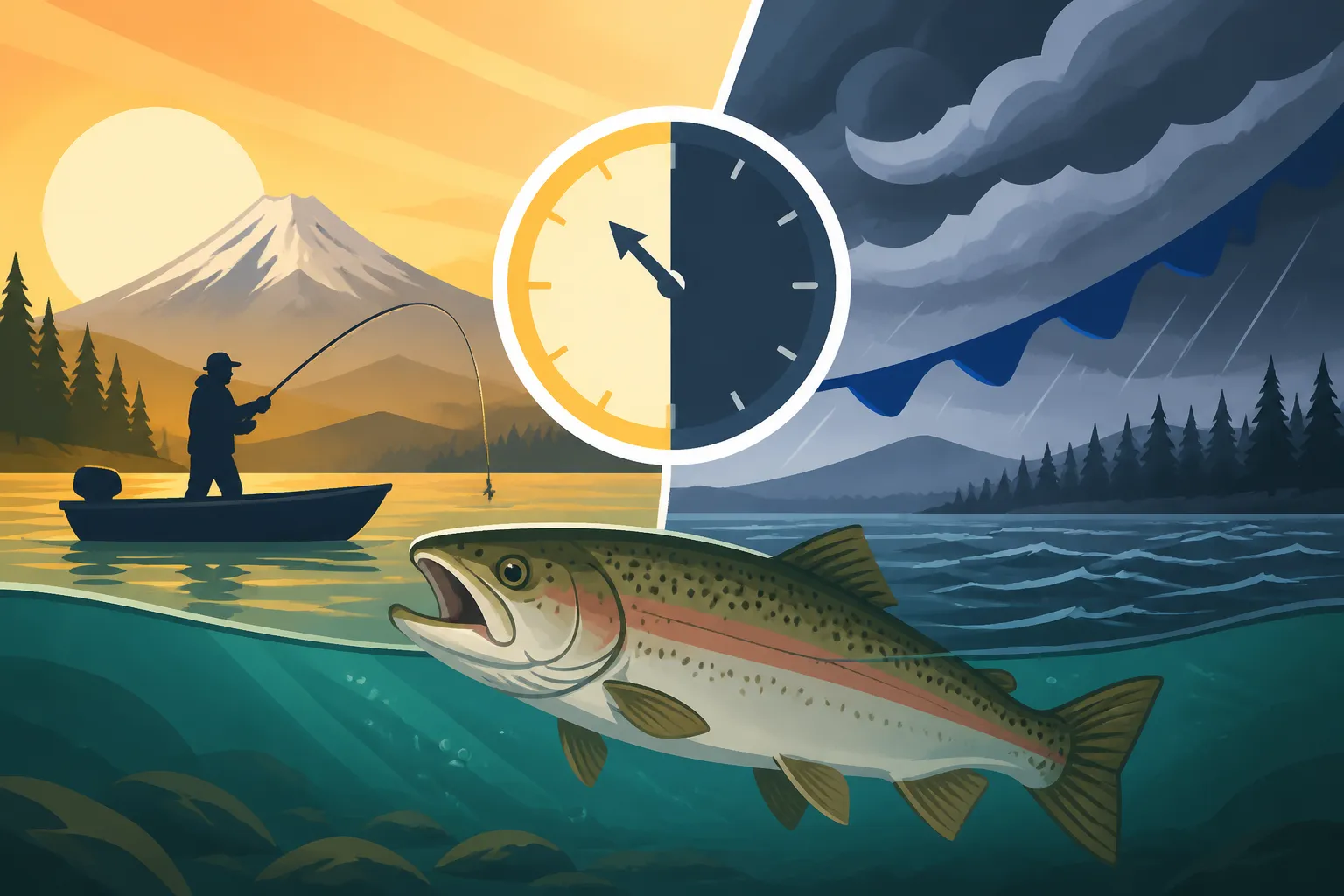
Few things are as frustrating as planning a perfect Oregon fishing trip, only for a sudden cold front to roll in and seemingly shut down all the action. You arrive at your favorite spot, the weather changes, and suddenly the fish just vanish, or become incredibly lethargic. But here's a little secret: a cold front doesn't always mean game over. In fact, the hours before one hits can often present some of the most phenomenal fishing opportunities if you know what to look for and how to react. This guide is all about helping you understand the subtle cues and capitalize on that brief, golden window right before the weather truly sours, turning a potential bust into a bonanza.
Understanding Cold Fronts and Their Impact on Fish Behavior
When we talk about a cold front, we're not just talking about a drop in temperature. It's a complex atmospheric event that triggers a cascade of changes in the environment, and consequently, in fish behavior. Understanding these underlying mechanisms is key to predicting when the fish will be most active.
The Science Behind the Shift
A cold front is essentially a leading edge of a cooler, denser air mass that displaces a warmer one. As this colder air approaches, it brings with it a few critical changes that directly affect the aquatic environment and the fish living in it.
First, and perhaps most importantly for anglers, is the change in barometric pressure. Before a cold front arrives, the air pressure often drops steadily. This decrease in pressure can cause fish to feel a sense of relief from the "weight" of the atmosphere on them and their swim bladders. Imagine a subtle pressure being lifted – it can make them more comfortable and, surprisingly, more active. However, once the front passes, the barometric pressure rises sharply and stabilizes at a higher point, which often puts fish off the bite significantly. This sudden increase in pressure can make their swim bladders contract, causing discomfort and pushing them deeper or making them less willing to move.
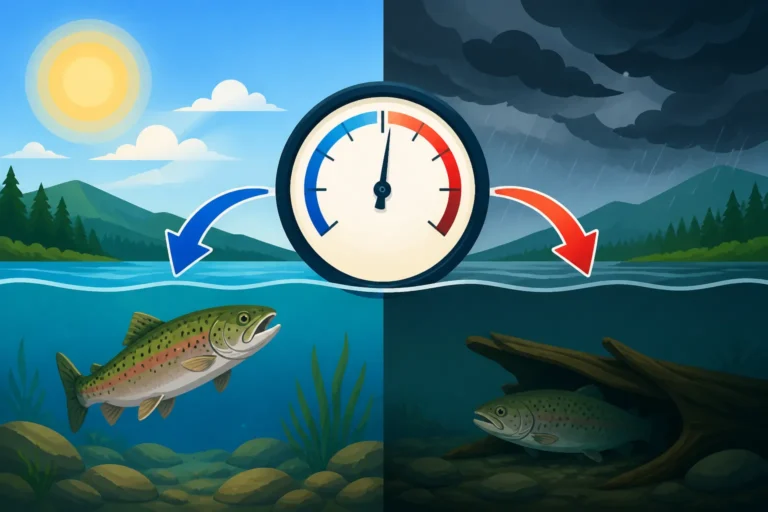
Secondly, you'll see a change in water temperature. As colder air moves in, it begins to cool the surface water, especially in shallower areas. While the immediate drop might not be drastic, it's enough to signal a change. For cold-blooded creatures like fish, even small shifts in temperature can impact their metabolism and activity levels. They know colder times are coming, and their instincts kick in.
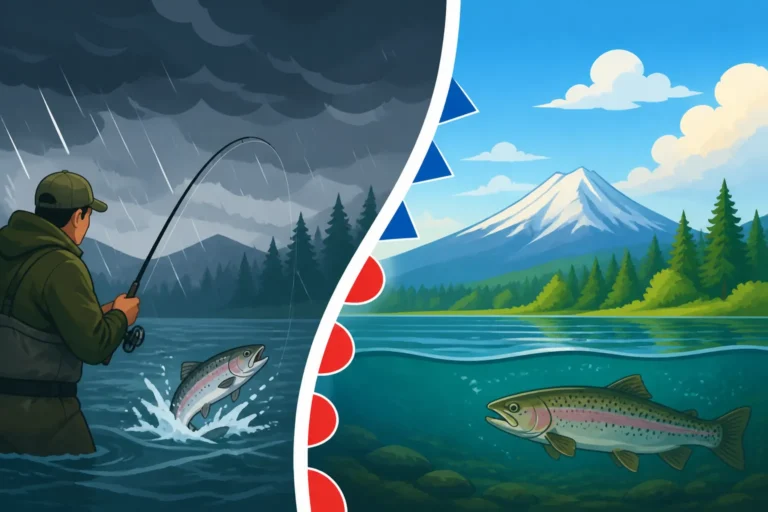
Finally, accompanying these changes are often increased winds and cloud cover. Stronger winds can churn the water, potentially reducing clarity and stirring up food sources, but also making fishing more challenging. Cloud cover reduces light penetration, which can make some fish more comfortable moving into shallower water or being more aggressive during daylight hours, especially those that are typically light-sensitive. These combined environmental shifts create a distinct "pre-front" period where fish are often more active, followed by a "post-front" period where they tend to be much more dormant.
Why Fish Feed Before a Cold Front
So, why do fish often go on a feeding frenzy right before a cold front truly settles in? It boils down to a primal biological imperative: survival. Fish, much like other animals, can sense environmental changes. They don't have weather apps, but they feel the dropping barometric pressure, the shifts in wind, and the subtle cooling of the water.
Their instincts tell them that a period of less favorable conditions is on its way. Colder temperatures mean a slower metabolism, which in turn means less need for food, but also less opportunity to find it easily. A sharp rise in barometric pressure can make them feel uncomfortable and less inclined to move or feed actively. Therefore, before these adverse conditions fully arrive, fish will try to pack in as much food as possible. It's like stocking up the pantry before a big storm hits. They need to fuel up for a potentially long stretch of inactivity and stress. This urgency is what creates that brief, exciting window of heightened feeding activity.
This pre-front feeding behavior is particularly noticeable in species that are highly sensitive to environmental changes or those preparing for winter or spawning periods. For trout in a high mountain lake or smallmouth bass in the John Day River, that pre-front push might be their last good chance to gorge for a few days. They become less cautious, more aggressive, and willing to chase down prey they might normally ignore. This is your cue to be on the water, presenting your offerings with confidence.
Pinpointing the "Best Time" – Reading the Signs
Knowing that a pre-front bite exists is one thing; actually being on the water when it happens is another. The key is becoming a student of the weather and learning to interpret the subtle, and sometimes not-so-subtle, signals Mother Nature sends your way.
Barometric Pressure as Your Key Indicator
If there's one single factor that experienced anglers swear by for predicting fish activity around cold fronts, it's barometric pressure. Fish have a highly sensitive swim bladder that acts like a built-in barometer. As the atmospheric pressure changes, the pressure on their swim bladder changes, affecting their comfort and depth.
The sweet spot for fishing before a cold front is when the barometric pressure is steadily dropping. This falling pressure signals an approaching weather change and often triggers fish to feed aggressively. You want to be on the water during this sustained decline. Once the front passes, and the pressure begins to rise sharply and then stabilizes at a high level, the bite usually shuts down. This high, stable pressure can make fish feel uncomfortable, pushing them deeper and making them lethargic.
So, how do you monitor this? Modern technology makes it easier than ever. Start by checking your local weather forecast religiously. Many weather apps and websites provide current barometric pressure readings and trends. Look for predictions that show a clear decrease in pressure over several hours, leading up to the forecast cold front. For a more on-the-spot reading, you can even find portable fishing barometers or weather radios on Amazon that give you real-time pressure data. Having one in your tackle box can be invaluable for making real-time decisions on the water. Don't just look at the current reading; pay attention to the trend. A slow, steady drop is your golden ticket.
Observing Cloud Patterns and Wind Shifts
Beyond the invisible changes in pressure, there are plenty of visual cues in the sky and on the water that can tip you off to an impending cold front.
Keep an eye on the cloud patterns. Before a cold front, you might notice an increase in high, wispy cirrus clouds, which gradually thicken into altocumulus or stratocumulus as the front gets closer. These clouds often herald the arrival of cooler air and precipitation. If you see the sky turning a uniform grey or dark, with distinct cloud lines moving in, chances are a front is on its way. These conditions, especially when combined with dropping pressure, are a strong indicator that the fish might be getting active.
Wind shifts are another major clue. Often, before a cold front, the wind will pick up and shift direction, typically from the south or southwest to the west or northwest as the front passes. The increasing wind speed can be a nuisance for anglers, making boat control difficult and casting a challenge. However, this churning action can also stir up baitfish and insect larvae, creating a feeding opportunity for larger game fish. While fishing in heavy wind isn't always pleasant, it often coincides with that pre-front surge in activity. Always be mindful of your surroundings; if the winds are getting dangerously high, prioritize safety and get off the water.
Temperature Swings and Other Environmental Clues
The subtle changes in temperature, both air and water, can also signal an approaching front, as can other environmental factors.
You might notice a gradual cooling of the air even before the full front hits. A mild, pleasant day might start to feel noticeably cooler, especially in the evening. This gentle cooling, combined with the other signs, is another green light. Pay attention to water temperatures too, particularly in shallower bays or flats. A slight dip can sometimes trigger fish to feed more aggressively before conditions get truly cold.
Also, observe insect activity. For trout anglers, a sudden burst of insect hatches or increased activity from baitfish can be a strong indicator. Fish aren't the only ones sensing the change; their prey species might also be reacting. A flurry of minnows jumping or a hatch of mayflies could mean everything in the food chain is getting ready for a downturn, and that means larger fish will be on the hunt. In estuary environments along the Oregon coast, you might see bait balls forming or being pushed closer to the surface by predatory fish, which is a clear sign they are actively feeding. Checking the local fishing reports or talking to bait shops about recent activity can also give you crucial intel.
Tactical Approaches for Pre-Front Fishing in Oregon
Once you've identified that precious window before a cold front, it's time to adjust your tactics. What works on a calm, stable day might not cut it when fish are in a pre-front feeding frenzy.
Aggressive Presentation and Location Focus
When fish are actively feeding before a cold front, they tend to be less shy and more willing to chase. This is your cue to dial up the aggression in your presentation.
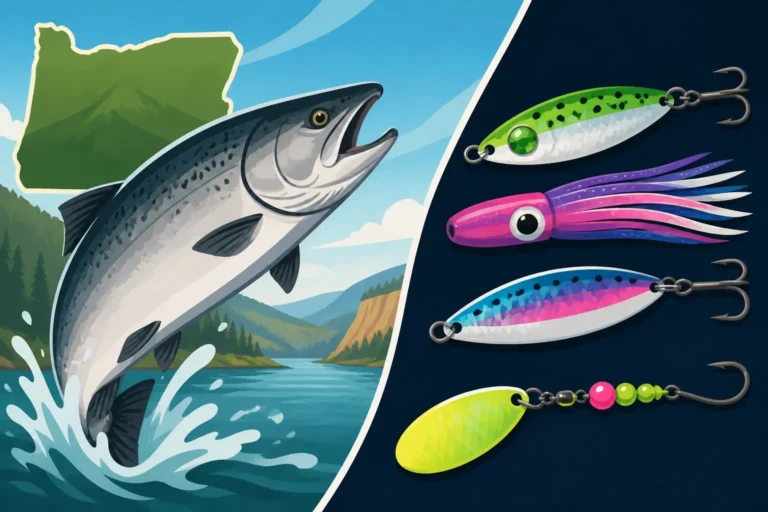
Think faster retrieves and larger, more erratic baits or lures. Instead of subtle twitches, try a more aggressive jigging motion for kokanee or a faster retrieve for smallmouth bass. For salmon or steelhead, consider brighter, more flashy hardware or a larger bait offering. Fish are often looking for a substantial meal, so don't be afraid to go big. This heightened activity can even make them less selective, giving you a wider range of effective presentations. For instance, if you're targeting Chinook Salmon in Oregon, a faster trolled plug or a bigger spinner could be just the ticket.
In terms of location, fish often move into shallower areas or prime feeding lanes. Before the front, they might be comfortable moving up from deeper holding water to forage. Look for structure like submerged logs, weed lines, rock piles, or current seams where baitfish might be congregating. These are also areas where water temperatures might still be slightly warmer or food more accessible. For river anglers, focus on the edges of strong current, eddies, and tailouts where fish can ambush prey without expending too much energy. If you're on a lake or reservoir, targeting points, humps, and flats adjacent to deeper water can be highly productive.
Gear and Bait Considerations
Your gear choices can make a significant difference in maximizing that pre-front bite. You want to use tackle that can handle aggressive takes and baits that stand out.
Lures with more vibration, flash, or scent tend to be particularly effective. Consider using crankbaits, spinnerbaits, or vibrating jigs for bass. For trout, brighter colored spinners, spoons, or even larger patterns of flies can entice a strike. Many anglers also find that live bait, if permitted, can be absolutely deadly during this time. A lively nightcrawler, a vigorous minnow, or fresh cured salmon eggs can trigger an undeniable strike when fish are in an eating mood. Amazon offers a wide variety of tackle options that fit this aggressive profile, from flashy spoons to scented soft plastics. Make sure your lines and leaders are fresh and strong; an aggressive bite can lead to quick battles!
Don't forget about scent attractants. Many fish rely heavily on their sense of smell, and adding a strong attractant to your lures or baits can make them even more irresistible when fish are trying to maximize their caloric intake. Think about how hungry you get when you smell something delicious – fish aren't that different. A good quality scent can make a difference, especially if the water clarity is less than ideal due to increased wind.
Safety and Preparedness
While chasing the pre-front bite can be exhilarating, it's crucial to prioritize safety and preparedness. Cold fronts, by their very nature, bring rapidly changing weather conditions.
Always keep a close eye on the forecast, even if you're already on the water. Bring extra layers of clothing, including waterproof outerwear, because that comfortable pre-front breeze can quickly turn into a chilling wind with driving rain or even snow. A sudden squall can make conditions dangerous on the water, especially in open boats or on exposed shorelines. If you're out in a boat, make sure all your safety gear is easily accessible, and your vessel is in good working order. Know your limits and don't hesitate to cut your trip short if the weather turns genuinely foul. Remember, no fish is worth risking your well-being. Knowing How to Check Oregon Emergency Fishing Closures is also essential, as authorities may close waters for safety or conservation.
Species-Specific Pre-Front Behavior in Oregon
Different fish species react to approaching cold fronts in slightly different ways, reflecting their unique biology and preferred habitats. Understanding these nuances can further refine your pre-front strategy in Oregon's diverse waters.
Trout and Kokanee
For trout – be it rainbows in a high Cascade lake or cutthroat in a coastal stream – the pre-front window often sees them becoming more active feeders, especially if the initial drop in barometric pressure also correlates with increased insect hatches. In rivers like the Deschutes or Metolius, you might see a flurry of activity, with trout becoming less selective and more willing to hit larger, more visible flies or lures. They'll often move from their deeper holding lies into feeding lanes or shallower riffles and runs.
Kokanee salmon, often found in Oregon's larger lakes and reservoirs like Wallowa Lake or Lake Billy Chinook, are plankton feeders, but they also respond to barometric pressure. Before a front, they might feed more aggressively on zooplankton near the surface or be more inclined to strike trolled lures that mimic their food source. Speeding up your troll slightly and using brighter, flashier dodgers or kokanee hoochies can be highly effective during this pre-front window. They know that once the cold settles in, their food source might become less accessible or they might simply become less inclined to feed actively themselves.
Salmon and Steelhead
Salmon and steelhead, especially those actively migrating or staging for spawning, often exhibit a marked increase in aggression before a cold front. These fish are driven by powerful instincts, and the approaching weather change can kick that instinct into overdrive.
For spring Chinook on the Willamette or fall Chinook on the Columbia, the pre-front drop in pressure can make them more likely to grab a trolled plug, a diver with bait, or a bobber-and-jig setup. They might be trying to fuel up for the arduous journey ahead or reacting to the environmental cues that signal a change. Similarly, steelhead, whether summer-run on the Deschutes or winter-run on a coastal river like the Umpqua, can become more assertive. They might move through runs more quickly, or be more willing to chase a drift presentation or a swung fly. During this time, they might not be actively feeding in the traditional sense, but their aggressive "strike" instinct is heightened, making them susceptible to a well-presented lure or fly. For more specific tactics, check out Oregon Salmon Fishing Techniques or Oregon Steelhead Fishing Techniques.
Bass and Warmwater Species
Smallmouth bass and largemouth bass, along with other warmwater species like crappie and perch, are incredibly sensitive to barometric pressure changes. Before a cold front, they often go on a full-blown binge.
Smallmouth bass in rocky Oregon rivers like the John Day will move into shallower eddies and current breaks, actively hunting crayfish and baitfish. They'll smash crankbaits, spinnerbaits, or soft plastics with gusto. In lakes and reservoirs, largemouth bass will often stage on the edges of drop-offs or shallow flats, ready to ambush prey. This is when topwater lures can be incredibly exciting, as bass become less cautious about striking on the surface. They know the post-front period will likely mean deeper water and less activity, so they capitalize on the brief window of comfort and opportunity. Similarly, crappie might school up more tightly and be easier to locate, aggressively hitting jigs or minnows before they scatter and become finicky after the front passes.
The takeaway here is to adapt your approach based on the species, but generally, assume a more aggressive posture for your fishing when you sense a cold front is brewing.
What to Expect Before and After a Cold Front
To help you visualize the changes, here's a quick summary of what generally happens with the weather and fish activity surrounding a cold front:
| Indicator | Before Cold Front | After Cold Front |
|---|---|---|
| Barometric Pressure | Steadily falling | Sharply rising, then high and stable |
| Air Temperature | Mild to warm, gradually cooling | Significantly colder, often windy |
| Wind | Increasing, often shifting (e.g., S to W/NW) | Strong and consistent (e.g., NW), then calmer |
| Clouds | Increasing, thickening; cirrus to stratocumulus | Clear skies, or scattered cumulus |
| Precipitation | Possible showers or rain | Often dry, sometimes snow (depending on temp) |
| Fish Activity | Highly active, aggressive feeding | Lethargic, inactive, difficult to catch |
| Fish Location | Shallower water, feeding lanes, cover | Deeper water, tight to bottom or heavy cover |
| Bite Strength | Strong, confident strikes | Light, subtle bites, finicky |
This table serves as a general guide. Remember, nature always has its exceptions! But by paying attention to these indicators, you significantly improve your chances of hitting that sweet spot. You can even check out products on Amazon like compact weather stations for more detailed on-the-water readings to keep track of these changes.
Disclaimer
This article is for general informational purposes only and does not constitute professional advice. Laws, prices and regulations vary by location and change over time. Consult a qualified professional for guidance on your specific situation.