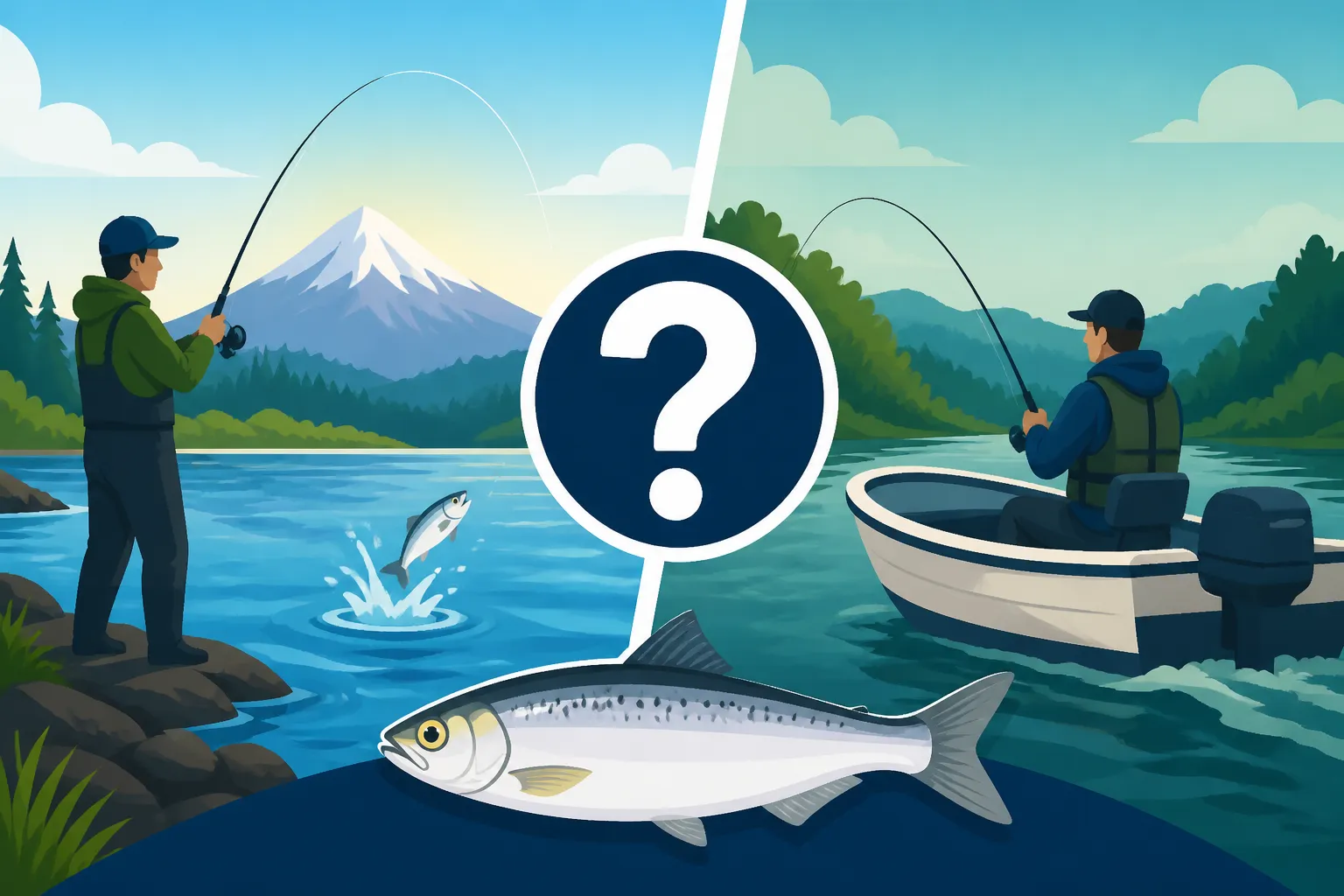
Do you need a boat to catch shad?
You know, for a lot of folks, the idea of a serious fishing trip conjures up images of big boats, expensive gear, and navigating open waters. It can feel like a huge barrier, especially if you're just starting out or working with a budget. But when it comes to chasing American Shad in Oregon, I've got fantastic news: you absolutely do not need a boat to have an incredibly successful, and frankly, thrilling, day on the water. This guide will walk you through everything you need to know to hit the banks and load up on these feisty, often overlooked, fish.
The Short Answer: No, You Absolutely Don't Need a Boat for Shad in Oregon
Let's cut right to the chase because it's the question on everyone's mind: do you need a boat to catch shad in Oregon? The unequivocal answer is no, a resounding no! In fact, some of the most productive and enjoyable shad fishing in the state happens right from the riverbanks. Don't let the lack of a vessel deter you from experiencing one of Oregon's most exciting and accessible fisheries.
This is often a huge relief for anglers, particularly those new to the sport or families looking for a low-cost, high-fun outdoor adventure. You don't need to worry about boat ramps, fuel costs, or trailer maintenance. Just grab your gear, find a good spot on the bank, and you're ready to go. The accessibility of this fishery is one of its biggest draws, allowing anyone to partake in the spring frenzy of the shad run.
Why Bank Fishing for Shad is So Effective
The reason bank fishing is so effective for shad boils down to their migratory behavior and preferred holding patterns during their spawning run. When American Shad enter Oregon's rivers, particularly the Willamette, they tend to hug the banks and concentrate in certain areas as they push upstream. They're often found in relatively shallow, current-seamed areas, making them perfectly reachable from shore.
These fish are not typically out in the middle of the deepest channels. Instead, they seek out lanes of moderate current and eddies along the river's edge, often near structure or changes in bottom contour. This means that a cast of 20-40 feet from the bank can often put your lure right into a prime shad highway. You'll frequently find them stacked up in these accessible spots, making for fast-paced action that's hard to beat. It’s almost like they’re putting on a show just for us bank anglers!
The Unique Nature of the Shad Run
American Shad are anadromous, meaning they spend most of their lives in the ocean but return to freshwater to spawn, much like salmon. However, unlike salmon, shad are not after a specific spawning bed to die on. They return to spawn and then often head back out to sea, some even returning multiple times over their lives. This migratory pattern brings them into the rivers in massive numbers, creating a fantastic opportunity for anglers.
The sheer volume of fish during the peak of the shad run is astounding. When they're in, they're really in, and you can often catch dozens of fish in a single outing. This high-volume fishing is part of what makes shad such a blast, especially for kids or beginners who might get discouraged with long periods of no bites. The consistent action keeps everyone engaged and excited, proving that you don't need fancy equipment to have an epic day of fishing. They're like the energetic, silver bullets of the river! If you want to learn more about Shad in the Willamette River, it's a fascinating species.
Prime Oregon Bank Fishing Spots for Shad
While shad can be found in several Oregon waterways, there are definitely some standout locations where bank access is excellent and the fishing is consistently hot. Knowing where to go is half the battle, and these spots are proven producers year after year.
Willamette River: The Shad Mecca
Without a doubt, the Willamette River is the undisputed champion for American Shad fishing in Oregon, and it offers incredible bank access. The river hosts one of the largest shad runs on the West Coast, and when they arrive, they come in staggering numbers. The Willamette's urban and semi-urban stretches make it incredibly convenient for many anglers to reach.
One of the most famous and productive spots is the Willamette Falls area in Oregon City. Below the falls, shad congregate in huge numbers before attempting to navigate the fish ladders. The banks here, particularly at the Sportcraft Landing and the surrounding parks, are often lined with anglers enjoying non-stop action. There's ample parking and easy access to the water's edge, often paved pathways or gravel banks that are perfect for setting up a folding chair. Just be prepared for crowds during peak season, as word gets out quickly when the shad are biting. Downstream from the falls, spots like Meldrum Bar Park near Canby also offer fantastic opportunities, with long stretches of accessible bank. Even closer to Portland, areas like Willamette Park and various boat ramps can provide access, though the bite might be spottier than further upstream. Best Spots on the Willamette River for Spring Chinook is another great read if you enjoy fishing this river.
Other Accessible Rivers
While the Willamette takes center stage, other rivers do see shad runs and offer bank fishing opportunities, albeit often on a smaller scale. The Columbia River, particularly its tributaries and lower mainstem sections, can also hold shad. However, the sheer size and power of the Columbia often make bank fishing more challenging, with fewer prime access points compared to the Willamette. Nevertheless, certain areas with slower currents or eddies, especially near tributary mouths, might offer some action for persistent bank anglers.
For instance, some stretches of the Sandy River or the Clackamas River near their confluence with the Willamette or Columbia can have scattered shad, though they are usually in much smaller numbers and often targeted more for other species like salmon or steelhead. It's always a good idea to check local fishing reports or chat with tackle shop employees in those areas for the most up-to-date information on shad presence. For the most consistent and accessible bank fishing, the Willamette remains king.
Gearing Up for Bank Shad Success
One of the best things about shad fishing is that you don't need a massive investment in specialized gear. It's a very budget-friendly fishery, which just adds to its appeal, especially if you're outfitting a whole family. You can often get by with gear you might already have for trout or panfish.
Simple Rods, Reels, and Lines
For shad, a lightweight to medium-light spinning rod, around 6 to 7.5 feet in length, is ideal. This gives you enough backbone to cast your lures a decent distance while still providing plenty of sensitivity to feel those quick, subtle shad bites. The fight of a shad on light tackle is surprisingly spirited – they're often called "poor man's tarpon" for a reason! They will put a deep bend in that rod and give you a fantastic fight.
Pair your rod with a small to medium-sized spinning reel (think 1000 to 2500 series). Spool it with 4 to 8-pound monofilament or braided line. Monofilament is often preferred by beginners due to its stretch and forgiveness, while braid offers greater sensitivity and casting distance. If using braid, a fluorocarbon leader of a few feet, in the same pound test, can be beneficial for stealth and abrasion resistance. You don't need anything fancy here; reliable, off-the-shelf combos work perfectly. Many anglers find a great selection of these smaller, lightweight setups online, often from retailers like Amazon, or at their local sporting goods store.
The Mighty Shad Dart and How to Fish It
When it comes to lures for American Shad, there's one king: the shad dart. These small, weighted jigs are incredibly effective and come in a variety of colors and weights. Typically, 1/8 to 1/4 ounce darts are sufficient for most bank fishing scenarios in Oregon's rivers. Colors can vary, but chartreuse, pink, orange, and white are perennial favorites. Often, combinations of these colors work wonders, like a chartreuse body with an orange head, or a pink body with a white tail.
Sometimes, anglers will add a small piece of brightly colored plastic or a grub tail to the dart for added attraction, especially in murky water. Beyond darts, small spoons or spinners (like Rooster Tails or Mepps) can also catch shad, but darts are usually the go-to. The beauty of the dart is its simplicity: cast it out, let it sink slightly, and retrieve it with a slow, steady retrieve, often adding a subtle jigging motion to give it some extra life. The key is to keep it moving just above the river bottom where shad are often holding.
Maximize Your Shad Haul: Timing, Techniques, and Tips
Catching a few shad is easy, but consistently catching a bunch requires understanding their habits, the best times to fish, and refining your technique. This is where your bank fishing prowess truly shines!
When to Plan Your Shad Adventure
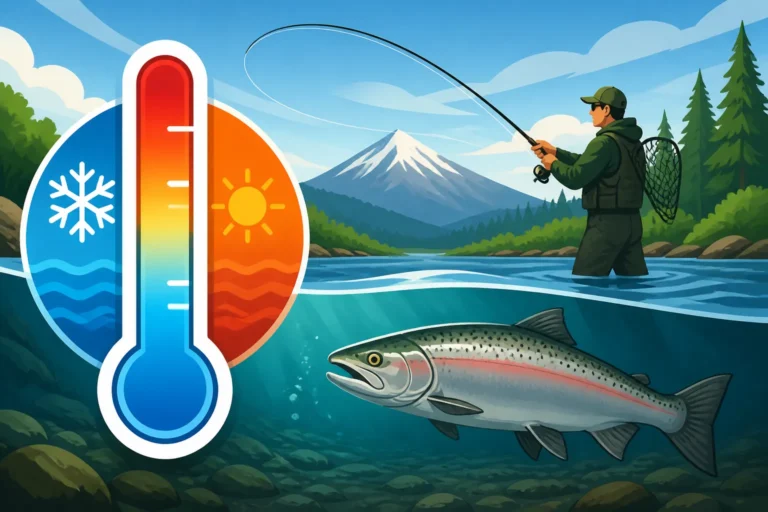
The American Shad run in Oregon typically kicks off in late April, peaks in May, and can extend into early June, depending on water temperatures and river flows. The peak of the run, usually in mid-May, is when you'll find the most fish and the most consistent action. Warmer water temperatures (around 55-65°F) generally trigger their strongest push upstream and best biting activity.
Daily timing is also crucial. Shad are often most active during the morning and late afternoon/early evening hours. These periods, often referred to as "prime time," typically offer cooler water temperatures and lower light conditions, which seem to get the shad more aggressive. However, during the peak of the run, especially at hot spots like Willamette Falls, you can often find consistent action throughout the entire day. Keep an eye on local fishing reports or check in with tackle shops, as they often get real-time updates on when the shad are "in." This can make all the difference in planning a successful trip. You can also monitor Oregon Fishing Season Dates and Limits for general guidance on timing.
Effective Bank Fishing Techniques
Successfully fishing for shad from the bank involves a few key techniques and observations:
- Reading the Water: Look for seams where faster current meets slower water, eddy lines, and areas downstream of submerged obstacles or river bends. These are prime holding areas for shad as they rest and funnel upstream. Observing other anglers can also give you clues to where the fish are concentrated.
- Fan Casting: Instead of casting to the same spot repeatedly, fan cast your lure across a wide arc in front of you. Start by casting slightly upstream and allowing your dart to swing downstream with the current, retrieving it as it goes. Gradually move your casting angle further downstream, covering as much water as possible. This helps you locate where the schools of shad are holding.
- Vary Your Retrieve: While a slow, steady retrieve is often effective, don't be afraid to experiment. Try adding short pauses, quick jerks, or varying the depth at which you're retrieving. Sometimes, a slight change in presentation can trigger a bite when nothing else will. If the water is deep enough, allowing the dart to sink closer to the bottom before starting your retrieve can also be key.
- Two-Dart Rig: Many experienced shad anglers use a two-dart rig. This involves tying two shad darts about 12-18 inches apart on your leader. The heavier dart is usually on the bottom to help with casting and getting depth, while the lighter dart is above it. This setup doubles your chances of a bite and allows you to experiment with different color combinations simultaneously. Just be mindful of tangles, especially with vigorous fighting shad!
- Handling Your Catch: Shad are generally pretty hardy, but it's good practice to handle them gently if you plan to release them. A pair of pliers can be useful for quickly removing hooks, especially if the fish has swallowed the dart deeply. If you're keeping them for the table, remember to bring a cooler with ice, as their flesh is delicate. How to fill out an Oregon catch record card is a good resource if you are required to log your catch.
By mastering these simple yet effective bank fishing techniques, you'll be well on your way to enjoying the fantastic bounty of Oregon's American Shad run, all without ever needing to step foot in a boat. It's truly a testament to how accessible and rewarding fishing can be.
Bank Fishing vs. Boat Fishing for Shad: A Comparison
While this article focuses on bank fishing, it's helpful to understand the key differences between fishing for shad from shore versus from a boat. Both have their merits, but for many, bank fishing simply makes more sense.
Here's a quick comparison to highlight why bank fishing often wins for shad:
| Feature | Bank Fishing for Shad | Boat Fishing for Shad |
|---|---|---|
| Accessibility | Very high. Easy access to popular spots, often within urban areas. No boat launch or trailer needed. | Moderate to low. Requires boat launch access, trailer, and boat maintenance. |
| Cost | Very low. Minimal gear investment, no fuel or boat-related expenses. | Moderate to high. Boat purchase/maintenance, fuel, moorage/launch fees, more specialized electronics. |
| Flexibility | High. Can quickly move to different spots if one isn't producing. | Moderate. Requires pulling anchor, repositioning, sometimes navigating crowded waterways. |
| Effort | Low physical effort. Can sit and fish comfortably. | Moderate physical effort. Maneuvering boat, operating gear, fighting current. |
| Targeting Fish | Excellent for targeting fish concentrated near shore or specific current seams. | Good for covering wider areas, deeper channels, or finding unpressured schools. |
| Safety | Generally very safe, staying on solid ground. | Requires more awareness of boating safety, currents, and other boat traffic. |
| Social Aspect | Can be very social, with many anglers sharing a stretch of river. | More isolated, or limited to small groups on the boat. |
As you can see, for American Shad, the advantages of bank fishing are quite compelling. It democratizes the sport, allowing anyone to participate without significant financial or logistical hurdles. The fish naturally come to you, making it an ideal scenario for a relaxing day by the water, reeling in one hard-fighting shad after another. So, next time you're thinking about chasing these silver beauties, remember: your two feet and a good spot on the bank are all the "vessel" you truly need.
Disclaimer
This article is for general informational purposes only and does not constitute professional advice. Laws, prices and regulations vary by location and change over time. Consult a qualified professional for guidance on your specific situation.