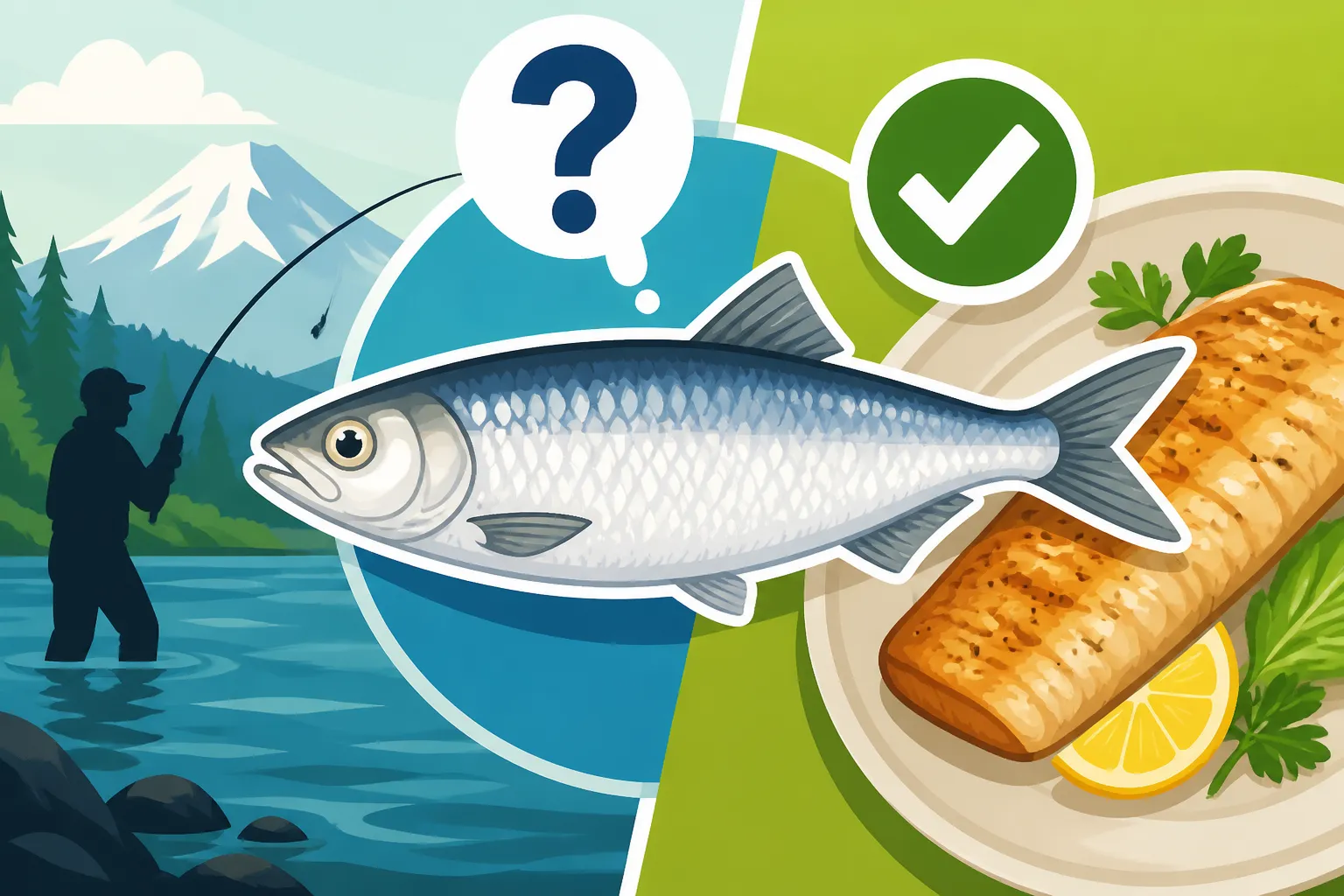
Are shad good to eat?
It's a question that often crosses an angler's mind when they hook into one of those spirited fighters during the spring and early summer runs: "Are shad actually good to eat, or are they just a bony nuisance?" Many folks in Oregon feel a mix of excitement at the fight and apprehension about bringing them home to the kitchen. This guide will dive deep into the world of American Shad, unraveling the mystery of their culinary potential and sharing practical advice to turn this often-overlooked fish into a delicious meal.
The American Shad: An Oregon Angler's Enigma
The American Shad, often called the "poor man's salmon" or "poor man's tarpon" for its strong fight, is a truly remarkable fish that makes incredible migrations from the ocean into our freshwater rivers. While they might not get the same glamour as salmon or steelhead, they offer a unique and exciting fishery for those willing to give them a try.
A Brief Introduction to an Anadromous Fish
Like their more famous salmonid cousins, American Shad are anadromous, meaning they spend most of their lives in the ocean before returning to freshwater to spawn. They're part of the herring family, and they arrive in our rivers in huge numbers, primarily to reproduce. Unlike Pacific salmon, however, shad can spawn multiple times throughout their lives, making annual pilgrimages upstream. They are beautiful, silvery fish with a distinctive row of spots along their sides. Their sheer abundance in Oregon rivers provides an incredible opportunity for anglers, especially those looking for consistent action when other fisheries might be slower. The thrill of a shad hitting a dart lure on light tackle is something every Oregon angler should experience.
Where and When to Find Shad in Oregon
When you're looking for shad in Oregon, your thoughts should immediately turn to the major river systems. The Willamette River and the Columbia River are the absolute superstars when it comes to shad runs. These feisty fish typically start showing up in good numbers in late April, with the peak season running through May and often into early June. Think of it as a big, accessible fishery that comes alive just as spring is truly blossoming. You can find them in shallower, faster-moving water, often in channels or eddies where they can rest before continuing their upstream journey. If you're wondering Best time of year to fish for shad on the Willamette, know that late spring is prime. Access points are plentiful, from public docks and parks to gravel bars. Sometimes, you don't even need a boat; many anglers have great success bank fishing. Learning How to catch shad with a dart lure is key, as these small, colorful lures are incredibly effective.
Unpacking the Flavor and the Frustration: Why Shad are a Culinary Puzzle
Now, let's get to the heart of the matter. Many people are hesitant about shad, and it's almost always for one big reason: the bones. But beneath that bony exterior lies a rich, delicious, and incredibly nutritious fish that's well worth the effort.
The Delightful Taste and Nutritional Bounty
When prepared correctly, American Shad has a flavor that truly stands out. It's often described as rich, savory, and distinctly "fishy" in the best possible way, similar to mackerel or sardine, but milder. The meat is flaky and has a lovely, robust texture that holds up well to various cooking methods. This isn't a delicate white fish; it's a flavorful, oily fish that offers a satisfying meal.
Beyond its taste, shad is a nutritional powerhouse. It's packed with omega-3 fatty acids, which are fantastic for heart and brain health. It's also an excellent source of protein, vitamins B6 and B12, and minerals like selenium and phosphorus. Considering its abundance and relatively easy access, shad is an incredibly healthy and sustainable food source. If you're comparing it to other fish, you'll find it stacks up well against many pricier options.
The Bone Barrier: The #1 Reason for Hesitation
Let's be honest: the bones are the main obstacle. Shad are notoriously bony, earning them the nickname "1,000-bone fish" (though it's closer to 300, it feels like a thousand!). These aren't just your typical backbone and rib bones; shad have a unique system of tiny, Y-shaped intermuscular bones running throughout their fillets. For many, the idea of picking through a mouthful of tiny bones is enough to deter them from even trying.
This bone structure is what makes shad a "puzzle" for the kitchen. If you simply cook a shad fillet like you would a salmon or a cod, you're going to have a very frustrating eating experience. This is why techniques for preparing shad are so crucial – they're designed to either remove these bones, or render them harmless. The good news is, with a little knowledge and patience, you absolutely can overcome this hurdle and enjoy a fantastic meal.
Conquering the Bones: Proven Techniques for Delicious Shad
Don't let the bones scare you away! There are tried-and-true methods that seasoned anglers and chefs have used for generations to make shad not just edible, but truly enjoyable. It's all about understanding the fish and applying the right technique.
The Art of Filleting: A Step-by-Step Approach
While a standard fillet knife will work, some anglers find specialized tools helpful. The key to filleting shad to minimize bones is a technique often called "boning out." Instead of simply running your knife along the backbone, you actually make a series of cuts to remove the main rib cage, and then carefully separate the two layers of the fillet where the Y-bones are most concentrated.
Here's a simplified breakdown:
- Basic Filleting: Start by making the usual cuts down the back and behind the gill plate to remove a whole fillet.
- Rib Cage Removal: Carefully cut out the rib cage section.
- The Y-Bone Cut: This is the critical part. Lay the fillet skin-side down. You'll notice two distinct bands of muscle. Using a sharp, flexible fillet knife (you can find great options on Amazon), make a shallow cut along the top of the upper muscle band, separating it from the lower band. Then, repeat this along the bottom of the lower muscle band. This essentially gives you three strips: a boneless top strip, a boneless bottom strip, and a middle strip containing the majority of the Y-bones. You can then discard the middle strip or use it for grinding.
- Skinning: Remove the skin from the boneless strips.
It takes practice, but once you get the hang of it, you can quickly process a few shad. Many find watching an online tutorial incredibly helpful the first few times. Remember, even if your fillets aren't perfect, the next steps can still save the day! You might consider investing in a high-quality, flexible fillet knife, which you can easily find through retailers like Amazon.
Creative Cooking Methods to Transform Shad
Beyond filleting, the way you cook shad can also make a huge difference in managing those pesky bones. Here’s a look at some popular and effective methods:
| Cooking Method | Description | Bone Management Strategy | Flavor Profile Enhancement |
|---|---|---|---|
| Smoking | Slow cooking over wood smoke, often after brining. | The long, slow heat softens the bones to the point where they become palatable and virtually disappear into the flaky meat. Best for whole fish or large fillets. | Deep, smoky flavor; perfect with a sweet or savory glaze. |
| Canning | Pressure cooking whole or filleted shad in jars, similar to home-canned salmon or tuna. | The intense pressure and prolonged heat in the canning process completely softens the Y-bones, rendering them undetectable. | Rich, savory, and ready for sandwiches, salads, or crackers. |
| Baking/Roasting | Cooking fillets or whole fish at high temperatures in an oven. | If done with boneless fillets, it’s straightforward. If cooking with bones in (e.g., whole fish), scoring the fish deeply before baking can help cook the bones to a softer state. | Crispy skin, moist interior. Pairs well with herbs, lemon, and butter. |
| Frying/Pan-Searing | Quickly cooking fillets in hot oil or butter. | Best for completely de-boned fillets. If you're frying fillets that still have some Y-bones, smaller pieces are easier to manage, or focus on very crispy preparation to make bones brittle. | Golden-brown crust, tender inside. Great with a cornmeal crust or simple seasoning. |
| Grinding/Minced | Processing the fish (bones and all) through a meat grinder. | This method eliminates the bone problem entirely, as the bones are crushed into tiny, unnoticeable pieces. | Versatile for patties, fish cakes, or spreads. |
Smoking shad is a truly fantastic way to enjoy them. The long, slow heat in a smoker softens those Y-bones so much that they practically dissolve, leaving you with wonderfully flaky, smoky fish. For this, you can often leave the bones in, especially for smaller fish. Brining them first enhances the flavor and moisture. Another excellent option, especially for handling larger quantities of fish after a successful day on the river catching Shad in the Willamette River, is canning. Much like canned salmon, the high-pressure cooking process breaks down all those tiny bones, making them completely edible and unnoticeable. It's a bit of work upfront, but you'll have delicious, boneless shad ready for sandwiches, salads, or crackers for months.
You can also bake or roast larger fillets. While this won't dissolve the bones, if you've done a good job filleting, any remaining bones can often be picked out more easily after cooking. Some chefs recommend scoring the fillets deeply across the bone lines before baking, which can help some bones become more brittle.
Beyond Fillets: Embracing Shad Roe and Other Preparations
It’s not just the meat of the shad that’s prized; the roe (eggs) of the female shad is considered a delicacy by many. Often likened to caviar, shad roe is rich, creamy, and flavorful. It can be pan-fried, poached, or sautéed, and is a seasonal treat that serious foodies eagerly await. If you're harvesting female shad, don't discard the roe! It's an incredible bonus.
Another way to enjoy shad, particularly if you're not keen on the intricate filleting, is to grind the whole fish (after gutting and heading) to make fish cakes or patties. The grinding process pulverizes the bones into tiny, harmless particles, making them completely edible and adding calcium to your meal. You can then mix the ground shad with breadcrumbs, herbs, and spices to create delicious, bone-free fish cakes that fry up beautifully. Think of them like salmon patties, but with that distinctive, rich shad flavor. This is an excellent option for using up the bonier parts of the fish or if you simply prefer a quicker processing method.
Embracing Shad: A Sustainable and Rewarding Oregon Fishery
Beyond the dinner plate, understanding the role of shad in our ecosystem and the regulations surrounding their harvest makes the experience even more enriching. This isn't just about catching a fish; it's about participating in a robust and healthy fishery.
Ecological Role and Abundance
American Shad are incredibly abundant in Oregon's major rivers during their spawning runs. Unlike many other species, their populations are generally very healthy, and they're often not subject to the same strict limits as salmon or steelhead. In fact, in some areas, harvesting shad is encouraged, as they provide a significant food source and don't typically compete directly with native salmonids in a detrimental way, especially when they are simply passing through to spawn. Their sheer numbers mean that anglers can often enjoy high-volume fishing, providing plenty of action and a good opportunity to hone skills without significant impact on the species' sustainability. This abundance is one of the reasons they are such a rewarding fish to target. Anglers often appreciate the consistent action, especially on days when salmon or steelhead fishing is slow. If you're new to fishing in Oregon, targeting shad can be a fantastic way to build confidence. It’s important, however, to always check the most current Oregon Fishing Regulations Explained before heading out, as rules can change.
Tips for a Successful Shad Fishing Outing
Ready to hit the water for some shad? Here are a few tips to make your outing enjoyable and productive:
- Light Tackle is Key: Shad are hard fighters for their size, and light spinning tackle or even a fly rod makes the experience exhilarating. Think ultralight to medium-light rods with 4-8 pound test line.
- The Right Lures: Small, colorful shad darts are king. Pink, chartreuse, orange, and white are popular colors. Small spoons and even tiny jigs can also be effective. You can find excellent selections of these lures on Amazon.
- Timing and Location: As mentioned, late spring and early summer are prime. Look for them in moving water, but often near eddies or current breaks where they can rest. The Willamette Falls area, especially below the falls, is a famous hotspot for What is the shad run size on the Willamette River, but many stretches of the lower Willamette and Columbia rivers are productive.
- Wading vs. Boat: Many fantastic shad fishing spots are accessible from the bank, especially in areas with gravel bars or slower current. However, a small boat or kayak can open up more opportunities and allow you to cover more water, but Do you need a boat to catch shad? The answer is often no.
- Consider a Cooler: If you plan on keeping some shad for the table, bring a cooler with ice. As an oily fish, they're best kept cold immediately after being caught.
- Review Regulations: While shad limits are often generous, always double-check the Oregon Fishing Season Dates and Limits for the specific river you plan to fish. You'll want to be familiar with rules for any species you target. For instance, knowing Oregon Daily Bag Limits Explained is part of being a responsible angler. Also, if you plan to keep certain species, you might need a Oregon Catch Record Card Requirements.
So, are shad good to eat? Absolutely, yes! They offer a rich, flavorful, and highly nutritious meal, especially if you're willing to put in a little extra effort with preparation. Don't let their bony reputation deter you; instead, see it as a fun challenge that rewards you with a truly unique culinary experience. Get out there, enjoy the fight, and discover the delicious secret of Oregon's American Shad!
Disclaimer
This article is for general informational purposes only and does not constitute professional advice. Laws, prices and regulations vary by location and change over time. Consult a qualified professional for guidance on your specific situation.