Best time of year for halibut fishing off Oregon
Planning your halibut fishing trip off the Oregon coast can feel like trying to hit a moving target. You've heard tales of monstrous Pacific halibut, but pinning down when exactly to go to maximize your chances is often the biggest puzzle. It's not as simple as picking a date on a calendar; factors like shifting quotas, dynamic ocean conditions, and even the type of halibut fishery you're targeting all play a huge role. This comprehensive guide is here to unravel that mystery, helping you understand the best times to wet a line for these highly sought-after flatfish.
Understanding Oregon's Halibut Fishery Seasons
Unlike many other popular fisheries in Oregon, the Pacific halibut season operates under a carefully managed quota system rather than fixed calendar dates. This means the season is highly dynamic, often opening and closing based on how quickly anglers catch their allocated poundage. It's a system designed to ensure the long-term health of the halibut population, but it does mean anglers need to stay vigilant and informed.
The Elusive Pacific Halibut Season
The National Marine Fisheries Service (NMFS) and the Oregon Department of Fish and Wildlife (ODFW) work in tandem to manage the halibut fishery. They set an annual quota for the recreational sector, which is then divided into two main components: the "all-depth" fishery and the "nearshore" fishery. This quota, typically announced in late winter or early spring, dictates how many pounds of halibut can be harvested by recreational anglers for the entire year. The dates for the seasons are then set based on these quotas, usually with specific days of the week or weekend openings.
Imagine the frustration of planning a trip months in advance, only to find the season has closed early because the quota was met faster than anticipated. This scenario isn't uncommon, especially during periods of excellent weather and hot fishing. Anglers often feel like they're in a race against time, which adds an exciting, albeit sometimes stressful, element to halibut fishing. The ODFW website is your absolute best friend here, as they provide real-time updates on quota consumption and potential closures. Keeping an eye on these updates is just as crucial as having the right bait.
All-Depth vs. Nearshore Fisheries
When we talk about halibut fishing in Oregon, it's vital to distinguish between the "all-depth" and "nearshore" fisheries, as they cater to different types of fishing experiences and often operate on different schedules. This distinction is paramount for planning your trip, especially if you're coming from out of state or hiring a charter.
The all-depth fishery typically targets halibut in deeper waters, sometimes 150 to 500 feet or more, often many miles offshore. These are the trips where you're heading out to the continental shelf break or other offshore structures. This fishery is renowned for producing larger, trophy-sized halibut, which is a huge draw for many anglers. However, these trips are highly dependent on favorable ocean conditions, as crossing the bar and navigating far offshore in rough seas can be uncomfortable or even dangerous. The all-depth season usually has a much larger portion of the annual quota and tends to open first, often in late April or May, and runs on specific "open days" until its quota is met. Charters often book up months in advance for these prime all-depth dates.
The nearshore fishery, on the other hand, operates closer to shore, typically in waters less than 40 fathoms (240 feet) deep. These areas are often more accessible, requiring shorter boat rides and generally experiencing calmer conditions, making them a great option for those prone to seasickness or anglers seeking a less intense offshore experience. While the fish tend to be smaller on average than those caught in the all-depth fishery, the action can be incredibly consistent. The nearshore season often opens a bit later, typically in June, and usually continues into the summer, often with more consistent open days each week, sometimes running four or five days a week until its smaller quota is reached. This flexibility can be a real blessing for planning, allowing for more spontaneous trips. You'll definitely want to secure your Oregon Ocean Endorsement if you plan on participating in either of these fisheries.
Peak Halibut Fishing Windows in Oregon
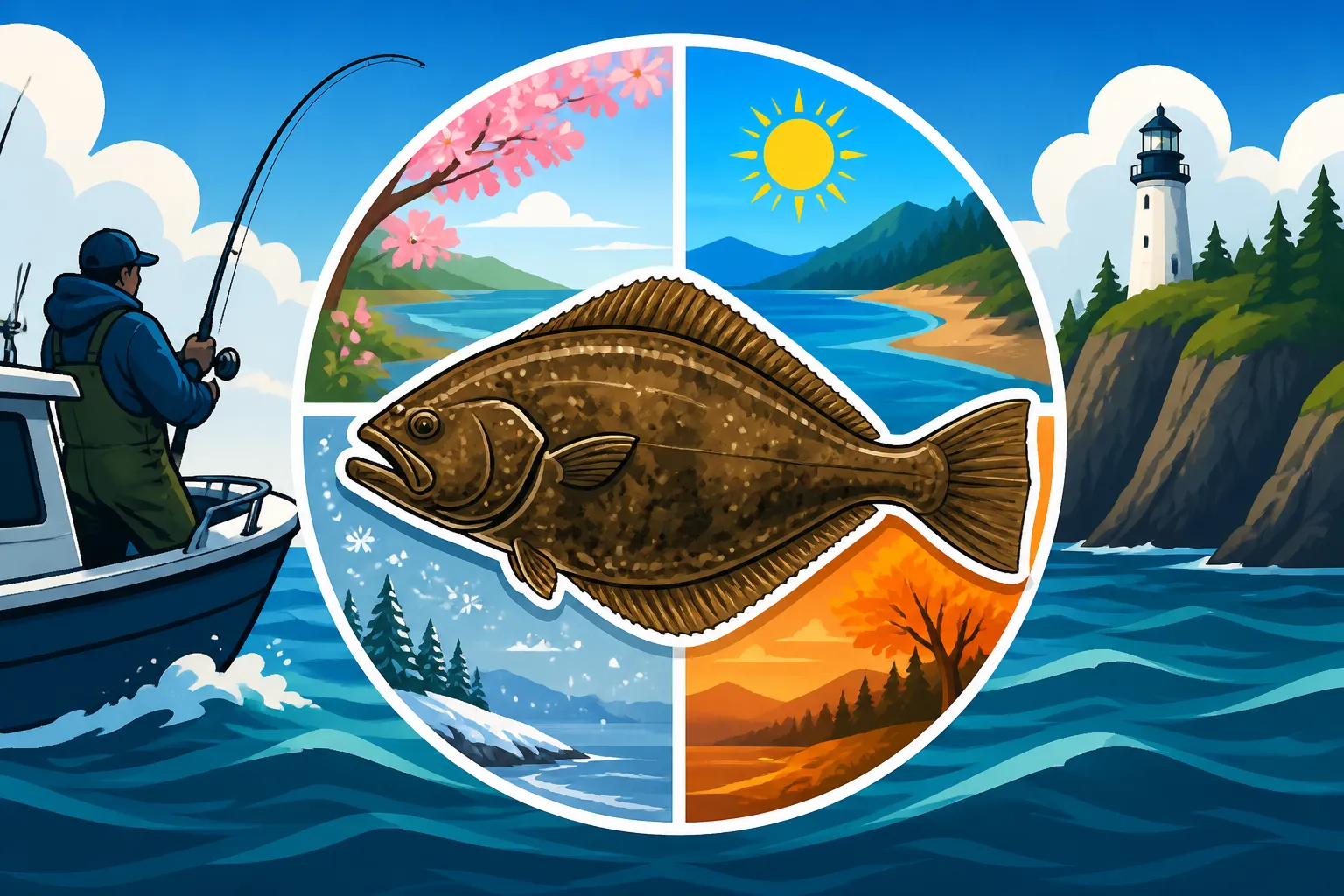
While the exact dates are never set in stone, historical trends and biological factors give us a pretty good idea of when the best windows for halibut fishing usually open up. Thinking about these general periods can help you narrow down your travel dates and improve your chances of success.
Spring (Late April to June): Prime Time for Offshore
For many seasoned Oregon halibut anglers, late April through June represents the absolute sweet spot for targeting these delicious bottom dwellers. This is typically when the "all-depth" fishery opens, offering the first opportunity of the year to chase those bigger, deep-water halibut. The anticipation builds through the winter, and when those first few good weather windows hit, boats are scrambling to get out.
The halibut are often more concentrated in their feeding grounds after the winter months, making them more predictable targets. Weather during this time can be a mixed bag, to say the least. You might get absolutely glorious, calm days, or you could face stiff winds and heavy swells that force cancellations. That's why flexibility in your schedule is key if you're planning a spring trip. Booking a charter, especially out of popular ports like Newport, Depoe Bay, or Astoria, requires incredible foresight – often you need to book as early as January or February to secure a spot on those coveted opening days. Charters like Yaquina Bay Charters or Dockside Charters are often fully booked well in advance. Having a backup plan, like exploring Oregon Salmon Fishing Techniques if the halibut bite is off, isn't a bad idea either.
Summer (July to August): Nearshore Opportunities and Flexibility
As the spring all-depth season potentially winds down due to quota limits, or if weather remains a challenge, the summer months of July and August often usher in a reliable and productive "nearshore" halibut fishery. This period tends to offer more consistent and predictable weather patterns, which is a huge relief for many anglers. Calm seas are more common, making for more comfortable rides, especially for those who might be new to ocean fishing or bringing family members along.
While the halibut caught nearshore might not be the giants found in the deep, they are still excellent eating and provide fantastic sport. This fishery also often allows for a more "mixed-bag" approach to fishing. Many anglers will target halibut on the bottom but might also pick up lingcod or various rockfish species on the same trip. This versatility can be a real bonus, ensuring that even if the halibut are finicky, you still have a great chance to bring home some delicious fillets. The nearshore fishery also typically has more open days each week, offering greater flexibility for scheduling a trip. If you're looking for a good all-around experience with a higher chance of calm seas and diverse catches, July and August, focusing on the nearshore, is a fantastic option.
Fall (September to October): Lingering Opportunities and Weather Watch
As September rolls around, the halibut season can really depend on whether quotas are still open for either the all-depth or nearshore fisheries. Sometimes, particularly for the nearshore, there might be some quota left, extending opportunities into early fall. However, this is when the weather truly becomes the primary determinant of whether a trip is even possible.
While you might encounter fewer boats on the water and potentially less pressure on the fish, you're also gambling with the increasing likelihood of stormy weather, strong winds, and large swells. These conditions can lead to frequent cancellations, even for trips relatively close to shore. For the dedicated angler who is flexible and constantly monitors marine forecasts, a fall halibut trip can be incredibly rewarding. The fish are often still in excellent condition, feeding hard before the winter. Just be prepared for the possibility of rescheduling and always prioritize safety. This period really highlights why staying informed about Oregon Fishing Season Dates and Limits is crucial.
| Season Window | Fishery Type | Typical Months | Pros | Cons |
|---|---|---|---|---|
| Spring Prime | All-Depth | Late April – June | Best chance for large, trophy halibut; high angler anticipation | Highly weather-dependent; charters book fast; quota can close early |
| Summer Consistent | Nearshore | July – August | More stable weather; good for mixed-bag fishing; more flexible dates | Fish generally smaller; smaller quota can close it quickly |
| Fall Bonus | Nearshore (if open) | September – early October | Fewer crowds; potentially good fishing if weather permits | Very weather-dependent; increased risk of cancellations |
Factors Influencing Your Halibut Fishing Success
Beyond just the calendar, several critical factors will dictate your actual success and enjoyment when halibut fishing off Oregon. Ignoring these details is a surefire way to end up disappointed, even if you’ve picked the “best” time of year.
Weather and Ocean Conditions
This is, without a doubt, the single most important factor for halibut fishing on the Oregon coast. The Pacific Ocean can be a formidable beast, and even a slight swell can make a long day offshore uncomfortable for many, let alone dangerous. You might have the perfect date picked, but if the marine forecast calls for 10-foot swells and 20-knot winds, your trip will likely be canceled, especially by responsible charter operators.
Always keep an eye on marine forecasts from reputable sources like the National Weather Service (NWS) before and leading up to your trip. Look for "weather windows" – those precious few days with lighter winds and smaller swells. These are gold, and everyone will be trying to get out. Fog can also be a significant issue, particularly in late spring and early summer, potentially delaying departures or making navigation challenging for smaller boats. Good rain gear and warm layers are also non-negotiable, as even on sunny days, the ocean can be surprisingly cold and damp. You can find excellent waterproof jackets and bibs on Amazon to stay comfortable out there.
Quota Management and Season Closures
I can’t stress this enough: the Oregon halibut fishery is managed by quota, not by a rigid calendar. This means the season can close with little warning if the quota is reached ahead of schedule. There’s nothing quite as disheartening as hearing the news that the fishery you’ve been planning for months is suddenly closed.
To avoid this, you must actively monitor the ODFW website for in-season updates. They typically provide projections for how quickly the quota is being caught and will announce closures as soon as a decision is made. Don't rely on hearsay or old forum posts. Get your information straight from the source. This constant vigilance is part of the Oregon halibut angler's life, and it’s why booking early and having some flexibility with dates is often recommended, especially for the more popular all-depth season. Understanding the Oregon Fishing Regulations Explained is key to staying legal and informed.
Tides and Currents
While not as critical as weather, understanding tides and currents can definitely give you an edge in halibut fishing. Halibut, being bottom dwellers, are sensitive to strong currents. Too much current makes it difficult to get your gear to the bottom and keep it there, often sweeping your bait away from the strike zone. It also means using excessively heavy weights, which can make fishing less enjoyable and harder to detect subtle bites.
Many experienced halibut anglers prefer to fish during slack tide, which is the period of minimal water movement around the high or low tide mark. During slack tide, your bait or jig can sit more naturally on the bottom, and halibut are often more willing to move around and feed. Planning your charter around these windows can significantly increase your chances. Some charter captains are masters at positioning their boats to drift just right over productive halibut grounds, leveraging the subtle currents. This might be something to ask about when choosing your Oregon Fishing Charter Guide.
Gear and Preparation
Being prepared with the right gear can make all the difference between a productive day and a frustrating one. Halibut fishing requires robust tackle designed to handle heavy weights, deep water, and powerful fish.
You’ll want a sturdy rod with a good backbone and a powerful reel spooled with strong braided line (often 60-80 lb test) to handle the depths and the fight. For terminal tackle, large lead-head jigs (8-24 oz, depending on current and depth), often tipped with bait like herring, squid, or even an artificial plastic grub, are common. Spreader bars or three-way swivel setups with bait on circle hooks are also popular. Having a variety of weights is essential to adapt to changing currents. Ensure your hooks are sharp and strong – a weak hook can straighten under the immense pressure of a large halibut. If you're looking to stock up on new jigs or line before your trip, many anglers find great deals and selection on Amazon. Don't forget other essentials like warm clothes, waterproof layers, sunscreen, and plenty of food and water. This is an all-day endeavor, and being comfortable goes a long way. If you’re curious about costs, our guide on How much does a halibut charter cost off the Oregon coast can give you a clear picture.
Disclaimer
Please remember that fishing regulations, seasons, and quotas can change rapidly. Always consult the official Oregon Department of Fish and Wildlife (ODFW) website for the most current and accurate information before planning any fishing trip. This guide provides general information based on typical patterns and should not be considered a substitute for official regulations.