How to fish for sturgeon on the Columbia River
There's a unique thrill that comes with targeting sturgeon on the mighty Columbia River. These prehistoric giants are legendary for their powerful runs and incredible size, offering an unparalleled challenge to anglers. But if you've ever felt overwhelmed by the sheer scale of the river, the specific gear needed, or the often-complex regulations, you're not alone. This guide is designed to demystify sturgeon fishing on the Columbia, walking you through everything from understanding these magnificent fish to the best techniques for hooking into one responsibly.
Understanding Columbia River Sturgeon
Fishing for sturgeon on the Columbia isn't just about catching a fish; it's about connecting with a living relic. These incredible creatures have been swimming these waters for millions of years, and understanding their behavior, habitat, and the strict rules that protect them is the first step to a successful and ethical trip.
White Sturgeon in Oregon Waters
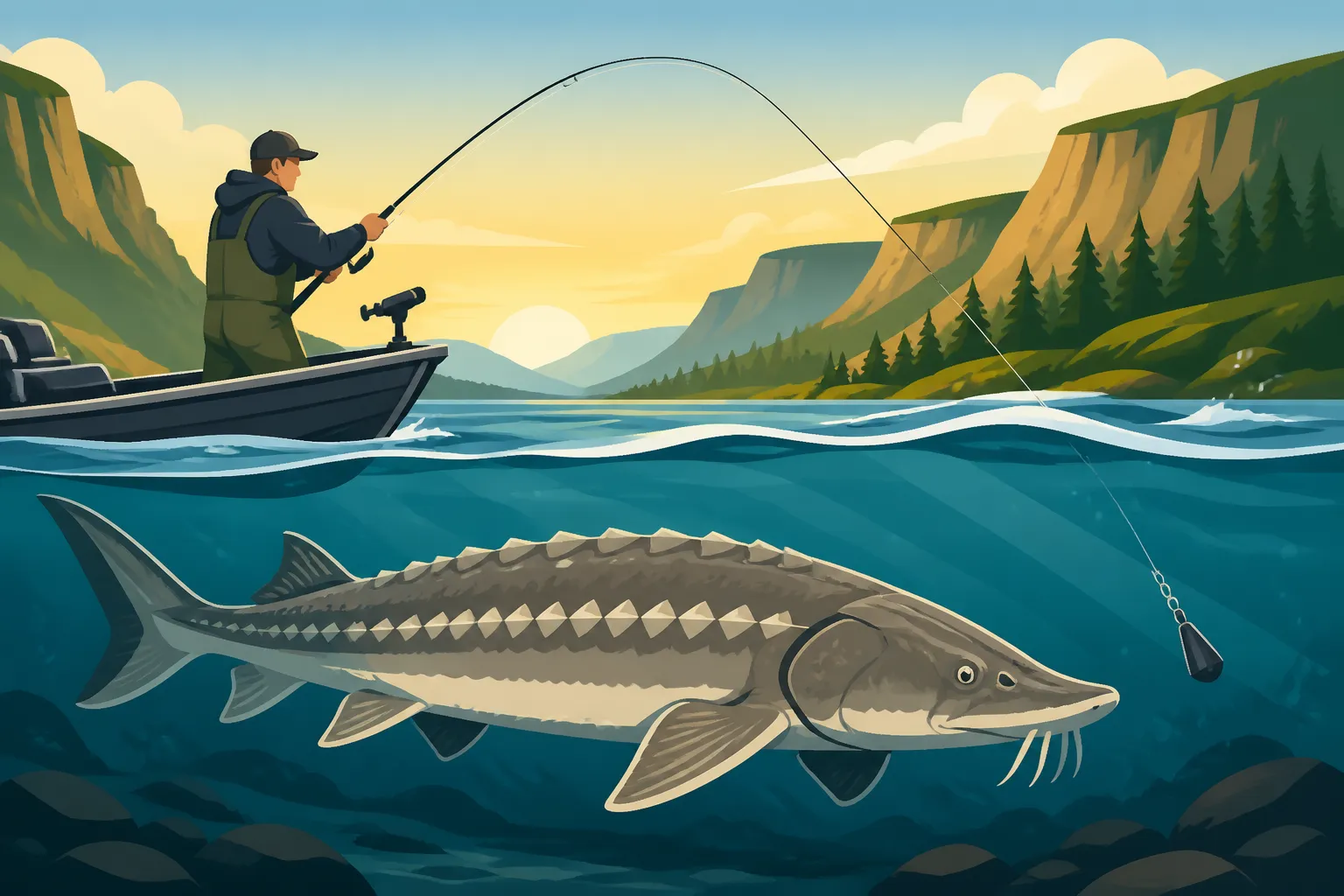
The primary target species for anglers on the Columbia River is the White Sturgeon. These are truly impressive fish, known for their elongated bodies, bony plates (scutes) instead of scales, and a distinctive snout with four barbels near their mouth. They are bottom-feeders, using those barbels to detect food along the riverbed. White Sturgeon are also incredibly long-lived, with some individuals reaching well over 100 years old and exceeding 10 feet in length, though fish of that size are extremely rare these days.
Their life cycle involves spawning in freshwater rivers like the Columbia and then spending most of their lives in the lower river and estuaries, or even venturing into saltwater, before returning to freshwater to spawn again. Because of their slow growth and late maturity, they are particularly vulnerable to overfishing, which is why strict regulations are in place to ensure their survival for future generations. Knowing about the White Sturgeon in Oregon can really help you appreciate these fish even more.
Navigating Regulations and Seasons
Before you even think about casting a line, getting a handle on the rules and seasons is paramount. The Columbia River is managed jointly by Oregon and Washington, and regulations can change frequently, sometimes even mid-season due to real-time fishery data. This means checking the Oregon Department of Fish and Wildlife (ODFW) regulations is an absolute must, usually just before each trip.
Key regulations to pay attention to include specific open seasons (which can vary by section of the river), daily bag limits, and the crucial slot limit for retention. The slot limit dictates the minimum and maximum fork length a sturgeon must be to be legally kept, usually measured from the tip of the snout to the fork of the tail. For example, you’ll need to understand the Columbia River sturgeon slot limit explained before you head out, as keeping an undersized or oversized fish can lead to significant penalties. Often, much of the year is catch-and-release only, especially for larger "oversized" fish, which are vital for spawning. Make sure you also understand Oregon Fishing License Guide requirements, as well as specific endorsements like the Oregon Columbia River Basin Endorsement, which are often required for fishing these waters.
Essential Gear for Columbia River Sturgeon Fishing
Sturgeon are powerful fish, and going after them with inadequate gear is a recipe for frustration (and potentially lost fish). You need heavy-duty equipment that can handle their immense strength and the strong currents of the Columbia River.
Rods, Reels, and Line
When it comes to sturgeon fishing, think heavy. You’ll want a robust heavy-action rod, typically between 7 to 9 feet long, with a strong backbone to set the hook and plenty of pulling power to control a big fish. Graphite or composite rods are popular choices for their sensitivity and durability. For reels, a conventional baitcasting reel or a large, durable spinning reel with a strong drag system is essential. Many anglers prefer conventional reels like those from Penn or Shimano, spooled with 60 to 100-pound test braided line. This high test strength is critical for preventing break-offs against strong currents or snags on the river bottom.
On Amazon, you can find a wide array of specialized sturgeon rods and reels, often with good customer reviews that can guide your choice. It's an investment, but good gear will last for many seasons. Paired with your braided main line, you'll want to use a monofilament leader (usually 50-80 lb test) for abrasion resistance against rocks and the sturgeon's rough mouth. The leader should be long enough (3-6 feet) to provide some shock absorption and protect your main line from being cut.
Terminal Tackle and Accessories
Your terminal tackle is where the magic happens – it's what connects your line to the bait and, hopefully, to the fish. A sliding sinker rig is almost universally used for sturgeon. This setup allows the sturgeon to pick up the bait and move off with it without immediately feeling the weight of the sinker, increasing your chances of a solid hookup.
Here's what you'll typically need:
- Heavy Sinkers: The Columbia River current can be incredibly strong, so you'll need pyramid or flat disc sinkers weighing anywhere from 8 ounces to 2 pounds, sometimes even more. Having a variety on hand is wise.
- Strong Swivels: Barrel swivels or three-way swivels are used to connect your main line, leader, and sinker. Opt for heavy-duty, high-quality swivels that won't fail under pressure.
- Durable Hooks: Circle hooks are mandatory in many areas of the Columbia, especially for catch-and-release sturgeon fishing, as they are designed to hook fish in the corner of the mouth, minimizing deep hooking and injury. Sizes typically range from 6/0 to 10/0, depending on your bait size. Make sure they are sharp and sturdy.
- Leader Material: Again, 50-80 lb monofilament or fluorocarbon leader.
- Cutting Tools: Heavy-duty clippers for line, and possibly pliers for hooks.
Beyond tackle, consider bringing a large landing net specifically designed for sturgeon, or a sturdy lip gripper if you plan to handle fish. A tape measure for accurate slot limit checks is crucial, along with a glove for handling the leader and fish. You might even want a dedicated sturgeon tackle box, which you can often find great deals on through retailers like Amazon.
Mastering Sturgeon Baits and Rigs
Sturgeon are opportunistic feeders, but they do have preferences. The right bait, presented correctly, can make all the difference in enticing these giants to bite.
Effective Bait Choices
When it comes to sturgeon bait on the Columbia, fresh and smelly usually wins. Sturgeon have an incredible sense of smell, and they're always on the hunt for easy meals along the river bottom.
- Smelt: Hands down, one of the most popular and effective sturgeon baits. Fresh or frozen smelt are a top choice. They have a strong oily scent that sturgeon can't resist. You can use whole smelt or cut them into chunks.
- Sand Shrimp: Another classic. These small crustaceans are naturally found in sturgeon habitats and emit a potent scent trail. They are often fished whole, threaded onto the hook.
- Squid: Durable and smelly, squid strips are excellent, especially when the current is strong and you need your bait to stay on the hook. You can cut them into various sizes to match your hook.
- Herring: Similar to smelt, herring offers a strong, oily scent. Cut it into chunks or use small whole herring.
- Lamprey: While less common, lamprey can be incredibly effective when available. They are a natural food source for sturgeon.
- Prawns/Shrimp: Cooked or raw, these can also work, especially in areas where sturgeon are accustomed to them.
Many anglers experiment with "cocktail" baits, combining two or more of these options on a single hook to create a super-scented offering. For instance, a piece of squid with a sand shrimp threaded on can be highly enticing. You can often purchase these baits fresh at local bait shops along the Columbia, or sometimes find quality frozen options from online suppliers and stores like Amazon.
The Sliding Sinker Rig
The sliding sinker rig is the workhorse for Columbia River sturgeon fishing. It's simple, effective, and allows for natural bait presentation.
Here’s how to set it up:
- Main Line: Start with your braided main line coming off your reel.
- Sinker Slide: Thread a plastic sinker slide onto your main line. This is a small plastic tube with a clip to attach your sinker. The key here is that the main line passes through the slide, allowing the sinker to move freely.
- Bead: After the sinker slide, thread a small plastic bead onto your main line. This protects the knot from the heavy sinker slamming into it.
- Swivel: Tie a heavy-duty barrel swivel (rated for at least 100 lbs) to the end of your main line using a strong knot like a Palomar or uni-knot.
- Leader: To the other end of the barrel swivel, tie your monofilament or fluorocarbon leader (3-6 feet long).
- Hook: Finally, tie your large circle hook (6/0 to 10/0) to the end of your leader.
This rig allows the sturgeon to take the bait without feeling the resistance of the heavy sinker, leading to more confident bites and better hookups. When a sturgeon takes the bait, your rod tip will dip or bounce, and you'll typically feel a strong pull. Resist the urge to yank immediately; instead, let the fish move off, then slowly apply pressure until the rod loads up, allowing the circle hook to do its job and set itself in the corner of the fish's mouth.
| Bait Type | Scent Profile | Durability on Hook | Best Uses |
|---|---|---|---|
| Fresh Smelt | Strong, Oily | Medium | All-around favorite, whole or chunked |
| Sand Shrimp | Pungent, Natural | Low to Medium | Excellent for finicky fish, often in cocktails |
| Squid | Moderate, Fishy | High | Good in strong currents, cut strips |
| Herring | Strong, Oily | Medium | Similar to smelt, good alternative |
| Lamprey | Very Strong, Bloody | High | Natural food, highly effective when allowed |
Techniques and Best Practices for Success
Catching sturgeon requires patience, knowledge, and a good understanding of river dynamics. These aren't fish you actively cast for; you're setting bait and waiting for them to find it.
Finding the Right Spots and Anchoring
Sturgeon are bottom dwellers and tend to congregate in specific areas of the river. Look for deeper holes, troughs, and depressions, especially those downstream of major current breaks or confluences with tributaries. Areas where the river transitions from fast to slow current are often productive, as food tends to settle there. Marine charts or popular fishing apps can help you identify these underwater features. Local knowledge from bait shops or Columbia River Salmon Guide Trips can be invaluable for pinpointing active areas.
Once you’ve identified a promising spot, anchoring correctly is crucial. You need to position your boat so that your bait is presented naturally on the bottom in the desired zone. This often means anchoring upstream of the hole or structure you want to fish, allowing your bait to drift back into it. Use two anchors (one off the bow, one off the stern) if possible, to keep your boat stable and prevent it from swinging in the current. Strong river currents demand a heavy anchor system, often a stout anchor with plenty of chain and rope to hold securely.
The Art of the Wait and the Fight
Sturgeon fishing is often a waiting game. Once your bait is deployed, it's a matter of patience. Keep a close eye on your rod tip – a subtle tap, a slight bend, or a steady pull can all indicate a bite. Resist the urge to grab the rod at the first sign of activity. Allow the fish to mouth the bait and move off with it. Once the rod loads up and bends significantly, then slowly lift the rod to apply steady pressure and engage the fish.
When you hook a sturgeon, prepare for a battle. These fish are incredibly powerful. They make strong, sustained runs, often against the current, and can even jump completely out of the water! Keep your rod tip up, maintain steady pressure, and let your drag do the work. Don't try to horse the fish in; you'll likely pull the hook or break your line. Work the fish slowly and steadily toward the boat. This is where your heavy-duty rod and reel combination, perhaps from a brand you found on Amazon, truly shines. The fight can be prolonged, especially with larger fish, so be prepared for a workout.
Responsible Catch and Release
Much of sturgeon fishing on the Columbia is strictly catch-and-release, especially for oversized fish and during specific seasons. Even during retention seasons, many anglers choose to release these magnificent creatures to help conserve the population. Knowing How to catch and release sturgeon safely is critical for their survival.
Here are key principles for responsible release:
- Minimize Fight Time: While you don't want to rush, try to land the fish as efficiently as possible to reduce stress.
- Keep Fish in Water: If possible, keep the sturgeon in the water while unhooking it, especially larger fish. Their internal organs are not designed to support their weight out of the water, and removing them from the water can cause severe injury or death.
- Use Proper Tools: Pliers or hook removers can help quickly remove hooks.
- Circle Hooks: These are mandatory in many areas for a reason. They usually hook in the mouth, making removal easier.
- Support the Fish: If you must bring a fish to the boat for a quick measurement, support its belly completely. Never lift a large sturgeon by its tail or head alone.
- Revive If Necessary: If a fish seems sluggish before release, hold it gently upright in the current until it regains its strength and can swim away on its own.
Understanding regulations like How many sturgeon can you keep per year in Oregon and other Oregon Fishing Season Dates and Limits is crucial for protecting these ancient fish. Enjoy the challenge and the thrill, but always prioritize the well-being of the sturgeon. The Columbia River is an incredible fishery, and with careful practice and respect for the resource, you can enjoy it for years to come.
Disclaimer
Fishing regulations and seasons can change rapidly. Always consult the official Oregon Department of Fish and Wildlife (ODFW) and Washington Department of Fish and Wildlife (WDFW) regulations before heading out on the water. This guide is for informational purposes only and does not supersede current state fishing laws.