How to Fish for Sturgeon on the Columbia
The majestic Columbia River holds a mystique for anglers, especially when it comes to the ancient, powerful white sturgeon. Many an angler has spent countless hours dreaming of hooking into one of these prehistoric giants, only to be met with the frustrating reality of snags, missed bites, or simply not knowing how to consistently target them effectively. It's a challenging endeavor, but with the right knowledge and approach, landing a Columbia River sturgeon can be an unforgettable experience. This guide will walk you through everything you need to know to increase your chances, from understanding sturgeon behavior to the most effective techniques and, critically, how to practice responsible angling for these incredible fish.
Understanding Columbia River Sturgeon
Before you even think about casting a line, it's really helpful to get a feel for the magnificent creatures you're after. White sturgeon are a true marvel, and the Columbia River is one of the best places in the world to encounter them.
The Allure of White Sturgeon
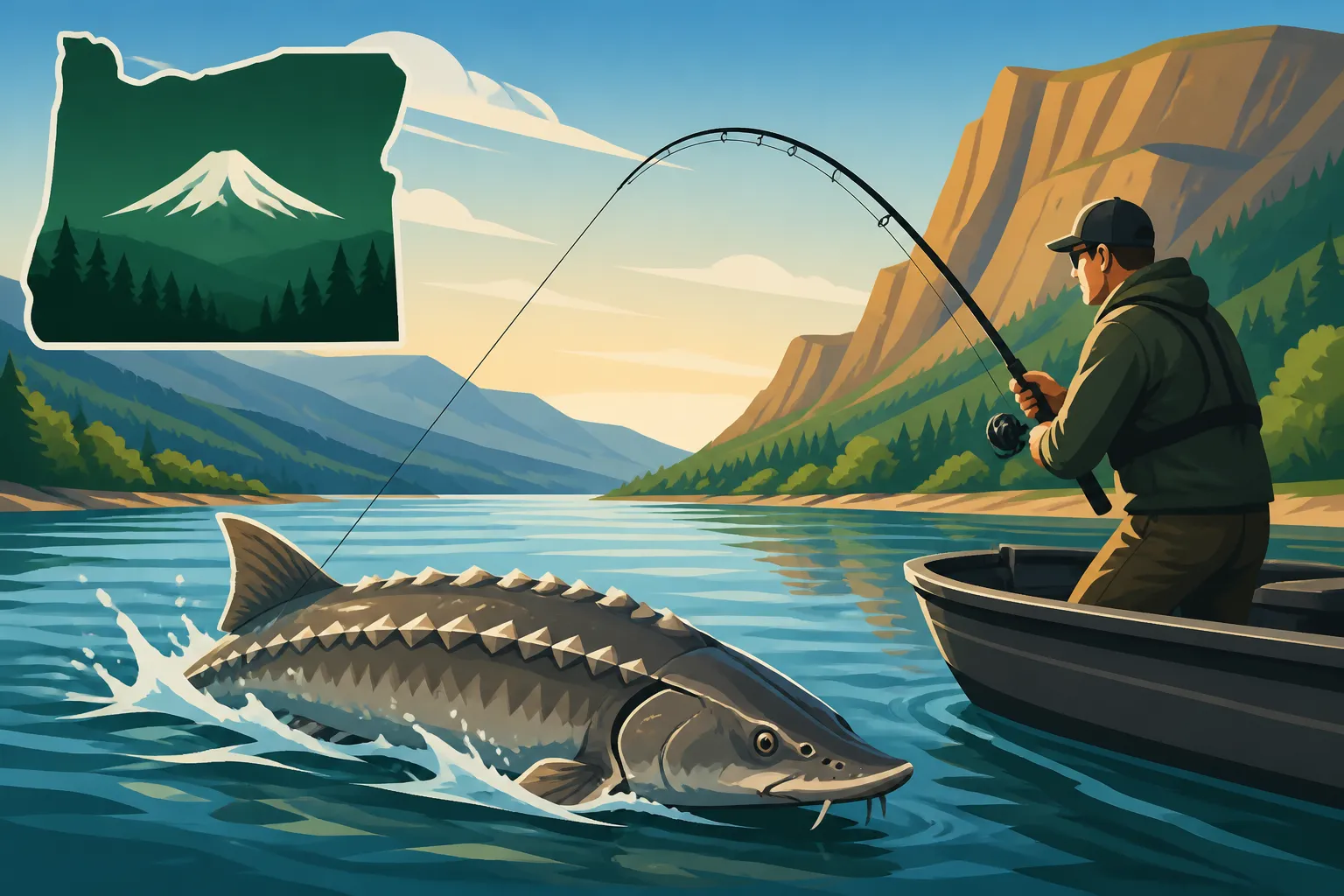
There's something uniquely captivating about sturgeon. Perhaps it's their sheer size—they're the largest freshwater fish in North America, and on the Columbia, they can grow to over ten feet long and weigh hundreds of pounds. Or maybe it's their ancient lineage, harkening back to the age of dinosaurs, with their armored plates and distinctive, shark-like tail. For many, it's the thrill of the fight; a hooked sturgeon can put on an incredible display of power, making runs that strip line off your reel and even leaping clear out of the water.
These aren't your everyday trout or bass. They demand respect, both in their formidable fighting ability and their protected status. While retention opportunities are highly limited and frequently change, the opportunity for catch-and-release fishing for these giants keeps thousands of anglers coming back year after year. It's not just about the catch; it's about the connection to a living fossil and the immense power it represents.
Sturgeon Biology and Behavior
White sturgeon (Acipenser transmontanus) are primarily bottom feeders, using their sensitive barbels (whiskers) located near their mouth to detect prey on the riverbed. Their diet is varied, consisting of everything from small fish like shad, smelt, and lamprey to worms, clams, shrimp, and even decaying organic matter. They have a cartilaginous skeleton, similar to sharks, and rows of bony plates called scutes along their body, which give them their prehistoric appearance and offer protection.
On the Columbia River, sturgeon are highly migratory, moving between freshwater and brackish estuarine environments depending on the season, water temperature, and availability of food. They tend to congregate in deeper holes, channels, and along current breaks where food accumulates and they can conserve energy. During spawning season (typically spring and early summer), they move upstream to specific spawning grounds, often in areas with suitable gravel and cobble substrate. Understanding these general behaviors will be your first step in predicting where to find them and how they might react to your bait. You'll often find them not necessarily in the fastest current, but just out of it, where they can ambush food without fighting the main flow.
Essential Gear for Sturgeon Fishing on the Columbia
Sturgeon are big, strong fish, and trying to tackle them with inadequate gear is a recipe for frustration and lost fish. Investing in the right equipment is crucial for both your success and the well-being of the fish.
Rods, Reels, and Line Selection
When it comes to sturgeon, you need power and durability. Think heavy-duty.
- Rods: You'll want a heavy to extra-heavy action rod, typically 7 to 9 feet in length, designed for big game fishing. Fiberglass or composite rods are often preferred over graphite for their toughness and forgiving nature under extreme loads. Look for rods with a strong backbone but a relatively flexible tip that can detect subtle bites. Popular choices often have ratings like 20-50 lb or even 30-80 lb line class. Brands like Lamiglas, Ugly Stik, and Shimano offer excellent options for sturgeon specific rods that you can often find readily available on Amazon.
- Reels: Conventional (baitcasting) reels are the workhorse for sturgeon fishing. They offer superior cranking power, a robust drag system, and line capacity far beyond spinning reels that would be suitable for this type of fishing. Choose a reel capable of holding at least 200-300 yards of heavy line, with a smooth, powerful drag that can be set for 20-30+ pounds of pressure. Popular models include those from Penn, Daiwa, and Shimano's larger conventional lines.
- Line: Braided line is almost universally recommended for sturgeon fishing due to its incredible strength-to-diameter ratio, zero stretch, and sensitivity. You'll want to spool up with 65-100 lb test braid as your main line. The no-stretch property of braid allows you to feel even the slightest tap from a sturgeon, which can be crucial for bite detection. You'll typically connect your braid to a heavy monofilament or fluorocarbon leader, often 80-150 lb test, that's more abrasion-resistant against the sturgeon's scutes and the river bottom. Many anglers use a double uni knot or a strong swivel to connect the braid to the leader.
Terminal Tackle and Rigging
Your terminal tackle needs to be as robust as your rod and reel. This is where your line meets the fish, and failure here means a lost opportunity.
- Hooks: Circle hooks are mandatory for sturgeon fishing in Oregon and Washington. These hooks are designed to hook fish in the corner of the mouth, minimizing gut hooks and increasing the chances of a clean, safe release. Size-wise, you'll generally use 7/0 to 10/0 heavy-gauge circle hooks, depending on your bait size. Make sure they are sharp!
- Weights: Heavy sinkers are essential to keep your bait on the bottom in the strong Columbia River currents. Pyramid, cannonball, or flat gripper weights ranging from 8 ounces up to 30 ounces or more are common. The exact weight needed will depend entirely on the current speed and depth of the water you're fishing. It's always a good idea to carry a variety of sizes.
- Leaders: As mentioned, a heavy leader is critical. Many anglers create their own leaders from 80-150 lb monofilament or fluorocarbon. A typical sturgeon leader setup involves a sliding sinker rig. You'll thread your main line through a sliding sinker slide (often plastic, designed for heavy weights) or a large snap swivel, then tie a heavy barrel swivel to the end of your main line. To this barrel swivel, you'll attach a leader section (18-36 inches long) of mono/fluoro, and then your circle hook. This allows the fish to pick up the bait and move off without immediately feeling the weight of the sinker, giving you a better chance to feel the bite.
- Swivels and Snaps: High-quality, heavy-duty barrel swivels (rated for 100+ lbs) are essential to prevent line twist and connect different sections of your rig. Large, strong snap swivels are useful for quickly changing weights. Don't skimp on these; a cheap swivel can be the weakest link in your setup.
Boat vs. Bank Fishing Setup
While much of the Columbia River sturgeon fishing is done from a boat, it's definitely possible to catch these fish from the bank, though it presents unique challenges.
- Boat Fishing: From a boat, you have the advantage of mobility, allowing you to target deeper channels, current breaks, and prime holding areas more effectively. You'll need a reliable anchor system that can hold your boat firmly in strong currents. Often, two anchors are used in a bow and stern setup to keep the boat from swinging. A good fish finder (sonar) is invaluable for locating depth changes, drop-offs, and even marking fish. You might also want a stout net or a "sturgeon cradle" for safely landing and handling large fish, though for true giants, hand-tailing is often the best method. Many anglers also bring rod holders that can withstand significant force when a sturgeon hits.
- Bank Fishing: Bank fishing for sturgeon requires even heavier casting gear and a bit more patience. You'll need to make long casts to reach deeper channels, so a longer rod (9-12 feet) with a stout casting rating can be beneficial. Because you can't easily reposition, scouting for accessible areas with deep water close to shore or prominent current breaks is key. Popular bank fishing spots include jetties, docks, and river access points where you can find deeper water without having to cast an impossible distance. Make sure your rod holders are firmly secured into the ground, as a strong sturgeon hit can pull an unanchored rod right into the river! Always check local regulations, as some areas may have restrictions on bank fishing or access.
Best Baits and How to Present Them
Sturgeon are opportunistic feeders, but some baits consistently outperform others. Choosing the right bait and presenting it effectively are crucial steps to success.
Top Sturgeon Baits and Their Advantages
Over the years, certain baits have proven to be irresistible to Columbia River sturgeon. It's often best to have a few options on hand, as their preferences can change day-to-day or even hour-to-hour.
- Smelt: These small, oily fish are arguably the number one bait for sturgeon on the Columbia. They're a natural food source for sturgeon, particularly during smelt runs, and their strong scent trail is a major attractant. Smelt can be used whole, in chunks, or butterflied (cut along the spine to open them up and release more scent). Many anglers swear by fresh, never-frozen smelt if they can get them, but frozen ones work well too.
- Shad: Another excellent choice, especially when shad are abundant in the river during their spawning runs. Shad are larger than smelt, providing a bigger meal and a potent scent. They can be cut into chunks or used as larger baits. Some anglers prefer the tail section or the belly.
- Herring: Readily available at most tackle shops, herring is a classic oily fish bait that sturgeon find appealing. They come in various sizes; chunking larger ones or using whole smaller herring are common methods.
- Sand Shrimp: While smaller, sand shrimp (ghost shrimp) are incredibly effective, especially when sturgeon are foraging on crustaceans. They have a strong, distinct odor. Often, multiple shrimp are threaded onto a hook, or they're combined with other baits for a "cocktail" presentation.
- Squid: Durable and relatively easy to find, squid strips can be a good backup bait or an excellent addition to a cocktail rig. They hold up well to currents and smaller fish picking at them.
- Lamprey: When available and legal to use (check regulations carefully), lamprey is another highly prized sturgeon bait, as it's a natural prey item.
Bait Preparation and Storage
The freshness and presentation of your bait can make a huge difference. Sturgeon have an incredible sense of smell, and a potent, fresh scent trail is key.
- Freshness is Key: Always prioritize the freshest bait you can get. If using frozen bait, thaw it slowly and keep it on ice to maintain its integrity. Don't let your bait get warm and mushy in the sun. Many anglers use a cooler with plenty of ice (or even dry ice for longer trips) to keep their bait in prime condition.
- Cutting and Scent Release: How you cut your bait affects its scent release. Butterflying smelt or shad exposes more flesh, releasing a stronger scent. For larger fish, cutting chunks with skin and bone intact provides durability while still offering good scent. The goal is to create a long-lasting scent trail in the current to draw sturgeon to your hook.
- Curing: Some anglers like to cure their baits with various brines or commercial additives to firm them up, enhance their scent, and add color. This can make the bait tougher, helping it stay on the hook longer in strong currents or against persistent peckers, and potentially boosting its attractiveness. There are many recipes and commercial cures available on the market, some of which you can find through suppliers on Amazon.
- Bait "Cocktails": Don't be afraid to experiment with combining baits. A chunk of shad with a few sand shrimp, or a piece of herring wrapped around a squid strip, can create a unique scent profile that triggers bites. The possibilities are endless, and sometimes, a custom blend is what it takes to crack the code on a slow day.
Effective Baiting Techniques
Once you have your bait, how do you get it to stay on the hook and entice a sturgeon?
- Hook Placement: With circle hooks, it's crucial not to over-bait. You want the hook point and barb exposed for a good hookset. Thread your bait onto the hook so it sits naturally, but ensure there's enough room for the hook to pivot and set cleanly in the corner of the sturgeon's mouth. For whole smelt, threading it through the head and out the belly, or through the eye sockets, then securing it with bait elastic, is common.
- Bait Elastic: This fine, stretchy thread is a sturgeon angler's best friend. It helps secure soft baits like sand shrimp or delicate fish chunks firmly to the hook, preventing them from washing off in the current or being picked apart by baitfish. A few wraps of bait elastic can make your presentation last much longer.
- Scent Enhancement: In addition to the natural scent of the bait, many anglers use commercial scent sprays or gels to further enhance their offering. These can be applied directly to the bait or a scent-absorbing pad near the hook. Garlic, anadromous fish blood, or combination scents are popular choices.
- Drifting vs. Anchoring: Most sturgeon fishing on the Columbia involves anchoring your boat (or casting from a stationary bank position) and letting your bait sit on the bottom. However, in certain slack-water areas or during specific conditions, a slow drift can sometimes be effective, covering more ground. For beginners, anchoring is generally the recommended approach as it allows for precise bait placement and more focused attention on bite detection.
Prime Locations and Timing on the Columbia River
The Columbia River is immense, and knowing where and when to drop your line can drastically improve your chances of success.
Key Sturgeon Holding Areas
Sturgeon seek out specific types of habitat. Focus your efforts on these features:
- Deep Holes and Channels: These are classic sturgeon haunts, offering refuge from strong currents and often concentrating food. Look for pronounced depressions or the main river channel. Areas below major dams like Bonneville Dam or McNary Dam often have deep scour holes that hold large numbers of fish.
- Current Seams and Eddies: Sturgeon don't like to fight strong currents unnecessarily. They'll often position themselves in the slower water just outside of a fast current seam, or in an eddy where the current actually reverses. These "slack water" areas allow them to rest while still being close to the food supply carried by the main current.
- Confluence Zones: Where tributaries meet the main Columbia River, like the Willamette River or the Cowlitz River, can be prime sturgeon territory. These areas often bring in fresh food supplies and create complex current patterns that sturgeon favor. Fishing around the mouth of the Willamette River near Portland is a popular choice for many.
- Submerged Structure: Look for underwater rock piles, log jams, old bridge pilings, or other structure. These provide ambush points and cover for sturgeon. However, be prepared for snags, as these areas are also notorious for gobbling up terminal tackle. Using a robust line and a sacrificial leader for your weight can help mitigate losses.
- Estuary (Lower Columbia): Downstream closer to Astoria, where the Columbia meets the Pacific Ocean, the river becomes wider and shallower in many areas, with significant tidal influence. The brackish water here is rich in various food sources. This stretch of river is also a major migratory pathway for salmon and steelhead, providing additional food opportunities for sturgeon.
Understanding Tides and River Flow
Unlike many inland rivers, the lower Columbia is heavily influenced by tides, and the entire river is impacted by dam releases. This constantly changing water movement is a critical factor.
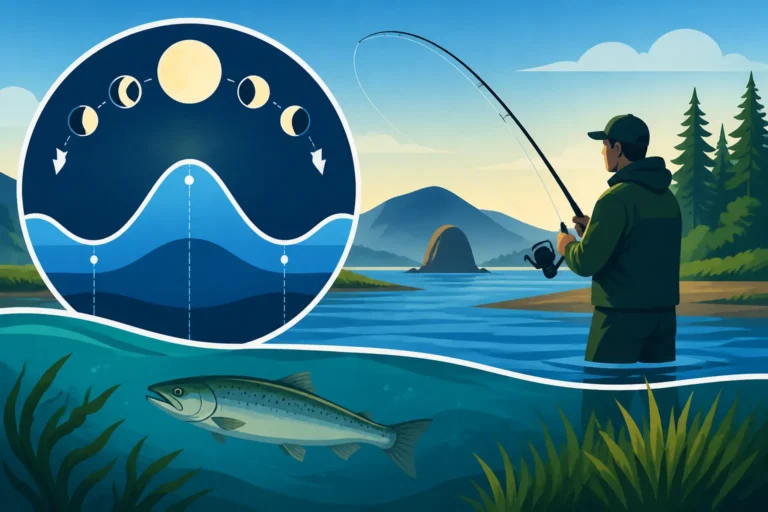
- Tidal Influence: From the mouth of the Columbia up past Portland, the river experiences tidal changes. Sturgeon often bite best during periods of slack tide (the top or bottom of the tide, when the water movement slows down) or during the beginning or end of a tidal change, when currents are moderate. Extremely fast currents during a full outgoing or incoming tide can make it difficult to hold bottom with your bait and can disperse scent too quickly. Always check the tide charts for your specific fishing location.
- River Flow (Freshet/Low Flow): Upriver, beyond the major tidal influence, dam releases and seasonal freshets (high water from snowmelt or heavy rains) dictate current speed. High, fast water can make fishing challenging, requiring excessively heavy weights and spreading fish out. Conversely, very low water can concentrate fish but may also make them lethargic or more easily spooked. Aim for moderate flows where fish are active but manageable. The U.S. Army Corps of Engineers provides real-time river data, which can be an invaluable tool for planning your trips.
Seasonal Considerations for Sturgeon
Sturgeon can be caught year-round on the Columbia, but specific seasons offer different opportunities and challenges.
- Spring (March – May): This is often a prime time, especially for "keeper" seasons (when retention is allowed, always check current regulations!). Sturgeon are actively feeding to bulk up before spawning. Shad and smelt runs provide abundant food. Water temperatures are rising, increasing fish activity. This is also when you might target specific areas like the mouth of the Willamette River for sturgeon that follow spring Chinook Salmon.
- Summer (June – August): Fishing can still be excellent, but often shifts to deeper, cooler waters as surface temperatures rise. Sturgeon might be less active during the hottest parts of the day. Early mornings and late evenings can be productive. Shad remains a good bait. The "Columbia River Basin Endorsement" is often required for fishing this stretch of river for anadromous species, and it's a good idea to understand all requirements.
- Fall (September – November): As salmon and steelhead return to spawn, sturgeon are again highly active, feeding on eggs and carcasses. This can be a fantastic time for larger fish. Cooler temperatures generally mean more active feeding. Fresh salmon eggs or cured salmon roe can be effective baits in addition to traditional options.
- Winter (December – February): While slower, winter fishing can still yield good results for those willing to brave the cold. Sturgeon move to deeper, more stable thermal refuges. Bites can be very subtle. Focus on patience and good bait presentation in known deep holes.
Mastering the Art of Sturgeon Fishing Techniques
Once you've got your gear and you're in a promising spot, it's all about technique. Sturgeon fishing isn't about constant casting and retrieving; it's a game of patience, subtle detection, and brute force.
Anchoring and Positioning Your Boat
For boat anglers, precise positioning is crucial. You want your bait to be exactly where the sturgeon are feeding.
- Finding the Spot: Use your fish finder to locate deep channels, drop-offs, or marked fish. Look for breaks in the bottom contour or areas where current seams are visible on the surface. Don't just anchor anywhere; pinpoint where you believe fish will be holding.
- Strategic Anchoring: Once you've identified your target, approach it from upstream. Deploy your main anchor (bow anchor) well above the spot, letting out enough line to slowly drift over your target zone. As you pass over it, deploy your second anchor (stern anchor) to stop your drift and precisely position your boat. The goal is to set both anchors so your boat is firmly held in place, minimizing swing, with your fishing lines reaching the desired area. For really strong currents, a "chain" of anchors or a much heavier anchor system might be needed.
- Multiple Rods: When legally allowed, fishing with multiple rods (often two or three per angler) can increase your chances. Fan cast your baits to cover a wider area, spacing them out to avoid tangles. Pay close attention to which rod gets the most action, as this can tell you where the fish are holding relative to your boat.
Reading Your Rod and Detecting Bites
Sturgeon bites can range from an aggressive tug to an incredibly subtle "tick." This is where the sensitivity of braided line and a responsive rod tip truly shine.
- Patience is Key: Once your bait is on the bottom, put your rod in a sturdy holder, engage the clicker (if your reel has one), and wait. Many anglers prefer to leave their reel in free spool with the clicker on, allowing a fish to run a bit before engaging the reel.
- The "Tap, Tap, Run": A common sturgeon bite starts with a few gentle taps or nudges, as the fish mouths the bait. This might be followed by a slow, steady pull as the sturgeon takes the bait and moves off. Other times, it's an immediate, powerful pull that nearly rips the rod from your hand.
- Visual Cues: Watch your rod tip closely. Even subtle bounces or a slight bend can indicate a sturgeon investigating your bait. If you see the rod tip slowly bend over and stay down, or quickly pull down, that's usually a fish.
- Setting the Hook (Circle Hooks): With circle hooks, resist the urge to violently "set" the hook like you would with a J-hook. Instead, when you feel a sustained pull or the rod starts to load up, slowly lift the rod tip, reel down firmly until the line is taut, and then lean into the fish. The circle hook is designed to slide into the corner of the fish's mouth as pressure is applied. A hard, sweeping side-set is sometimes effective, but avoid jerking straight up.
The Fight: Hookset to Landing
Once that hook is set, prepare for a battle. Sturgeon are phenomenal fighters.
- The Initial Run: Expect powerful, sustained runs. Let the rod and reel do the work, maintaining steady pressure. Adjust your drag as needed – it should be tight enough to wear the fish out but loose enough to prevent line breakage. Don't try to stop a big sturgeon on its first run; you'll likely just break your line.
- Head Shakes and Jumps: Sturgeon are known for violent head shakes that can feel like your rod is going to snap. Larger sturgeon, especially, will often make incredible aerial displays, leaping out of the water. This is exciting, but be prepared for slack line. If a sturgeon jumps, quickly reel down to take up any slack and keep tension on the line.
- Pumping and Reeling: To gain line, use a "pump and reel" technique. Lift the rod tip steadily to bring the fish closer, then lower the rod tip quickly while reeling in the slack. Repeat this motion, slowly but surely gaining line.
- Landing the Fish: For smaller sturgeon, a large, stout net can be used. For larger fish, hand-tailing is often the safest method for both the fish and the angler. This involves grabbing the sturgeon by the base of its tail. If you have a sturgeon cradle, carefully guide the fish into it alongside the boat. Avoid dragging the fish onto sharp surfaces or dry land. Always refer to the specific rules for "How to catch and release sturgeon safely" to ensure you're in compliance.
Responsible Catch and Release Practices
The health of the Columbia River sturgeon population is paramount, and responsible angling is crucial to their long-term survival. Most sturgeon fishing on the Columbia is strictly catch-and-release, making proper handling essential.
Legalities and Regulations for Sturgeon
This is not a suggestion, it's the law. Sturgeon regulations are complex, change frequently, and vary depending on the specific zone of the Columbia River (e.g., above or below Bonneville Dam) and whether it's an Oregon or Washington regulation. Always, always check the latest Oregon Fishing Regulations Explained or specific "Oregon Fishing Season Dates and Limits" before you head out.
- Retention vs. Catch-and-Release: Most sturgeon fishing on the Columbia is catch-and-release only. Retention seasons are usually very limited, often short, and occur only in specific zones, with specific slot limits (size ranges) and annual bag limits.
- Slot Limits: When retention is allowed, sturgeon must fall within a specific size slot (e.g., between 44 and 50 inches fork length). Fish smaller or larger than this slot must be immediately released. These sizes are subject to change.
- Gear Restrictions: As mentioned, circle hooks are mandatory for sturgeon fishing in Oregon and Washington. Barbless hooks may also be required in certain areas.
- Licenses and Endorsements: You will need a valid Oregon fishing license. Depending on where you fish, you may also need a Oregon Combined Angling Tag Guide and potentially a What is the Columbia River Basin Endorsement for Oregon anglers if you're fishing in the main stem of the Columbia River and its tributaries from Buoy 10 upstream to McNary Dam. Ensure you understand all the Oregon Fishing License Types Explained.
- Reporting: Even for catch-and-release, you might be required to record your catch on a catch record card, especially for certain species or in specific zones.
Safe Handling and Release Methods
The ultimate goal for catch-and-release sturgeon fishing is to release the fish unharmed and ready to fight another day.
- Minimize Fight Time: While exciting, prolonged fights can exhaust a sturgeon, reducing its chances of survival. Use appropriate heavy tackle to land the fish as quickly as possible without overstressing it.
- Keep Them in the Water: The most critical rule: keep the sturgeon in the water as much as possible. Their internal organs are not designed to support their massive weight out of water, and even short periods on dry land can cause severe damage. If you need to take a photo, do so quickly with the fish partially submerged or supported in a sturgeon cradle alongside the boat.
- Safe Hook Removal: Use long-nosed pliers, de-hookers, or bolt cutters (for stubborn hooks) to quickly and carefully remove the hook. Since circle hooks typically set in the corner of the mouth, removal is usually straightforward. If a hook is deeply embedded or difficult to remove, cut the line as close to the hook as possible. The hook will eventually rust out. Never tear at the hook or cause unnecessary damage.
- Support and Revive: For large sturgeon, support their belly and head when handling them in the water. If the fish seems stressed or lethargic, hold it gently upright in the current, facing upstream, until it regains its strength and swims off on its own. You'll feel it kick its tail strongly when it's ready.
- Avoid Handling Gills and Eyes: Never grab a sturgeon by the gills or put fingers in its eyes. Their eyes are extremely sensitive, and gill plates are easily damaged. Use wet hands when touching the fish to protect its slime coat.
Protecting the Future of Sturgeon Fishing
Every angler has a role to play in conservation. The Columbia River sturgeon population has faced challenges, and our responsible actions are vital.
- Know Your Regulations: As emphasized, regulations are constantly changing to adapt to population dynamics. Stay informed by checking the Oregon Department of Fish and Wildlife (ODFW) website or picking up a current Oregon Fishing License Guide booklet.
- Practice "Leave No Trace": Pack out everything you pack in, including any discarded fishing line or bait packaging. Litter can harm fish and wildlife.
- Educate Others: Share your knowledge of responsible handling and regulations with fellow anglers, especially those new to sturgeon fishing.
- Report Violations: If you witness illegal fishing activity or egregious mishandling of fish, report it to the OSP Fish & Wildlife Division. These fish are a precious resource, and protecting them ensures future generations can enjoy the thrill of fishing for them.
By following these guidelines and respecting these magnificent fish, you not only increase your chances of a successful sturgeon outing but also contribute to the long-term health and vitality of the Columbia River sturgeon fishery.
Popular Sturgeon Baits Comparison
Here's a quick comparison of some of the most popular sturgeon baits used on the Columbia River:
| Bait Type | Scent Level | Durability on Hook | Availability | Best Use Case |
|---|---|---|---|---|
| Smelt | High | Medium | Seasonal | Primary choice, especially during smelt runs |
| Shad | High | Medium-High | Seasonal | Excellent during shad runs, larger alternative to smelt |
| Herring | High | Medium | Year-round | Reliable all-around option, easily found |
| Sand Shrimp | Medium-High | Low (use elastic) | Year-round | Potent scent, great for cocktails, attracts bites |
| Squid | Low | High | Year-round | Good as a durable additive, holds up in current |
| Lamprey | Very High | High | Limited | Top-tier bait when available and legal |
Disclaimer
Fishing involves inherent risks, and regulations can change without notice. Always consult the latest official Oregon Department of Fish and Wildlife (ODFW) regulations before any fishing trip. This guide is for informational purposes only and does not supersede official government regulations. Practice safety and good sportsmanship at all times.