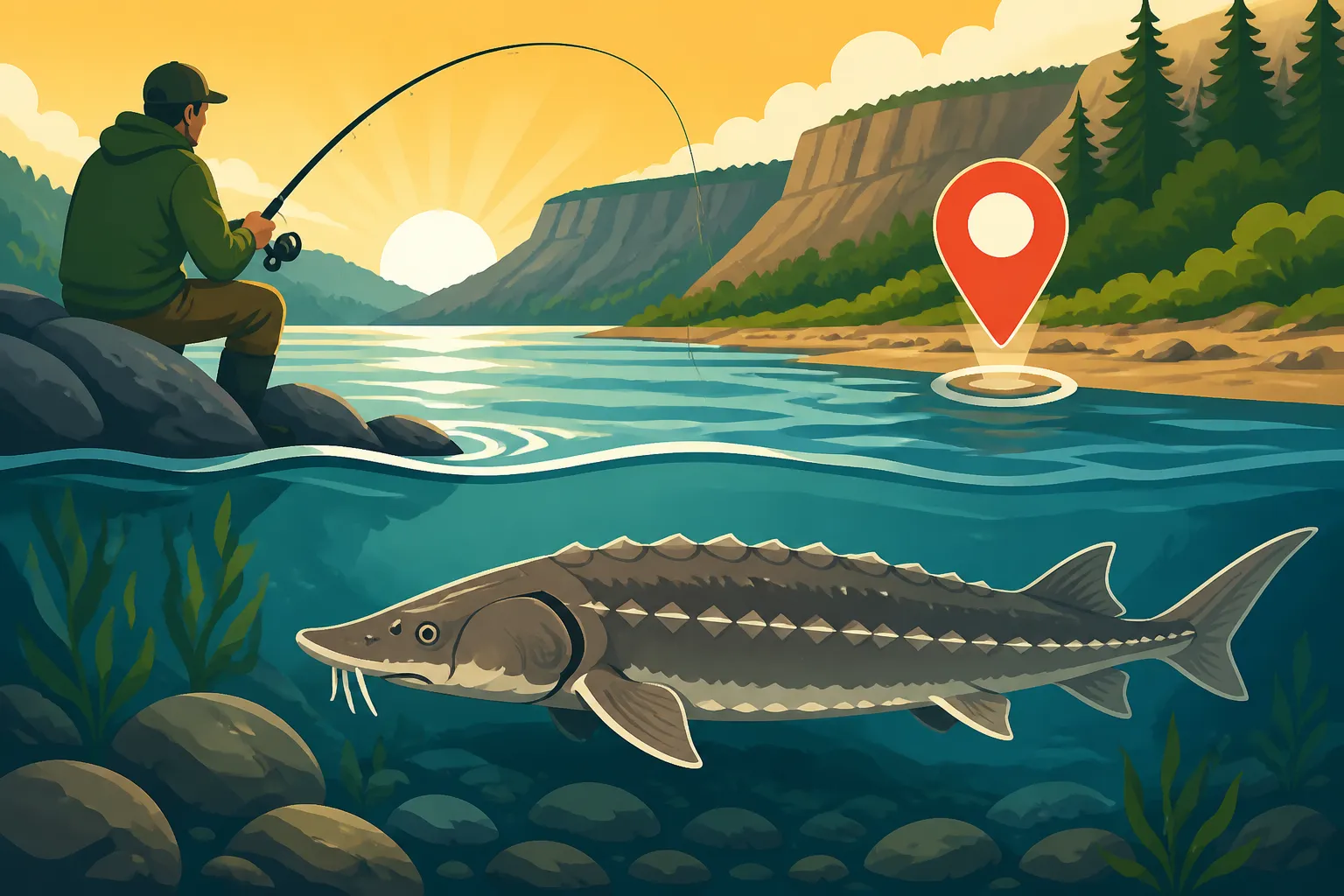
Best bank fishing spot for sturgeon on the Columbia
Ah, the mighty Columbia River sturgeon! There's something truly primal about hooking into one of these prehistoric giants, feeling that incredible power as it tests your gear and your resolve. But let's be real, for many of us, getting out on a boat isn't always feasible, and the thought of trying to tackle a massive sturgeon from the bank can feel utterly daunting. Where do you even start? This guide is here to cut through the confusion, helping you identify some of the best bank fishing spots for sturgeon on the Columbia, what you'll need, and how to maximize your chances of a successful, memorable, and legal catch.
The Allure and Challenge of Bank Fishing for Sturgeon
Sturgeon are truly magnificent creatures, ancient relics swimming in our modern waters. They can live for over 100 years and grow to incredible sizes, often exceeding ten feet in length and hundreds of pounds. The sheer thought of battling such a fish from the solid ground of the bank, rather than a boat, is both thrilling and a little intimidating. It requires a different approach, a keen eye for accessible water, and a robust setup.
Many anglers feel a deep connection to the river when they fish from the bank. There's no motor hum, no jostling with other boats, just you, your gear, and the immense flow of the Columbia. However, this accessibility often comes with challenges. You're limited to where you can physically stand, cast, and, crucially, land a potentially enormous fish. The prime sturgeon holes—deep channels, current seams, and areas with significant structure—are often most accessible by boat. This can lead to a lot of frustration for bank anglers who feel like they're missing out. But don't despair! With a bit of insider knowledge and the right approach, you can absolutely find success targeting sturgeon from the shore.
Understanding Sturgeon Habits on the Columbia
To effectively target sturgeon from the bank, it helps to understand a bit about their behavior. White sturgeon, the primary species in the Columbia River, are bottom feeders. They cruise along the riverbed, using their sensitive barbels to detect food. This means you need to get your bait down to them and keep it there. They prefer areas with a good current that brings food to them, but also proximity to deeper holes or submerged structure where they can rest and ambush prey.
During different seasons, sturgeon will move, often following food sources like salmon smolts or lamprey. In the warmer months, they might be more active, whereas in colder periods, they could be more lethargic and congregate in deeper, calmer water. Knowing these general patterns helps you choose the right time and location. Furthermore, understanding the nuances of the river's flow and depth at various spots is critical, especially when you're limited to bank access. It’s not just about casting far, it’s about casting smart into zones where these incredible fish are likely to be lurking.
Prime Bank Fishing Locations for Sturgeon on the Columbia River
Finding truly great bank fishing spots for sturgeon on the Columbia can feel like searching for a hidden treasure. The vast majority of the river's prime sturgeon habitat is boat-access only. However, there are definitely diamonds in the rough that offer decent opportunities for the dedicated shore angler, especially for the typically abundant "oversize" sturgeon that are strictly catch-and-release.
The Scenic Columbia River Gorge Access Points
Heading east from Portland into the Columbia River Gorge offers some truly spectacular scenery, and a few spots where the bank becomes accessible and the sturgeon might cruise by. These areas often feature deeper water close to shore, making them appealing.
- Rooster Rock State Park (East of Gresham): This popular state park isn't just for sunbathing and windsurfing. There are areas along the bank, particularly towards the east end of the park, where deeper water and current seams can hold sturgeon. The trick here is finding a spot away from the crowds where you can cast heavy gear without interfering with other park users. Access is good, but finding a secluded fishing spot requires a bit of exploration. The water here can be quite deep close to shore, which is a major advantage for bank anglers. Keep an eye out for eddy lines or current breaks that might accumulate forage for sturgeon.
- Marine Drive Areas (East Portland/Fairview): As you drive east along Marine Drive from Portland towards Troutdale, there are numerous pull-offs and small parks that offer bank access. While many of these spots are shallower, some have deeper channels or submerged structures that can attract sturgeon. Look for areas with a swift current that then slows down, creating a natural feeding lane. The key is finding pockets of calm water adjacent to a strong current. These spots are often shared with other anglers targeting salmon or steelhead, so courtesy is key.
Urban and Suburban Riverfront Opportunities
Even within the more populated areas, there are spots on the Columbia that can yield sturgeon from the bank, particularly in the Portland metro area.
- Kelly Point Park (North Portland): Located at the confluence of the Willamette and Columbia Rivers, Kelly Point Park offers extensive bank access. While it's better known for salmon and steelhead, sturgeon do pass through and hold in the deeper channels here. The currents can be tricky, so understanding where the two rivers merge and create eddies or deep scour holes is crucial. It’s a busy park, but its sheer size means you can often find a quiet stretch to deploy your heavy sturgeon gear. This area is also popular for folks looking for a relaxing day out, so being mindful of others is important.
- Government Island (Access from Marine Drive): While much of Government Island is only accessible by boat, some stretches along the north side, visible from the mainland on Marine Drive, can sometimes be reached by determined bank anglers (though often with a bit of a hike or careful navigation). These areas tend to be less pressured and can hold good numbers of fish. You'll need to scout these spots carefully, as public access isn't always clearly marked, and navigating the terrain can be challenging.
When looking for specific spots, remember that conditions on the Columbia can change with water levels and currents. What was a great spot last year might be different this year. It's always a good idea to scout an area first, checking for good access, deep water nearby, and signs of fish activity. Sometimes, the best strategy is to book a sturgeon guide trip on the Columbia if you're serious about learning the ropes or want to explore more inaccessible, productive waters. Platforms like FishingBooker can connect you with experienced guides who know the river inside and out, making it an excellent option for those who want to maximize their chances and learn from a pro before venturing out extensively on their own bank fishing adventures.
Essential Gear for Bank Sturgeon Anglers
Bank fishing for sturgeon isn't like casting for trout with a lightweight spinning rod. These fish are powerful, and your gear needs to match that strength. Skimping on tackle will almost certainly lead to heartbreak.
- Rods and Reels: You'll need heavy-duty equipment. Think sturdy salmon/steelhead rods, generally 8 to 10 feet long, with a heavy power rating. Look for rods rated for 15-40 lb line or higher. Pair this with a robust baitcasting reel capable of holding a significant amount of heavy line. Ambassadeur 7000 series reels or similar saltwater-grade reels are popular choices. The reel needs a strong drag system and a good cranking power to handle the fight.
- Line: Braided line is almost a must for sturgeon. It has no stretch, which gives you excellent feel for subtle bites and incredible power to set the hook and fight these strong fish. A 60-80 lb test braided line is a good starting point. You'll then use a monofilament or fluorocarbon leader, typically 50-100 lb test, which is more abrasion-resistant and less visible to the fish.
- Terminal Tackle: This is where the magic happens.
- Sinkers: You'll need heavy lead sinkers to hold your bait in the strong Columbia current. Pyramid or flat-bottomed no-roll sinkers are excellent, ranging from 6 to 16 ounces, sometimes even more depending on the current. Bring a variety!
- Hooks: Circle hooks are essential for sturgeon, not just for their effectiveness but also for fish welfare. They're designed to hook in the corner of the fish's mouth, minimizing deep hooking and making catch-and-release much safer. Sizes like 5/0 to 9/0 are common. Always use high-quality, strong hooks.
- Swivels and Leaders: Heavy-duty swivels are crucial to prevent line twist. A sliding sinker rig is commonly used: your main line runs through an eye on the sinker, then ties to a barrel swivel. Your leader, usually 2-3 feet long, is tied from the other end of the swivel to your hook. This allows the fish to pick up the bait without immediately feeling the weight of the sinker.
Best Baits for Columbia River Sturgeon
Sturgeon are opportunistic feeders, but they definitely have preferences. Matching your bait to what they’re feeding on in the river at that time can make a huge difference.
- Smelt: These oily little fish are a top-tier sturgeon bait. Their strong scent attracts sturgeon from a distance. You can use them whole or cut into chunks.
- Squid: Easy to find, durable, and very effective. Squid can be cut into strips or chunks and stays on the hook well, even in strong currents.
- Sand Shrimp: A natural food source for sturgeon, sand shrimp (or ghost shrimp) are incredibly enticing. They're a bit more delicate on the hook but very potent.
- Herring: Similar to smelt, herring are oily and smelly, making them a great choice.
- Worms: Large nightcrawlers or clam necks can also work, especially when combined with other baits.
- Scent: Many anglers add a commercial scent attractant to their baits for an extra edge. Pro-Cure scents are a popular choice among many Columbia River anglers.
When rigging your bait, make sure your hook point is exposed to ensure a solid hookset. Don't be shy about using a generous chunk of bait; sturgeon have large mouths!
Navigating Regulations and Best Practices for Sturgeon Angling
Fishing for sturgeon on the Columbia comes with a significant responsibility, especially due to their conservation status. Oregon fishing regulations are specific and strictly enforced to protect these ancient fish. It's not just about what you catch, but how you catch and release them.
Understanding Catch-and-Release Rules
For the vast majority of the Columbia River, sturgeon fishing is strictly catch-and-release. This means any sturgeon you catch must be immediately released unharmed. There are very rare and specific retention seasons, usually announced well in advance and limited to certain zones and very short windows. Always check the most current regulations before heading out. Fishing without being aware of these rules could lead to severe fishing violations and penalties.
- Mandatory Barbless Hooks: When fishing for sturgeon, barbless hooks are mandatory. This helps ensure easy removal and minimizes harm to the fish. You can buy barbless hooks or simply crimp down the barb on a regular hook with pliers.
- Responsible Handling: Sturgeon are tough, but they can be easily injured if not handled properly.
- Keep them in the water: Whenever possible, keep the sturgeon in the water while unhooking it.
- Support their body: If you must briefly lift a smaller sturgeon for a photo, support its full body weight horizontally, especially its head and tail. Never lift a sturgeon by its tail alone, as this can severely damage its spine. For larger fish caught from the bank, it's virtually impossible to lift them, so work quickly at the water's edge.
- Minimize fight time: Use appropriate heavy tackle to land the fish as quickly as possible, reducing stress.
- Quick release: Unhook the fish gently and release it quickly. If it seems disoriented, hold it upright in the current until it regains its strength and swims away on its own.
Licensing and Endorsements
Before you even cast a line, ensure you have the correct licensing. An Oregon fishing license is required for anyone 12 years of age or older. For sturgeon fishing, particularly in certain zones or for retention (should it be allowed), you might also need an Oregon Sturgeon Tag. These tags are crucial for monitoring harvest and participation. Always carry your license and any required tags with you, and be prepared to show them to a game warden. You can learn more about specific license types, like the Combined Angling Tag and its requirements, to ensure you're fully compliant before hitting the water.
When you're out there, remember that the daily bag limits and specific size restrictions apply even if you're only targeting catch-and-release. For sturgeon, this usually means that while you can fish for them, you cannot retain them. The exception might be specific, limited seasons for "keeper" sturgeon, which are typically between 38-54 inches fork length in areas like the Bonneville Pool. However, these opportunities are rare and highly regulated. For the most up-to-date information, always consult the official Oregon Department of Fish and Wildlife (ODFW) regulations.
Maximizing Your Success from the Bank
Bank fishing for sturgeon requires patience and persistence. It’s not always easy, but it is incredibly rewarding.
- Scouting is Key: Before you even unpack your gear, take some time to scout the bank access points. Look for areas with deeper water, visible structure (like submerged logs or rock piles), and current breaks or eddies. Overhanging trees or steep banks can make casting and landing difficult, so prioritize open, relatively flat areas near good water.
- Tidal Influence: While the Columbia is a major river, its lower stretches are influenced by tides. Understanding the tides can be beneficial, as sturgeon often feed more actively during incoming or outgoing tides when currents are moving bait around. A good local tide chart can be a valuable tool.
- Fish During Peak Times: Sturgeon can be caught at any time of day, but often early morning, late evening, or even night fishing can be productive. These are times when they might be more active or less pressured.
- Stay Alert for Bites: Sturgeon bites can range from a subtle tap to a massive rod-bending strike. Keep an eye on your rod tip, and if you see any movement, be ready to grab it. A rod holder that keeps your rod secure but allows for quick removal is essential.
- Safety First: When dealing with heavy gear, strong currents, and potentially massive fish, safety is paramount. Be aware of your surroundings, especially if fishing alone or in remote areas. Wear appropriate footwear with good grip, especially on uneven or slippery banks.
Remember, the journey of finding the perfect bank spot for sturgeon on the Columbia is part of the adventure. There will be frustrating days, but the payoff of landing one of these incredible fish from the shore is unparalleled. If you're struggling to find productive bank spots, or simply want to learn advanced techniques and access more exclusive areas, consider checking out guides available through services like FishingBooker. They offer a range of experiences, from full-day trips targeting different species, including sturgeon, to half-day options perfect for learning the ropes. Sometimes, a guided trip can open your eyes to new possibilities and accelerate your learning curve, especially if you're venturing out to fish for these giants.
| Bank Fishing Hotspot | Primary Appeal | Best Conditions | Key Gear Considerations | Notes for Anglers |
|---|---|---|---|---|
| Rooster Rock State Park | Deeper water close to shore, current seams | Incoming/Outgoing tide | Heavy rods/reels, 8-12 oz sinkers | Can be crowded, requires respectful spacing |
| Marine Drive Areas (East Portland) | Accessible pull-offs, varied current | After high water, slower current | Pyramid/no-roll sinkers | Scout for structure, avoid busy areas |
| Kelly Point Park | Confluence of Willamette & Columbia, varied depth | Slack tide (between rushes) | Strong braid, large circle hooks | Shared with other anglers, broad area to explore |
This table provides a quick overview, but always remember to combine this knowledge with your own scouting and current ODFW regulations to have the most successful and enjoyable outing possible.
Disclaimer
Fishing conditions and regulations in Oregon can change rapidly due to environmental factors, fish runs, and management decisions. Always consult the official Oregon Department of Fish and Wildlife (ODFW) website or their printed regulation books for the most current and accurate information before planning any fishing trip. This guide is for informational purposes only and does not replace official regulations.