Best lake near Crater Lake for fishing
Oh, the allure of Crater Lake! It's truly a marvel, isn't it? Many folks, when planning a visit to this stunning national park, naturally start dreaming of casting a line into its deep, pristine waters. But here's the honest truth, and a frustration many anglers discover only after arriving: fishing in Crater Lake isn't permitted. It's a bit of a bummer if you've got your gear ready, but don't worry, because the good news is that the surrounding Central Oregon area is absolutely teeming with incredible fishing opportunities. This guide is all about helping you discover the best lakes near Crater Lake where you can actually wet a line and hopefully reel in some fantastic fish.
Why Crater Lake Itself Isn't a Fishing Destination
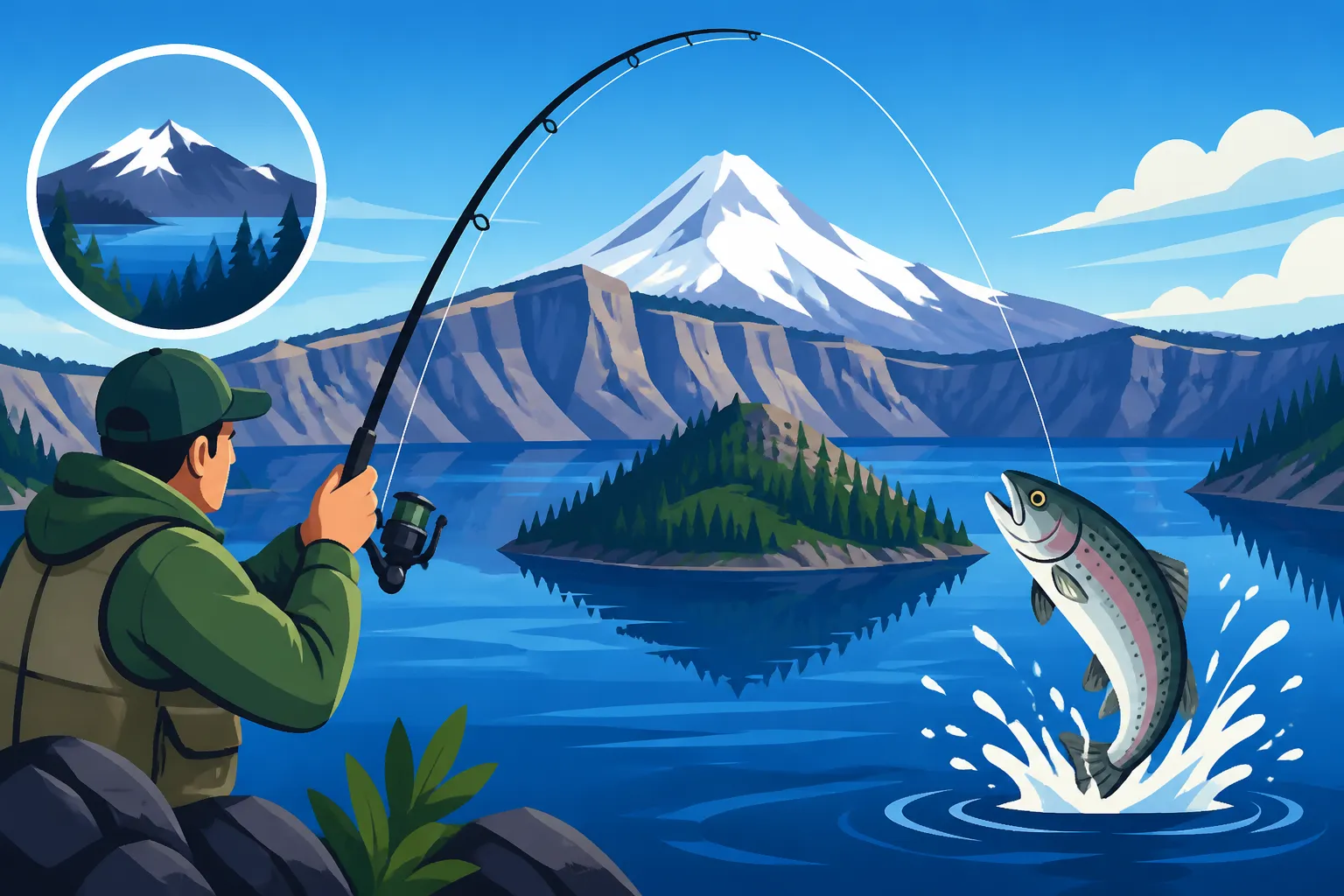
It’s easy to look at the immense, crystal-clear blue of Crater Lake and imagine trout leaping from its depths. But as breathtaking as it is, Crater Lake National Park has very specific rules that prohibit fishing within the lake itself. This isn't just arbitrary; it's rooted in the lake's unique geology and ecological significance.
The Sacred Waters and Ecological Protections
Crater Lake isn't just any body of water; it's a caldera lake, formed in the collapsed mouth of an ancient volcano. Its isolation has made it one of the purest and clearest lakes in the world, with a delicate ecosystem that scientists and park rangers work tirelessly to protect. For indigenous Klamath people, these waters are sacred, holding deep spiritual meaning and a connection to their history. Introducing non-native species or altering the lake's environment through fishing activities could disrupt this fragile balance, which is why the park maintains strict conservation policies. It's a place meant to be admired for its natural, untouched beauty, not for recreational harvest. While it might feel restrictive, it’s all in the name of preserving this national treasure for future generations, and for those who hold it sacred.
Unique Features and Conservation Efforts
The sheer depth of Crater Lake – nearly 2,000 feet at its deepest point – and its lack of inlets and outlets also contribute to its unique character. The water is almost entirely fed by snow and rain, making it incredibly pure but also highly susceptible to contamination. Any foreign elements, from fishing line to bait, could have long-lasting, detrimental effects. Over the years, there have been limited, carefully managed scientific studies involving fish, but these are far from public angling. The park's focus is on maintaining the lake's natural state, ensuring that its distinct aquatic life, like the native Crater Lake newt and its unique flora, thrive undisturbed. So, while you can't fish in Crater Lake, understanding why really helps appreciate the monumental conservation efforts at play.
Top Lakes Near Crater Lake for Anglers
Alright, now that we've cleared up why Crater Lake itself is off-limits for fishing, let's dive into where you can go! The region surrounding the national park, particularly within the greater Southern Oregon and Cascade Mountain areas, offers some truly phenomenal fishing. You just need to know where to look.
Diamond Lake: A True Angler's Paradise
Hands down, if you’re looking for the best lake near Crater Lake for fishing, Diamond Lake is often the first name that comes up. It’s located just north of the national park, about a 20-minute drive, making it incredibly convenient for combining a sightseeing trip with a fishing adventure. Diamond Lake is famously known for its fantastic rainbow trout fishing. The Oregon Department of Fish and Wildlife (ODFW) manages this lake specifically for recreational angling, stocking it generously with hatchery-raised rainbow trout.
The fishing here can be spectacular, especially during the spring and early summer when the water is still cool, or in the fall as temperatures begin to drop. Many anglers find success trolling with various lures like Wedding Rings, Rapalas, or even just worms behind a dodger. Bank fishing is also very popular, with PowerBait, worms, or corn being common choices. You'll find several resorts and campgrounds around the lake, making it easy to spend a few days enjoying the peaceful scenery and excellent fishing. You might even consider booking a guide through a service like FishingBooker if you're unfamiliar with the area; they can help you navigate the lake and find the hot spots, especially if you're new to trout fishing in Oregon. Knowing the local techniques can make all the difference, and understanding what bait and lures work best for Oregon trout fishing is crucial for a successful trip.
Lake of the Woods: High Mountain Gem
A little further south and west of Crater Lake, nestled in the Fremont-Winema National Forest, lies Lake of the Woods. This high-altitude lake offers a different, yet equally rewarding, fishing experience. It’s a bit more of a drive from Crater Lake – about an hour and a half – but it’s absolutely worth the scenic journey. Lake of the Woods boasts a diverse fishery, including rainbow trout, brook trout, brown trout, kokanee salmon, and even some largemouth bass and crappie in its shallower areas.
What makes Lake of the Woods special is its beautiful setting with views of Mount McLoughlin, and the variety of fishing methods it supports. Trolling is effective for trout and kokanee in the deeper sections, while fly fishing can be productive in the mornings and evenings around weed beds and inlets, particularly for brook trout. For those interested in warm water species, casting with jigs or crankbaits near structure can yield some nice bass or crappie. The lake offers several public boat launches, a marina, and rustic resorts, providing ample amenities for anglers. It's a fantastic spot for a longer stay, allowing you to explore different techniques and target various species. If you're looking for an all-around mountain lake fishing experience with plenty of options, Lake of the Woods is an excellent choice.
Upper Klamath Lake: Trophy Trout Waters
If you’re a serious angler who dreams of catching truly massive fish, then Upper Klamath Lake, located further south from Crater Lake (roughly an hour and a half drive), might just be your ultimate destination. This vast, shallow lake is renowned for its trophy-sized redband rainbow trout, a unique subspecies native to the Klamath Basin. These fish are known for their incredible fighting power and can grow to impressive sizes, often exceeding 20 inches, with some reaching over 10 pounds!
Fishing Upper Klamath Lake requires a bit more specialized knowledge and equipment due to its size and often windy conditions. Trolling with large lures like Kwikfish, Flatfish, or big spoons is a common and effective method for targeting these trophy trout. The lake also has healthy populations of yellow perch and brown bullhead catfish, which can provide fun action, especially for family groups. Access is plentiful, with various boat ramps and public access points around the lake, particularly near Klamath Falls. While not as close as Diamond Lake, the potential for a personal best catch makes Upper Klamath Lake an irresistible draw for many experienced anglers seeking a serious challenge. Just remember to check the specific Oregon fishing regulations explained for this unique fishery, as rules can vary.
Essential Considerations for Fishing Near Crater Lake
Planning a fishing trip near Crater Lake involves more than just picking a lake; it requires understanding the local rules and preparing for the unique conditions of the Oregon outdoors.
Oregon Fishing Licenses and Regulations
This is probably the most critical piece of information you need before even thinking about casting a line. In Oregon, anyone 14 years or older needs an Oregon fishing license to fish in public waters. This includes visitors from out of state. You can purchase a variety of licenses, from a simple Oregon 1-Day Fishing License for a quick trip to an Oregon Annual Angling License if you plan on extended stays or multiple visits throughout the year. For specific species like salmon and steelhead, or if you plan to fish certain parts of the Columbia River, you'll also need additional endorsements or tags, such as the Oregon Combined Angling Tag Guide.
It's absolutely vital to know the current regulations, which can change seasonally and by specific water body. The Oregon Department of Fish and Wildlife (ODFW) publishes an annual regulation booklet, which is available online and at license vendors. This booklet details daily bag limits explained, size restrictions, open seasons, and any special bait or gear restrictions for each zone and lake. For instance, while Diamond Lake might be open year-round for trout, Upper Klamath Lake might have specific seasons for redband trout. Don't risk a hefty fine or penalty; take the time to read up on the rules! You can find detailed information on where to buy an Oregon fishing license online or at many sporting goods stores, including larger retailers like Walmart.
Best Times to Visit and What to Bring
The "best time" to fish near Crater Lake largely depends on what you're hoping to catch and what kind of weather you prefer. For trout and kokanee, spring (April-June) and fall (September-October) often offer the most comfortable weather and active fish. Summer (July-August) can be excellent too, especially in the early mornings and late evenings, but midday fishing might slow down as water temperatures rise. Winter fishing can also be productive, especially for steelhead in certain rivers, but you'll need to be prepared for cold weather and potential snow.
Regardless of the season, Central and Southern Oregon weather can be unpredictable. Always pack layers of clothing, including rain gear, even if the forecast looks clear. Sun protection (hat, sunglasses, sunscreen) is a must, especially with the high elevation near Crater Lake. Bring plenty of water, snacks, and a first-aid kit. For fishing gear, consider a medium-light spinning rod and reel combo, suitable for a variety of techniques from casting lures to bait fishing. If you're heading to Upper Klamath Lake for trophy trout, a slightly heavier setup might be warranted. And, of course, a net is essential for landing fish safely, and a cooler with ice to keep your catch fresh if you plan to retain any.
Local Resources and Planning Your Trip
Before you head out, tapping into local knowledge can significantly boost your success. Most bait and tackle shops in towns like Klamath Falls or Chemult will be goldmines of information. The folks working there live and breathe fishing in the area and can give you up-to-the-minute reports on what's biting, what baits are working, and any recent regulation changes. Many also sell licenses, tackle, and sometimes even rent boats.
Consider using online platforms or local guides if you're unfamiliar with the waters. Services like FishingBooker can connect you with experienced local guides who know these lakes inside and out. A guided trip can be an excellent way to learn the ropes, gain valuable local insights, and increase your chances of a successful outing, especially if you're targeting specific species or trying new techniques. They often provide all the necessary gear and bait, taking the guesswork out of your planning. Always call ahead to confirm hours of operation for bait shops and any lake-specific amenities, especially during off-peak seasons.
Making the Most of Your Central Oregon Fishing Adventure
Your trip to the Crater Lake area isn’t just about the fishing; it’s an opportunity to immerse yourself in the incredible natural beauty of Oregon. Combining your angling pursuits with other activities can create an unforgettable experience.
Combining Fishing with Other Activities
The region around Crater Lake is an outdoor enthusiast's dream. When you’re not reeling in trout at Diamond Lake or chasing trophy redbands on Upper Klamath Lake, there’s so much more to explore. Crater Lake National Park itself offers stunning scenic drives, hiking trails with breathtaking views, and interpretive programs that delve into its geological and cultural history. Imaging spending the morning fishing, and then an afternoon hiking along the Rim Trail, looking down at that impossibly blue water.
Beyond the national park, the Umpqua National Forest and Fremont-Winema National Forest provide endless opportunities for camping, hiking, wildlife viewing, and photography. You could explore nearby waterfalls, go kayaking or paddleboarding on some of the calmer lakes, or even try some of the other fantastic fishing spots further afield, like the Best Places to Fish in Oregon or checking out the Oregon Coast Fishing Spots if you're heading west. Don't limit your experience to just one thing; let the natural surroundings inspire a broader adventure!
Respecting the Environment
As passionate anglers, we all share a responsibility to protect the beautiful places we enjoy. When fishing near Crater Lake, or anywhere in Oregon, practicing ethical angling is paramount. Always pack out everything you pack in, including fishing line, bait containers, and any other trash. Dispose of fish waste properly, away from campgrounds and public access points.
Follow catch-and-release best practices for any fish you don't intend to keep, minimizing stress and injury to the fish. Barbless hooks can make release much easier and less harmful. Be mindful of sensitive habitats, avoid disturbing spawning areas, and always give wildlife their space. Respect private property signs and be courteous to other anglers and outdoor users. We want these incredible fishing grounds to remain healthy and vibrant for generations to come, and that starts with each of us doing our part. Understanding the Oregon Catch-and-Release Rules is a great way to ensure you're doing your part for conservation.
Here’s a quick overview of our top lake recommendations:
| Lake Name | Primary Species | Distance from Crater Lake (approx.) | Best Season(s) | Key Features |
|---|---|---|---|---|
| Diamond Lake | Rainbow Trout | 20 minutes (north) | Spring, Summer, Fall | Heavy stocking, family-friendly, resorts, easy access. |
| Lake of the Woods | Rainbow, Brook, Brown Trout; Kokanee; Bass; Crappie | 1.5 hours (southwest) | Spring, Summer, Fall | Diverse fishery, scenic views, high mountain lake, varied techniques. |
| Upper Klamath Lake | Trophy Redband Rainbow Trout | 1.5 hours (south) | Spring, Summer, Fall (for trout) | Huge trophy potential, vast shallow lake, requires specialized approach. |
Disclaimer
Please remember that fishing regulations, conditions, and fish populations can change. Always consult the most current Oregon Department of Fish and Wildlife (ODFW) regulations before planning your trip. This guide is for informational purposes only, and individual results may vary. Stay safe and enjoy your time on the water!