Crooked River trout fishing near Prineville
There's nothing quite like the dream of a pristine Oregon trout stream, clear waters teeming with feisty fish just waiting for your perfectly presented fly or lure. But if you've ever cast a line on the Crooked River near Prineville, you know it can be a place of both immense reward and, at times, humbling challenges. Many anglers, myself included, have spent hours staring at the water, wondering why the fish aren't biting, despite all the glowing reports. This guide is here to demystify the Crooked, offering an in-depth look at what makes this Central Oregon gem tick, so you can increase your chances of a truly memorable day on the water, even when the fish seem to have lockjaw.
Crooked River Overview for Anglers
The Crooked River, particularly the section below Bowman Dam, is a crown jewel for trout anglers in Central Oregon. It's not a huge, roaring river; rather, it's a relatively intimate, often crystal-clear stream that demands a thoughtful approach. What it lacks in size, it more than makes up for in the sheer abundance and quality of its wild redband trout. This river often flows cool and clear year-round, making it a reliable destination even when other rivers might be blown out or too warm.
What Makes the Crooked River Special
What sets the Crooked River apart for so many anglers is its consistent flow and vibrant ecosystem. Because its flows are regulated by Bowman Dam, it tends to be less susceptible to the dramatic fluctuations from rain or snowmelt that can plague other rivers. This stability helps maintain excellent water quality and a robust insect population, which in turn supports a thriving wild trout fishery. The banks are often accessible, though sometimes brushy, offering a mix of riffles, runs, and deeper pools. It’s a river that truly feels like a wild trout haven, despite its proximity to the community of Prineville. You'll often find yourself in solitude, or at least with plenty of space between you and the next angler, which is a rare treat these days.
The scenery itself is also a huge draw. Surrounded by high desert canyon lands, with junipers and rimrock framing the water, it's a stunning backdrop for a day of fishing. There’s a quiet beauty to the Crooked River that forces you to slow down, observe, and truly connect with nature. It’s not just about catching fish; it’s about the entire experience of being out on the water in such a unique Oregon landscape. This unique environment makes it one of the Best Places to Fish in Oregon.
Trout Species You'll Find
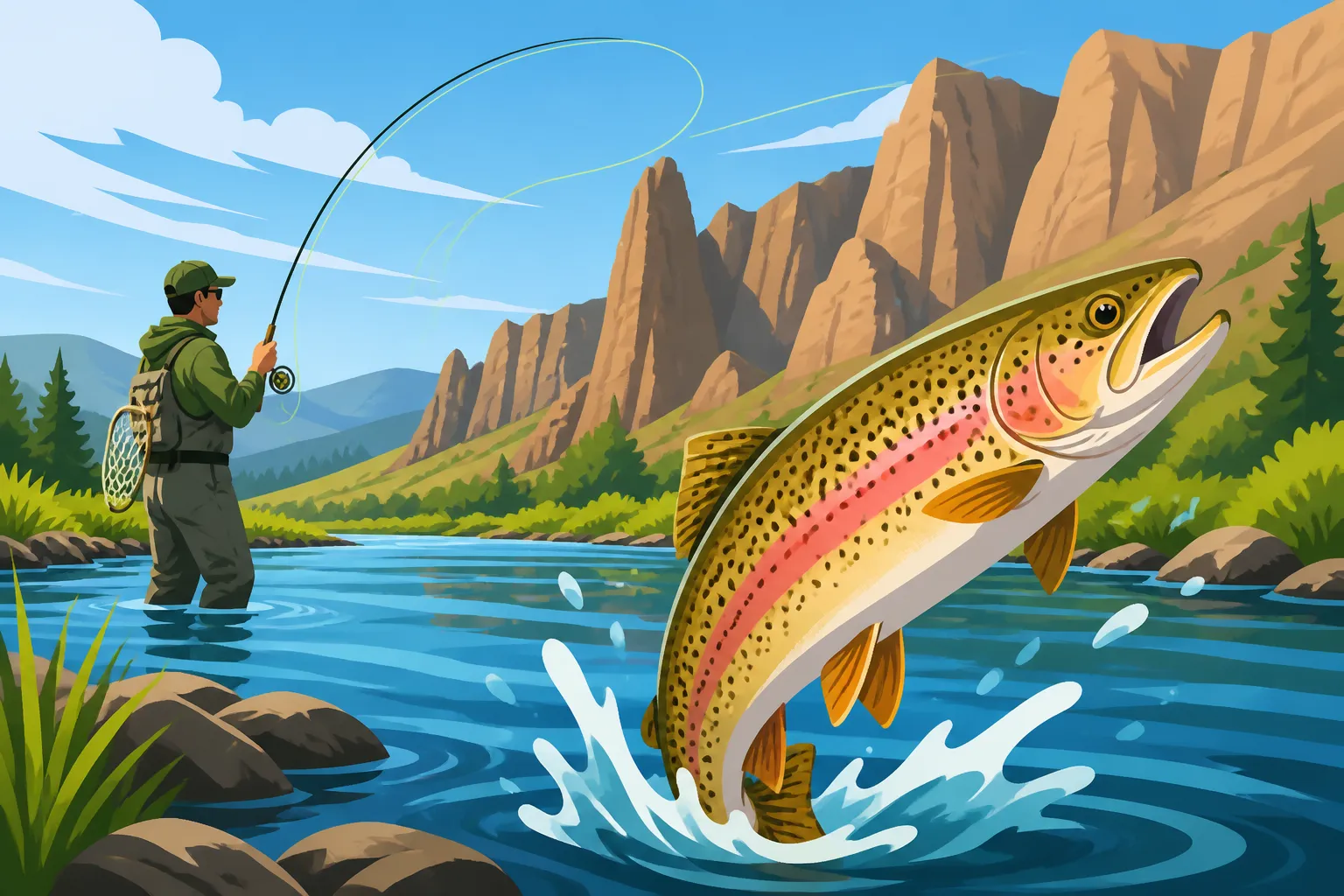
The undisputed king of the Crooked River is the wild redband trout, a subspecies of rainbow trout native to the region. These fish are known for their vibrant coloring, strong fight, and discerning palates. Unlike stocked trout, which might eagerly snatch up anything you throw their way, these wild fish are usually much more particular. They've evolved to survive on the insects and small baitfish naturally found in the river, making them a challenging but incredibly rewarding catch.
You’ll typically find redbands ranging from 8 to 14 inches, with occasional larger specimens pushing 16-18 inches or more. While these might not be "trophy" fish in terms of sheer size compared to, say, a huge steelhead, their wild nature and spirited fight make every catch feel like a trophy. Beyond redband trout, you might also encounter occasional small numbers of brown trout, though they are not as prevalent as the dominant redbands. This focus on wild fish means responsible angling practices, like careful catch and release, are paramount to maintaining the health of the fishery.
Conservation Efforts and Wild Fish
The Crooked River is a prime example of a successful wild trout fishery maintained through thoughtful management and angler stewardship. The Oregon Department of Fish and Wildlife (ODFW) manages this section of the river primarily for wild trout, with strict regulations aimed at protecting these native populations. This includes specific bait restrictions and often catch-and-release rules in certain sections, which we'll delve into later. The emphasis here isn't on stocking hatchery fish to boost numbers, but rather on preserving the genetic integrity and natural reproduction of the redband trout.
This focus on conservation means that the fish you encounter are truly wild and self-sustaining. It’s a testament to the efforts of countless individuals and organizations dedicated to preserving Oregon’s natural resources. Anglers play a vital role in this by understanding and adhering to regulations, practicing proper catch-and-release techniques, and minimizing their impact on the river ecosystem. Learning about Oregon Fishing Regulations Explained can give you a deeper understanding of why these rules are in place.
Prime Fishing Seasons and Times
Fishing the Crooked River can be productive year-round, but like any fishery, it definitely has its peak seasons and specific times when conditions align perfectly for stellar angling. Understanding these nuances can dramatically improve your success. It's not just about showing up; it's about showing up when the fish are most active and the hatches are most prolific.
Year-Round Opportunities, Peak Seasons
One of the Crooked River’s greatest assets is its year-round fishability. Even in the depths of winter, with proper gear and technique, you can find success, often enjoying solitude in a snow-dusted landscape. The consistent water temperatures released from the bottom of Bowman Dam mean the river rarely freezes over completely, offering a cold-weather escape. During these colder months, nymphing tends to be the most productive technique, as fish are less active and less likely to rise to the surface.
However, the "prime time" for dry fly fishing on the Crooked River typically falls during the spring and fall months.
- Spring (March to May): As temperatures begin to warm, insect hatches become more abundant and diverse. You'll see a surge in mayflies, caddis, and midges, leading to some incredible dry fly action. The fish are shaking off their winter lethargy and feeding aggressively. This can be one of the Best Time of Year to Fish in Oregon.
- Summer (June to August): While still productive, summer can be more challenging. The bright sun and warmer air temperatures often push the fish into deeper, shadier holding lies during the middle of the day. Early mornings and late evenings become prime windows, especially for dry flies. Terrestrial patterns like grasshoppers and ants can be highly effective.
- Fall (September to November): This is arguably the most consistent and enjoyable season for many Crooked River regulars. The water temperatures are ideal, insect activity is high, and the fish are actively fattening up for winter. Fall can offer incredible dry fly fishing, with consistent hatches and fish willing to rise. The vibrant fall foliage in the canyon adds to the beauty.
- Winter (December to February): As mentioned, winter fishing is predominantly a nymphing game. While dry fly opportunities are scarce, patiently working subsurface patterns can yield surprising results. The key is to fish slower, targeting deeper runs and pockets where fish conserve energy.
Understanding Water Levels and Hatches
The Crooked River's flows are generally quite stable thanks to Bowman Dam, but even minor adjustments can influence fishing conditions. You'll want to check the current flows before heading out. Too high, and wading can be difficult; too low, and the fish can become incredibly spooky in the shallow, clear water. The ODFW website or USGS streamflow data are excellent resources for this.
More critically, understanding the prevalent insect hatches is absolutely essential for success on the Crooked, especially if you're fly fishing. The river is renowned for its prolific midge and PMD (Pale Morning Dun) hatches, which can occur throughout much of the year. Caddisflies also make a strong showing, particularly in spring and fall. Knowing what bugs are active on a given day, or what's likely to hatch, will guide your fly selection. It's common to see anglers peering into the water or observing the air for signs of emerging insects. Many experienced anglers keep a detailed log of hatches and conditions, which is a testament to how crucial this knowledge is.
Best Times of Day
Just like seasons, the time of day can make a significant difference.
- Early Mornings: Often fantastic, especially in spring, summer, and fall. The water is cooler, the light is softer, and fish are often actively feeding after the night. You might catch the tail end of a midge hatch or the beginning of a mayfly emergence.
- Mid-Day (10 AM – 3 PM): This can be the toughest period, particularly on bright, clear days. Fish tend to move into deeper, shadier lies. If you're fishing during these hours, focus on nymphing or swinging streamers through prime holding water. However, some prolific hatches, like a strong midday PMD hatch, can provide excellent dry fly action even during these challenging hours.
- Late Afternoons/Evenings: Often another prime window, especially for dry fly fishing as insects become more active and fish feed on the surface as the sun begins to set. Evening caddis hatches can be spectacular and offer some of the most exciting fishing of the day.
Being flexible and observant is key. The Crooked River often rewards those who pay attention to the subtle cues of nature, whether it's a change in light, a ripple on the surface from an emerging insect, or the tell-tale splash of a rising trout.
Essential Gear and Techniques
Success on the Crooked River is often less about brute force and more about finesse, presentation, and knowing your gear. Because of the clear water and educated wild trout, a thoughtful approach to equipment and technique will serve you far better than just throwing the kitchen sink at them.
Fly Fishing Essentials: Rods, Reels, Lines
For the Crooked River, fly fishing is king. While some anglers might find success with ultra-light spinning gear using small lures, the vast majority of dedicated Crooked River anglers are fly fishers.
- Rods: A fast to medium-fast action 3-weight or 4-weight fly rod, typically between 7.5 to 9 feet in length, is the sweet spot. A lighter rod provides the necessary sensitivity for delicate presentations with small flies and makes fighting even an 8-inch redband a thrilling experience. A 5-weight can feel a bit heavy for the average fish size and smaller fly patterns, though it might be useful if you anticipate strong winds or need to cast larger terrestrial patterns.
- Reels: Any reliable single-action fly reel that balances well with your rod will do. It doesn't need a super-fancy drag system, as you'll primarily be fighting fish on the rod, but it should hold your line and some backing.
- Lines: A weight-forward floating line matched to your rod weight is standard. For those technical nymphing situations, a line designed for nymphing with a slightly heavier front taper can be beneficial. Your leader and tippet choice are critical here. Given the clear water and wary fish, you’ll typically want a longer leader (9-12 feet) tapered down to 5x or even 6x tippet, especially when dry fly fishing or using tiny nymphs. Sometimes, even 7x is necessary for the most challenging conditions and smallest flies.
Remember, the goal is often to present a small fly subtly and accurately. Overly heavy lines or short, stout leaders will spook these intelligent fish. Investing in good quality fluorocarbon tippet is often worth it for its low visibility and abrasion resistance. If you're looking for specialized advice on this, you might explore resources like Oregon Trout Fishing Techniques or How to Fly Fish in Oregon.
Top Fly Patterns for the Crooked
The Crooked River has a reputation for being a "midge factory," but it's much more diverse than that. Here are some indispensable fly patterns you should always have in your box:
- Midges: These are year-round producers.
- Dry Flies: Griffith's Gnat (sizes 18-24), CDC Midge (sizes 20-24), Parachute Adams (small sizes 20-24).
- Nymphs/Larvae: Zebra Midge (black, red, olive; sizes 18-24), Disco Midge (various colors, sizes 18-22), Mercury Black Beauty (sizes 20-24).
- Mayflies (PMDs, BWO's): Crucial during spring and fall.
- Dry Flies: Parachute PMD (sizes 16-20), Sparkle Dun (sizes 16-20), BWO Comparadun (sizes 18-22).
- Nymphs: Pheasant Tail Nymph (sizes 16-20), Barr's Emerger (sizes 16-20), JuJuBaetis (sizes 18-22).
- Caddisflies: Strong hatches, especially in spring and fall evenings.
- Dry Flies: Elk Hair Caddis (tan, olive, black; sizes 14-18), X-Caddis (sizes 16-18).
- Nymphs/Pupas: Tungsten Caddis Larva (sizes 14-18), LaFontaine's Sparkle Pupa (sizes 14-18).
- Terrestrials (Summer):
- Dry Flies: Chubby Chernobyl (small, tan/black; sizes 10-14), Ant patterns (black, cinnamon; sizes 16-20).
- Attractor/Junk Flies (Nymphing):
- Pat's Rubber Legs (black/brown; sizes 8-14), Squirmy Wormy (various colors; sizes 12-16). These can sometimes tempt fish even when nothing specific is hatching.
It’s often beneficial to fish a "dry-dropper" rig, with a visible dry fly supporting a small nymph below it. This allows you to prospect for rising fish while also covering the subsurface. For more on specific patterns, check out Best Dry Fly Patterns for Oregon Trout.
Reading the Water and Presentation Tips
This is where the true art of Crooked River fishing comes into play. The clear water means fish have excellent visibility, so stealth and careful presentation are non-negotiable.
- Reading the Water: Look for the classic trout lies: current seams where fast water meets slow, deeper pools, undercuts, and areas with structure like submerged logs or rocks. Pay close attention to subtle differences in water speed and depth. The "tail-outs" of pools, where the water shallows and speeds up before entering the next riffle, are often prime feeding lies, especially during hatches. Don't forget the slower, quieter eddies behind large rocks or brush – these can hold surprisingly large fish. For a detailed guide on identifying these spots, look at How to read water for trout fishing.
- Presentation:
- Delicate Casts: Avoid heavy, sloppy casts that slap the water. Aim for soft landings that imitate a natural insect.
- Drag-Free Drifts: This is paramount, especially with dry flies and nymphs. Any unnatural drag on your line will immediately tell the fish your fly isn't real. Learn to mend your line upstream to achieve a perfect, natural drift.
- Stealth: Approach the river quietly. Wear drab clothing. Kneel or stay low on the banks to avoid silhouetting yourself against the sky. Cast from a distance, if possible, rather than right on top of a feeding fish.
- Observation: Spend time watching the water before you cast. Are fish rising? If so, what are they eating? What direction are they feeding? What's the natural drift of the insects? Matching the hatch isn't just about fly pattern; it's about matching the size, color, and behavior (drift) of the natural insects.
Remember, on the Crooked River, one well-presented cast is worth ten sloppy ones. Patience and precision will be your best allies.
Key Access Points and Regulations
Knowing where you can legally and safely access the river, along with understanding the specific rules that apply, is critical for a smooth and enjoyable fishing trip to the Crooked River. Oregon has some fantastic fishing, but respecting the rules protects the resource for everyone.
Popular Access Zones Near Prineville
The most popular and productive section of the Crooked River for trout fishing is the approximately 8-mile stretch downstream from Bowman Dam to its confluence with the Deschutes River. While the entire stretch offers opportunities, several key access points near Prineville make getting to the water relatively easy.
- Big Bend Campground: This is a very popular spot, easily accessible from Prineville. It offers camping facilities and ample parking. From here, you can walk upstream or downstream to find good water. The trails along the river are generally well-maintained, providing excellent bank access. You’ll find a mix of riffles, runs, and some nice pools. It’s a great starting point, especially if you’re new to the river.
- Castle Rock Campground: Further downstream from Big Bend, Castle Rock also provides good access and camping. This area can be a bit more remote, offering a quieter experience. The river here continues its character of clear, meandering flows through the high desert canyon.
- Chimney Rock Campground: Even further downstream, Chimney Rock provides additional access. This stretch generally requires a bit more walking to find prime spots, but it can be worth the effort for the solitude and quality fishing.
While these campgrounds offer official access, many anglers also find smaller pull-offs and trails along the Crooked River Road that parallel the river. Always be mindful of private property boundaries, which are usually well-marked. A quick search on FishingBooker for local guides might reveal some insider tips on lesser-known, but still accessible, spots.
Understanding Special Regulations and Limits
The Crooked River is a specially regulated fishery, primarily managed for its wild redband trout. This means you must pay close attention to the specific rules, as they differ significantly from general statewide regulations. You’ll need a valid Oregon Fishing License Guide to fish here, of course.
- Flies and Lures Only: In the popular section below Bowman Dam, bait is generally prohibited. This is a "flies and lures only" water. This regulation is crucial for protecting the wild trout population, as flies and lures tend to cause less harm to fish intended for release. Make sure you understand Oregon bait restrictions on fly-only water.
- Barbless Hooks Required: This is another standard regulation for wild trout streams in Oregon, designed to minimize injury to fish during catch and release. Pinch down the barbs on all your flies and lures.
- Catch-and-Release or Restricted Harvest: For much of the river, especially below Bowman Dam, it is often catch-and-release only for trout. However, regulations can change, and specific sections might have a very limited bag limit (e.g., one hatchery trout per day, if any are present). It is absolutely critical to consult the most current Oregon Sport Fishing Regulations handbook before you go. This free booklet, available online through the ODFW website or at any license agent, is your bible. Always confirm the specific rules for the Crooked River, particularly the section you intend to fish, as bag limits for Oregon daily bag limit for trout can vary wildly by waterbody.
- Oregon Fishing Zones Explained: Oregon's fishing regulations are often broken down by zones. The Crooked River typically falls under a specific zone with its own unique set of rules, emphasizing the importance of checking the handbook for that particular river.
Familiarizing yourself with these regulations is not just about avoiding fines; it's about being a responsible steward of this incredible natural resource. The health of the wild trout fishery depends on all of us following these guidelines.
Respecting Private Property and River Etiquette
While the Crooked River offers abundant public access, there are also sections that border private land. Always be respectful of "No Trespassing" signs and private property. Staying within the clearly marked public access corridors or on designated trails is crucial. If you're unsure, it's always best to err on the side of caution and find another spot.
Good river etiquette also goes a long way.
- Give Space: If you see another angler, give them plenty of room. Don't crowd them or jump into a spot right above or below where they're fishing, especially if they’ve been working that stretch. A polite wave or greeting is always appreciated.
- Leave No Trace: Pack out everything you pack in, including all trash, discarded fishing line, and old leaders. Leave the riverbank cleaner than you found it. This includes picking up any litter left by others.
- Wade Carefully: The river bottom can be slippery, but also avoid disturbing the streambed and spawning areas (redds) as much as possible. Wade only when necessary and move slowly and deliberately.
- Handle Fish with Care: If you’re practicing catch and release, minimize handling of the fish. Keep them in the water as much as possible, use a knotless net, and release them gently.
By following these guidelines, you're not just ensuring your own enjoyable trip, but you're also helping to preserve the Crooked River's reputation as a world-class wild trout fishery for generations to come.
Disclaimer
Fishing conditions and regulations in Oregon can change frequently due to environmental factors, fish populations, and management decisions. Always consult the latest official Oregon Department of Fish and Wildlife (ODFW) regulations before planning your trip to ensure you have the most current and accurate information. This guide is for informational purposes only and should not be considered a substitute for official ODFW publications.