Best float trip for smallmouth bass in Oregon
Trying to figure out the absolute best float trip for smallmouth bass in Oregon can feel like searching for a hidden gem in a vast, beautiful wilderness. It’s not just about finding water with bass; it’s about piecing together the perfect stretch of river, understanding the optimal timing, and knowing what gear will genuinely make a difference. This guide is here to cut through the confusion and steer you towards an unforgettable smallmouth bass float trip experience in the Beaver State.
Why Oregon is a Smallmouth Bass Paradise for Float Trips
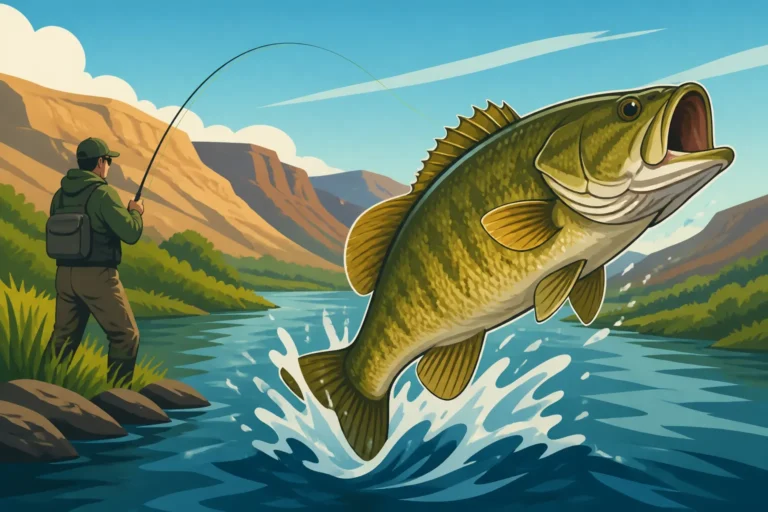
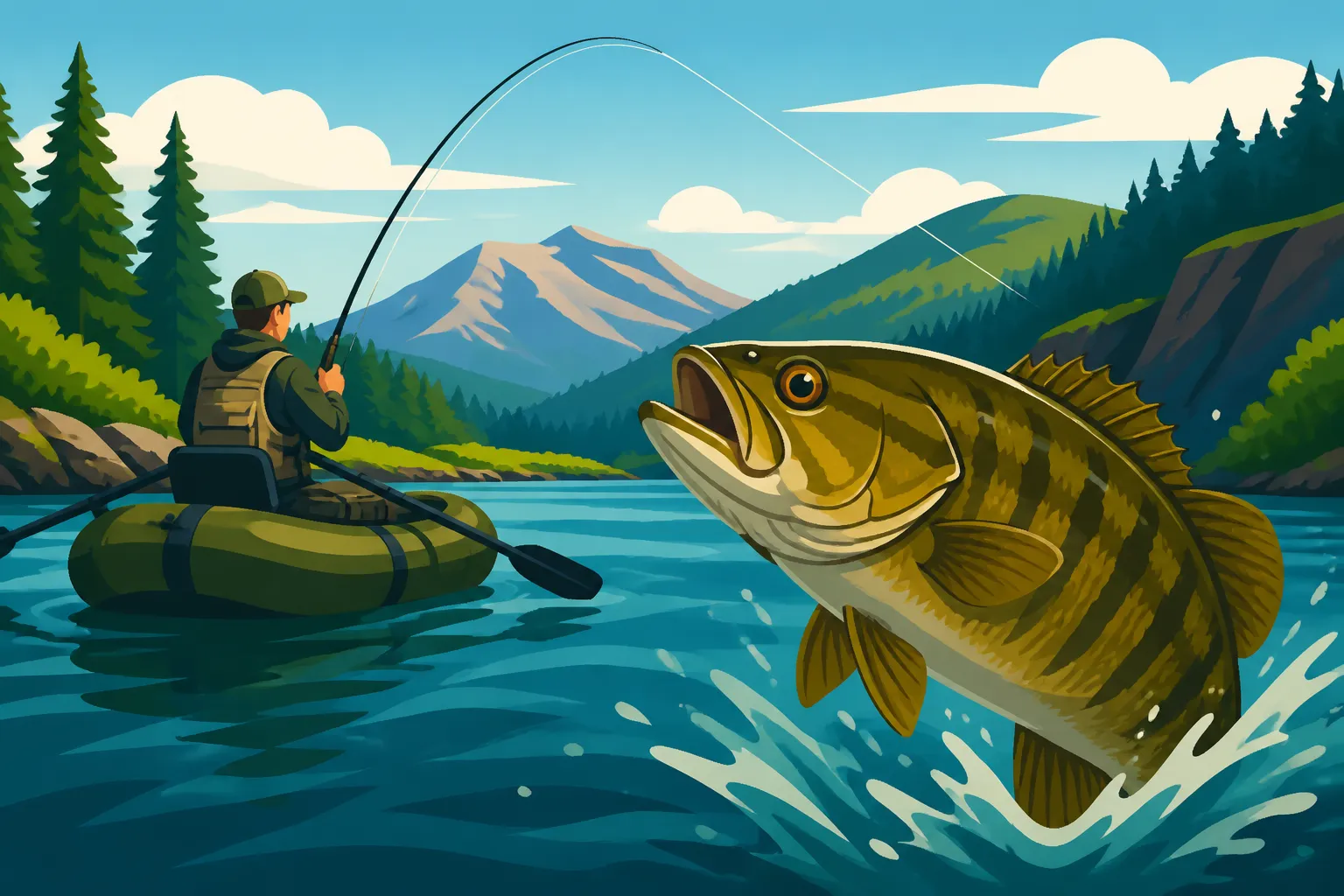
Oregon might be famous for its salmon and steelhead, and for good reason, but it also holds a fantastic secret: incredible smallmouth bass fishing, especially when you hit the rivers from a boat or raft. There’s something truly special about drifting silently downstream, casting to eddies and logjams, and feeling that distinctive thump of a smallmouth hitting your lure. It's a different kind of angling, one that combines the joy of river exploration with the thrill of chasing aggressive, hard-fighting fish.
The Allure of River Floating for Bass Anglers
Floating a river isn't just a means to an end; it's an experience in itself. Imagine packing your cooler, grabbing your rod, and setting off on a journey where the currents do most of the work, carrying you through stunning landscapes only accessible by water. For smallmouth bass anglers, this means you can systematically cover prime habitat that bank anglers simply can't reach. You’re able to present your lures to those untouched pockets behind boulders, under overhanging branches, or in the seams of fast-moving water, where the biggest and wariest bass often lurk. It’s also incredibly peaceful, offering a chance to disconnect from the hustle and bustle and truly immerse yourself in nature. Plus, a good float allows you to easily switch up tactics as conditions change, whether that's targeting shady banks in the heat of the day or deeper pools when the bite slows.
Understanding Oregon's Smallmouth Habitats
Oregon's smallmouth bass thrive in warmer, rocky rivers and larger tributaries, quite different from the cold, clear waters favored by trout and steelhead. They love structure – think submerged logs, rock piles, ledges, and current breaks – where they can ambush prey and hide. These rivers typically have a good mix of riffles, runs, and deeper pools, creating diverse habitats that appeal to smallmouth at various stages of their life cycle. Understanding these preferences is key to a successful float trip; you're not just casting randomly, you're looking for those tell-tale signs of bass holding areas as you drift by. Rivers with abundant crayfish and baitfish populations are naturally going to be hot spots, providing the forage needed to grow those chunky, bronze-backed fighters we all love to catch.
The Undisputed King: Floating the John Day River for Smallmouth Bass
When it comes to smallmouth bass float trips in Oregon, there's one river that consistently stands head and shoulders above the rest: the John Day River. This iconic waterway, particularly its lower and middle sections, is renowned for its abundant smallmouth populations, dramatic canyon scenery, and multi-day floating opportunities. It's a bucket-list destination for many dedicated bass anglers, offering both quantity and quality of fish, often in a wild, remote setting.
Prime Sections and Optimal Float Durations
The John Day River offers various float options, from shorter day trips to multi-day expeditions, each with its own character. For smallmouth, many anglers focus on the sections below Service Creek. A popular float is the stretch from Service Creek to Picture Gorge, which can be done as a long day trip or a leisurely overnight. This area offers a good mix of riffles and slower pools, with plenty of rocky structure to target. Another fantastic option, often reserved for multi-day trips due to its length and remoteness, is the section from Clarno to Cottonwood Bridge. This float, typically 2-4 days, plunges you deep into the John Day River canyon, offering unparalleled solitude and exceptional fishing. It's truly a wilderness experience, and a great way to understand why this river is a John Day River Fishing Guide favorite.
No matter which section you choose, planning your put-in and take-out points is critical. Access can sometimes be a challenge due to private land, so checking with the Bureau of Land Management (BLM) or local guides is always a good idea. Consider how many miles you want to cover each day and what kind of pace you prefer. A faster pace might mean more water covered, but a slower drift allows for more thorough fishing of promising spots.
| John Day River Float Section | Typical Duration | Focus Fish | Key Features & Access |
|---|---|---|---|
| Service Creek to Picture Gorge | 1-2 Days | Smallmouth | Scenic, moderate pace, good structure. Service Creek provides popular launch point; Picture Gorge is common takeout. |
| Clarno to Cottonwood Bridge | 2-4 Days | Smallmouth | Wilderness experience, deep canyon, remote. Clarno boat launch, Cottonwood Bridge take-out. |
| Cottonwood to Tumwater Falls | 1-2 Days | Smallmouth | Fewer rapids, good for less experienced boaters, plentiful bass. |
Essential Gear and Tactics for John Day Smallmouth
When floating the John Day for smallmouth, your gear choices are important. You’ll want a good medium-light to medium-heavy spinning or baitcasting rod, around 6'6" to 7' in length, paired with a reliable reel spooled with 8-12 lb fluorocarbon or braided line with a fluorocarbon leader. Smallmouth are suckers for a variety of lures. Think about packing plenty of soft plastics – tubes, grubs, and creature baits in natural colors like green pumpkin or brown are absolute killers. Jigs in similar colors, especially those with rattles, are also very effective when bounced along the bottom. Topwater baits like poppers and walk-the-dog lures can provide explosive strikes in the mornings and evenings, adding a whole new level of excitement to your trip.
One tactic that consistently produces on the John Day is casting towards structure. As you drift, keep an eye out for submerged rocks, logjams, eddies, and undercut banks. Cast your lure a few feet upstream of these spots and let it drift naturally into the strike zone. If you’re using soft plastics or jigs, work them slowly, maintaining contact with the bottom. Don't be afraid to experiment with retrieve speeds and presentations until you find what the fish are responding to. Remember, these are wild river fish, and they can be opportunistic feeders. Sometimes a subtle presentation works best, other times an aggressive jerk will trigger a strike. For more general advice, check out How to Fish for Smallmouth Bass in Oregon.
Planning Your John Day Float Trip Logistics
Planning a John Day float trip, especially a multi-day one, requires a bit more effort than a typical day at a local lake. First, consider your watercraft. A raft, drift boat, or sturdy inflatable kayak are ideal for navigating the river’s currents and occasional mild rapids, while also providing enough space for gear. You'll need to arrange shuttles for your vehicle, which can be done through local outfitters or by coordinating with friends. If you're new to river floating or simply want to maximize your chances of success, hiring an experienced local guide is an excellent option. Services found through platforms like FishingBooker can connect you with guides intimately familiar with the John Day River, who can provide all the necessary equipment, expertise, and shuttle services, making your trip seamless and productive.
When planning, always check current river conditions, including flow rates and water temperatures, as these can significantly impact fishing and safety. The best time for smallmouth bass on the John Day is typically from late spring through early fall, with July and August often being prime. However, specific Oregon Fishing Season Dates and Limits might apply, so always consult the latest regulations. Remember to pack essentials like plenty of water, sunscreen, bug spray, a first-aid kit, and all your camping gear if you're doing an overnight float. Be prepared for varied weather conditions – canyon temperatures can fluctuate wildly between day and night.
Other Fantastic Oregon Rivers for Smallmouth Float Opportunities
While the John Day River often steals the spotlight, Oregon boasts several other excellent rivers where smallmouth bass thrive, offering diverse float trip experiences. These can be great alternatives if the John Day is too far, too busy, or if you simply want to explore different waters. Each river has its own unique character, offering different challenges and rewards for the float angler.
The Umpqua River: A Southern Oregon Gem
Down in Southern Oregon, the Umpqua River system is another phenomenal destination for smallmouth bass, particularly its North and South Umpqua forks and the mainstem. The Umpqua is often overshadowed by its salmon and steelhead runs, but its smallmouth fishery is incredibly robust and offers fantastic float opportunities. The river's character changes as you move downstream, from more intimate, faster-moving sections in the upper reaches to wider, slower pools in the lower mainstem. This diverse environment means you can find good bass fishing in various conditions, and it’s a wonderful place to explore. For more on this river, check out our Umpqua River Fishing Guide.
Floating sections of the Umpqua can range from half-day floats to full-day adventures. Common tactics here are similar to the John Day: targeting rocky banks, current seams, and submerged timber with jigs, tubes, and spinnerbaits. The Umpqua is also known for producing some truly large smallmouth, making it a tempting destination for anglers seeking a trophy. Access points are generally good, with numerous public boat ramps and drift boat launches available. When planning your trip, be mindful of any specific Oregon Fishing Zones Explained or local regulations that might apply to different sections of the Umpqua, especially if you're combining bass fishing with other species.
Lower Columbia River Tributaries: Hidden Bass Havens
While the mainstem Columbia River near Portland can offer some good smallmouth fishing, particularly in its sloughs and calmer backwaters, some of its larger tributaries also provide excellent float trip potential for bass. Rivers like the Willamette and the Clackamas, while primarily known for salmon and steelhead, have stretches, particularly in their lower, warmer sections, where smallmouth bass can be found in good numbers. These areas often receive less angling pressure for bass compared to the more popular salmon runs, making them appealing for those seeking a less crowded experience.
For instance, the lower Willamette River, especially below Portland, has numerous channels and islands that create ideal smallmouth habitat. A float here can offer urban angling opportunities with surprisingly good results. The Clackamas River also has sections that warm up enough to hold smallmouth, especially in late summer. These areas might require a bit more local knowledge to pinpoint the best float sections and access points, but the reward can be excellent fishing close to major population centers. Utilizing resources like FishingBooker can help you find local guides who specialize in these lesser-known bass floats, unlocking fantastic opportunities right on your doorstep. For those interested in combining multiple species, understanding the Oregon Fishing Regulations Explained for these complex river systems is absolutely essential.
Essential Tips for a Successful Oregon Smallmouth Bass Float Trip
A successful float trip for smallmouth bass in Oregon isn't just about finding the right river; it's also about meticulous planning, understanding the rules, and prioritizing safety. These tips will help ensure your trip is not only productive but also enjoyable and hassle-free.
Navigating Regulations and River Etiquette
Before you even launch your boat, make sure you're squared away with all the necessary licenses and regulations. Every angler 12 years and older needs an Oregon Fishing License Guide, and it's your responsibility to know the specific Oregon Daily Bag Limits Explained for smallmouth bass on the river you're fishing. While smallmouth are often abundant and sometimes even encouraged for harvest in certain Oregon waterways due to their non-native status, limits can still vary. Always carry a copy of the current Oregon Sport Fishing Regulations, either physical or digital, and consult it frequently.
Beyond legal requirements, practicing good river etiquette is crucial. Be respectful of private property; know where public access points end and private lands begin. Give other anglers plenty of space, whether they're floating or bank fishing. Pack out everything you pack in, and leave no trace. If you're camping on a multi-day trip, utilize existing campsites and fire rings where permitted, and always check for fire restrictions, especially during dry summer months. These simple courtesies help preserve the experience for everyone and protect Oregon's beautiful rivers.
Choosing the Right Watercraft and Safety Gear
The type of watercraft you choose will depend on the river section you plan to float and your personal comfort level. For gentle floats on slower sections, a sturdy inflatable kayak or even a canoe can suffice. For rivers with more riffles or Class I/II rapids, a drift boat or a larger whitewater raft offers more stability and capacity for gear. Always inspect your boat before launching, ensure it's properly inflated (if applicable), and check for any leaks. Consider the current conditions: high water might require a more robust boat and experienced oarsman.
Safety should always be your top priority. Everyone on board, regardless of swimming ability, should wear a properly fitted personal flotation device (PFD) at all times. Pack a throw bag, a first-aid kit, a whistle, and a waterproof bag for your phone or other communication devices. Let someone know your float plan, including your put-in and take-out locations and estimated duration. On multi-day trips, be prepared for emergencies by carrying extra food, water, and clothing. A comprehensive Oregon Fishing Charter Guide can also provide insights into standard safety practices on guided trips.
When to Go: Seasonal Strategies for Trophy Bass
The best time for smallmouth bass float trips in Oregon generally aligns with warmer water temperatures, typically from late spring through early fall.
- Late Spring (May-June): As water temperatures rise into the 50s and 60s Fahrenheit, smallmouth become very active. This is often an excellent time for aggressive bites as fish move into shallower spawning areas. Fish might be caught on a variety of lures, from jigs to crankbaits.
- Summer (July-August): This is prime time for most smallmouth float trips. The fish are often very aggressive, and topwater action can be explosive, especially during low light conditions in the mornings and evenings. During the heat of the day, focus on deeper pools, shady banks, and structure.
- Early Fall (September-October): As temperatures begin to drop, smallmouth will often put on a feeding frenzy in preparation for winter. This can be another fantastic time, often with fewer crowds. Deeper presentations and slower retrieves often become more effective as the water cools.
Always keep an eye on weather forecasts and river levels. Heavy rains can muddy rivers and make fishing challenging, while prolonged heatwaves can make fish lethargic. Adjusting your tactics and timing to these conditions will significantly increase your chances of a memorable and productive float trip. And don't forget to pack plenty of appropriate snacks and drinks to stay hydrated throughout your adventure!
Disclaimer
Please note that fishing regulations, conditions, and access points can change. Always check the latest Oregon Department of Fish and Wildlife (ODFW) regulations and local advisories before planning and embarking on any fishing trip. Be aware of private property boundaries and respect local landowners. Practice responsible angling, including catch and release when appropriate, to help preserve Oregon's fisheries for future generations.