Where to catch cutthroat trout on the Rogue River
Navigating a river like the Rogue in search of a specific fish can feel like searching for a needle in a haystack, especially when you're dreaming of those vibrant, aggressive cutthroat trout. It’s easy to feel overwhelmed by the sheer length and diversity of the river, wondering where to even begin. This guide is here to cut through that confusion, focusing specifically on the prime locations and tactics for finding those elusive cutties in Oregon's legendary Rogue River.
Understanding Rogue River Cutthroat Trout
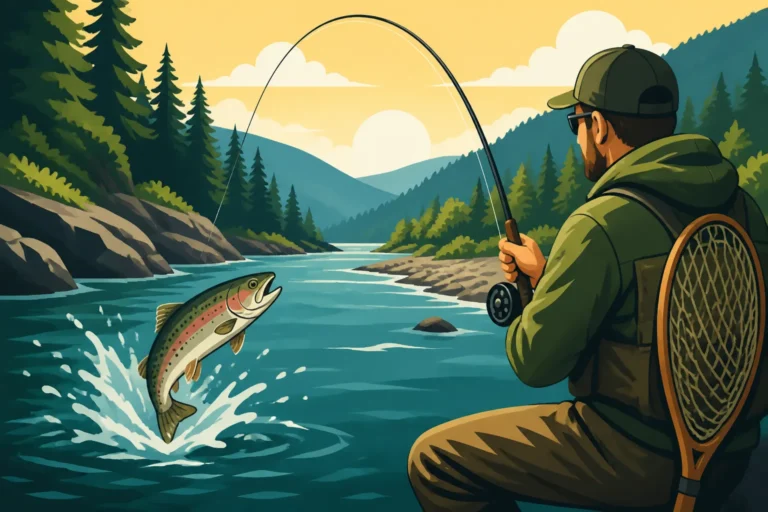
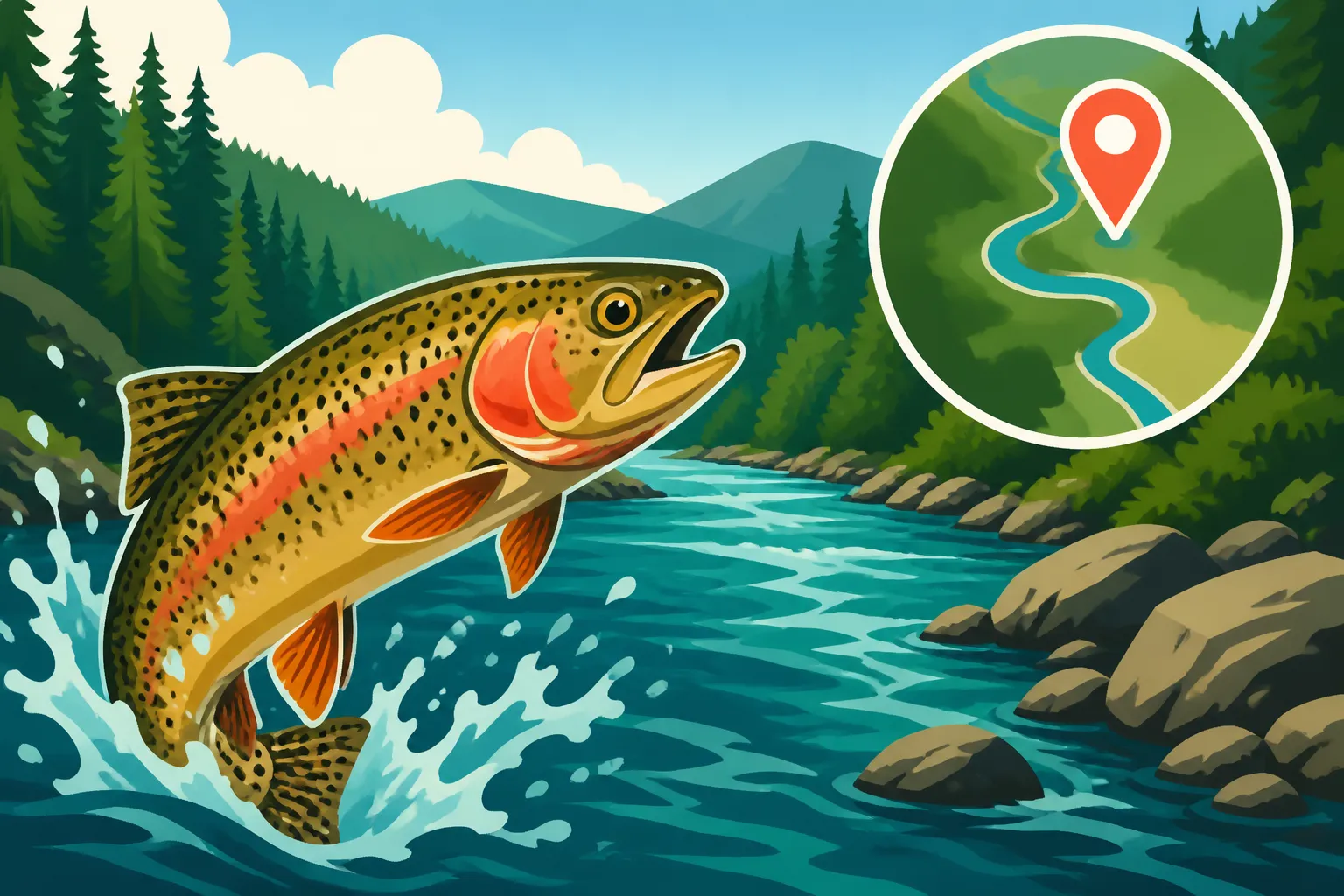
The Rogue River is an iconic waterway, famous for its salmon and steelhead, but it also holds a fantastic population of cutthroat trout, a species that often gets overshadowed but offers incredibly rewarding angling. These aren't just any trout; they are a true Oregon gem, known for their distinctive orange or red slash marks under their jaw that give them their name. They thrive in the diverse environments of the Rogue, from its cold, clear headwaters to the tidally influenced lower sections.
The Allure of Rogue River Cutties
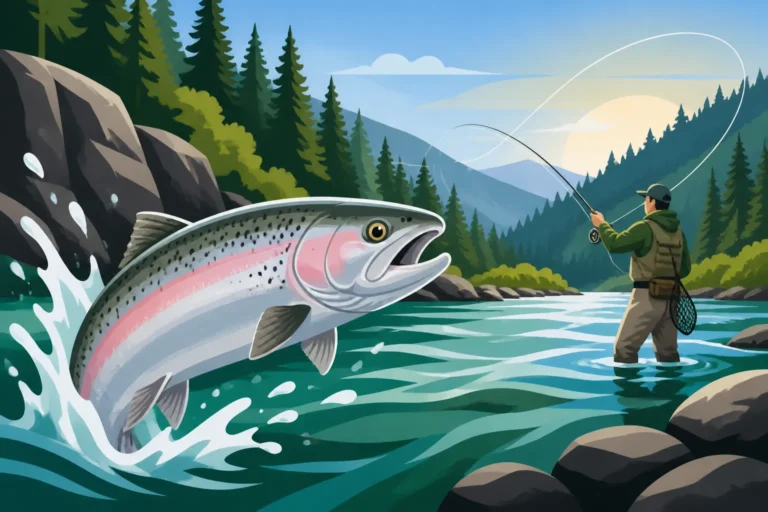
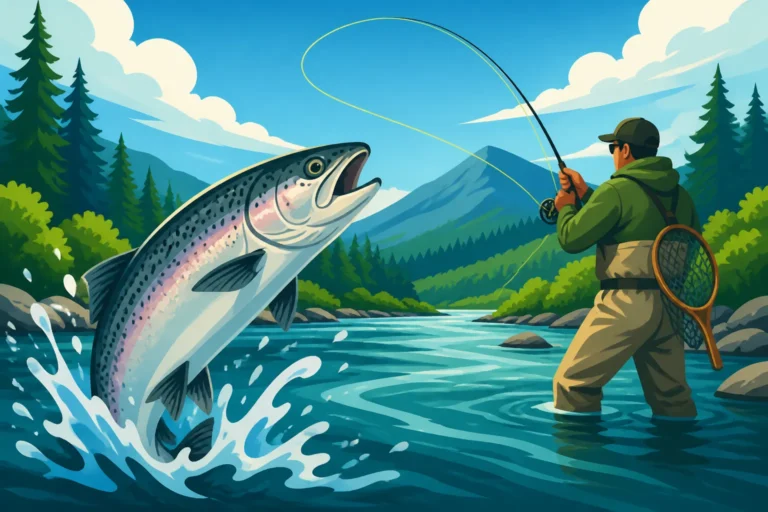
There’s something uniquely appealing about catching a Rogue River cutthroat. They might not grow to the gargantuan sizes of some salmon, but what they lack in sheer bulk, they make up for in beauty and a feisty attitude. These fish are opportunists, often willing to strike at a well-presented fly or lure, making them a joy for anglers of all skill levels. For many, the true appeal lies in their stunning appearance, with colors that range from olive green and bronze to vibrant gold, often speckled with black spots. Hooking into one of these beauties in the wild, pristine setting of the Rogue River is an experience that stays with you, a testament to the health and vitality of this incredible ecosystem. Their willingness to chase a fly or lure with aggressive takes provides an exciting challenge, and the fight, though not always prolonged, is always spirited.
Habitat and Preferences
Cutthroat trout are incredibly adaptable, but they certainly have their favorite hangouts along the Rogue. They prefer cooler, well-oxygenated water, often found near structure where they can hide from predators and ambush unsuspecting prey. Think about areas with submerged logs, undercut banks, large boulders, or overhanging vegetation. These spots provide both cover and a reliable food source. You'll often find them in slower seams adjacent to faster currents, allowing them to conserve energy while waiting for insects or baitfish to drift by. Riffles that transition into deeper pools are also prime cutthroat territory, as are the tailouts of pools where food concentrates before dropping into the next fast section. The Rogue’s numerous tributaries and feeder creeks, especially where they join the main stem, also act as thermal refuges and food delivery systems, making them hotspots for cutthroat.
Key Zones for Cutthroat Trout on the Rogue River
The Rogue River is a long and varied system, stretching over 200 miles from the High Cascades to the Pacific Ocean. Each section offers different opportunities and challenges for the cutthroat angler. Understanding these zones is crucial to planning a successful trip.
Upper Rogue: Fly Fishing Paradise
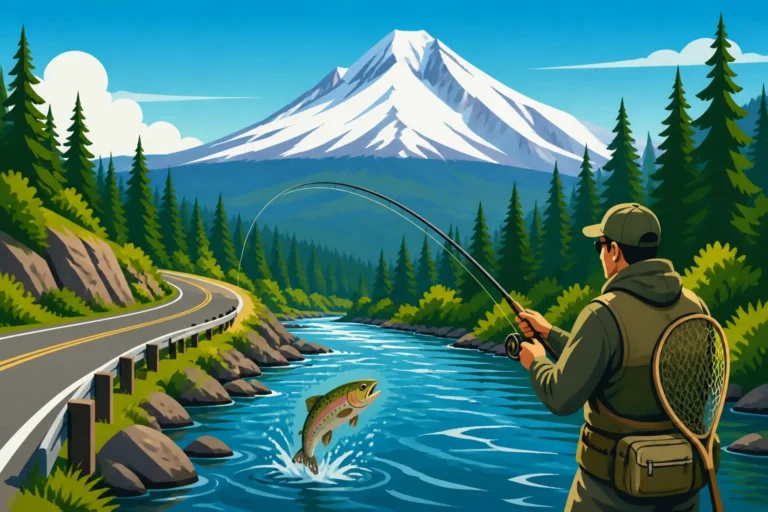
The Upper Rogue River, generally considered the stretch from its headwaters near Crater Lake down to the Grants Pass area, is arguably the most revered section for trout, including some spectacular cutthroat fishing. This area is characterized by clearer, colder water, ample insect life, and a more intimate, classic trout stream feel. Locations like the stretch around Shady Cove, the waters near Lost Creek Lake, and the wild and scenic section above Graves Creek offer incredible opportunities. This is a haven for fly anglers, with numerous accessible bank fishing spots and ideal conditions for wading.
During the warmer months, especially from late spring through fall, the cutthroat here are actively feeding on aquatic insects. You’ll find them in riffles, runs, and the heads of pools. The clarity of the water here often demands a stealthy approach and precise presentations. Many anglers find success by focusing on structure or the shady sides of the river, especially during midday. For those looking to fully immerse themselves in the pristine environment and test their fly-fishing skills against wild trout, the Upper Rogue is the place to be. Make sure you check the specific regulations for this wild and scenic portion, as some areas might have special gear restrictions like "fly fishing only" or "artificial lures and flies only."
Middle Rogue: Mixed Bag Opportunities
As the Rogue flows downstream, especially through the Grants Pass and Galice areas, it transitions into what's often referred to as the Middle Rogue. Here, the river broadens, and the character changes a bit, becoming more accessible to various fishing methods beyond just fly fishing. While salmon and steelhead are often the primary targets in this section, healthy populations of cutthroat trout persist, especially in the cooler side channels, tributary mouths, and deeper, oxygenated pools.
This section can offer a fantastic "mixed bag" experience. You might be targeting steelhead with plugs or bait and still pick up a nice cutthroat. The cutthroat here tend to be a bit larger on average than those in the extreme upper reaches, having access to a wider variety of food sources, including baitfish. Look for cutthroat in the same types of holding water – current seams, behind structure, and where cooler water enters the main river. Access can be a mix of public boat launches and some bank access points, often shared with kayakers and rafters during the summer. For those who prefer a bit more variety in their angling, or who might be combining a trout trip with a shot at other species, the Middle Rogue presents a compelling option.
Lower Rogue: Estuary and Tidal Influence
The Lower Rogue River, from Agness down to the Pacific Ocean at Gold Beach, presents a completely different scenario for cutthroat trout. This section is heavily influenced by tides and the ocean, and it's here that you'll find anadromous, or "sea-run," cutthroat. These fish spend part of their lives in the saltwater of the Pacific, growing larger and stronger before returning to the freshwater to spawn.
Sea-run cutthroat are often bigger and more robust than their resident counterparts upstream. They enter the river system from late summer through fall, following the salmon and steelhead runs, and are often encountered in the tidewater sections, bays, and lower stretches of the main river and its tributaries. Fishing for these sea-run cutthroat can be phenomenal, particularly in the estuaries around Gold Beach, where they mingle with salmon and other coastal species. Look for them in sloughs, tidal channels, and around structure in brackish water. Light tackle with small spinners, spoons, or even bait like sand shrimp can be incredibly effective. This unique environment offers a distinctly different cutthroat fishing experience, blending river angling with coastal influences, and can be incredibly rewarding for those seeking a larger, stronger fighting cutthroat.
Effective Techniques and Tactics for Rogue Cutthroat
Catching cutthroat trout on the Rogue River, like any successful fishing endeavor, often comes down to matching your technique to the specific conditions and the fish's behavior. Whether you're a seasoned fly angler or prefer the simplicity of spin fishing, there are effective strategies to help you land these beautiful trout.
Fly Fishing for Wary Cutties
Fly fishing on the Rogue, especially in the clear waters of the Upper Rogue, is a sublime experience. Cutthroat trout here can be surprisingly selective, so presentation and fly choice are key.
- Nymphing: This is often the most consistent method, especially during cooler parts of the day or when fish aren't rising. Focus on drifting nymphs that imitate common Rogue River insects like stoneflies (e.g., Prince Nymph, Pat's Rubber Legs), caddis larvae (e.g., Caddis Larva, Hare's Ear), and mayfly nymphs (e.g., Pheasant Tail, Copper John). Use a strike indicator and enough weight to get your flies down to the fish's feeding lane, often near the bottom in riffles and runs. A long, light leader is essential to avoid spooking the fish.
- Dry Fly Fishing: When hatches occur, or during warmer parts of the day when cutthroat are looking up, dry fly fishing can be incredibly exciting. Look for rises and try to match the size and profile of the natural insects. Common hatches include various caddisflies, mayflies, and stoneflies. Terrestrial patterns like hoppers, ants, and beetles can also be very effective, especially in late summer and early fall when they might fall from overhanging vegetation.
- Streamer Fishing: Don't underestimate the predatory nature of cutthroat, especially larger ones and sea-runs. Small to medium-sized streamer patterns (e.g., Woolly Buggers, Sculpzillas, or small Clouser Minnows) can entice aggressive strikes, particularly when stripped through deeper pools or swung through current seams. This technique can be especially effective for targeting those larger, more aggressive fish in the Middle and Lower Rogue sections. For more in-depth knowledge, check out our guide on How to Fly Fish in Oregon.
Spin Fishing for Accessibility
Spin fishing offers a highly effective and often more accessible way to target Rogue River cutthroat, particularly for those new to trout fishing or when conditions aren't ideal for fly fishing.
- Lures: Small, in-line spinners (like Mepps Aglias or Blue Fox Vibrax in sizes #1 or #2) or small spoons (like Dick Nite spoons or Kastmasters) are consistently productive. Opt for natural colors like silver, gold, or copper, especially in clear water. Chartreuse or orange can also be effective in off-color conditions. Cast upstream and retrieve at a speed that allows the lure to wobble and flash naturally, or cast across and slightly downstream, letting the current work the lure as you retrieve. Our Oregon Bait and Lure Guide offers more details on effective presentations.
- Bait Fishing: Where bait is legal (always check current Oregon Fishing Regulations Explained), natural baits can be irresistible to cutthroat. Worms, salmon eggs, or even small pieces of cured shrimp can be deadly. Fish these under a small bobber or drift them naturally along the bottom with minimal weight. The key is a subtle presentation that allows the bait to tumble enticingly in the current, mimicking a natural food item. Remember to use light line and small hooks to enhance your presentation and avoid spooking fish.
- Tackle Selection: A light to ultra-light spinning rod (5-7 feet) paired with a small spinning reel spooled with 4-6 lb test monofilament or fluorocarbon line is ideal. This setup provides the sensitivity needed to detect subtle bites and the finesse for accurate casting.
Seasonal Considerations
Cutthroat trout fishing on the Rogue can be productive throughout much of the year, but understanding seasonal shifts will certainly improve your chances.
- Spring: As water temperatures begin to rise, cutthroat become more active, feeding on emerging insects. Nymphing is often very strong, and early hatches of caddis and mayflies can provide dry fly opportunities.
- Summer: This is prime time for many anglers. The Upper Rogue is fantastic for dry flies and terrestrials. In the Middle and Lower Rogue, focus on early mornings and late evenings during warmer spells, or target deeper, cooler holes during the heat of the day. Sea-run cutthroat begin to enter the lower river in late summer.
- Fall: Often considered one of the best times for cutthroat. As water temperatures cool, fish become very aggressive, feeding heavily before winter. Excellent dry fly and nymphing opportunities in the upper river, and the sea-run cutthroat run in the lower river is in full swing. Streamer fishing can be particularly productive as fish feed on baitfish.
- Winter: Fishing can be tougher but still possible. Look for warmer, slower water and deeper pools. Nymphing with larger patterns can sometimes entice sluggish fish. Always consult the Oregon Fishing Season Dates and Limits to ensure your target species and chosen locations are open.
Essential Gear and River Etiquette
Embarking on a cutthroat fishing trip on the Rogue River requires more than just knowing where the fish are; it demands proper equipment and a respectful approach to the environment. Being prepared ensures a more enjoyable and successful outing.
Rods, Reels, and Lines
For Rogue River cutthroat, precision and finesse are often more important than brute strength.
- Fly Fishing Setup: For the Upper Rogue, a 3-weight to 5-weight fly rod, 7.5 to 9 feet in length, is generally ideal. This allows for delicate presentations of small dry flies and nymphs, while still having enough backbone to handle a decent-sized cutthroat. Pair this with a matching fly reel and a floating weight-forward fly line. Your leader should be tapered, often 9 to 12 feet long, with a tippet section of 4x to 6x (around 3-5 lb test) for clear water and wary fish.
- Spin Fishing Setup: A light to ultra-light spinning rod, around 6 to 7 feet long, is perfect. This gives you sensitivity for detecting subtle bites and enough flex for an enjoyable fight. Couple this with a small spinning reel spooled with 4 to 6 lb test monofilament or fluorocarbon line. Fluorocarbon is less visible in clear water and has less stretch, offering better feel.
No matter your chosen method, having a small landing net with a rubber mesh is highly recommended. It protects the fish's slime coat and fins, especially if you plan on practicing Oregon Catch-and-Release Rules.
Wading and Access
The Rogue River offers numerous access points, but safe wading and respectful use are paramount.
- Wading Safety: Waders (chest waders are often preferred) and wading boots with felt or rubber soles (and often studs for better grip) are essential for comfort and safety in the cold, sometimes slick, river. Always use a wading belt to prevent your waders from filling with water in case of a slip. A wading staff can provide crucial stability, especially when navigating uneven bottoms or stronger currents. Always be aware of the current and water depth. Never wade alone in unfamiliar or swift water.
- Public Access: The Rogue River has many public access points, particularly in the Upper Rogue, through state parks, BLM lands, and Forest Service areas. In the middle and lower sections, access might be more limited to boat launches and specific bank access areas. Respect private property and always look for designated parking and access points. Online resources and local tackle shops, or even a guide booked through a service like FishingBooker, can offer current information on the best public access spots. Many Rogue River Fishing Guide resources also detail good access points.
Conservation and Regulations
As responsible anglers, we have a duty to protect the incredible resources the Rogue River provides.
- Regulations: Always carry your current Oregon Fishing License Guide and be intimately familiar with the specific regulations for the stretch of the Rogue River you are fishing. Regulations can vary significantly by zone, time of year, and even by specific species. This includes bag limits, size restrictions, gear restrictions (like barbless hooks or artificial lures only), and seasonal closures. The Oregon Department of Fish and Wildlife (ODFW) website is the definitive source for this information.
- Catch and Release: Many anglers choose to practice catch and release for cutthroat trout, particularly for wild fish. If releasing fish, do so quickly and gently. Minimize handling, keep the fish in the water as much as possible, and revive it thoroughly before letting it go. Using barbless hooks (or crimping down barbs on barbed hooks) makes for easier and less damaging releases.
- Leave No Trace: Pack out everything you pack in. Dispose of trash properly, avoid disturbing wildlife, and leave the riverbank as pristine as you found it – or even better. Our collective efforts in conservation ensure that future generations can also enjoy the unparalleled experience of fishing for cutthroat trout on the Rogue River.
Rogue River Cutthroat Fishing Overview
To help you visualize the different opportunities along the Rogue, here’s a quick summary of what to expect in each section for cutthroat trout:
| Rogue River Section | Primary Cutthroat Type | Best Techniques | Key Characteristics | General Timing |
|---|---|---|---|---|
| Upper Rogue | Resident (Wild) | Fly fishing (Nymphs, Dry Flies, Small Streamers) | Clear, cold water; classic trout stream; good wading access | Spring-Fall (Peak Summer/Fall) |
| Middle Rogue | Resident, some migratory | Spin fishing (Small Spinners/Spoons), Fly fishing (Nymphs, Streamers, Terrestrials), Bait | Broader, mixed fishery; good access by boat/bank; shared with other species | Spring-Fall |
| Lower Rogue | Sea-run (Anadromous) | Spin fishing (Small Spinners/Spoons, Bait), Fly fishing (Streamers) | Tidal influence, estuary environment; larger, stronger fish | Late Summer-Fall |
Remember, this table provides a general overview. Always consult current ODFW regulations for specific details, as Oregon Fishing Zones Explained can have unique rules. You can also find great resources and even local guides through platforms like FishingBooker to get real-time advice on what’s biting and where.
The Rogue River is an extraordinary place, offering truly diverse and rewarding experiences for cutthroat trout anglers. Whether you prefer the solitude of the upper reaches, the varied opportunities of the middle river, or the unique challenge of sea-runs in the lower estuary, there’s a piece of the Rogue waiting for you. By understanding the river’s different sections, employing the right techniques, and always practicing responsible angling, you'll be well on your way to a memorable encounter with Oregon’s beautiful cutthroat trout. Tight lines!
Disclaimer
Fishing conditions and regulations in Oregon can change rapidly due to environmental factors, fish populations, and management decisions by the Oregon Department of Fish and Wildlife. Always consult the most current ODFW regulations and advisories before planning your trip. This guide is for informational purposes only and should not be considered a substitute for official sources.