Is an Oregon fishing license needed for spearfishing?
It can be incredibly confusing to navigate the ins and outs of fishing regulations, especially when you venture beyond a simple rod and reel. Many folks wonder if more specialized methods, like spearfishing, fall under the same umbrella of requiring an Oregon fishing license. It's a valid question, as the rules can feel like a labyrinth at times. This guide is here to untangle that complexity, clearly explaining when and why an Oregon fishing license is indeed necessary for spearfishing, along with other critical considerations to keep you legal and safe on the water.
Understanding Oregon's General Fishing License Requirements
Let's start with the basics before diving into the nuances of spearfishing. In Oregon, the general rule of thumb is that if you're attempting to "take" any fish, shellfish, or marine invertebrate, you need a license. This isn't just a bureaucratic hurdle; it's a fundamental part of how the state manages its precious natural resources, ensuring sustainable populations for everyone, now and in the future.
The Foundation: Why a License is Usually Necessary
The Oregon Department of Fish and Wildlife (ODFW) is the agency tasked with overseeing all recreational and commercial harvest activities in the state. Their mission is to protect and enhance Oregon's fish and wildlife populations and their habitats. The revenue generated from the sale of fishing licenses is absolutely vital to funding these conservation efforts, from fish stocking programs in local ponds to habitat restoration in major river systems. When you purchase an Oregon Fishing License Guide, you're not just buying a piece of paper; you're directly contributing to the health of Oregon's fisheries.
This means that whether you're dangling a worm from a dock, casting a fly into a pristine river, or indeed, donning a wetsuit and aiming a spear underwater, if your intent is to harvest something, a license is almost certainly required. The ODFW considers "taking" to include fishing, angling, hunting, trapping, or any other act that results in the possession of fish, shellfish, or marine invertebrates. Spearfishing falls squarely into this definition because you are actively pursuing and possessing aquatic life. Ignoring this fundamental requirement can lead to significant fines and penalties, which nobody wants when they're out enjoying nature.
Age and Residency Factors
The need for a fishing license in Oregon isn't a one-size-fits-all situation; it depends significantly on your age and whether you're an Oregon resident or just visiting. These factors determine the type of license you'll need and, consequently, its cost.
For our younger anglers, the rules are fairly generous. Typically, children under the age of 12 do not need a fishing license in Oregon. This is a fantastic way to introduce kids to the joys of fishing without an extra financial burden, encouraging the next generation of conservationists. However, once they hit that 12th birthday, they'll need their own license. For detailed information on specific age requirements, you can check out resources like Oregon Fishing Rules for Kids and Seniors.
Residency also plays a crucial role. If you've called Oregon home for at least six consecutive months, you're eligible for a resident license, which is significantly more affordable than a non-resident option. Visitors to our beautiful state will need to purchase an Oregon Nonresident Fishing License Cost. There are various Oregon Fishing License Types Explained available, ranging from annual licenses to short-term options like a 1-day or multi-day license, which can be perfect for a quick vacation trip. It’s always best to figure out which license type suits your specific needs before you head out, and don't forget to grab any necessary endorsements as well.
Spearfishing Specifics: Does it Count as "Angling" or "Harvesting"?
This is where the rubber meets the road for spearfishing enthusiasts. The short answer is a resounding yes, an Oregon fishing license is absolutely needed for spearfishing. The ODFW's definitions are broad enough to encompass this method of taking fish.
Defining "Angling" vs. "Harvesting" in Oregon Law
In Oregon, "angling" is often defined as taking fish with a hook and line. However, the broader term "taking" is what truly matters here. ODFW defines "take" as "to harass, hunt, pursue, shoot, kill, capture, trap, collect, catch, possess or injure fish or wildlife." When you engage in spearfishing, you are unequivocally pursuing, capturing, and possessing fish. Therefore, regardless of whether you consider a spear an "angling device," it is most certainly a method of "taking" fish, and thus falls under the general licensing requirements.
This distinction is important because some people might mistakenly believe that since they aren't using a traditional rod and reel, the rules don't apply. This is a common misunderstanding that can lead to unexpected fines. The spirit of the law is about the act of harvesting aquatic life from public waters, regardless of the specific tool used. Whether you're using a fishing pole, a crab pot, or a speargun, if you're removing fish or shellfish from their natural habitat, you're engaging in an activity that requires proper licensing and adherence to all regulations. This comprehensive approach helps ensure that all forms of harvest are monitored and managed for sustainability.
Spearfishing Under Current Oregon Regulations
To be perfectly clear, if you plan to spearfish in Oregon, you must possess a valid Oregon angling license. This is non-negotiable. Whether you're chasing rockfish in the ocean or aiming for carp in certain freshwater bodies, your base license is the first step. Think of it as your entry ticket to the aquatic playground. Without it, any fish you spear, no matter how delicious, could result in legal trouble.
Beyond the basic license, the location and the species you intend to spearfish for will dictate whether you need additional endorsements or tags. For example, if you're spearfishing in the ocean, you'll almost certainly need an Oregon Ocean Endorsement in addition to your angling license. This endorsement covers many marine species, but even then, specific species like halibut or certain types of salmon might require separate tags and adherence to very strict seasons and bag limits. It's crucial to understand these layers of regulations to avoid any missteps.
Navigating Spearfishing Regulations Beyond the License
Having your Oregon fishing license is a great start, but it's far from the only hurdle for spearfishers. Oregon's regulations are designed to protect various species and habitats, meaning there are often additional requirements and restrictions you need to be aware of.
Endorsements and Tags You Might Need
As mentioned, the standard angling license is just your starting point. Depending on where you plan to spearfish and what you're targeting, you'll likely need additional endorsements and possibly specific tags.
- Ocean Endorsement: If your spearfishing adventures take you into the Pacific Ocean, an Oregon Ocean Endorsement is mandatory. This is a critical addition for anyone planning to harvest marine species from coastal waters, including the vast majority of commonly spearfished species like rockfish and lingcod. Without it, even with a valid angling license, you'd be in violation.
- Combined Angling Tag: For anadromous species like salmon and steelhead, which spend part of their lives in both fresh and saltwater, you'll need a Oregon Combined Angling Tag Guide. It's important to note that spearfishing for salmon and steelhead is generally not permitted in freshwater, and even in marine waters, regulations are extremely complex and often restrict spearfishing for these species due to conservation concerns. Always, always check the current Oregon Fishing Regulations Explained booklet for specific rules.
- Species-Specific Tags: Certain prized species, like halibut or sturgeon, often require special tags in addition to your license and any necessary endorsements. Spearfishing for these species has its own set of very strict rules regarding seasons, size limits, and reporting requirements, if it's even allowed at all. For instance, sturgeon spearfishing is typically highly restricted or entirely prohibited due to their protected status and vulnerability.
It's not enough to simply buy these; you need to understand what each covers and when and where it applies. The ODFW regulations are updated annually, sometimes with in-season changes, so a yearly review is essential.
Species, Size, and Area Restrictions
This is perhaps the most complex part of spearfishing regulations in Oregon. You can't just spear any fish, any size, anywhere you want. There are strict rules in place to protect vulnerable populations and ensure responsible harvest.
- Prohibited Species: Many species are entirely off-limits for spearfishing, often due to conservation status, difficulty in identification underwater, or their role in the ecosystem. For instance, most protected game fish in freshwater, like native trout or salmon, are generally illegal to spear. In marine environments, certain groundfish species might also be prohibited. Always consult the official ODFW regulations to know what you can't spear.
- Size Limits: For species that are legal to spear, there are almost always minimum (and sometimes maximum) size limits. This is vital for allowing fish to mature and reproduce before being harvested. Carrying a measuring device is crucial, and you must be able to accurately identify your target fish and estimate its size underwater before taking a shot. Missing this can lead to violations, even if you thought you were targeting a legal fish. Oregon Daily Bag Limits Explained provides general information, but spearfishing can have even more specific rules.
- Daily Bag Limits: Just like with rod and reel fishing, there are limits to how many fish of a particular species you can keep in a single day. These limits are in place to prevent overharvest.
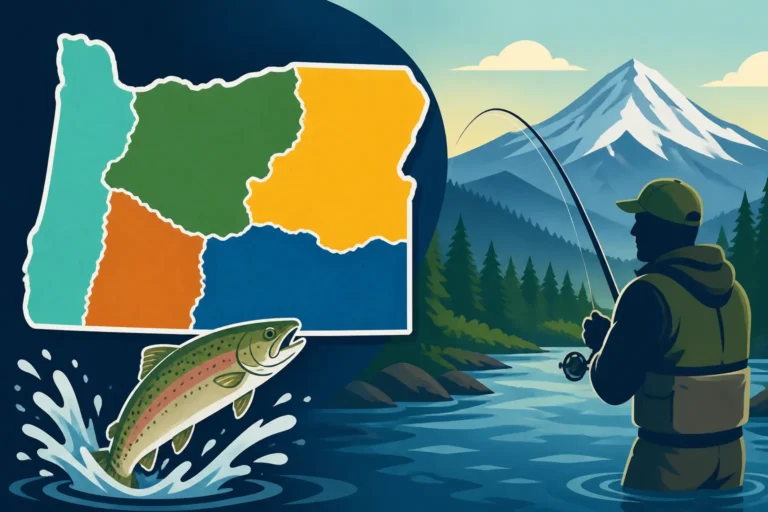
- Closed Areas: Oregon has numerous marine reserves and protected areas where all forms of fishing, including spearfishing, are strictly prohibited. Additionally, certain freshwater rivers, lakes, or specific sections within them might be closed to spearfishing or all fishing for part or all of the year, perhaps to protect spawning grounds or critical habitats. Always consult Oregon Fishing Zones Explained and specific regulations for your chosen location. Ignorance of these closed areas is not a valid defense.
Safety and Ethical Considerations for Spearfishing
Beyond the legalities, spearfishing carries inherent safety risks and ethical responsibilities that every participant must take seriously. These aren't just rules; they're principles for safe and respectful interaction with the marine environment.
- Visibility is Key: Poor visibility underwater can lead to dangerous situations, including accidental injury to yourself or others, or spearing a prohibited species. Always check conditions before entering the water.
- Dive Buddy System: Never spearfish alone. A dive buddy can provide assistance in case of entanglement, equipment failure, or an emergency. Communication and mutual awareness are paramount.
- Float and Dive Flag: Using a dive float with a visible flag (like the Alpha Flag) is not just a recommendation; it's often a legal requirement. This alerts boaters and other water users to your presence, significantly reducing the risk of collision.
- Responsible Shooting: Only take clear, ethical shots at fish you've positively identified as legal and within size limits. Avoid shooting at fish that are too small, in protected areas, or where you risk only injuring the fish. The goal is a clean, quick harvest.
- Respect the Environment: Avoid disturbing sensitive habitats, don't leave trash behind, and practice careful entry and exit from the water. Remember, you're a guest in their home.
By adhering to both the letter and spirit of the law, and prioritizing safety and ethics, spearfishers can enjoy a rewarding experience while contributing to the conservation of Oregon's incredible aquatic resources.
Where to Find Official Information and Gear
Staying informed and properly equipped are two pillars of a successful and legal spearfishing trip in Oregon. Don't rely on hearsay or outdated information; go straight to the source.
Official ODFW Resources
When it comes to Oregon fishing regulations, the Oregon Department of Fish and Wildlife (ODFW) is your ultimate authority. Their resources are comprehensive and, most importantly, current.
- ODFW Website: The ODFW website (myodfw.com) is a treasure trove of information. Here, you'll find detailed regulation summaries, specific zone information, updates on seasons and limits, and even the ability to purchase your license and endorsements online. This is the first place you should check for any questions about Oregon Fishing Season Dates and Limits or specific spearfishing rules.
- Annual Regulation Booklets: Pick up a physical copy of the annual Oregon Sport Fishing Regulations. These booklets are available at most license vendors, including sporting goods stores like Bi-Mart and Dick's Sporting Goods, or you can often find them at ODFW offices. Reading through this document cover-to-cover, particularly the sections pertaining to marine and freshwater angling and prohibited methods, is highly recommended.
- ODFW Offices and Customer Service: If you have specific, nuanced questions that aren't clearly answered online or in the booklet, don't hesitate to contact your local ODFW office. Their staff are usually knowledgeable and eager to help anglers understand the rules. You can find out Where to Buy an Oregon Fishing License there as well.
- Catch Record Cards: For certain species like salmon, steelhead, sturgeon, and halibut, you'll need a Oregon Catch Record Card Requirements. These are critical for ODFW to track harvest numbers and manage populations effectively. Even with spearfishing, if you're targeting a species that requires a catch record card, you must accurately fill it out.
Essential Spearfishing Gear
Once you have your license and understand the regulations, it's time to think about gear. Spearfishing requires a specific set of equipment to be effective, safe, and comfortable.
- Wetsuit: Oregon's waters, even in the summer, can be quite chilly. A good quality wetsuit (typically 5-7mm thick) is essential for warmth and protection against minor scrapes and stings. You can find a wide range of wetsuit options on Amazon, suitable for various water temperatures and body types.
- Mask, Snorkel, and Fins: These are your basic freediving tools. A low-volume mask provides a wide field of vision, a comfortable snorkel allows you to breathe on the surface, and freediving fins offer powerful propulsion with minimal effort. Look for reputable brands on Amazon that offer durable and comfortable options.
- Spear Gun or Pole Spear: The choice between a speargun and a pole spear depends on your preference and target species. Spearguns offer more power and range, while pole spears are simpler, often more challenging, and preferred in certain close-quarter situations. Both are effective in the right hands. Consider checking out user reviews for different models on Amazon before making a purchase.
- Dive Knife: This is a crucial safety item. A sharp, easily accessible dive knife can free you from entanglement (fishing line, kelp) or humanely dispatch a fish. Don't head out without one.
- Float and Dive Flag: As discussed earlier, a visible float with a dive flag is paramount for safety, alerting others to your presence in the water. These are usually bright orange or red and easily visible from a distance.
- Weight Belt: To counteract the buoyancy of your wetsuit, a weight belt with lead weights is necessary to help you descend efficiently. The amount of weight needed varies depending on your body composition and wetsuit thickness.
Equipping yourself properly is not just about catching fish; it's about making your spearfishing experience safe, comfortable, and legal. Invest in quality gear that will last and serve you well in Oregon's diverse aquatic environments.
| Requirement/Endorsement | Purpose | When Needed | Cost (Example, varies by residency/year) | Notes |
|---|---|---|---|---|
| Annual Angling License | Fundamental license for taking fish | Always, for anyone 12 years or older | ~$44 (Resident), ~$110 (Nonresident) | Required for any method of taking fish, including spearfishing. |
| Ocean Endorsement | Allows harvest of most marine species | Spearfishing in the Pacific Ocean | ~$10 (Resident/Nonresident) | Mandatory for saltwater spearfishing. |
| Combined Angling Tag | For harvest of salmon, steelhead, sturgeon, halibut | Spearfishing if targeting these species (highly restricted) | ~$28 (Resident/Nonresident) | Spearfishing for these is often prohibited or very complex. |
| Catch Record Card | To track harvest of specific species | If targeting species requiring a CRC (salmon, steelhead, etc.) | Included with license/tag, free | Must be filled out accurately and returned. |
| Knowledge of Regulations | Species, size, bag limits, closed areas | Always, for all target species and locations | Free (time investment) | Crucial to avoid violations and ensure conservation. |
Disclaimer
The information provided in this guide is intended for general informational purposes only and is not a substitute for the official regulations issued by the Oregon Department of Fish and Wildlife (ODFW). Fishing and spearfishing regulations can change frequently and vary by location, species, and season. Always consult the most current ODFW Sport Fishing Regulations booklet and the ODFW website (myodfw.com) before engaging in any fishing or spearfishing activity to ensure compliance with all applicable laws and rules. Failure to do so may result in fines or penalties.