Is it illegal to keep a wild salmon in Oregon?
It's a common, heartbreaking scenario: you're out on a beautiful Oregon river, perhaps the Deschutes or the lower Columbia, and you hook into a magnificent salmon. The fight is exhilarating, your heart is pounding, and as you bring it to the net, you wonder, "Can I keep this beauty?" This question, especially when it comes to wild salmon, is a massive point of confusion and anxiety for many anglers. The truth is, navigating Oregon's fishing regulations, particularly for iconic species like salmon, can feel like trying to untangle a knotted fishing line in the dark. This guide is here to shed light on those rules, specifically addressing the legality and critical considerations around keeping wild salmon in Oregon.
The Harsh Truth: Is Keeping Wild Salmon Illegal in Oregon?
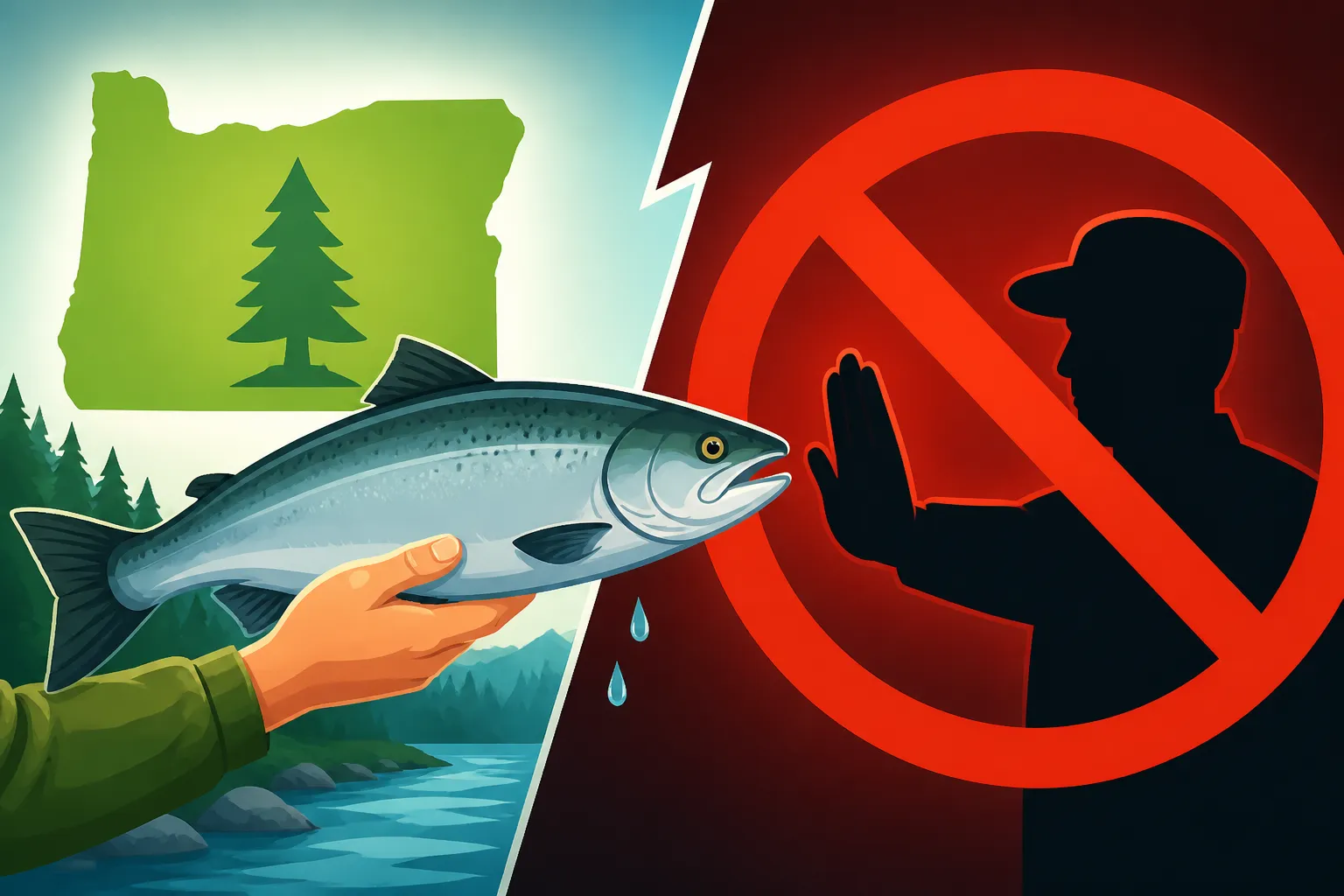
Let's cut right to the chase, because this is where many folks get tripped up and face serious penalties: generally speaking, yes, it is illegal to keep wild salmon in most Oregon fisheries. The state of Oregon, through its Department of Fish and Wildlife (ODFW), has implemented stringent regulations to protect wild salmon populations, which are often listed under the Endangered Species Act or face significant conservation concerns. This means that if you're fishing in waters where wild salmon are present, you are almost always required to release them unharmed.
The Overarching Rule: Catch-and-Release for Most Wild Salmon
The default stance in Oregon is firmly on the side of conservation for wild salmon. This isn't just a suggestion; it's a critical legal mandate designed to ensure these vital fish can complete their spawning cycles and help rebuild struggling populations. When you hear "wild salmon," think of fish that have completed their entire life cycle in natural river systems, born from wild parents, without any hatchery intervention. These fish are the genetic backbone of our salmon runs, and their survival is paramount.
Imagine you're fishing a coastal river like the Nestucca or the Wilson, known for its strong salmon runs. You might encounter both wild and hatchery-reared fish. The law dictates that any wild salmon you hook must be carefully unhooked and released back into the water as quickly and gently as possible. This applies even if the fish is injured or appears to be dying; the intent is to prevent any retention of wild fish in most general seasons. It's a tough pill to swallow sometimes, especially after a long, hard fight, but it's crucial for the future of these incredible species. For a deeper dive into the broader rules, you can always check the Oregon Fishing Regulations Explained guide.
Rare Exceptions: When Wild Salmon Retention Might Be Permitted
While the general rule is strict catch-and-release, there are extremely limited, highly specific circumstances where retention of wild salmon might be allowed. These exceptions are typically rare, geographically confined, and subject to immediate change based on in-season fishery updates and scientific assessments. They are not the norm, and you should never assume you can keep a wild salmon unless you have explicitly confirmed it for your specific fishing location and date.
For instance, there might be very short, tightly controlled seasons or specific zones on major river systems like the Columbia or certain coastal bays that open for wild Chinook retention, often with very low bag limits (e.g., one wild fish per season or even per lifetime in some rare cases for certain species/zones). These are typically implemented when a particular run is deemed strong enough to sustain limited harvest, but even then, they come with strict size limits, gear restrictions, and mandatory reporting. These situations are exceptions to the rule, not the rule itself. Always double-check the current Oregon Fishing Season Dates and Limits and any emergency regulations before you even think about keeping a wild fish. It’s better to err on the side of caution than to face a hefty fine.
Crucial Identification: Wild vs. Hatchery Salmon
This is the make-or-break skill for any salmon angler in Oregon. The ability to distinguish between a wild salmon and a hatchery-reared salmon isn't just good practice; it's a legal necessity. Keeping a hatchery fish is often legal (within bag limits and seasons), but mistakenly keeping a wild fish can lead to severe penalties.
The Adipose Fin: Your Primary Identifier
The most reliable and widely used method for identifying a hatchery salmon in Oregon is the absence of its adipose fin. The adipose fin is a small, fleshy fin located on the back of the fish, between the dorsal fin and the tail fin. It looks a bit like a small, fatty appendage. When salmon are raised in hatcheries across Oregon, most are subjected to a process called "adipose fin clipping" before they are released into the wild. This involves painlessly removing this small fin.
So, if you catch a salmon and it has a perfectly intact adipose fin, it is almost certainly a wild fish and must be released. If the adipose fin is missing, with a clean scar where it once was, then it's a hatchery-marked fish, and you can generally retain it if it's within the legal size, species, and bag limits for that particular fishery. It's crucial to look closely; sometimes, a fin can be damaged or partially missing due to injury, which can be confusing. However, a clean, healed clip is the definitive sign of a hatchery fish. Consider carrying a small, waterproof laminated card with diagrams, or even a book like "Salmon and Steelhead Identification" which you can find on Amazon, to help you make quick, accurate identifications on the water.
Here’s a simple table to help you visualize the key difference:
| Feature | Wild Salmon (Generally Release) | Hatchery Salmon (Generally Retainable) |
|---|---|---|
| Adipose Fin | Present and intact | Absent (cleanly clipped) |
| Scales | Often show more wear and tear | Typically smoother, less worn |
| Fin Condition | Fins often more pointed, can be worn | Fins can be rounded or frayed from hatchery life |
| Overall Body Shape | Often more streamlined, less uniform | Can appear more uniform or slightly stockier |
Other Clues: Coloration, Condition, and Location
While the adipose fin is the gold standard, other characteristics can sometimes offer additional clues, especially to experienced anglers, though they should never override the adipose fin check for legal compliance. Wild salmon often exhibit more vibrant and varied coloration, adapted to camouflage in their natural environment. Their fins might appear more perfectly formed and less frayed than those of a hatchery fish, which can sometimes show wear and tear from living in concrete rearing ponds.
The general condition of the fish can also tell a story. Wild salmon tend to be incredibly robust and powerful, a testament to their survival in the challenging river environments. Hatchery fish, while healthy, might sometimes appear slightly less "wild" in their overall vigor, though this is a very subtle distinction.
Finally, the location where you catch the fish can offer context. If you're fishing far up a pristine, remote tributary with no hatchery releases, the chances of encountering a wild fish are incredibly high. Conversely, near a major hatchery release point, you might expect a higher proportion of fin-clipped fish. However, salmon travel great distances, so relying solely on location can be misleading. Always default to the adipose fin check first and foremost. For species-specific identification, like telling different types of salmon apart, our Oregon Salmon Species Guide can be a great resource.
Beyond the Law: Why These Regulations Matter
It’s easy to feel frustrated by strict fishing regulations, especially when you've put in the time and effort. But understanding why these rules are in place can foster a deeper appreciation for the resource and the efforts to preserve it for future generations. These aren't arbitrary rules; they are the result of extensive scientific research and long-term conservation strategies.
Protecting Fragile Wild Stocks
Wild salmon populations across the Pacific Northwest, including Oregon, have faced significant challenges over the past century. Habitat loss, dam construction, pollution, and climate change have all taken a heavy toll. Many runs are at critically low levels and are protected under federal law, such as the Endangered Species Act. When you release a wild salmon, you are directly contributing to the survival and recovery of these genetically unique populations.
Every wild fish that returns to spawn contributes its genes to the next generation, helping to ensure the resilience and diversity of the species. Without these wild spawners, entire runs could vanish. The catch-and-release mandate for wild fish is a cornerstone of this protection. It allows anglers to enjoy the thrill of the catch without further jeopardizing these vulnerable populations. It's a collective responsibility that we, as anglers, share.
The Role of Hatcheries in Supporting Fisheries
While wild fish are protected, hatcheries play a crucial, albeit complex, role in maintaining sport and commercial fisheries. Hatchery programs rear millions of salmon and steelhead annually, releasing them into rivers to augment populations and provide fishing opportunities. These hatchery fish are specifically bred and raised to be caught, relieving pressure on their wild counterparts.
By clipping the adipose fin, wildlife agencies provide a clear distinction, allowing anglers to harvest hatchery-produced fish while leaving wild fish to spawn. This system attempts to balance conservation needs with the desire for sustainable fishing. It's not a perfect system, and there are ongoing debates about the ecological impacts of hatcheries, but for now, they are a vital component of Oregon's fisheries management. Your compliance with the adipose fin rule directly supports this management strategy, ensuring that you can still enjoy fishing for salmon while protecting the future of wild runs. The Oregon Combined Angling Tag Guide explains more about the requirements for fishing for these hatchery-supported species.
Staying Compliant: How to Avoid Costly Mistakes
Nobody wants to accidentally break the law, especially when it comes to something they're passionate about like fishing. The key to staying compliant and avoiding potential Oregon Fishing Violations and Penalties is diligent preparation and a commitment to ongoing learning.
Always Consult the Latest Oregon Fishing Regulations
This cannot be stressed enough: always, always, always consult the most current Oregon Sport Fishing Regulations booklet or the ODFW website before you head out on the water. Regulations change frequently, sometimes even mid-season due to emergency closures, run forecasts, or conservation needs. What was legal last month, or even last week, might not be legal today.
The ODFW publishes a comprehensive regulation booklet annually, and you can usually pick up a physical copy at any local sporting goods store or ODFW license agent. Many anglers also rely on the digital version available on the ODFW website, which is often the most up-to-date source. While a printed booklet is great to have, especially if you're in an area without cell service, checking for in-season updates online is critical. I've even seen folks buy waterproof cases on Amazon for their phones or tablets specifically to keep the digital regs handy and safe while out on the water. These regulations detail everything from Oregon Daily Bag Limits Explained to specific gear restrictions for different waterways.
Understanding Different Tagging and Endorsement Requirements
Beyond the general fishing license, Oregon requires specific tags and endorsements for certain species and areas, and these are directly tied to salmon and steelhead management. For instance, to fish for salmon or steelhead, you typically need to purchase an Oregon Salmon and Steelhead Tag Requirements in addition to your base Oregon Fishing License Guide. This tag is not just a fee; it's a critical tool for ODFW to track angler effort and harvest.
You'll also likely need to fill out a Oregon Catch Record Card Requirements for every salmon or steelhead you retain. This card must be filled out immediately after retaining a fish, before you even move from the location of the catch. Accurate and timely reporting on these cards is vital for fisheries managers to assess harvest rates and make informed decisions about future seasons. Missing or incorrectly filled-out catch record cards are common violations, so understanding How to fill out an Oregon catch record card is essential.
Furthermore, if you're planning to fish certain areas, like the mainstem Columbia River, you might also need a Columbia River Basin Endorsement. These endorsements help fund specific management and restoration efforts in those key basins. Failing to have the correct tags and endorsements, even if you release all wild fish, can still result in a citation. It’s all part of the larger regulatory framework designed to protect and manage Oregon’s incredible, but fragile, fishing resources.
Disclaimer
The information provided in this guide is for general informational purposes only and is not legal advice. Fishing regulations in Oregon are complex and subject to frequent change. Always consult the official Oregon Department of Fish and Wildlife (ODFW) regulations and any in-season updates before engaging in any fishing activity. Your personal responsibility includes understanding and complying with all current laws.