Oregon fishing license for a disabled child
Navigating the world of fishing regulations can feel incredibly complex, especially when you're trying to figure out the specific requirements for a child with a disability. It’s frustrating when you just want to share the joy of fishing with your family, but the rules seem to be written in a language all their own. This guide is here to break down the specifics of getting an Oregon fishing license for a disabled child, ensuring you understand all the options available.
Understanding Oregon's Approach to Accessibility in Fishing
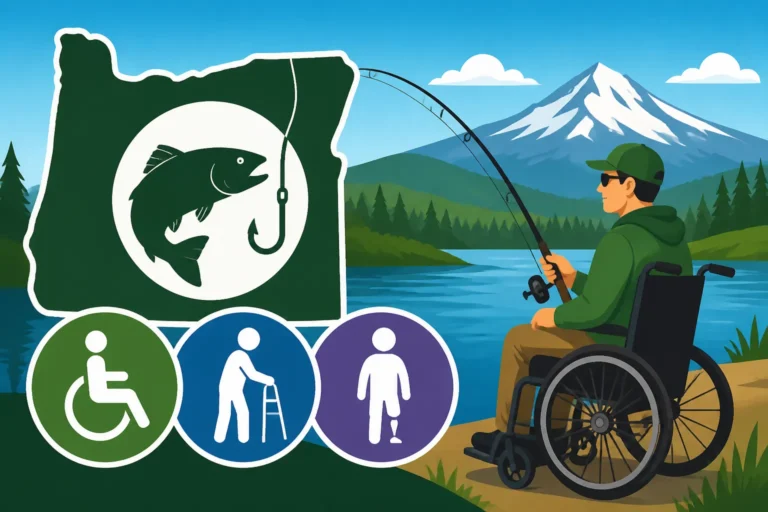
Oregon, like many states, strives to make outdoor activities accessible to everyone. The intent behind special permits for individuals with disabilities is rooted in a desire to remove barriers and encourage participation in activities like fishing, which offer so much more than just a catch.
The Heart Behind the Regulations: Inclusivity for All Anglers
Fishing isn't just a pastime; it's a powerful tool for connection, learning, and therapeutic engagement. For children with disabilities, casting a line into a peaceful river or lake can provide unique sensory experiences, develop fine motor skills, and foster a profound sense of accomplishment. Imagine the sheer joy on a child's face as they feel that first tug on the line, or the calm that settles over them while watching the water. These moments are invaluable.
The Oregon Department of Fish and Wildlife (ODFW) recognizes these benefits, which is why specific provisions are in place to ensure that disabilities don't become an insurmountable obstacle to experiencing Oregon's incredible natural resources. It’s about creating opportunities for every child to feel the thrill of the chase and the peace of the outdoors. They want to make sure that a child’s physical or developmental challenges don't exclude them from these fundamental experiences.
However, despite the good intentions, parents often find themselves scratching their heads, wondering which form to fill out or what criteria truly apply. This confusion is completely valid, and it’s a hurdle many families face. It’s not always straightforward to connect the spirit of inclusivity with the letter of the law.
General Fishing License Requirements for Children in Oregon
Before we dive into the special considerations for disabled children, let's quickly touch on the general rules for young anglers in Oregon. This will give you a baseline understanding of how things typically work. Generally speaking, kids under the age of 12 don't need a fishing license to angle in Oregon. This is fantastic news for families with younger children, making it easy to introduce them to the sport without any bureaucratic hurdles.
However, once a child turns 12, the rules change. At that point, they generally need to purchase an Oregon Youth Fishing License if they plan to fish. This license allows them to participate fully in angling activities, subject to all the standard regulations like bag limits and seasons. The purpose of this age cutoff is to begin instilling a sense of responsibility and contributing to conservation efforts as they grow older and become more active participants in the fishing community.
It’s worth noting that even without a license, children are still bound by all other Oregon Fishing Regulations Explained, including daily limits, size restrictions, and specific gear rules. Knowing these general guidelines helps frame why special permits for disabled children are so important – they often offer a way to bypass or modify these standard age-based requirements, acknowledging unique circumstances. So, if your child is approaching that 12-year mark, or is already beyond it, these special permits become highly relevant. For a deeper dive into statewide rules, you can consult the comprehensive Oregon Fishing License Guide.
Specifics of the Oregon Disabilities Hunting and Fishing Permit
This is where the rubber meets the road for families of children with disabilities. Oregon offers a specific permit designed to make hunting and fishing more accessible for those with certain limitations. Understanding this permit is key.
Who Qualifies for this Special Permit
The Oregon Disabilities Hunting and Fishing Permit is a truly valuable resource, but it's important to understand the specific criteria for eligibility. It’s not just any disability that qualifies; the ODFW has established clear guidelines to ensure the permit goes to those who genuinely need it. Essentially, the permit is designed for individuals who have a permanent or long-term disability that significantly impairs their ability to hunt or fish under standard regulations, or substantially limits their major life activities.
The most critical aspect of qualification is documented medical verification. You can’t just state your child has a disability; a licensed physician, osteopathic physician, physician assistant, or nurse practitioner must certify the disability on an official ODFW form. This form, often called the "Physician's Statement for Permanent Disability," will require the medical professional to detail the nature of the disability and confirm its permanency or long-term impact. They’ll need to attest that the condition substantially restricts one or more major life activities, such as caring for oneself, performing manual tasks, seeing, hearing, eating, sleeping, walking, standing, lifting, bending, speaking, breathing, learning, reading, concentrating, thinking, communicating, or working.
Common examples of disabilities that might qualify include significant visual impairments, severe mobility limitations requiring the use of a wheelchair or other assistive devices, cognitive impairments that make it difficult to understand or follow complex regulations, or chronic health conditions that severely impact physical stamina or fine motor skills required for angling. However, it's crucial to remember that the medical professional's assessment, based on the ODFW's definitions, is what ultimately determines eligibility. It's not about a specific diagnosis as much as the impact the disability has on the child's ability to participate in or understand fishing. For detailed information on the application process, check out our guide on the Oregon Disabilities Hunting and Fishing Permit.
How to Apply for the Permit for Your Child
Applying for the Oregon Disabilities Hunting and Fishing Permit for your child involves a few key steps, and while it requires some paperwork, it’s a straightforward process once you know what to do. The first step is to obtain the official application form, which includes the "Physician's Statement for Permanent Disability." The easiest way to get this form is usually directly from the ODFW website. You can typically download it as a PDF, print it out, and fill in your portion. If you don't have internet access or a printer, you can also request a copy by mail from any ODFW office, or pick one up in person at a regional office or certain license vendors.
Once you have the form, you’ll need to complete the applicant section with your child’s information. The crucial next step involves having a qualified medical professional fill out and sign the "Physician's Statement" portion. This means scheduling an appointment with your child’s doctor or specialist, explaining the purpose of the form, and having them certify the permanent or long-term nature of your child’s disability according to ODFW’s criteria. Make sure they fill out all sections accurately and sign it, as any omissions could cause delays.
After both sections are complete, you'll submit the form to ODFW. The most common method is by mailing it to their headquarters. Be sure to keep a copy for your records. Processing times can vary, but generally, you can expect it to take a few weeks. Once approved, ODFW will issue the Disabilities Hunting and Fishing Permit to your child. This permit is often a long-term credential, potentially even lifetime, which means you won't have to reapply every year, significantly simplifying future fishing outings.
What the Disabilities Permit Covers
This special permit is a game-changer for many families, as it essentially serves as a comprehensive license for fishing and hunting, eliminating the need for many standard annual licenses and endorsements. The Oregon Disabilities Hunting and Fishing Permit acts as a free combined annual angling license for your child. This means they won't need to purchase the standard Oregon Annual Angling License that other anglers over 12 would require. This is a significant financial relief and simplifies the process immensely.
Beyond the basic angling license, the permit typically covers many of the additional tags and endorsements that can quickly add up in cost and complexity. This often includes the Combined Angling Tag, which is usually required for species like salmon, steelhead, and sturgeon. So, if your child hopes to hook into a trophy Chinook on the Columbia River or a beautiful steelhead in one of Oregon’s coastal rivers, this permit generally means they won't need to buy a separate Oregon Combined Angling Tag Guide or individual salmon and steelhead tags. It often covers the Columbia River Basin Endorsement as well, which is necessary for fishing in that major waterway.
However, it's absolutely vital to remember that while the permit covers the license and tag fees, it does not exempt your child from following all other Oregon Fishing Regulations Explained. This means daily bag limits, size restrictions, gear restrictions (like barbless hooks in certain areas), and seasonal closures still apply. Always make sure to check the current ODFW fishing regulations booklet or their website for the most up-to-date rules, as these can change annually or even seasonally. Even with this fantastic permit, understanding the nuances of Oregon Fishing Season Dates and Limits is crucial for a successful and legal fishing trip.
Navigating Additional Considerations and Tips for Families
Getting the permit is a fantastic first step, but a truly successful and enjoyable fishing experience for a disabled child goes beyond just the paperwork. There are practical considerations, adaptive tools, and safety measures that can make all the difference.
Beyond the License: Adaptive Fishing Gear and Resources
Once you have that permit in hand, the next big step is thinking about how to make the actual act of fishing as comfortable and accessible as possible for your child. The good news is that the world of adaptive fishing gear has come a long way. This equipment is designed specifically to help individuals with physical limitations enjoy the sport, and exploring these options can truly enhance your child's experience.
For example, if your child has limited hand strength or dexterity, specialized rod holders can be a godsend. These can attach to wheelchairs, boat seats, or even stand-alone tripods, allowing a child to keep their line in the water without constantly holding the rod. There are also ergonomic grips and larger handles available for reels and rods, making them easier to grasp and manipulate. Some reels are even designed for one-handed operation or come with push-button casting features. You might find a wide selection of these specialized items online, often through retailers like Amazon, where a quick search for "adaptive fishing gear" can yield surprising results.
Beyond gear, thinking about accessible fishing locations is paramount. Many state parks, county parks, and even urban fishing ponds in Oregon have made strides in creating accessible docks, paved pathways, and facilities that accommodate wheelchairs and other mobility aids. You can often find information on these spots directly from the ODFW website or by contacting local park and recreation departments. Finding places like Wheelchair accessible fishing spots in Oregon can significantly reduce logistical stress and ensure a smoother, more enjoyable outing for everyone. Don’t be afraid to reach out to local fishing clubs or disability advocacy groups; they often have invaluable insights into hidden gems or specific resources in your area.
The Importance of Accompanying Adults and Safety
While the Disabilities Permit empowers your child to fish independently from a licensing standpoint, the reality is that an accompanying adult’s presence is absolutely crucial, especially when fishing with a child with special needs. This isn't just about adhering to the rules; it's fundamentally about safety and ensuring a positive experience. An adult needs to be there to provide supervision, assistance, and guidance, acting as a supportive companion throughout the outing.
It’s important to remember that if the accompanying adult also plans to fish, they will need their own valid Oregon Fishing License Guide and any necessary tags or endorsements. The child’s permit does not extend to the adult. So, if you're both casting lines, make sure your own paperwork is in order to avoid any unexpected issues with a game warden. This ensures that both conservation efforts are supported and everyone is legally compliant.
Beyond licenses, safety is paramount. When fishing with a disabled child, consider factors like proximity to water, slippery banks, and exposure to the elements. Life jackets are non-negotiable when near or on the water, even if your child is a strong swimmer, as unexpected falls can happen. Pack extra layers of clothing, sunscreen, hats, and plenty of water and snacks. Always scope out the fishing spot beforehand if possible, checking for accessible pathways, restrooms, and potential hazards. Knowing how to safely handle and release fish, especially larger species, is also a good skill for the accompanying adult to have, ensuring both the fish’s well-being and the child’s safety during the excitement of a catch.
Staying Informed About Rule Changes
The world of fishing regulations isn't static; it's a living, breathing document that can change from year to year, or even within a season due to environmental factors, fish populations, or new scientific data. This means that while your child's Disabilities Permit might be long-term, the specific rules of where and what they can catch are subject to change. Relying on outdated information can lead to unintentional violations, which can be upsetting and costly.
The best way to stay informed is to make a habit of checking the Oregon Department of Fish and Wildlife (ODFW) website regularly. They are the official source for all regulations, and they typically publish an updated Oregon Fishing Regulations Explained booklet at the beginning of each year. Many anglers even download the digital version to their phones or tablets for easy access while out on the water. This booklet is a treasure trove of information, detailing everything from statewide rules to specific zone regulations, bag limits for various species like trout, salmon, and steelhead, and any unique seasonal closures.
Additionally, ODFW often issues emergency regulations or updates throughout the year, especially for popular fisheries or during unusual environmental conditions. These updates are usually posted prominently on their website, and sometimes sent out via email newsletters if you sign up. For example, knowing How to check Oregon emergency fishing closures can save you a wasted trip. By staying proactive and informed, you can ensure that every fishing trip with your disabled child is not only enjoyable and safe but also fully compliant with the current rules, allowing you to focus on making those precious memories.
| Feature / Permit Type | Children Under 12 | Children 12-17 (Standard) | Disabled Child (with ODFW Permit) |
|---|---|---|---|
| Basic Angling License | Not Required | Required | Covered (Free) |
| Combined Angling Tag | Not Required | Required (if applicable) | Covered (Free) |
| Columbia River Basin Endorsement | Not Required | Required (if fishing CRB) | Covered (Free) |
| Annual Cost | Free | Varies (youth rate) | Free |
| Medical Certification | Not Applicable | Not Applicable | Required (Physician's Statement) |
| Duration | Age-based | Annual | Potentially Long-Term/Lifetime |
| Applicable Species | All legal species | All legal species | All legal species |
| Additional Tags (Sturgeon, Halibut) | Not Required | Required (if applicable) | Generally Covered (Free) |
Disclaimer
This article is for general informational purposes only and does not constitute professional advice. Laws, prices and regulations vary by location and change over time. Consult a qualified professional for guidance on your specific situation.