Can a 12 year old fish for salmon in Oregon without a tag?
It's completely understandable to feel a bit lost when trying to figure out fishing regulations, especially when it comes to specific species and age groups. Many parents just want to give their kids the joy of fishing without accidentally running afoul of the rules, and Oregon's system can sometimes seem a little complex. This guide is here to unravel the mystery of whether a 12-year-old needs a salmon tag in Oregon and to help you navigate the process with confidence.
The General Rule: Do Kids Need an Oregon Fishing License?
One of the first questions many parents ask is whether their child needs any license at all. It's a valid concern because in some states, very young children can fish without any paperwork. Oregon has specific rules that are designed to encourage youth participation while still managing its precious fishery resources. The good news is that for many younger children, fishing is indeed free and easy, but that changes as they grow a bit older, and especially when targeting specific, highly regulated species like salmon.
Age Thresholds and Free Fishing Days
In Oregon, the rule of thumb is that any angler 12 years of age or older needs a valid fishing license. This means that if your child is 11 years old or younger, they can fish without needing to purchase an annual angling license. This is fantastic for introducing younger kids to the sport, letting them experience the thrill of a bite without the upfront cost or administrative hassle. However, once that 12th birthday rolls around, they officially step into the realm of needing a license to continue fishing legally.
There's also a wonderful exception to these rules: Oregon's Free Fishing Days. These are specific days, usually a couple of times a year, designated by the Oregon Department of Fish and Wildlife (ODFW) when everyone, regardless of age, can fish for free without a license or tags. It’s an amazing opportunity to take the whole family out, perhaps trying out a new spot or just enjoying a relaxed day by the water. Even on these days, however, all other fishing regulations, such as bag limits and gear restrictions, still apply. Always check the ODFW website for the exact dates and any specific guidelines for these special days before you head out.
What the Standard Youth License Covers
Once your child turns 12 and obtains an Oregon Youth Fishing License, this basic license covers their right to fish for a wide variety of species throughout the state's waters. This includes popular species like trout in stocked lakes and streams, warm water fish like bass and panfish, and even some non-migratory fish in rivers and bays. It's their entry ticket to the general fishing world in Oregon.
However, and this is where the salmon question comes in, this standard youth angling license does not automatically include permission to harvest certain high-value, migratory fish species that require additional endorsements or tags. These species, like salmon, steelhead, and sturgeon, are managed with much stricter regulations due to their conservation status and the intense fishing pressure they receive. The general license gets them in the door, but for the big game, an extra step is required. Understanding these layers is key to ensuring your 12-year-old is fully compliant and can enjoy the thrill of reeling in a salmon legally. You can find more detailed information on various permit requirements in our comprehensive guide to the Oregon Fishing License Guide.
Unpacking Salmon and Steelhead Tag Requirements for Young Anglers
This is often where the confusion really sets in for parents. You've got the youth license, great! But then you hear about "tags" and "endorsements," and it can feel like a whole new layer of bureaucracy. For salmon and steelhead, these tags aren't just extra paperwork; they're vital tools for managing these incredibly important and often vulnerable fish populations. Let's break down what's needed for your 12-year-old.
The "Combined Angling Tag" Explained
In Oregon, if you or your child plan to harvest (meaning keep) certain species, specifically salmon, steelhead, or sturgeon, you need what's called a Combined Angling Tag. This isn't just a simple sticker; it's a critical component of Oregon's fisheries management strategy. The tag serves several purposes: it helps track the number of these sensitive fish being kept, provides vital data on catch locations and times, and contributes funds directly to the conservation efforts for these species. It’s an essential tool that helps ODFW monitor populations and set appropriate season limits to ensure healthy runs for future generations. Without this tag, even with a valid angling license, keeping one of these fish is not permitted. Our detailed article on the Oregon Combined Angling Tag Guide offers an in-depth look at what this tag entails.
When a 12-Year-Old Needs a Combined Angling Tag
Here’s the direct answer to your burning question: Yes, a 12-year-old who wishes to harvest a salmon, steelhead, or sturgeon in Oregon does need a Combined Angling Tag, in addition to their annual youth angling license.
This requirement kicks in right alongside the need for a basic angling license. So, as soon as your child turns 12, if they want to keep any of these specific fish, they will need both their youth license and the Combined Angling Tag. It's a common misconception that because they are still considered "youth," they might be exempt from tags, but for these high-value species, the conservation regulations apply to all anglers planning to retain fish, regardless of age. If they are fishing catch-and-release only for salmon, steelhead, or sturgeon, they would still need their basic angling license at age 12, but not the Combined Angling Tag, unless specific regulations for that body of water or species require it even for catch and release. It's always best to check the current Oregon Fishing Regulations Explained for the specific area you're planning to fish.
Specific Species Covered by the Tag
The Combined Angling Tag specifically covers the harvest of:
- Salmon: This includes all species of Pacific salmon found in Oregon waters, such as Chinook, Coho, Sockeye, and Chum. Whether you're targeting spring Chinook on the Willamette or fall Coho on a coastal river, if you plan to keep one, the tag is a must.
- Steelhead: Both summer and winter steelhead runs fall under this tag. These highly prized anadromous rainbow trout are a huge draw for anglers, and their management is crucial.
- Sturgeon: Primarily white sturgeon in the Columbia River and its tributaries. Sturgeon are ancient and magnificent fish, and their populations are very carefully managed with specific slot limits and harvest seasons.
It's important to understand that these are some of Oregon's most iconic and economically important fish, making their proper management a top priority. The funds generated from these tags directly support habitat restoration, hatchery programs, and ODFW enforcement efforts, all of which benefit future fishing opportunities. Knowing what the tag covers helps you confidently pursue these magnificent fish with your young angler, knowing you're doing it by the book. The specific cost details for these tags are outlined in How much does an Oregon combined angling tag cost.
Why These Regulations Matter: Conservation and Data Collection
It's easy to look at all the different licenses and tags and feel overwhelmed, or even a little annoyed. Why so much paperwork just to go fishing, right? But these regulations aren't just arbitrary rules dreamt up by bureaucrats. They serve incredibly important functions that are crucial for protecting Oregon's natural resources and ensuring that fishing remains a vibrant activity for generations to come. Understanding the "why" behind the rules can often make them a little easier to swallow.
Protecting Oregon's Valuable Fisheries
Oregon is blessed with an incredible diversity of fish species and world-class fishing opportunities, from wild salmon runs to abundant trout streams. Many of these fisheries, especially for species like salmon and steelhead, are incredibly sensitive and face numerous challenges, including habitat loss, climate change, and fluctuating ocean conditions. The licensing and tagging system is a cornerstone of conservation efforts. By limiting the number of fish that can be harvested and tracking those harvests, ODFW can respond to population trends and implement measures to protect vulnerable stocks.
For example, strict regulations on wild steelhead, often requiring catch-and-release, or specific seasons and bag limits for different salmon runs, are all designed to allow enough fish to return to their spawning grounds. When you purchase a license or a tag, you're not just buying a piece of paper; you're directly contributing to the funding that supports these critical conservation programs. This money goes towards scientific research, fish hatchery operations, habitat restoration projects, and enforcement, all of which are essential for maintaining healthy fish populations. It's a collective effort, and every angler, even a 12-year-old with a tag, plays a part in this vital work. Ignoring these rules can lead to significant Oregon Fishing Violations and Penalties.
How Catch Data Informs Management Decisions
Beyond direct funding, the Combined Angling Tag and the associated catch record cards are invaluable tools for data collection. When you receive a tag, it usually comes with a physical or digital catch record card. After harvesting a salmon, steelhead, or sturgeon, anglers are required to immediately record the catch details, such as the date, location, and species. This might seem like a small detail, but when aggregated across thousands of anglers, this data provides a comprehensive picture of fishing pressure and success rates.
This real-time, ground-level information helps ODFW biologists understand how many fish are being caught, from which areas, and at what times of the year. This data is critical for making informed management decisions. For instance, if catch rates for a particular salmon run drop significantly, ODFW can quickly implement emergency closures or adjust bag limits to protect the remaining fish. Conversely, if a run is particularly strong, they might extend seasons or liberalize limits. Without accurate catch data submitted by anglers, these decisions would be based on incomplete information, potentially harming fish populations or unnecessarily restricting fishing opportunities. Teaching your child to properly fill out their Oregon Catch Record Card Requirements instills a sense of responsibility and contributes directly to the science of fisheries management.
Navigating the Purchase Process for Youth Licenses and Tags
Alright, so you know what your 12-year-old needs. Now, how do you get it? The good news is that ODFW has made the process fairly straightforward, with several convenient options for purchasing licenses and tags. Gone are the days when you had to drive for miles to a tiny tackle shop hoping they were open. Today, you have a few ways to get your young angler set up for success.
Online, In-Person, and Retailer Options
Oregon offers several ways to purchase fishing licenses and tags, catering to different preferences and needs:
- Online Through ODFW's E-License System: This is often the quickest and most convenient method, especially if you're comfortable with online transactions. You can visit the ODFW's official website, create an account (or log in if you already have one), and purchase the Oregon Youth Fishing License and the Combined Angling Tag directly. Many parents find this a hassle-free way to buy everything from the comfort of their home. You can even print a temporary license or save a digital copy to your phone, though it's often wise to have a physical copy, especially for catch record cards. Our article on How to Renew an Oregon Fishing License Online can give you more tips on using the e-license system.
- Authorized License Agents: Across Oregon, numerous sporting goods stores, tackle shops, and even some convenience stores are authorized ODFW license agents. Places like Bi-Mart, Fred Meyer, and many local independent tackle shops are common spots. These agents can issue licenses and tags on the spot. This is a great option if you prefer to speak to someone in person, have questions about local regulations, or need to pick up some last-minute bait and tackle. For specific locations, you can check the ODFW website or our guide on Where to Buy an Oregon Fishing License.
- ODFW Offices: While less common for routine purchases, you can also purchase licenses and tags directly from ODFW district offices. This might be useful if you have complex questions or need specialized assistance.
When it comes to preparing for the trip, don't forget the gear! While you're getting your license, you might realize your young angler needs an upgrade. Many parents find great deals on youth fishing vests or tackle boxes on Amazon before their trip. Having their own dedicated gear can really add to the excitement and sense of ownership for a young fisherman. You can often find beginner combos that include a rod, reel, and basic tackle, making it easy to get started.
What Information You'll Need for Purchase
Whether you're buying online or in person, you'll need some basic information for your 12-year-old to complete the purchase:
- Full Name: As it appears on official identification.
- Date of Birth: To verify their age and eligibility for a youth license.
- Physical Address: Their current residential address.
- Height and Eye Color: These are standard demographic questions for licenses.
- Social Security Number (SSN): For all license purchases, an SSN is required by federal law, primarily for compliance with child support enforcement regulations. While it might seem odd for a fishing license, it's a standard requirement.
It’s always a good idea to have this information readily available before you start the purchase process to ensure a smooth transaction. You won't need photo ID for a 12-year-old to purchase, but having the correct details is crucial.
Costs and Considerations for Youth Tags
The cost for a youth angling license and a Combined Angling Tag in Oregon is significantly less than for adult residents or non-residents, which is a fantastic incentive for getting kids involved.
Here’s a general breakdown, though prices can change, so always verify on the ODFW website or with a license agent:
| License/Tag Type | Resident Youth (12-17 years old) |
|---|---|
| Annual Angling License | Typically around $10.00 – $15.00 |
| Combined Angling Tag | Typically around $20.00 – $25.00 |
| Total for Salmon/Steelhead | Around $30.00 – $40.00 |
Note: Prices are approximate and subject to change. Please check the official ODFW website for the most current pricing.
It's a relatively small investment to give your child the full experience of fishing for Oregon's premier game fish. When considering the Oregon Fishing License Costs overall, the youth options are quite affordable. Remember, the funds go directly back into managing these fisheries, so it's an investment in the future of fishing. Before you leave for your trip, make sure your youth angler has their license and tag clearly with them. You can check out more details on the Oregon Annual Angling License for comparison.
Common Misconceptions and Smart Practices for Families
It’s easy to get caught up in the excitement of a fishing trip, especially with kids, and overlook some of the finer points of the regulations. But a little bit of foresight and awareness can save you a lot of headache and ensure your outing is enjoyable and legal. Let’s tackle some common misconceptions and share some smart practices for families fishing in Oregon.
Avoiding Accidental Violations
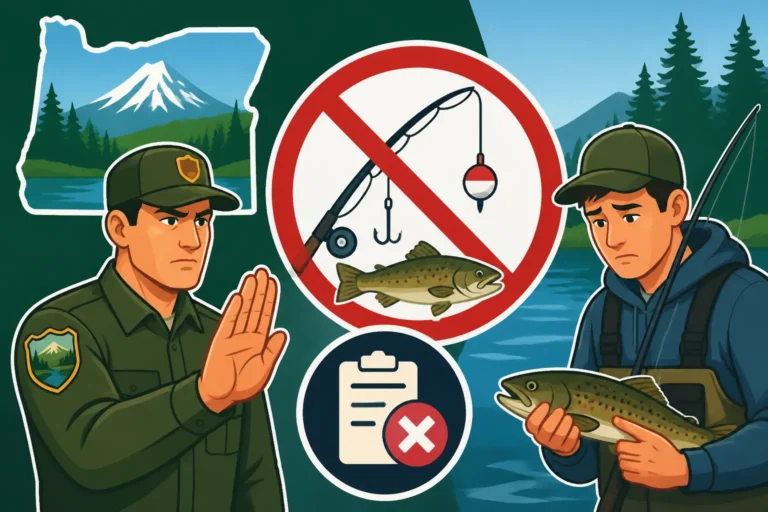
One of the biggest frustrations for anglers, especially parents, is accidentally violating a rule they didn't even know existed. With constantly changing seasons, bag limits, and specific water body rules, it's a real concern. For a 12-year-old fishing for salmon, the primary pitfall is having the general angling license but not the Combined Angling Tag, and then keeping a salmon. A game warden checking licenses will expect to see both if a salmon is in the cooler.
Another common mistake is misidentifying a fish. For example, knowing the difference between a hatchery steelhead (which may be kept in certain areas) and a wild steelhead (which is often catch-and-release only) is crucial. Hatchery fish usually have a clipped adipose fin, while wild fish do not. Teaching your child how to identify these differences is not just good practice, it’s a critical part of being a responsible angler.
Finally, always double-check the specific regulations for the body of water you're fishing. River sections, bays, and lakes often have unique rules regarding open seasons, bag limits, gear restrictions (e.g., barbless hooks only), and even fishing hours. What's legal on one stretch of the Columbia River might be illegal just a few miles downstream. A quick scan of the ODFW regulations for your specific spot can prevent an honest mistake from becoming a violation. You can easily access the Oregon Fishing Regulations Explained booklet online or pick one up from a license agent.
Staying Informed About Regulation Changes
Oregon's fishing regulations are not static. They can change annually, and sometimes even mid-season due to emergency closures, unexpected fish returns, or environmental factors. Relying on last year's regulations or word-of-mouth from a friend can lead you astray.
The best way to stay informed is to:
- Check the ODFW Website: The official ODFW website is the most up-to-date source for regulations, emergency closures, and news releases. They often have dedicated sections for current conditions and rule changes.
- Download the MyODFW App: If you're tech-savvy, the MyODFW app can be a great resource, putting regulations, stocking schedules, and emergency alerts right in your pocket.
- Consult a Local Tackle Shop: These folks are often on the pulse of local fishing conditions and specific rules. They can provide invaluable advice on what's biting, what gear to use, and any recent regulation changes for their area.
Before every fishing trip, especially if you're targeting salmon or steelhead, take a few minutes to review the most current regulations. This simple habit will ensure your family stays compliant and enjoys a stress-free day on the water. If you're buying some new gear for your child's salmon adventure, remember that Amazon also has a great selection of current regulation booklets and fishing guides, which can be useful supplements to the ODFW website.
The Importance of Catch Records
We briefly touched on this earlier, but it truly deserves emphasis, especially when dealing with the Combined Angling Tag. For every salmon, steelhead, or sturgeon your 12-year-old harvests, they are required to immediately record that catch on their tag or catch record card. This includes the date, species, and location.
This isn't just a formality; it's a legal requirement and a critical part of fisheries management. Failing to properly fill out a catch record card can result in fines and penalties, even if the fish itself was legally harvested. It's a simple step that takes mere seconds but provides essential data to ODFW. Teach your child the importance of this step, explain why it matters for fish conservation, and make it a routine part of your fishing trips. This responsibility is a key part of becoming a well-rounded and ethical angler. You can learn more about Oregon Salmon and Steelhead Tag Requirements and how to properly fill out the card for specific species.
Disclaimer
This article is for general informational purposes only and does not constitute professional advice. Laws, prices and regulations vary by location and change over time. Consult a qualified professional for guidance on your specific situation.