What does the Oregon combined angling tag cover
Navigating the ins and outs of fishing regulations in Oregon can feel like trying to untangle a snarled fishing line – confusing, right? Many anglers, especially those new to the state or just getting back into the sport, often scratch their heads wondering what licenses and tags they really need beyond the basic angling license. One of the most common points of confusion is the Oregon Combined Angling Tag, and understanding what it covers is absolutely essential to staying legal and enjoying your time on the water. This comprehensive guide is here to clear up that mystery, detailing exactly which species this vital tag encompasses.
Understanding the Core Purpose of the Oregon Combined Angling Tag
Let's start with the basics. You've got your annual Oregon angling license, which is your foundational permit to fish in the state. Think of it as your entry ticket. But many of Oregon's most iconic and highly sought-after fish species – the ones that draw anglers from all over the world – require more than just that basic license. That's where the Combined Angling Tag comes into play. It's essentially an add-on, a specialized permit specifically designed to cover your pursuit of certain high-value, often migratory, and sometimes conservation-sensitive fish.
The tag serves a crucial role in Oregon's fisheries management. By requiring a separate tag for these specific species, the Oregon Department of Fish and Wildlife (ODFW) can better track angler effort, harvest rates, and ultimately, manage populations sustainably. It's not just about collecting fees; it's about gathering data that helps ensure these incredible fish continue to thrive for future generations. Without accurate data, it's incredibly difficult to make informed decisions about seasons, bag limits, and conservation efforts. So, while it might feel like "just another fee," it's actually a vital tool in the grand scheme of things.
What Species Are Officially Covered by the Combined Angling Tag?
Alright, let's get down to brass tacks. When you purchase an Oregon Combined Angling Tag, you're primarily getting the legal right to harvest and retain certain species of salmon, steelhead, and sturgeon. These are the big three, the fish that often represent the pinnacle of sport fishing for many Oregonians and visitors. It's important to remember that simply having the tag doesn't guarantee you'll catch one, but it does mean you're compliant with the law when you do.
Salmon: Chinook, Coho, and Chum
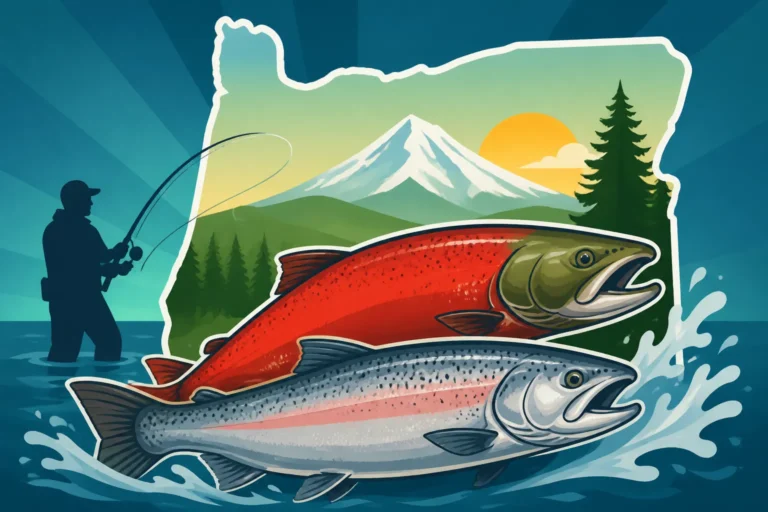
The combined angling tag is your golden ticket for salmon fishing in Oregon's fresh and saltwater environments. This includes the mighty Chinook (both spring and fall runs), the acrobatic Coho (silver salmon), and the less commonly targeted Chum salmon. Oregon is famous for its salmon runs, from the legendary Columbia River spring Chinook to the fierce fall Coho on coastal rivers. When you hook into one of these powerful fish, having that combined angling tag means you're good to go, assuming you adhere to all other regulations like daily bag limits, size restrictions, and gear rules.
Imagine you're out on the Willamette River, hoping to intercept a big spring Chinook. You've got your heavy-duty rod, your preferred bait, and you've spent hours learning how to fish for Spring Chinook on the Willamette. Once that rod bends and you successfully land that magnificent fish, the combined angling tag is what allows you to actually put it in your cooler. Without it, even a legal catch turns into a violation. The tag acts as your reporting mechanism, too, as you'll often need to mark your catch on a physical or electronic tag, contributing to the vital data ODFW collects. This helps track catch rates and ensure sustainable management, particularly for wild salmon populations which face numerous challenges.
Steelhead: Both Winter and Summer Runs
Steelhead are another crown jewel of Oregon fishing, and your combined angling tag covers these incredible anadromous rainbow trout. Whether you're chasing the brutish winter steelhead on rain-swollen coastal rivers like the Nestucca or swinging flies for nimble summer steelhead on the iconic Deschutes River, this tag is non-negotiable for retention. These fish are renowned for their strength and beauty, and often require specific techniques and dedication to catch.
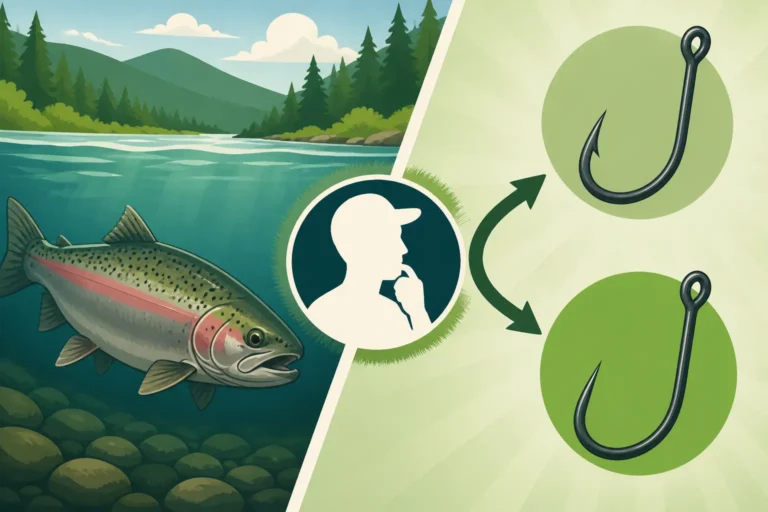
Steelhead fishing, particularly for wild fish, is often managed with extreme care. While many fisheries are catch-and-release only for wild steelhead, the tag specifically pertains to hatchery-reared fish that are typically identifiable by a missing adipose fin (a small fleshy fin on their back). If you're planning a trip to a river known for its steelhead, understanding Oregon Salmon and Steelhead Tag Requirements is crucial. Misidentifying a wild fish or keeping a hatchery fish without the proper tag can lead to significant penalties, not to mention a serious blow to conservation efforts. Many anglers will spend hours perfecting their drift fishing techniques for Oregon rivers just for a chance at a single steelhead, making the tag a small price to pay for the opportunity.
Sturgeon: White and Green (where retention is allowed)
Oregon is home to prehistoric sturgeon, particularly the massive white sturgeon that can grow to incredible sizes. The combined angling tag also covers sturgeon, though it's critical to understand that sturgeon retention opportunities are highly regulated and often limited to very specific seasons and zones, with strict slot limits. Most sturgeon fishing in Oregon, especially on the Columbia and Willamette rivers, is strictly catch-and-release, particularly for larger "oversize" fish which are protected.
For instance, on the lower Columbia River, sturgeon retention might be open for only a few days or weeks out of the year, with specific size windows (slot limits) to protect both juvenile and large breeding adults. If you happen to be fishing during one of these rare retention periods and you keep a legal-sized sturgeon, your combined angling tag is necessary. However, if you are exclusively practicing catch-and-release, the tag allows you to target them, but you must adhere to the rules about not removing the fish from the water, careful handling, and immediate release. Always double-check current Oregon Fishing Regulations Explained before heading out for sturgeon, as these rules change frequently based on population assessments. You might also need specific Oregon Sturgeon Tag Requirements beyond just the angling license.
Here's a quick reference table outlining what the Oregon Combined Angling Tag primarily covers:
| Species Category | Primary Species Covered | Retention Status (with tag) | Common Fishing Locations | Notes |
|---|---|---|---|---|
| Salmon | Chinook, Coho, Chum | Generally allowed (within bag/size limits) | Columbia River, Coastal Rivers, Willamette River, Bays | Both wild and hatchery often have specific rules; primarily hatchery retention. |
| Steelhead | Winter, Summer | Generally allowed for hatchery fish (fin-clipped) | Coastal Rivers, Deschutes River, Rogue River | Wild steelhead are often catch-and-release only. |
| Sturgeon | White, Green | Allowed only during specific seasons and within slot limits | Columbia River, Willamette River | Largely catch-and-release; retention opportunities are rare and highly regulated. |
What the Combined Angling Tag Does Not Cover (and What You'll Need Instead)
This is where the "combined" part can be a bit misleading for new anglers. While it covers a broad range of popular game fish, it certainly doesn't cover everything. Thinking it does is a common pitfall that can lead to unexpected fines. There are several other valuable fisheries in Oregon that require their own separate permits or endorsements in addition to your basic angling license.
Shellfish (Crabs, Clams, Mussels)
If your idea of a perfect day on the Oregon coast involves dropping crab pots or digging for delicious razor clams, your combined angling tag won't cut it. Crabbing, clamming, and mussel harvesting fall under the "shellfish" category, which requires a separate Oregon Shellfish License. This is a distinct permit from your angling license and combined tag.
Many visitors to coastal towns like Newport or Garibaldi come specifically for the Dungeness crab. They might have their fishing license and combined tag, ready to cast a line for surfperch, but without that shellfish license, setting out a crab ring is illegal. It's a common mistake, but an easily avoidable one. You can often purchase these licenses at the same places you get your angling license, including ODFW license vendors or even online. For some basic crabbing gear, like sturdy crab gauges or bait holders, you might find a good selection on Amazon to get you started.
Halibut
Ah, the elusive Pacific Halibut! These flatfish are a prize for any ocean angler, offering fantastic table fare and a strong fight. However, just like shellfish, halibut fishing requires a specific endorsement. You'll need an Oregon Halibut Tag Requirements in addition to your angling license to legally harvest these magnificent bottom dwellers. Halibut seasons are notoriously short and specific, often regulated by federal quotas, so always check the current year's regulations before planning a trip. Without this dedicated tag, even if you're fishing offshore on a charter, retaining a halibut is against the rules.
Tuna and Other Offshore Pelagic Species
Chasing albacore tuna far offshore, or targeting other pelagic species like rockfish and lingcod in the deeper waters of the Pacific, typically falls under the umbrella of your general Oregon angling license. However, there isn't a specific "tuna tag" or "rockfish tag" akin to the combined angling tag or halibut tag. Your basic Oregon angling license is usually sufficient for these fisheries. That said, you still need to adhere to all bag limits, size restrictions, and gear requirements, which can be quite complex for diverse bottomfish species. For example, some areas have specific depth restrictions for rockfish fishing to protect certain species. If you're planning an offshore trip, especially for tuna, having a robust setup is key. Many anglers find durable tackle boxes and specialized lures on Amazon to prepare for these intense battles.
General Warmwater Fish (Bass, Panfish, Catfish)
For popular warmwater species like largemouth and smallmouth bass, crappie, bluegill, catfish, and yellow perch, your standard Oregon angling license is generally all you need. These fish are abundant in many of Oregon's lakes, reservoirs, and slower-moving rivers. There's no additional "bass tag" or "panfish endorsement" required. This makes these species a fantastic option for family outings or for anglers just looking for a fun, less regulated fishing experience. The rules are usually straightforward, focusing on daily bag and possession limits.
Trout (Except Steelhead)
Similar to warmwater species, for general trout fishing – including rainbow trout, cutthroat trout, and brown trout in lakes, streams, and rivers (that aren't considered steelhead waters) – your basic Oregon angling license is sufficient. The combined angling tag is not needed for these resident trout. Oregon's high mountain lakes and many stocked ponds offer fantastic trout fishing opportunities that only require the base license. This distinction is crucial: if you're targeting a rainbow trout in a small stream that isn't part of a steelhead run, you don't need the combined tag. However, if you're on a major river like the Deschutes that has steelhead, and you catch a rainbow trout, you need to be able to identify if it's a resident trout or a juvenile steelhead, as this impacts tag requirements. For beginners, it's always best to check the specific regulations for the water body you plan to fish to understand Oregon Trout Fishing Techniques and rules.
Why is the Combined Angling Tag So Important for Responsible Anglers?
The Oregon Combined Angling Tag is more than just a piece of paper or a digital entry; it's a cornerstone of responsible fisheries management in a state blessed with incredible natural resources. Ignoring its requirements isn't just a minor oversight; it has real consequences, both for you and for the future of fishing in Oregon.
Conservation and Data Collection
Every time an angler purchases a combined angling tag, that revenue goes directly back into conservation efforts, habitat restoration, and fisheries research conducted by ODFW. This funding helps monitor fish populations, manage hatcheries that supplement runs, and protect critical spawning grounds. When you fill out your catch card (either physical or digital) and report your harvest (or even your effort for catch-and-release), you're contributing invaluable data. This data tells biologists how many fish are being caught, where they're being caught, and helps them assess the health of specific runs. Without this information, it would be impossible to set sustainable bag limits or open/close seasons, leading to potential overharvest and decline of these precious resources. It's a direct way anglers contribute to the long-term health of the fisheries they love.
Avoiding Violations and Penalties
Fishing without the appropriate tags is a violation of Oregon fishing laws, and the penalties can be significant. Depending on the species and the circumstances, you could face hefty fines, confiscation of your gear, and even loss of your fishing privileges. A simple mistake of not having a Do I need a combined angling tag to fish for trout in Oregon? for a salmon or steelhead can turn a fun day into a costly headache. Enforcement officers, often seen on rivers like the Columbia or coastal estuaries, are well-versed in identifying violations. They're there to protect the resource and ensure everyone is playing by the rules. It’s far better to spend a few extra dollars on the correct tags than to face the legal repercussions of fishing illegally. Check out Oregon Fishing Violations and Penalties for more detailed information.
Ethical Angling Practices
Beyond the legal aspects, holding the proper tags is part of being an ethical and responsible angler. It shows respect for the fish, the environment, and the efforts of wildlife managers. It reinforces the idea that these resources are not limitless and that our access to them comes with a responsibility to protect them. As anglers, we are stewards of the natural world, and understanding and adhering to regulations, including the combined angling tag, is a fundamental part of that stewardship. If you're heading out to fish in different Oregon Fishing Zones Explained, always make sure your tag covers the species you might encounter in that specific area.
In conclusion, while the Oregon Combined Angling Tag might seem like just another bureaucratic hurdle, it is a vital component of sustainable fisheries management and responsible angling in the Beaver State. It specifically covers the retention of salmon, steelhead, and sturgeon, helping ODFW gather essential data and fund critical conservation efforts. Always double-check current regulations and ensure you have all the necessary licenses and tags before casting your line to ensure a legal and enjoyable fishing experience.
Disclaimer
The information provided in this guide is for general informational purposes only and does not constitute legal advice. Fishing regulations in Oregon are subject to change by the Oregon Department of Fish and Wildlife (ODFW). It is the angler's sole responsibility to consult the most current ODFW fishing regulations, proclamations, and any emergency closures before engaging in any fishing activity. Failure to do so may result in fines or penalties.